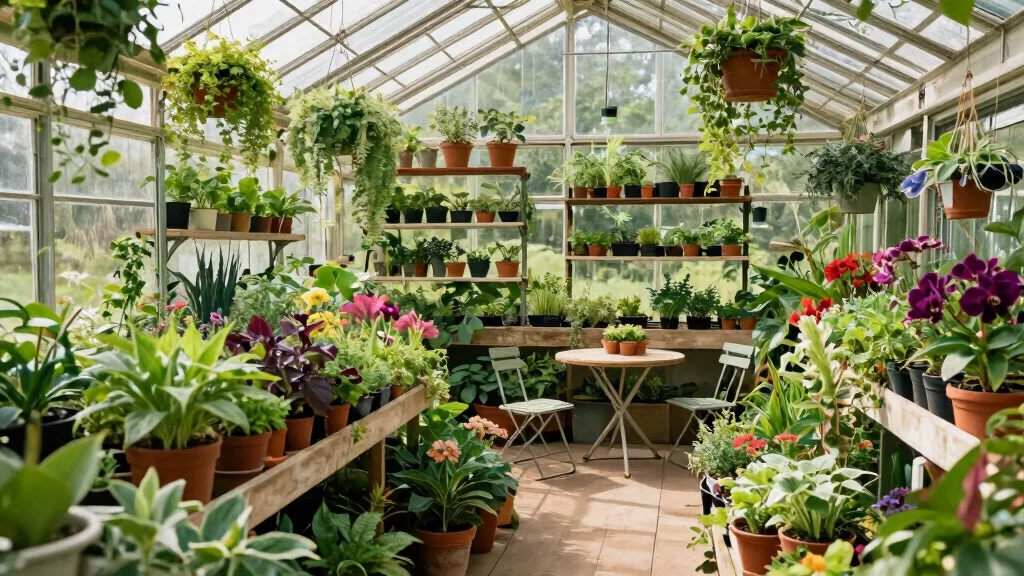
Creating a successful greenhouse layout can feel a bit overwhelming, especially if you’re working with limited space. That’s why I put together this guide on 15 Greenhouse Layout Ideas for Efficient Planting. Whether you’re a seasoned gardener or just starting out, having a well-planned greenhouse can truly elevate your planting game. I want to inspire you with practical ideas that maximize your growing potential, even in small areas.
If you’re into home decor and sustainable gardening, this post is for you. You’ll find strategies that fit your style and space, helping you create a beautiful and functional greenhouse. I’ve gathered a variety of layouts that cater to different plant arrangements, making it easier for you to cultivate your favorite vegetables, herbs, and flowers. These ideas aren’t just about aesthetics; they’re also about making the most of your environment.
By the end of this post, you’ll have a treasure trove of inspiration and actionable tips that you can apply right away. Whether you want to try a vertical garden design or need advice on efficient pathways, this guide has got you covered. Let’s dig in and explore how to design a greenhouse layout that not only looks great but also enhances your gardening experience.
Key Takeaways
– Discover 15 creative greenhouse layouts that optimize small spaces for planting.
– Learn about vertical gardening techniques that enhance space utilization.
– Find tips on plant arrangements that improve sunlight access and plant health.
– Explore ideas for multi-functional furniture that can maximize your working area.
– Gain insights on creating seasonal rotation zones to keep your greenhouse productive year-round.
Recommended Products

【36 Pocket Vertical Garden】Features 36 individual planting pockets, allowing you to grow herbs, flowers, succulents, strawberries, vegetables, and other plants while maximizing vertical space.

Innovative Space-saving Design: maximize your gardening potential with our stackable wall planter system; Each piece measures 9.45" x 5.71" x 5.51" and features two pockets, The overall dimensions are 47.5"x33"x5.5" offering ample growth space for a variety of plants; Nice for Fence Balcony Wall Decor, these vertical wall planters change limited spaces into gardens effortlessly
1. Vertical Garden Wonder
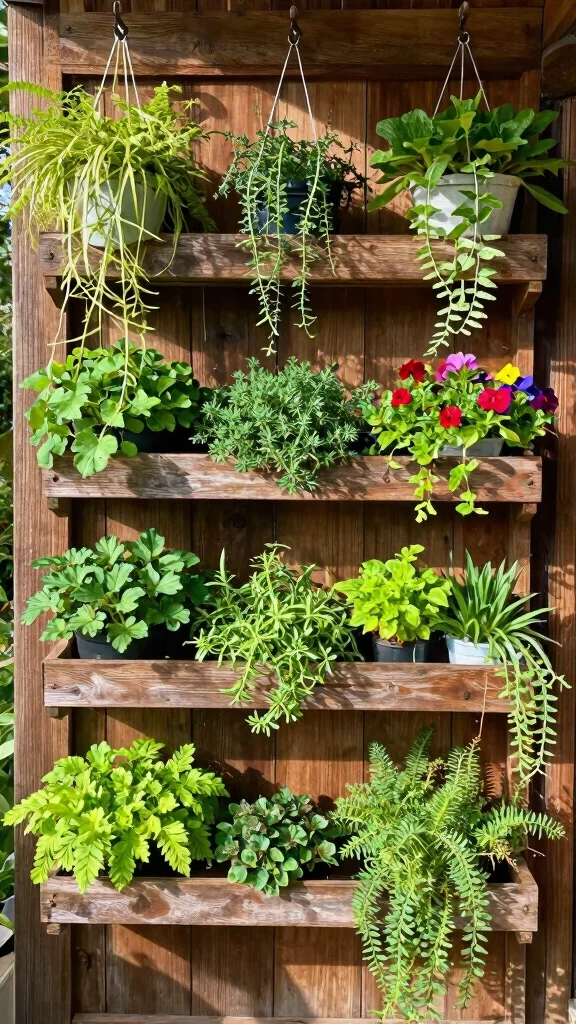
Embrace the beauty of vertical gardening to transform a small area into a lush paradise. This innovative layout maximizes your available space while creating a stunning visual display. By using wall-mounted planters or shelving units, you can cultivate herbs, leafy greens, or even strawberries, allowing your greenhouse to flourish in limited footprints.
To make the most of this design, consider integrating budget-friendly options like DIY vertical planters made from recycled materials. This approach not only aligns with current eco-friendly trends but also enhances the emotional satisfaction of nurturing your plants.
Consider these elements to elevate your vertical gardening experience:
– Pair wall planters with vibrant herbs for color and utility.
– Install tiered shelves to showcase succulents or flowers.
– Use trellises to support climbing vines vertically.
This layout creates a captivating focal point while allowing you to enjoy the textures and colors of a diverse plant collection.
Did you know vertical gardens can triple green space in a tiny greenhouse layout? A simple wall-mounted system adds up to 4 square feet of planting per vertical meter, letting you grow herbs, greens, and strawberries without crowding.
Recommended Products
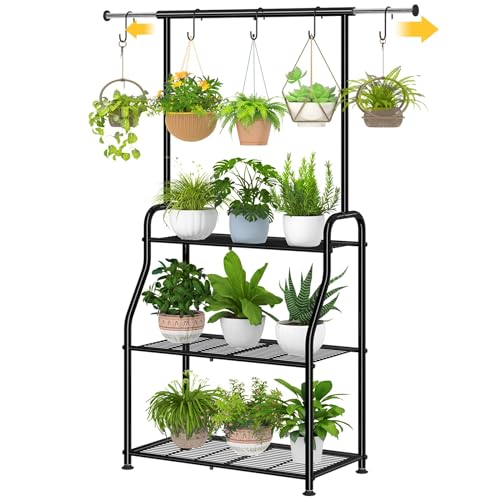
Expandable Suspension Design: Extendable hanging feature is added to the top of the 3 tier plant stand, the hanging rod can be from 29 inches to 45 inches, with block on both sides to prevent pots from falling, you can display your favourite plants better

3 Sizes of Plant Stands: Height of each tier 23.25"/16"/8.75"inches, Length and width of 27.25 "x10" inches,Each tier can hold 4-6 medium sized potted plants, Ideal for bookshelf, display shelf, shelves, decorative shelf, etc

Spacious 14-Tier Plant Shelf: This large plant stand holds up to 20 pots, offering ample space to display your indoor or outdoor plant collection. Perfect for optimizing small spaces in living rooms, balconies, patios, or gardens.
2. Cozy Corner Retreat
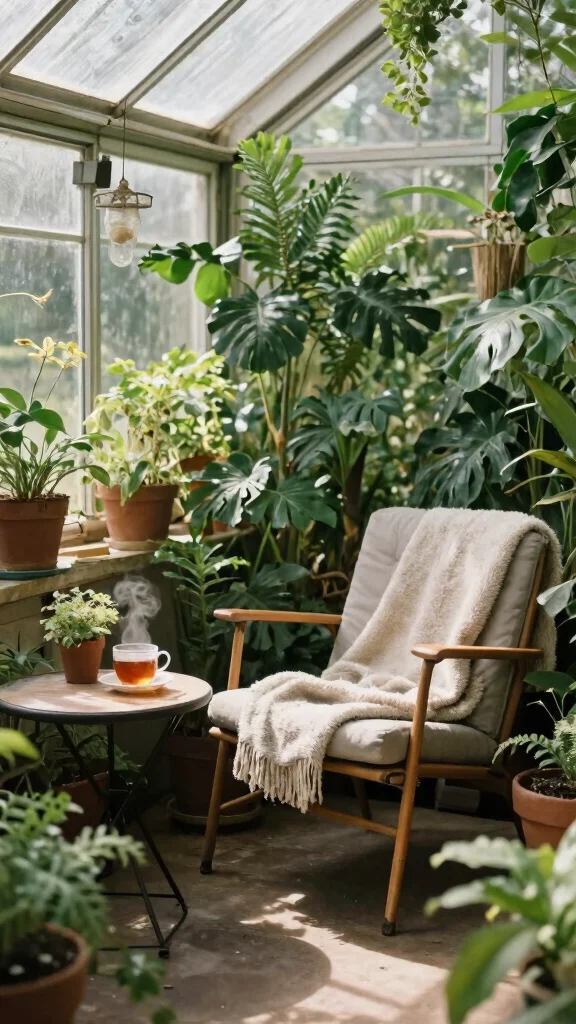
Design a cozy corner in your greenhouse that invites relaxation and peace. This warm space, filled with lush plants, is perfect for curling up with a book or sipping your favorite tea. By adding a small table and a comfy chair surrounded by greenery, you cultivate a nurturing atmosphere for both yourself and your plants.
Choose weather-resistant furniture to withstand outdoor conditions and consider adding soft lighting for evening ambiance. Position this retreat near a window to ensure it receives ample sunlight, benefiting both you and your plants.
Enhance your cozy corner with these ideas:
– Incorporate a comfortable armchair with soft cushions.
– Use a small table for drinks or snacks.
– Surround yourself with lush potted plants and climbing vines for privacy.
This inviting space enhances your gardening routine while providing a serene escape amid nature.
Recommended Products

🌑[Plant Growth Support]:Garden plant trellis are committed to helping your indoor for potted plants and adds to the natural beauty. As plants grow, the houseplant trellis takes the form of a ladder to help your plant climbing and growing.
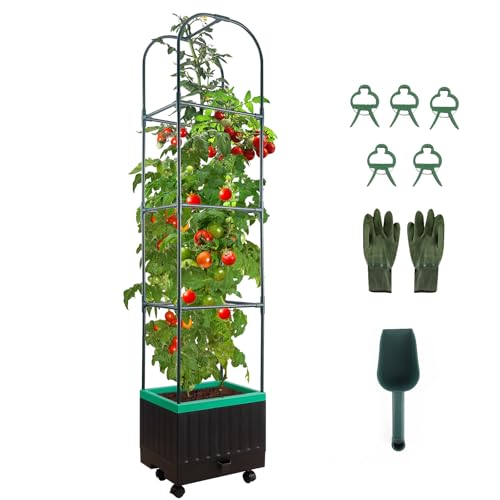
Strong and sturdy tower design: This raised garden bed features a 15.9x12x13-inch planter and a 58.2-inch trellis with a sturdy 4-corner tower design. It’s perfect for climbing plants like tomatoes, cucumbers, and roses, offering plenty of space and support. Great for indoor or outdoor use, it adds both function and style to your home or garden

【Rust-Resistant Material】: Cucumber trellis is constructed with high-quality galvanized steel inner pipes and an exterior plastic coating, forming a dual-layer rust-proof barrier to ensure long-lasting durability
3. Efficient Pathways
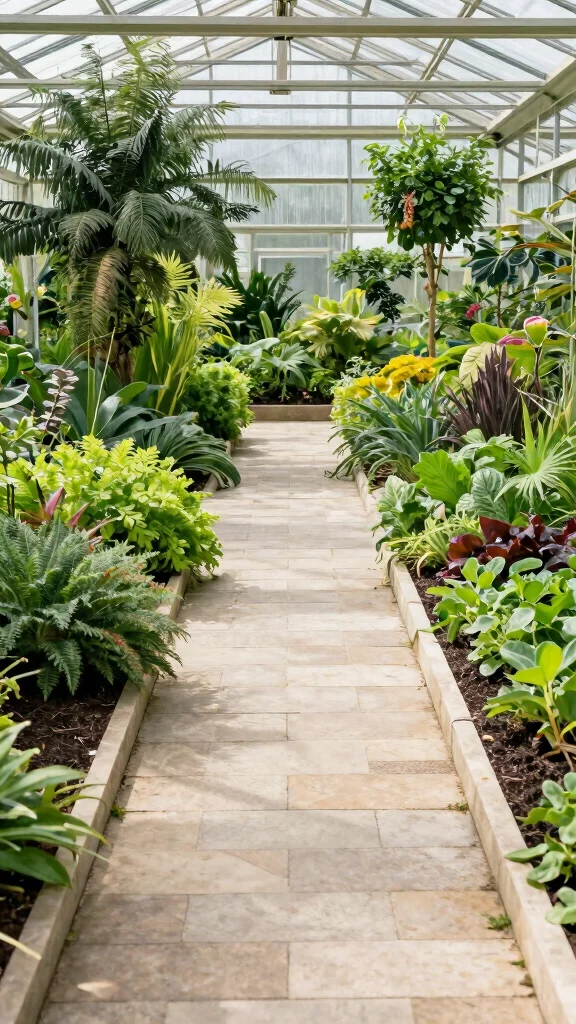
Creating efficient pathways in your greenhouse is essential for easy navigation and accessibility. Thoughtfully designed paths allow you to reach your plants with ease, ensuring a smooth gardening experience. Use materials like gravel, stones, or wooden planks to define routes that connect different plant sections, enhancing both function and beauty.
Make sure pathways are wide enough for comfortable access, ideally at least two feet. Consider adding raised beds alongside for convenience, ensuring your greenhouse remains organized and visually appealing.
Implement these pathway strategies:
– Ensure paths are at least 2 feet wide for easy movement.
– Incorporate raised beds beside paths for easy access.
– Use complementary materials that suit your greenhouse design.
Efficient pathways not only improve functionality but also elevate the overall aesthetic of your greenhouse.
Recommended Products

[Deep Vertical Garden Planter Pockets] – Built with Felt Fabric material, the 6 spacious, strong pockets each measure 7" L x 5" W x 8" H. The strong, liquid-absorbing fabric combined with the heavy-duty grommets make each pocket formidable and supportive for soil, water, plants, fruits, vegetables and more. Comes with 1 hanging planter. The full grow bag measures 8.5" L x 5.5" W x 54" H and acts as a living wall.

PACKAGE: 8 pack 13 inch dark green vertical planter with screw for wall mount and S hook for rail hanging. Choose the right size for your plant to prevent unpleasant experiences and potential wastage of resources. Flowers and plants are not included.
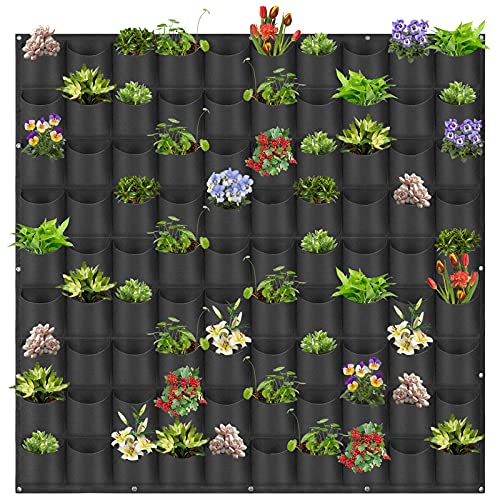
【High-quality Material】This plant bag is made of felt cloth. Holds moisture good and allows drainage, environmentally friendly, non-toxic, biodegradable, UV resistant, antiseptic. Reusable, portable, economical and practical. Life period can reach 5 years.
4. Multi-functional Furniture
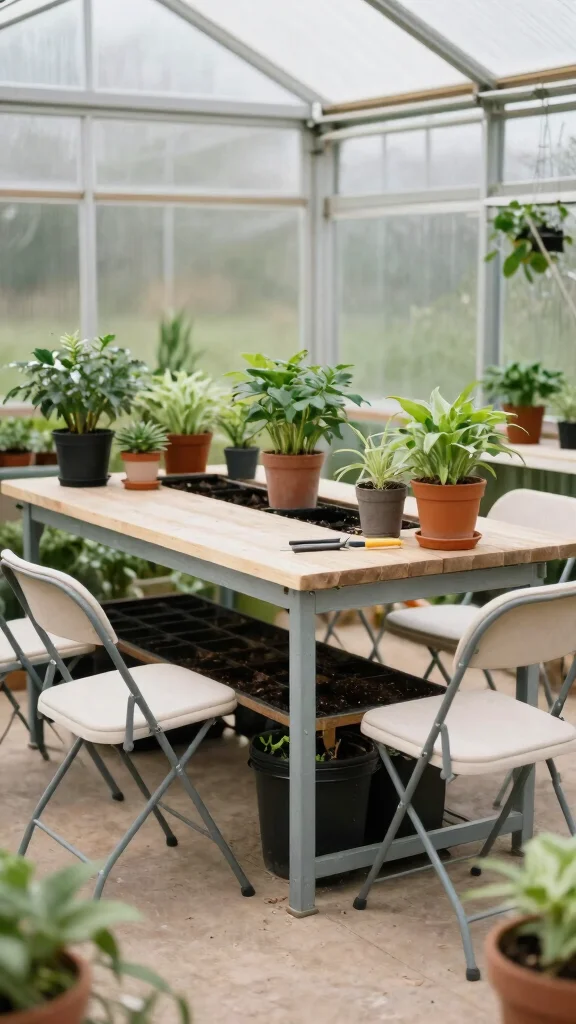
Incorporating multi-functional furniture into your greenhouse can significantly enhance organization and save space. Look for pieces that serve dual purposes, such as benches with storage or foldable tables that can be stowed away when not in use. This flexibility helps maintain an uncluttered environment while providing essential support for your gardening activities.
Consider investing in budget-friendly options like DIY projects or second-hand finds to create unique pieces that fit your style. By maximizing functionality, you also contribute to a more efficient gardening routine.
Here are some ideas for multi-functional furniture:
– Utilize a potting bench with storage compartments.
– Opt for folding chairs for easy seating.
– Choose planter boxes that double as tables.
By integrating multi-functional furniture, you can optimize your greenhouse space, making it both practical and inviting.
Recommended Products

Large Capacity Design: 6-tier design holds at least 7 plants, saving vertical space. This tiered plant stand allows flexible arrangement by height and light needs. From succulents to medium plants, this plant stand creates colorful corners in small spaces.

Spacious & Sturdy: This 4 tier plant stand (27.2’’L×19.3’’W×42.9’’H, 14.3’’ per tier) offers ample storage. Each tier holds 3 pots & bears 24 lbs, ideal as plant shelf indoor, plant stand outdoor or outdoor plant stand for stable plant organization

>10 Pots Large Plant Table: The wooden plant shelf includes 10 shelves, which can hold 11-25 pots of regular size. it can hold a high plant pot plant; Bearing up to 150 pounds, it is recommended to place a heavier flower pot below and a lighter flower pot on the upper layer.
5. Layered Plant Arrangement
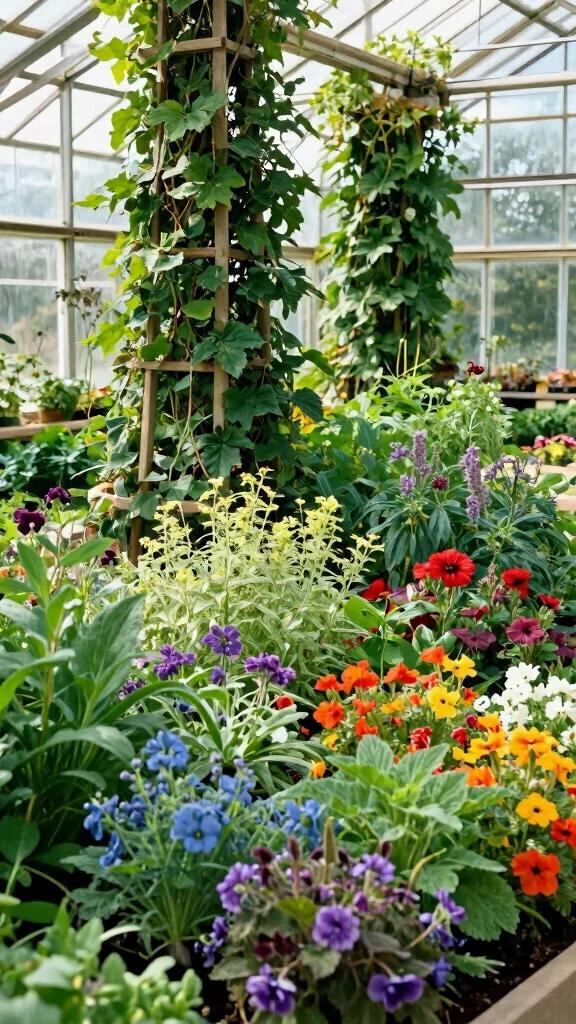
Maximize your greenhouse’s potential with layered plant arrangements that create both beauty and functionality. By placing taller plants at the back and shorter ones in front, you ensure that every plant receives adequate sunlight while maintaining an attractive display. This method also simplifies plant care, making it easier to access each variety.
Consider grouping plants with similar watering and light needs for greater efficiency. This approach not only enhances visibility but also fosters healthy growth among your plants, contributing to a thriving greenhouse environment.
Implement these arranging tips:
– Use trellises for climbing plants at the back.
– Position herbs or smaller plants in front for color.
– Group plants by watering and light needs for efficiency.
This layout not only boosts aesthetic appeal but also promotes healthy plant development, ensuring your greenhouse flourishes.
Recommended Products

【STURDY SUPPORT】- Qaobo raised garden beds can provide strong support for the plants or vegetables in your garden, which will help those plants grow strongly and healthily, reduce the situation that the branches break due to heavy weight. Tomato cages create a sturdy support and enough growing space for vine plants and vegetables without destroying wall or ground.

[Multipurpose]: Perfect backdrop for birthday parties, bridal parties, graduation season parties, anniversary celebrations and Christmas decorations.

Unique Design: Our potted plant trellis for climbing plants designed specifically to be superimposed, and easy to adjust as the plants grow; The mini garden trellis give your climbing plants the support they need to grow their best
6. Container Gardening Galore
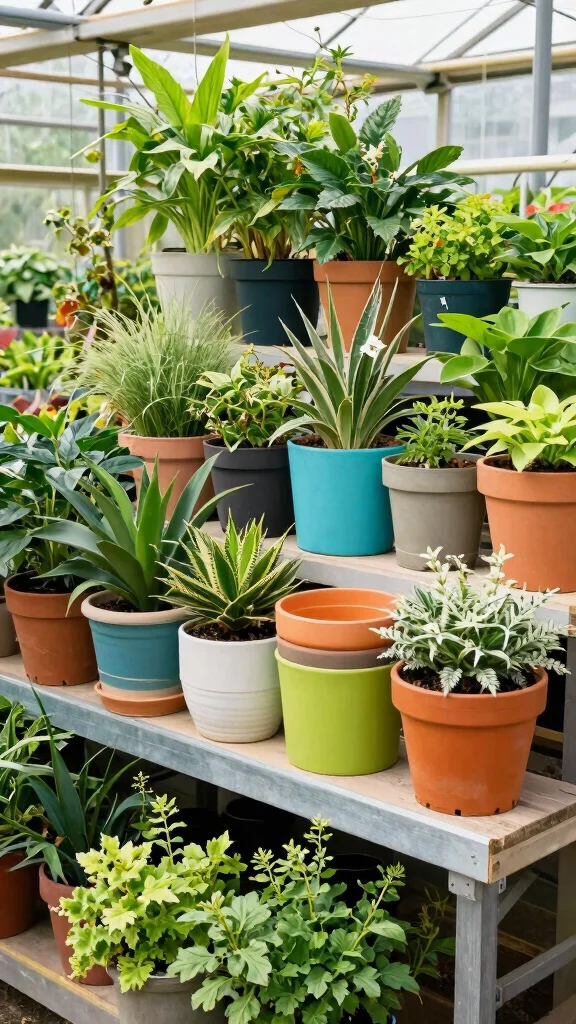
Container gardening is a fantastic way to enhance flexibility in your small greenhouse, allowing you to mix and match plants based on your preferences. With a variety of containers—from pots to crates—you can easily rearrange your plants to maximize sunlight or adapt to seasonal changes. This design also adds a playful touch to your gardening space.
Select lightweight pots for easy movement and consider incorporating colorful containers to bring personality to your greenhouse. Remember to ensure proper drainage for healthy plants.
Explore these container gardening tips:
– Choose lightweight pots for easy handling.
– Use colorful containers to brighten your space.
– Ensure drainage in all containers for plant health.
Container gardening not only optimizes space but also creates a vibrant and dynamic greenhouse layout.
Recommended Products

Grow Longer: Extend your growing season by shielding plants from cold, rain, and snow. Suitable for a variety of fruits, vegetables, and flowers, this garden greenhouse creates a consistent setting for healthy plant development in any season.
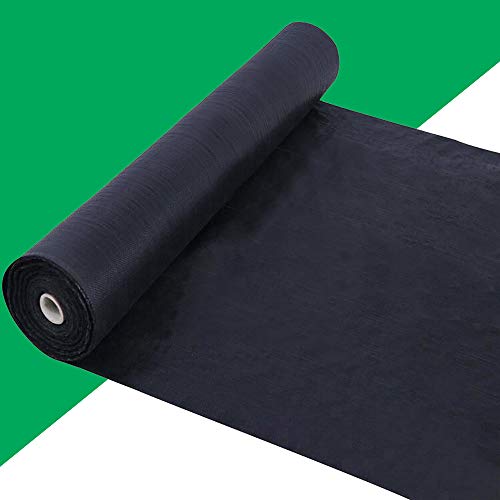
[PREMIUM 5OZ PRO WEED BARRIER FABRIC] – Made of heavy duty professional grade 5oz/sq.yd (142gsm) high density woven Polypropylene, the weed barrier landscape fabric is durable and permeable, which allows air and water to pass through to keep the soil nourished, will highly increase your productivity and efficiency!
Dimensions & Size Guide
Standard Sizes & Measurements:
When planning your greenhouse layout, understanding standard sizes is crucial for effective space management. Common sizes for small greenhouses typically range from 6 feet by 8 feet to 10 feet by 12 feet. These dimensions are perfect for fitting in limited spaces while still providing ample room for plant growth. If you opt for vertical gardening, a height of 6 to 8 feet is ideal to allow for different plant tiers.
For proper fit, ensure you consider at least 3 feet of walking space between rows or shelves. This space allows easy access for maintenance and harvesting. Remember that ventilation is key; you need at least 1 square foot of vent space for every 100 square feet of greenhouse area to maintain healthy air circulation.
Quick Reference Table:
Size/Dimension – Best for: [use case], Minimum space needed: [measurement]
– 6′ x 8′ – Best for: Beginner gardeners, Minimum space needed: 48 square feet
– 10′ x 12′ – Best for: Hobby gardeners with a variety of plants, Minimum space needed: 120 square feet
– 8′ x 10′ – Best for: Vertical gardening setups, Minimum space needed: 80 square feet
– 10′ x 20′ – Best for: Commercial use or larger plant variety, Minimum space needed: 200 square feet
Space Planning Tips:
1. Measure Twice: Before purchasing a greenhouse, measure your available space carefully. This ensures that you choose the right size without any surprises! You may misjudge the area, leading to purchasing a unit that won’t fit.
2. Consider Orientation: Position your greenhouse for maximum sunlight exposure. Ideally, place it where it can receive sunlight for most of the day. A south-facing location is usually best.
3. Account for Shelving and Equipment: If you plan to install shelves or use machinery, factor in the additional space needed for these items. Each unit or shelf can take up valuable room if not planned correctly.
4. Plan for Accessibility: Ensure that your greenhouse design includes pathways that allow easy movement. A common mistake is to overlook the need for space to walk around and tend to plants.
5. Think Long-term: Consider future needs. If you plan to expand your gardening efforts, choose a slightly larger size now. Adjusting your layout later can be tricky and may require more investment.
Pro Tip:
The most important measurement to consider is the width of your pathways. Always allow a minimum of 3 feet of space between rows or shelving. This facilitates easy access and keeps your gardening experience enjoyable and stress-free! 🚀
Recommended Products
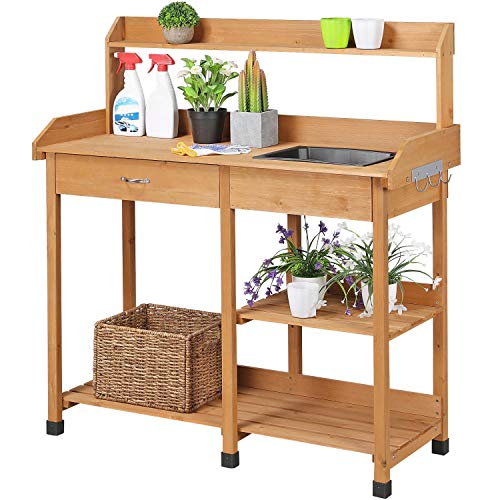
Made of Natural Fir: This solid fir wood potting bench features high strength and dimensional stability. Natural wood features visible grain and knots, making each tabletop unique. In moist locations, applying a coat of waterproof paint can prolong its service life

Ample Storage & Organization:This garden potting bench offers three tiers for placing potted plants and gardening tools. Hooks on each tier can easily hang gloves, scissors, and other tools.It also features a spacious work surface (suitable for flower pots and fertilizers) and a lower layer for storing flower pots and storage baskets. One rack meets most of your gardening needs.

Sturdy & Weather-Resistant: Built from premium solid wood with a water-based coating, this potting bench is durable and designed to withstand outdoor elements.
7. Hydroponic Heaven
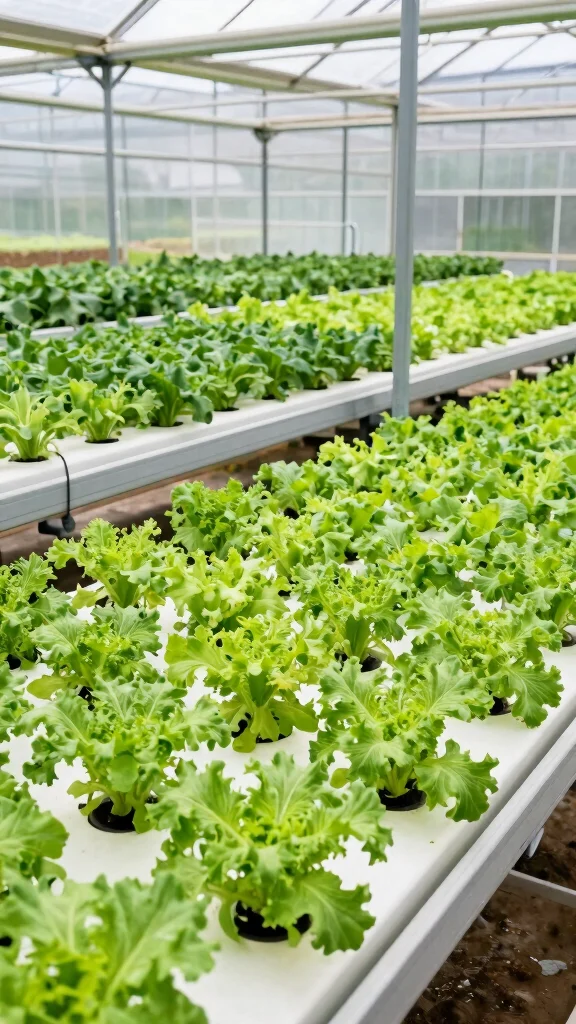
Dive into hydroponics to revolutionize your small greenhouse gardening. This innovative soilless method allows you to cultivate plants in water, optimizing space and resources while promoting faster growth. Hydroponics is an excellent choice for maximizing yields in tight areas, offering healthier plants and efficient use of your greenhouse.
Consider establishing a hydroponic system tailored to your needs, whether it be a vertical setup or a simple table arrangement. This approach not only aligns with modern gardening trends but also enhances the satisfaction of growing your own food.
Discover these hydroponic benefits:
– Enjoy water efficiency with less fertilizer needed.
– Experience faster growth rates than traditional gardening.
– Reduce pest issues due to limited soil contact.
Hydroponics transforms your greenhouse into a productive space, enhancing your gardening experience.
You might also like
8. Sunlight Maximization
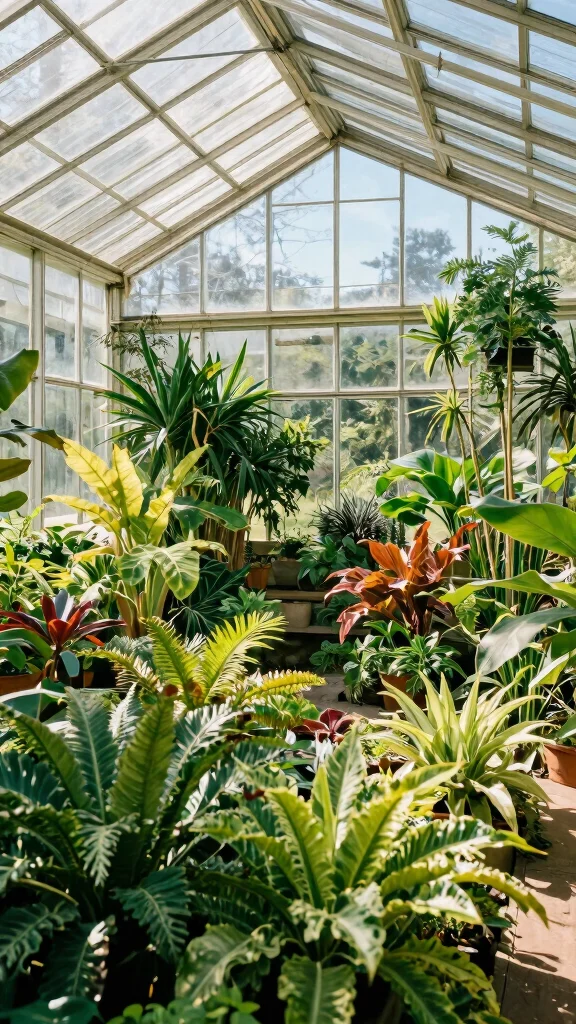
Maximizing sunlight in your greenhouse is vital for plant health and growth. By strategically positioning your greenhouse to capture the most sunlight, you ensure that your plants thrive throughout the day. South-facing greenhouses are particularly effective at harnessing light, making them a popular choice for gardeners.
Utilize transparent materials for your greenhouse cover to maximize light exposure. Additionally, consider the surrounding environment to avoid shadows from trees or buildings that may hinder sunlight access.
Follow these tips for maximizing sunlight:
– Use transparent materials for your greenhouse.
– Assess the height of surrounding trees for light access.
– Add light-reflecting surfaces to enhance distribution.
Prioritizing sunlight in your layout creates a vibrant environment, ensuring your plants flourish.
9. Indoor-Outdoor Connection
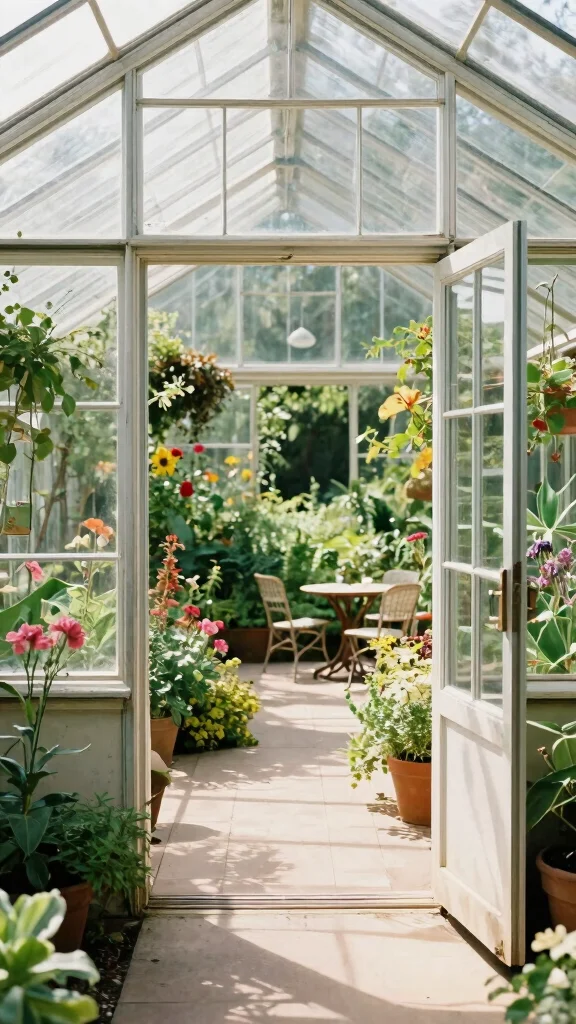
Creating a seamless connection between your indoor and outdoor spaces can enrich your gardening experience. By designing your greenhouse with large doors or windows that open to your garden or patio, you encourage fresh air and a harmonious flow between areas. This connection fosters a greater appreciation for nature and enhances both your space and mindset.
Consider installing folding or sliding doors for easy access and creating adjacent patios for relaxation or social gatherings. Incorporating windows that can be opened for ventilation further enhances this connection.
Explore these ideas for indoor-outdoor integration:
– Install sliding doors for effortless access.
– Create patios next to the greenhouse for leisure.
– Include ventilated windows to promote airflow.
The indoor-outdoor connection enriches your gardening journey, making every moment spent in your greenhouse more enjoyable.
Did you know a thoughtful greenhouse layout with large doors can boost airflow by up to 40%? Embrace the indoor-outdoor connection to make your space breathe, inviting herbs and relaxation together in one harmonious, practical flow.
10. Eco-Friendly Elements
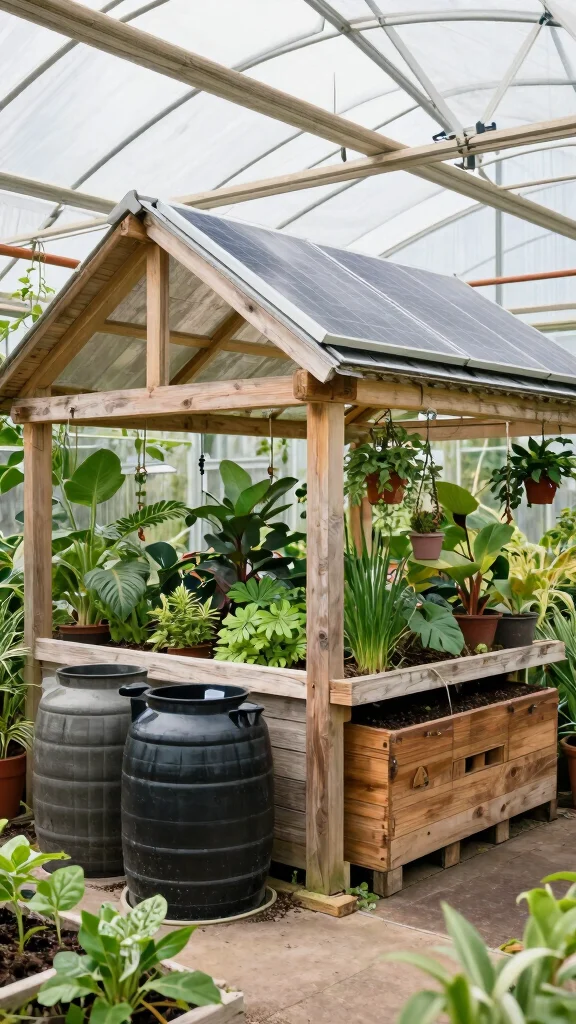
Incorporating eco-friendly elements into your greenhouse layout not only benefits the environment but also enhances your gardening practices. Utilize recycled materials for construction, install rainwater collection systems, or add solar panels to power your greenhouse sustainably. These choices reflect a commitment to environmentally friendly gardening.
Consider using reclaimed wood for shelving and benches or implementing a composting system for natural fertilization. By making eco-conscious decisions, you can create a greener space that resonates with your values.
Here are some eco-friendly tips to consider:
– Use reclaimed wood for structures.
– Install rain barrels for irrigation.
– Implement a composting system for nutrition.
By embracing eco-friendly practices, your greenhouse becomes a sanctuary for both plants and the planet.
11. Herb Spiral Design
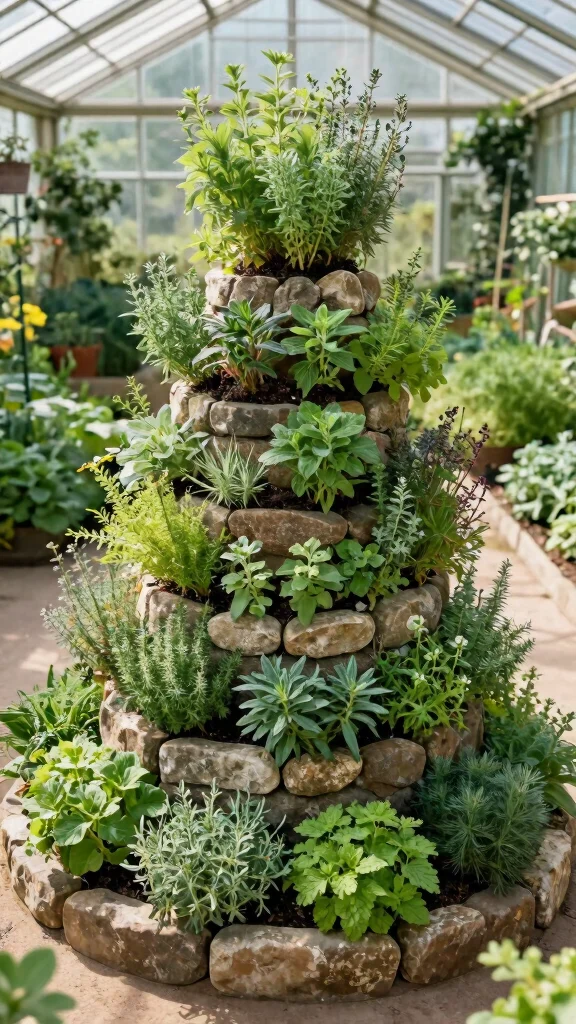
An herb spiral offers a unique and effective way to grow a variety of herbs within a compact space. This design features a spiraled raised bed that creates diverse microclimates, allowing for different herbs requiring varied light and moisture levels to flourish together. It’s both functional and serves as an eye-catching focal point in your greenhouse.
To build your herb spiral, use stones or bricks for the structure and plant herbs according to their moisture needs. Enhance the spiral with creative landscaping around it to further elevate its visual appeal.
Consider these building tips:
– Use stones or bricks for the spiral.
– Plant herbs based on moisture requirements.
– Enhance with landscaping for added beauty.
The herb spiral maximizes space and variety, providing an attractive and productive solution for herb gardening.
12. Raised Bed Gardening
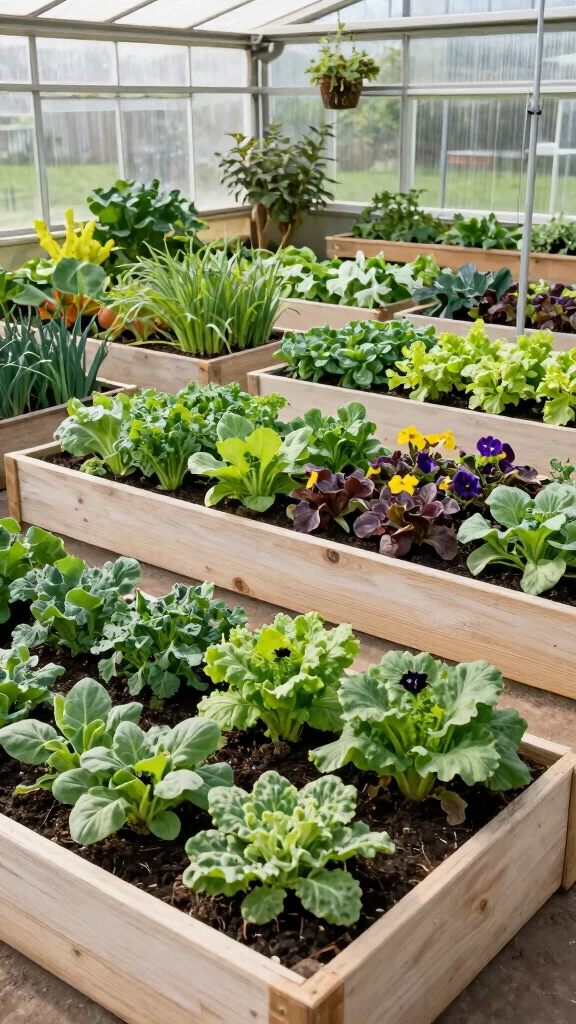
Utilizing raised beds in your greenhouse can simplify maintenance and enhance drainage. This design allows for better soil control and easier access, particularly beneficial for those with mobility concerns. Additionally, customizing the soil mix in raised beds caters to specific plant needs, promoting healthier growth.
Raised beds reduce soil compaction, allowing roots to develop without obstruction. They also create a visually appealing and organized space, making your greenhouse more inviting.
Explore the benefits of raised beds:
– Minimize soil compaction for root growth.
– Manage weeds more easily.
– Enhance the visual appeal of your greenhouse.
Incorporating raised beds elevates your gardening experience and keeps your greenhouse neat and manageable.
Raised beds take the guesswork out of soil and make watering a breeze—no more kneeling in muddy patches. In a greenhouse, neat, accessible beds boost drainage and mobility-friendly gardening, letting you tailor soil mixes for each crop. It’s a small-space layout that grows big results.
13. Seasonal Rotation Zones
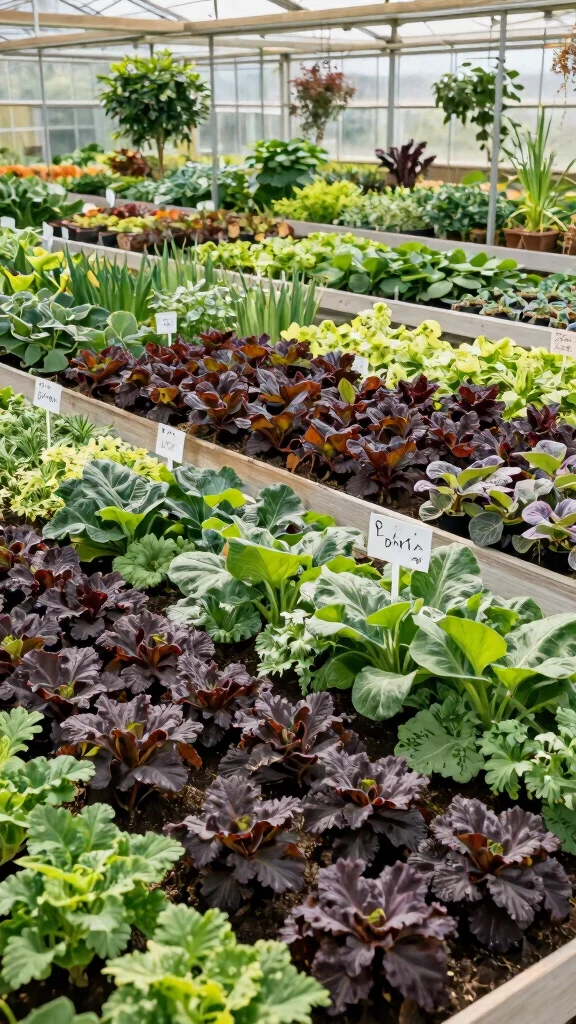
Establishing seasonal rotation zones in your greenhouse layout can significantly optimize plant growth and harvest cycles. By designating specific areas for different plant types, you can efficiently rotate crops throughout the seasons, ensuring year-round productivity. This strategic planning also aids in maintaining soil health and managing pests.
Use markers to designate different zones and plan your planting schedule to maximize space and yield. Rotating crops prevents soil depletion and pest buildup, fostering a sustainable gardening environment.
Implement these rotation strategies:
– Use markers to define seasonal areas.
– Plan a planting schedule for efficiency.
– Rotate crops to maintain soil health.
This layout supports continuous growth and sustainable practices, ensuring your greenhouse remains vibrant and productive.
14. Open Shelving for Visibility
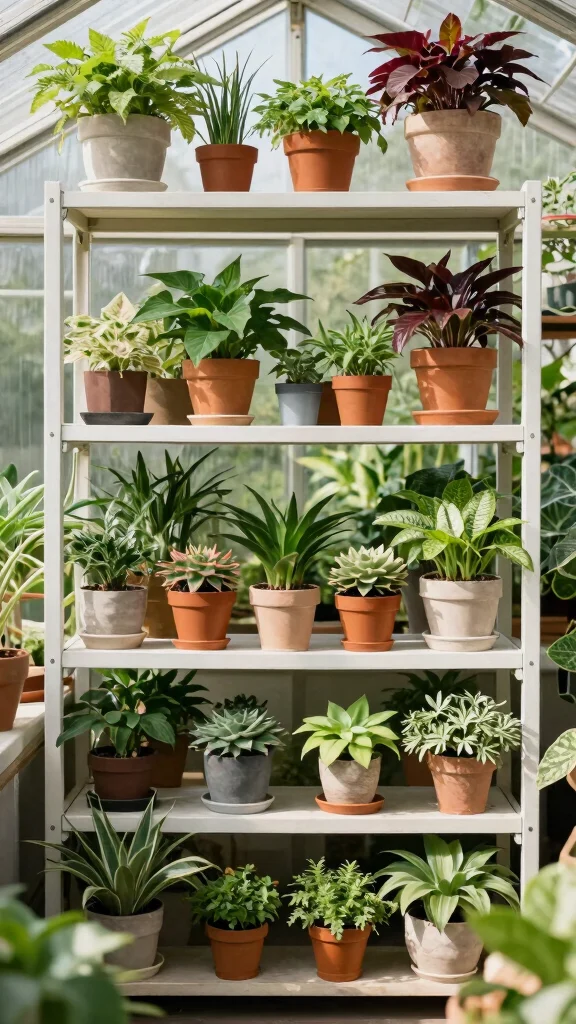
Open shelving provides a wonderful way to display your plants while keeping everything organized and easily visible. This layout allows you to see your collection at a glance, making management straightforward. Mixing pots of different sizes and types creates a visually appealing arrangement that showcases your gardening skills.
Adjustable shelves can accommodate plants of varying heights, and incorporating lighting can highlight your collection beautifully. Grouping plants with similar care needs together simplifies maintenance and enhances the overall aesthetic.
Consider these shelving ideas:
– Use adjustable shelves for flexibility.
– Incorporate lighting to accentuate plants.
– Group plants with similar care needs for ease.
Open shelving not only organizes your greenhouse but also creates an inviting focal point for plant enthusiasts.
15. Greenhouse Workshop Space
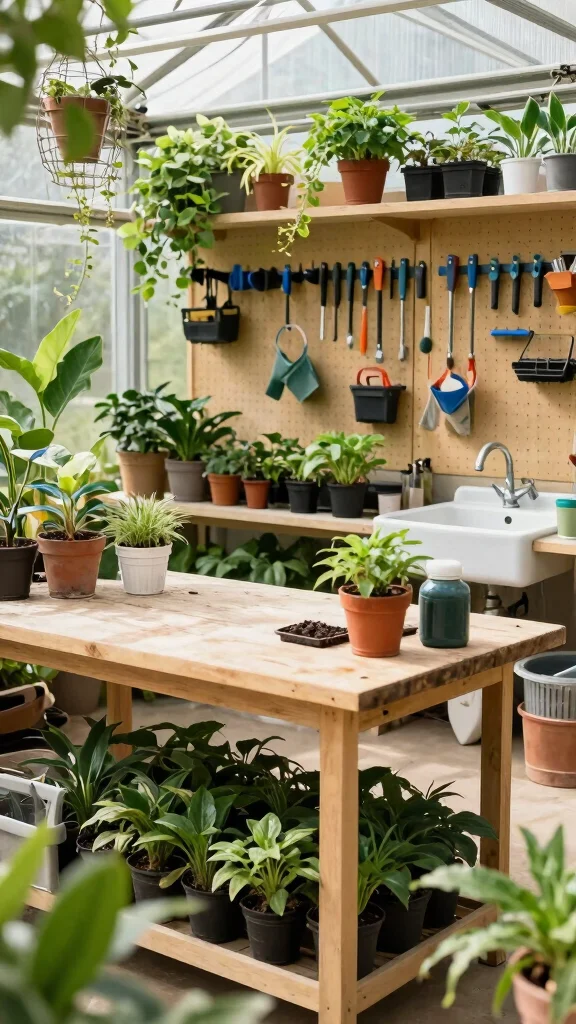
Incorporate a dedicated workshop space within your greenhouse for hands-on projects and maintenance tasks. This area can feature a potting station, tool racks, and room for DIY gardening initiatives. Having a specific workspace keeps you organized and enhances the joy of tending to your plants.
Organize tools with hooks or pegboards, ensuring good lighting for detail-oriented work. Adding a sink for easy cleanup post-planting elevates the functionality of your workspace.
Explore these workshop ideas:
– Keep tools organized with hooks or pegboards.
– Ensure ample lighting for detailed tasks.
– Add a sink for convenient cleanup.
Creating a workshop space boosts functionality while enriching your overall gardening experience.
Conclusion
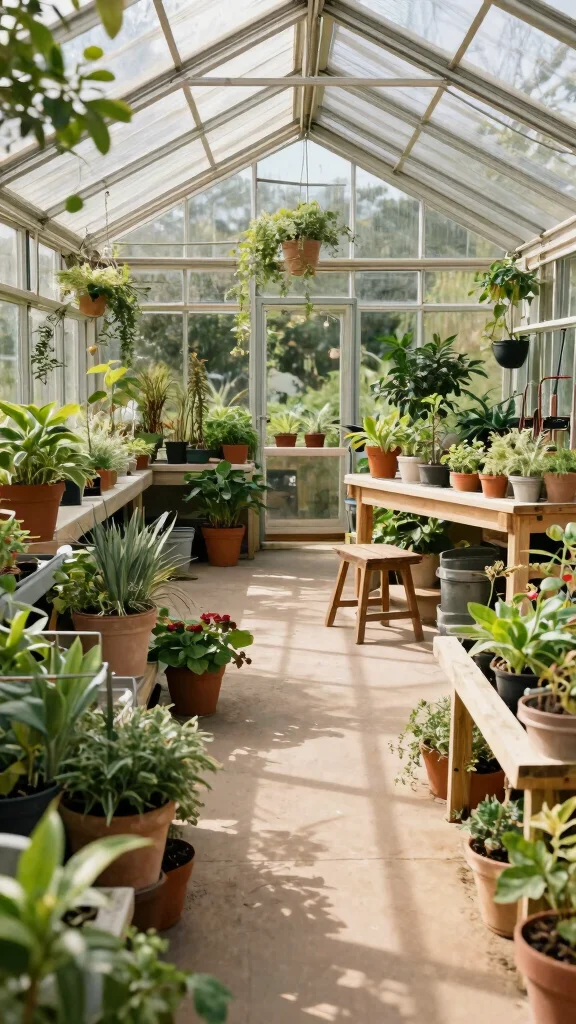
Adopting a thoughtful greenhouse layout can significantly impact your gardening experience, especially in small spaces. Each of these ideas not only maximizes efficiency but also enhances the beauty and functionality of your greenhouse. Whether you choose to incorporate vertical gardens, cozy corners, or eco-friendly elements, each design offers a unique way to nurture your plants and your passion for gardening. So, grab your tools and get ready to create your perfect greenhouse paradise!
Frequently Asked Questions
How do I choose the best greenhouse layout for a small space to maximize storage and growing area?
Start with a precise map of your space, noting door swing, sunlight hours, and drainage. For a small space, consider row benches, L- or U-shaped layouts, or an island bench to keep paths clear. Choose modular benches on casters so you can reconfigure as plants grow. Keep aisles 18–24 inches wide for easy access and air movement, a key part of space optimization and greenhouse design. Put sun-loving high-light plants toward the sunny side and use vertical options like shelves or wall-mounted planters to boost plant arrangement without shrinking floor space. Use durable, easy-clean materials and add movable shading or insulation if needed to maintain a stable microclimate.
What are smart plant arrangement ideas for a compact greenhouse?
Think in zones: group plants by light needs and humidity, and create microclimates with tiered shelves and staggered benches. Use vertical space to boost capacity and keep zones clearly labeled for easy plant arrangement and rotation. Position sun-loving crops toward the brightest spot and reserve a shaded corner for herbs. Use rolling carts and modular benches for flexible greenhouse layout adjustments and space optimization.
How can I improve light and airflow in a small greenhouse layout?
Plan for cross-ventilation by placing adjustable vents on opposite sides and adding a small fan to circulate air. Keep pathways clear and avoid crowding benches to prevent stagnant air. Use light-reflective surfaces and consider shade cloth to control intensity. Regularly prune and rotate plants to prevent crowding and heat buildup. This approach fits into smart greenhouse design and helps your greenhouse layout stay healthy.
What affordable tools or hacks help with space optimization in a greenhouse?
Affordable hacks include modular benches with casters, pegboard walls for tools, hooks and hanging baskets, and stackable seed trays to save floor space. Add a water catch barrel to minimize clutter and reuse rainwater for irrigation. Recycle pallets or metal shelving for a budget-friendly greenhouse layout that supports space optimization, sustainable gardening, and handy gardening tips.
How can I design a sustainable greenhouse layout for efficient gardening?
Prioritize sustainability with rainwater harvesting, composting kitchen scraps for the soil, and a drip irrigation system to minimize water waste. Use solar-powered or low-energy fans, insulation, and thermal mass with water barrels to stabilize temperatures. Mulch to reduce evaporation and choose durable, low-impact materials for a long-lasting greenhouse design. Plan crop rotation and succession planting to maximize yields in a compact greenhouse layout and embrace sustainable gardening.
Recommended Products

【Galvanized Metal Tabletop】Our garden potting table cover with galvanized metal sheet. It's convenient for you to take care of flower pots and green plants. Compare with wooden tabletop, the metal tabletop is more easy to clean and very suitable for plant care.

SOLID FIRWOOD CONSTRUCTION: This compact potting bench is made from durable, pre-sanded fir wood, and weather-sealed to resist wear while supporting up to 150 pounds

Fir Wood: Made of fir, this garden potting bench is solid, durable, and has a beautiful natural color tone. Although lightweight (compared with engineered plates), this high-density timber has excellent weight capacity, capable of holding up to 60 kg/ 132 lb on the top, and 20 kg/ 44 lb on each shelf
Related Topics
greenhouse layout
small space gardening
plant arrangement
space optimization
sustainable gardening
efficient planting
beginner friendly
DIY greenhouse
modern design
seasonal gardening
urban gardening
gardening tips
Leave a Reply