
Creating a veggie garden has never been more appealing, especially as we seek fresh, homegrown produce right in our backyards. With the growing interest in sustainable living and healthy eating, more people are craving the joy of nurturing plants and harvesting their own vegetables. Whether you’re a seasoned gardener or a newbie eager to dig in, this post was crafted for you. I want to inspire you with 18 creative veggie garden ideas that can fit any space, from spacious backyards to cozy balconies.
If you love the idea of growing your own food, you’re in the right place. Urban gardeners, container gardening enthusiasts, and anyone interested in vegetable garden design will find plenty of inspiration here. Each idea is practical and tailored to diverse gardening styles, ensuring there’s something for everyone. Whether you want to try vertical gardening systems or explore raised bed gardening, you’ll discover tips that make growing your produce easy and enjoyable.
In this guide, you’ll get actionable insights on how to maximize your gardening potential. From themed garden beds to DIY greenhouses, I’ve compiled a wealth of information that will help you create a thriving veggie paradise. Let’s roll up our sleeves and bring the garden to life!
Key Takeaways
– Discover 18 unique veggie garden ideas that cater to various spaces, including vertical and container options, perfect for urban gardening.
– Learn about raised bed gardening and how it can simplify planting and maintenance while enhancing your garden’s design.
– Explore sustainable gardening practices that help you grow healthy produce while being mindful of the environment.
– Get tips on themed garden beds, allowing you to create visually appealing spaces that also serve practical purposes.
– Find out how to adapt your gardening efforts for all seasons, from indoor vegetable gardening to winter-friendly options.
1. Vertical Garden Wall for Herbs

Are you dreaming of fresh herbs right at your fingertips? A vertical garden wall is your solution for a compact yet vibrant herb garden. Imagine snipping basil, mint, and cilantro whenever you need them, right from your kitchen or patio.
This setup not only saves space but also brings a refreshing green touch to your home. With herbs so close, you’ll find yourself cooking more often, enjoying the flavors and aromas they offer.
for your vertical herb garden:
– Choose a sunny spot, ideally where the plants can receive 6-8 hours of light.
– Select lightweight soil to avoid overloading your wall structure.
– Water regularly, ensuring proper drainage to keep herbs healthy and vibrant.
Creating a vertical garden wall is a delightful way to enhance your cooking and elevate your decor.
How To Choose the Right Vertical Veggie Garden System
When it comes to starting your own veggie garden, a vertical system can be a game-changer, especially if you have limited space. Here’s how to choose the right vertical veggie garden for your home.
1. Size Matters
Before you dive in, consider how much space you have available. Vertical gardens can range from small wall-mounted systems to larger freestanding units. Measure the area where you plan to install your garden. A good rule of thumb is to allocate at least 1 square foot per plant to ensure they have enough room to grow.
2. Material Choice
The materials used in vertical gardens can influence their durability and appearance. Common materials include wood, plastic, and metal. Wooden systems offer a natural look but may require more maintenance. On the other hand, plastic options are lightweight and often more durable against the elements. Choose the material that best fits your aesthetic and maintenance preferences.
3. Plant Accessibility
Consider how easy it will be to reach your plants. If you’re growing herbs or vegetables, you will want a design that allows for easy access to each plant. Look for systems with shelves or pockets that are within arm’s reach. This will make watering and harvesting much easier.
4. Watering System
Watering can be tricky with vertical gardens. Some systems come with built-in irrigation options, while others require manual watering. If you forget to water, consider a self-watering vertical garden to ensure your plants stay hydrated. Drip irrigation systems can also work wonders, saving you time and effort.
5. Compatibility with Plants
Not all plants thrive in vertical gardens. Choose a system that supports the growth of your desired veggies. Herbs like basil, parsley, and mint do well in smaller spaces, while larger plants like tomatoes may need a sturdier support structure. Research which plants work best in your chosen vertical garden to maximize your harvest.
6. Budget Consideration
Vertical veggie gardens come in various price ranges, so set a budget before you start shopping. Remember, you may need extra tools or soil, so factor those costs into your overall budget. Look for quality options that fit your financial plan without sacrificing durability.
Pro Tip: If you’re on a tight budget, consider DIY vertical garden options. You can repurpose old pallets, crates, or even plastic bottles to create a unique and cost-effective vertical garden system. This way, you can save money while showing off your creativity.
Choosing the right vertical veggie garden system involves considering size, materials, accessibility, watering options, plant compatibility, and budget. By taking these factors into account, you’ll create a flourishing and productive garden right at home!
2. Tiered Raised Beds

Looking to elevate your gardening experience? Tiered raised beds offer a stunning way to cultivate vegetables while enhancing your garden’s visual appeal. Imagine the beauty of cascading plants while benefiting from improved drainage and soil management.
Each tier allows you to plant different veggies or herbs, making gardening not only easier on your back but also aesthetically pleasing. This setup is perfect for both seasoned gardeners and those just starting out.
Advantages of tiered raised beds:
– Enhanced soil quality and drainage for healthier plants.
– Minimal bending required, perfect for all ages.
– Customizable design to fit your space and style.
Using reclaimed wood or stone adds a rustic charm, turning your garden into a work of art.
3. Container Gardening for Small Spaces
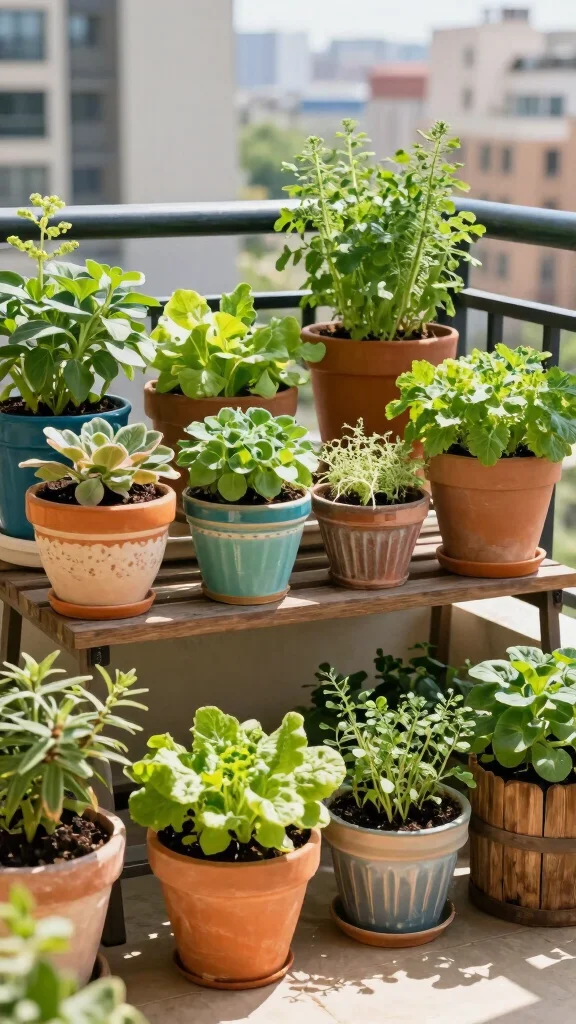
Do you have limited outdoor space but still want to grow your own veggies? Container gardening is the perfect answer! You can cultivate everything from potatoes to zucchini in pots, making it a flexible and creative way to garden.
Plus, with various pot options like ceramic and terracotta, you can customize your garden’s look while ensuring your plants get the best sunlight exposure.
Container gardening tips:
– Ensure proper drainage holes in your containers to prevent root rot.
– Use high-quality potting mix for better growth.
– Group pots together for a more cohesive garden look and to create a mini-garden effect.
This method not only maximizes your space but also adds a personal touch to your patio or balcony.
4. Themed Garden Beds

Want to make your garden a unique expression of your tastes? Themed garden beds allow you to create a personal touch by grouping plants based on color, type, or cuisine. Picture an Italian herb garden with basil, oregano, and rosemary, or a fresh salad bed filled with lettuce, cucumbers, and tomatoes.
This approach simplifies planning while boosting your garden’s visual appeal, sparking conversations with visitors.
How to create a themed garden:
– Decide on a theme that resonates with your personal style or cooking preferences.
– Arrange plants in an organized manner to highlight the theme.
– Use decorative elements like signs or trellises that complement your design.
A well-planned themed garden bed can inspire creativity in your kitchen and beautify your outdoor space.
Fun fact: Themed garden beds can slash planning time by up to 40%. Just pick a vibe—Italian herbs, a salad bed, or a colorful veggie patch—and group plants by color or cuisine to stay organized and spark conversations.
5. Hydroponic Gardening
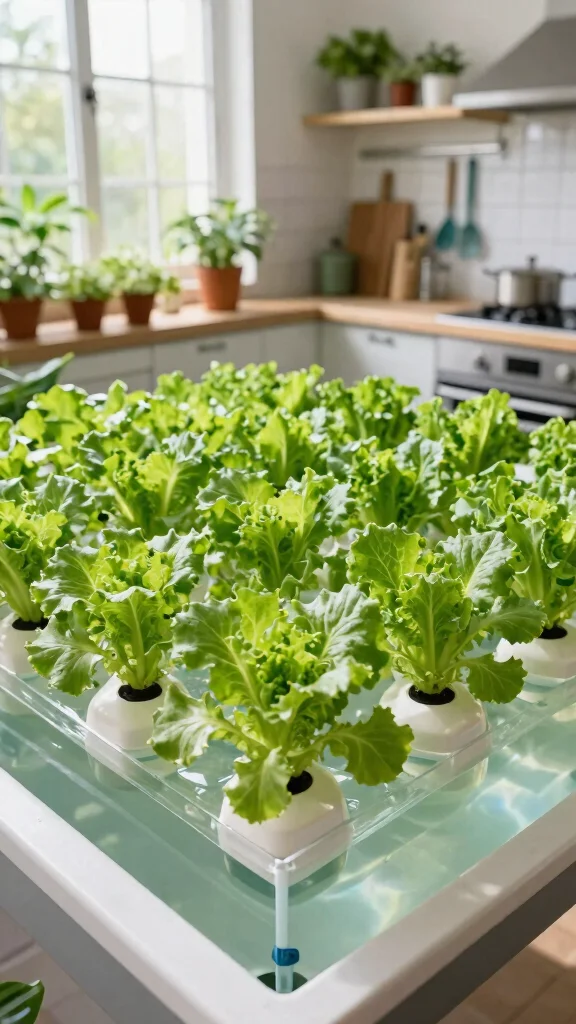
Are you curious about a new way to grow vegetables? Hydroponic gardening is an exciting method that uses nutrient-rich water instead of soil, allowing for faster growth and higher yields. This innovative approach is perfect for urban gardeners looking to maximize their space.
Not only does hydroponics conserve water, but it also minimizes pest problems, making it an eco-friendly choice.
Benefits of hydroponic gardening:
– Reduced space requirements; ideal for small areas.
– Faster growth rates compared to traditional gardening.
– Minimal use of pesticides and fertilizers.
Embrace hydroponics for a smarter, more efficient veggie garden that thrives indoors or outdoors.
6. Vertical Pallet Gardens
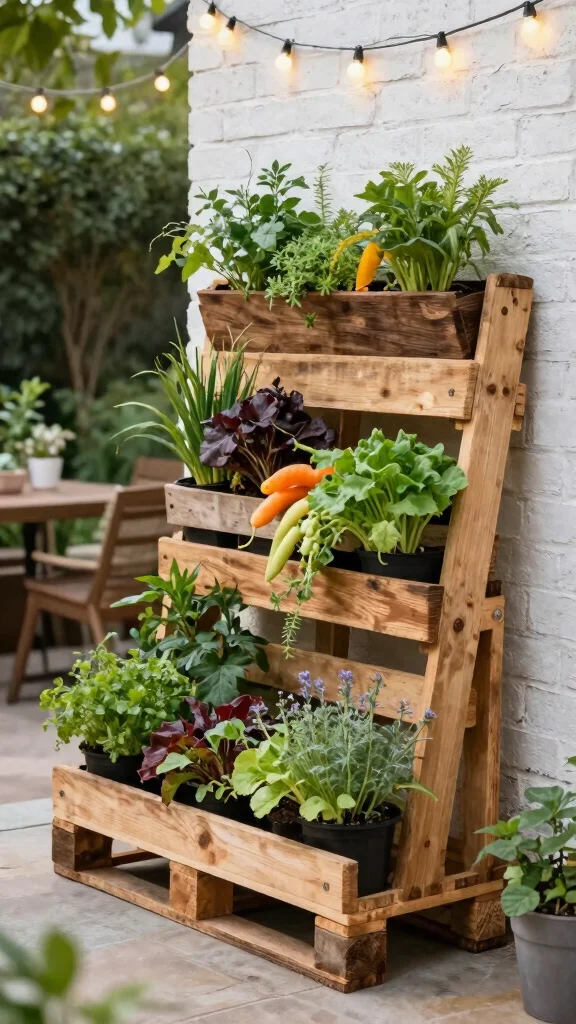
Have you ever thought about using pallets for gardening? Vertical pallet gardens are not only eco-friendly but also a stylish addition to any space. By upcycling wooden pallets, you can create unique vertical structures perfect for vegetables and herbs.
This idea is ideal for DIY enthusiasts wanting to add a creative flair to their indoor or outdoor gardens.
Steps to create a pallet garden:
– Choose a clean, untreated wooden pallet.
– Sand it down to avoid splinters.
– Fill the slats with soil and plant your chosen veggies or herbs.
A pallet garden is a chic way to utilize vertical space while enhancing the rustic charm of your home.
7. Edible Landscaping

Why not transform your yard into a blend of beauty and function? Edible landscaping combines ornamental plants with food-producing varieties, creating a lush and productive environment. Imagine fruit trees and berry bushes interspersed with colorful flowers throughout your landscape.
This creative approach allows your yard to flourish with vibrant colors while providing fresh produce.
for implementing edible landscaping:
– Layer plants for visual interest: tall plants in the back, medium in the middle, and low-growing ones in front.
– Choose attractive varieties that provide beauty year-round.
– Incorporate herbs and edible flowers for added flair.
An edible landscape not only enriches your property but also enhances your culinary delights.
8. DIY Greenhouse
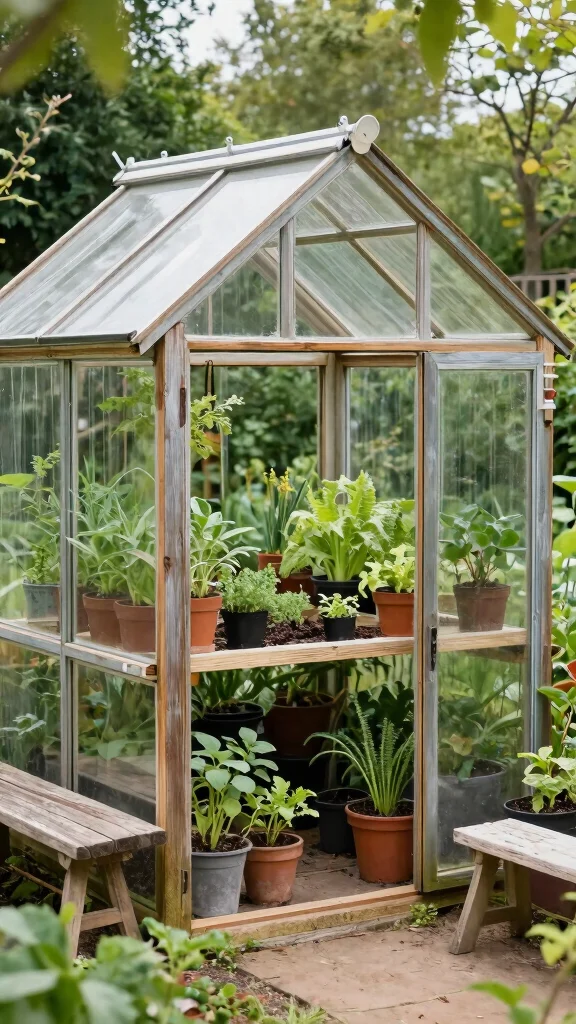
Ready to take your gardening to the next level? A DIY greenhouse allows you to grow veggies all year round, regardless of the weather! Whether you build one from reclaimed materials or purchase a simple kit, a greenhouse offers endless possibilities.
The controlled environment inside promotes faster growth and protects your plants from harsh conditions.
Considerations for building a greenhouse:
– Choose the right location with ample sunlight.
– Ensure proper ventilation to prevent overheating.
– Consider heating options for colder climates.
A greenhouse not only extends your growing season but also creates a cozy space for all your gardening activities.
You might also like


9. Companion Planting
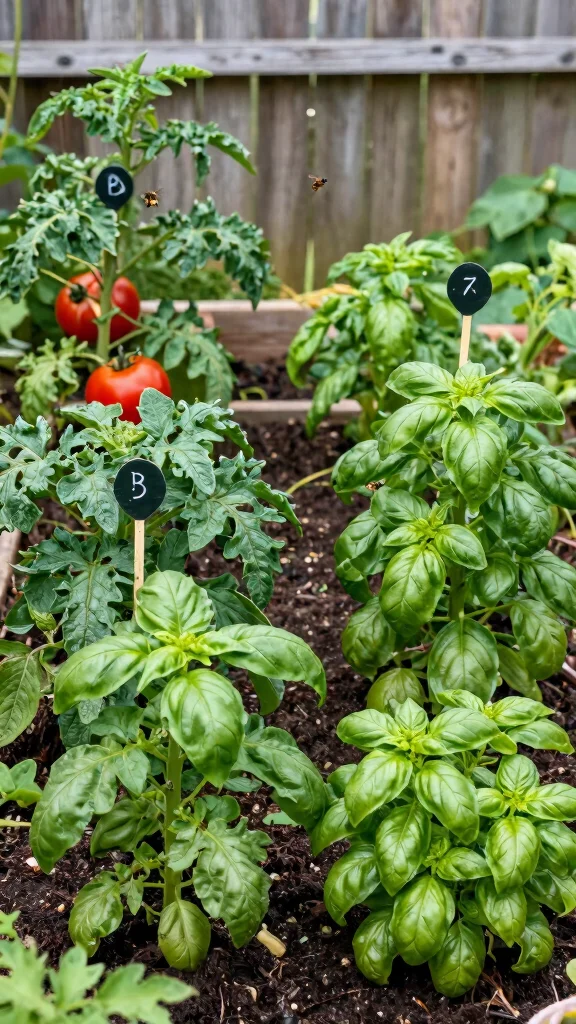
Have you heard about the benefits of companion planting? This age-old technique involves growing different plants together to benefit one another. Some combinations can boost growth, deter pests, and even enhance flavor.
For example, planting basil near tomatoes can promote healthy tomato growth while keeping insects away.
Benefits of companion planting:
– Natural pest control without chemicals.
– Maximized use of space by combining plants effectively.
– Improved soil health through root interactions.
This method fosters a thriving ecosystem in your garden, enhancing both your plants and your gardening expertise.
Did you know that companion planting can boost plant health by up to 25% and cut pest damage without chemicals? In veggie garden ideas, pairing herbs with tomatoes or beans can maximize space and flavor. Start small, observe, and let nature do the work.
10. Indoor Vegetable Gardening
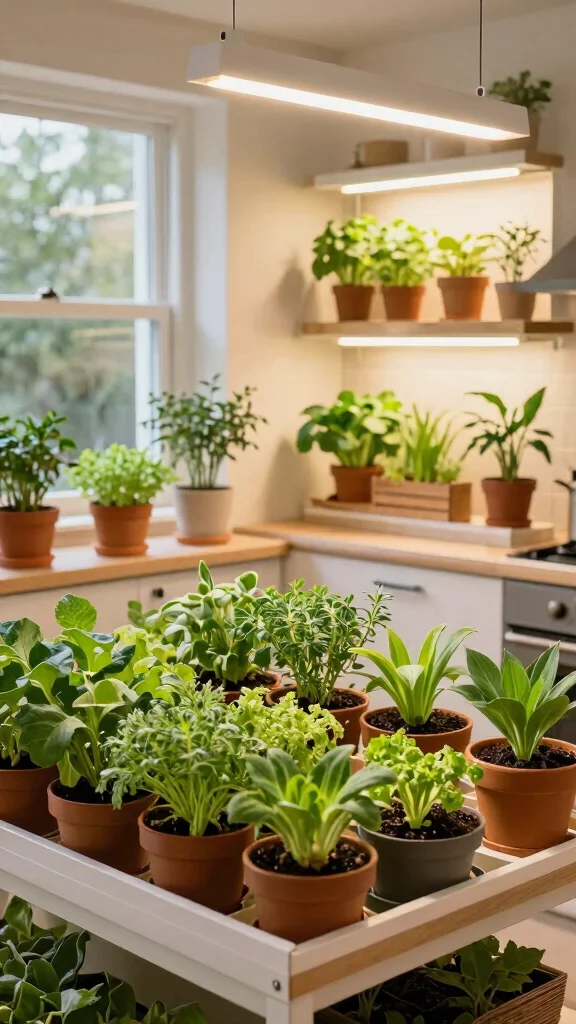
Who says you need a backyard to grow your own veggies? Indoor gardening makes it possible to cultivate fresh produce right in your home. With the right grow lights and small containers, you can grow leafy greens, herbs, and even dwarf vegetables year-round.
Not only does this method give you easy access to fresh ingredients, but it also beautifies your space and purifies indoor air.
Indoor gardening tips:
– Use quality grow lights to provide sufficient light for your plants.
– Keep plants close to windows whenever possible for natural light.
– Choose compact varieties suitable for indoor spaces.
Indoor veggie gardening is a rewarding way to connect with nature, even in a busy urban setting.
11. Colorful Salad Garden
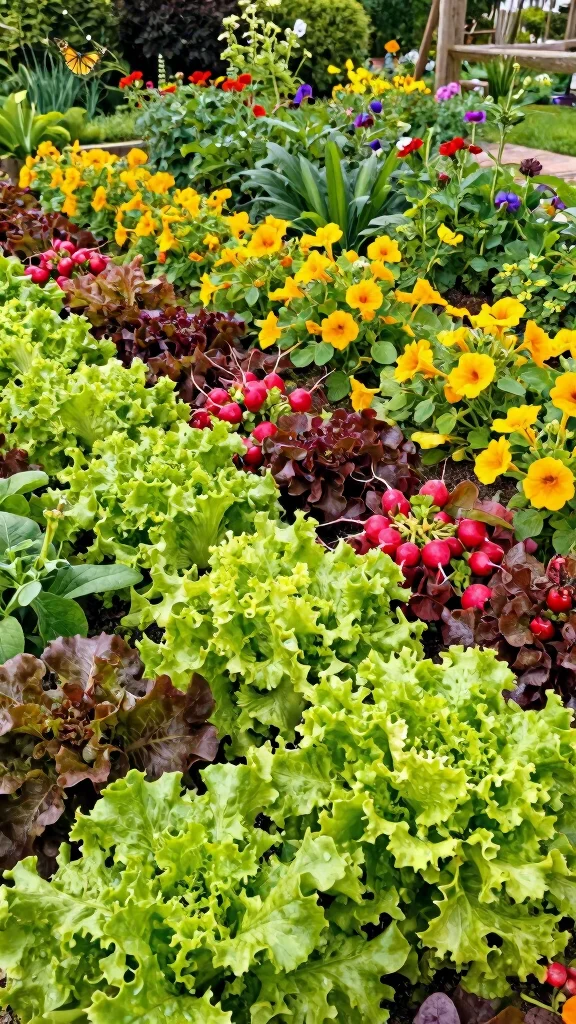
Excited to create a vibrant garden full of fresh salads? A colorful salad garden is not only eye-catching but also delicious! Plant a mix of lettuce, radishes, cucumbers, and even edible flowers like nasturtiums for a burst of color and flavor.
This garden can provide fresh salad ingredients all season long, making healthy eating a breeze.
Salad garden tips:
– Rotate crops each season for optimal soil health.
– Incorporate companion planting to fend off pests naturally.
– Harvest regularly to encourage growth and maintain freshness.
A colorful salad garden is a fantastic way to enjoy fresh produce while enhancing your yard’s beauty.
12. Vertical Gardening with Trellises

Are you looking for a way to grow climbing vegetables? Using trellises for vertical gardening is a brilliant solution! This method maximizes space and keeps plants off the ground, reducing the risk of pests and diseases.
Trellises can be made from wood, metal, or plastic, allowing you to customize them to match your garden’s style.
Trellis gardening tips:
– Choose sturdy materials that can withstand the weight of the plants.
– Position the trellis in a sunny spot for optimal growth.
– Regularly check for plant stress and adjust support as needed.
Incorporating trellises can add height and beauty to your garden while providing an abundance of homegrown veggies.
13. Community Gardening
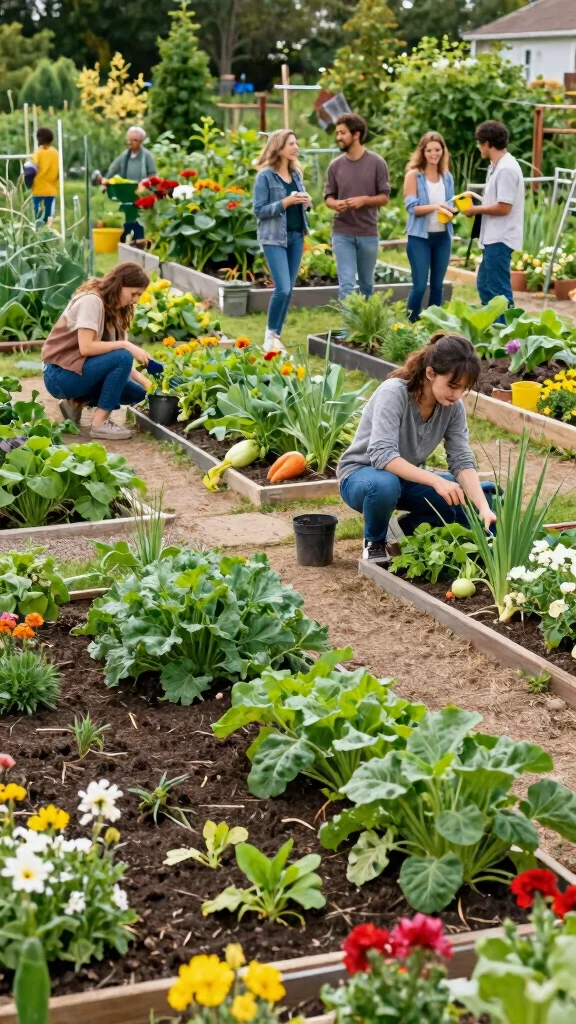
Want to connect with fellow gardening enthusiasts? Joining a community garden is a wonderful way to share resources and knowledge while growing your own produce. These gardens unite people from diverse backgrounds, enabling you to learn and cultivate a vibrant community atmosphere.
With access to shared tools, compost, and sometimes workshops, you can enjoy gardening in a larger space than you might have at home.
Benefits of community gardening:
– Shared knowledge and support from fellow gardeners.
– Access to larger growing areas and communal resources.
– Opportunity to meet like-minded individuals and foster connections.
Community gardens not only yield fresh produce but also build lasting friendships and a sense of belonging.
14. Green Roof Gardens

Ever thought about gardening on your roof? Green roofs are an innovative way to utilize urban space, creating a private oasis in the city. By growing vegetables and herbs on your roof, you can add insulation and reduce rainwater runoff, benefiting both the environment and your home.
Creating a green roof garden involves careful planning and design to ensure success.
Steps to create a green roof garden:
– Ensure structural capability to support the added weight.
– Use lightweight soil and drought-resistant plants.
– Integrate a drip irrigation system for efficient watering.
Green roof gardens can enhance your quality of life by providing fresh produce and a peaceful retreat from the urban hustle.
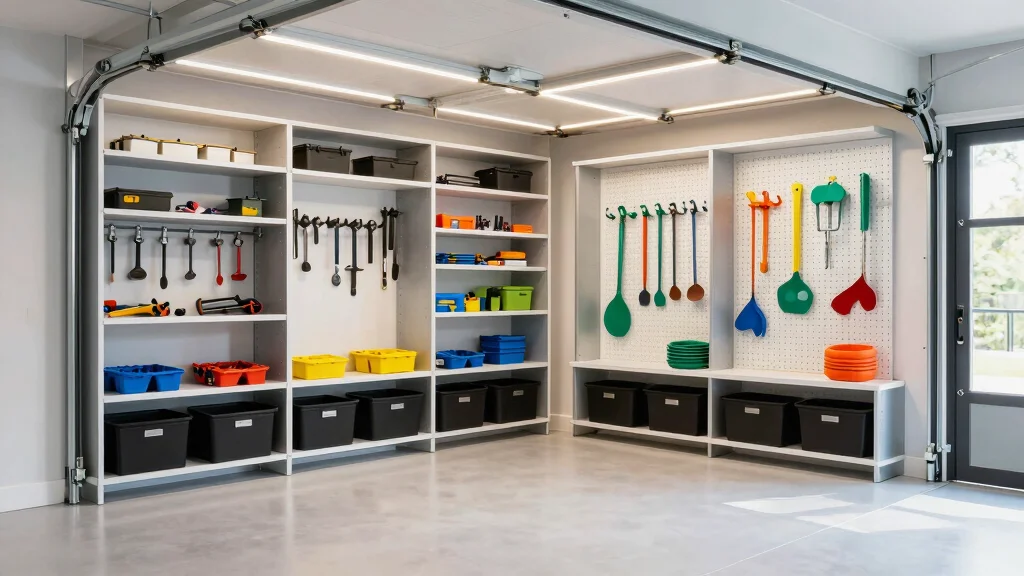
15. Seasonal Rotation Gardens
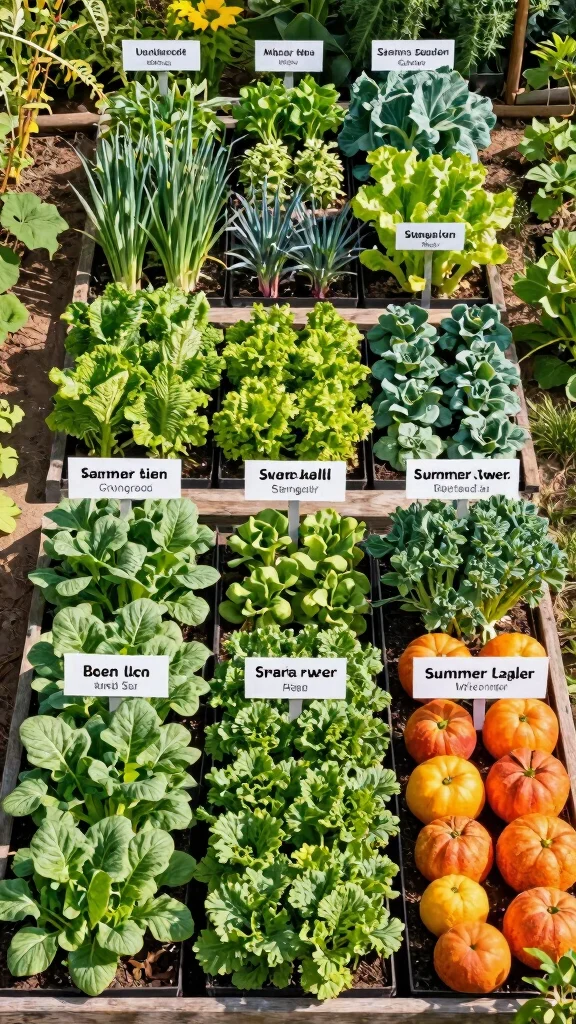
Want to keep your garden thriving year-round? Seasonal rotation gardening maximizes your yield by planting different crops depending on the season. This method helps maintain soil health and reduces pest issues by interrupting their life cycles.
By planning your garden around seasonal changes, you can enjoy a continuous supply of fresh produce.
To implement seasonal rotation:
– Keep a calendar for planting and harvesting dates.
– Plan crop varieties that thrive during specific seasons.
– Rotate crops to avoid depleting soil nutrients.
Seasonal rotation not only ensures bountiful harvests but also preserves soil fertility and minimizes plant diseases.
Seasonal rotation for veggie garden ideas can boost yields by up to 30% and cut pest issues by interrupting life cycles. Keep a planting calendar and rotate crops by season to keep soil healthy and your harvest steady year-round.
16. Sensory Gardens
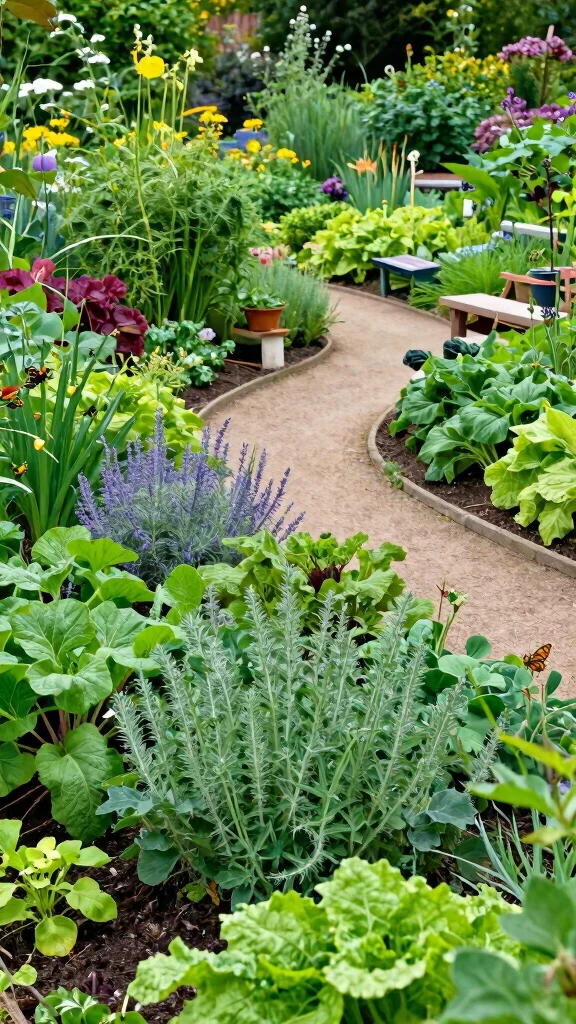
Have you ever wanted a garden that engages all your senses? Sensory gardens are designed to stimulate sight, sound, touch, taste, and smell, making them interactive and delightful. Incorporating fragrant herbs, vibrant vegetables, and unique textures creates an immersive experience.
This type of garden is especially beneficial for children and those with sensory processing needs, encouraging exploration of the natural world.
Creating a sensory garden includes:
– Selecting plants that appeal to sight, sound, touch, taste, and smell.
– Using pathways to invite exploration.
– Including seating areas for relaxation and contemplation.
A sensory garden serves as a joyful haven, promoting interaction with nature and enhancing well-being.
17. Educational Gardening
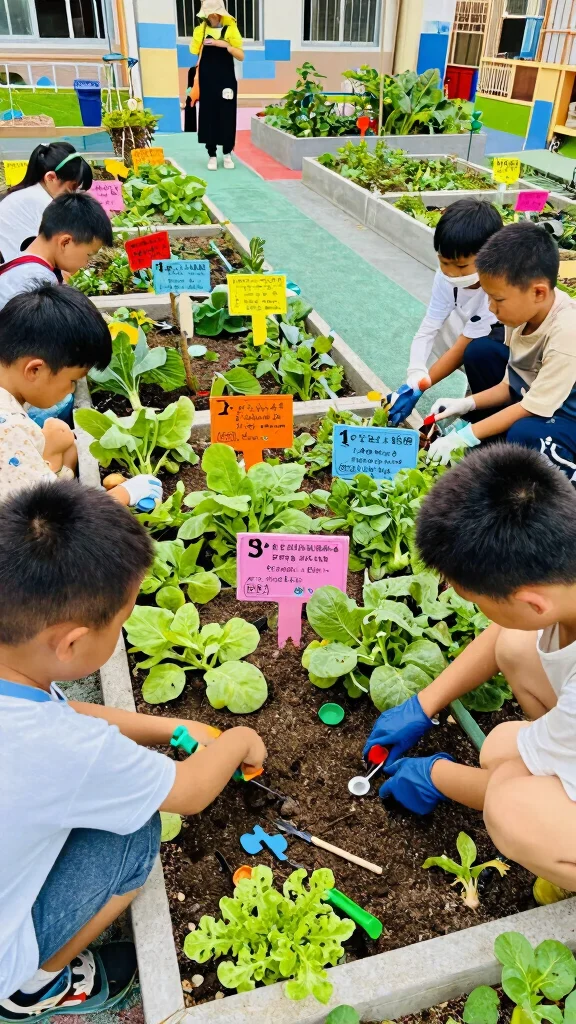
Want to inspire a love for gardening in others? Educational gardening is a fantastic way to engage both children and adults in nature and food systems. By creating a garden that serves as a teaching tool, you can instill knowledge about healthy eating and environmental responsibility.
Schools, community centers, and families can all benefit from hands-on gardening projects that foster learning and growth.
Set up an educational garden by:
– Including signage to label plants and explain their roles in ecosystems.
– Organizing workshops or garden days to learn about gardening techniques.
– Encouraging participation from local organizations and experts.
Educational gardens yield fresh produce while nurturing responsibility and a connection to the earth.
18. Winter Vegetable Gardening
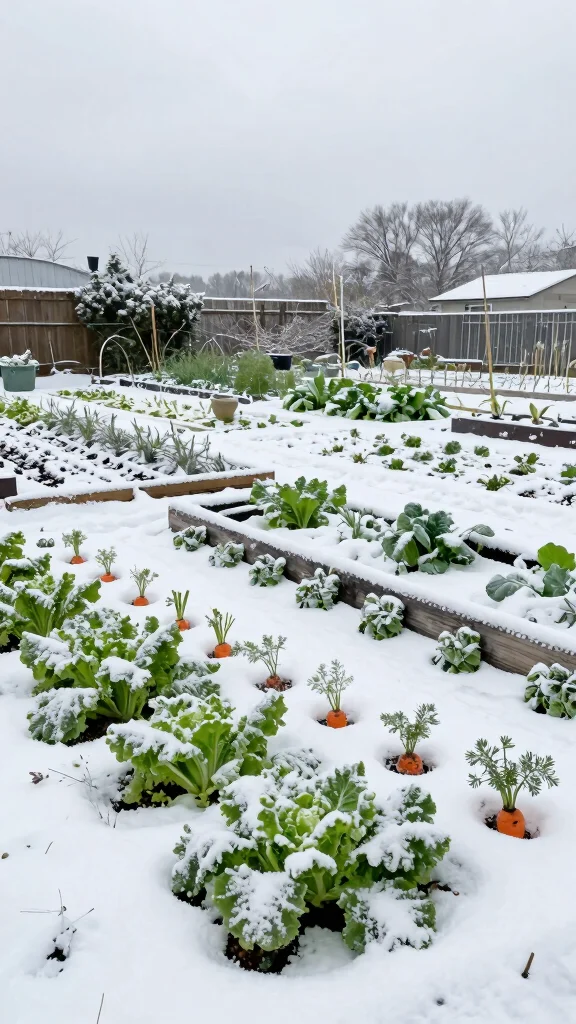
Don’t let the cold stop your gardening passion! Winter gardening allows you to grow hardy vegetables that thrive in frost, like kale, carrots, and Brussels sprouts. Using cold frames or greenhouses helps protect your plants and extends the growing season.
for successful winter gardening:
– Choose cold-hardy varieties that thrive in cooler temperatures.
– Use protective covers or cloches to shield plants from harsh weather.
– Regular maintenance, like mulching, can help retain heat and moisture.
Winter vegetable gardening keeps your passion alive all year, providing fresh produce even during the cold months.
Conclusion
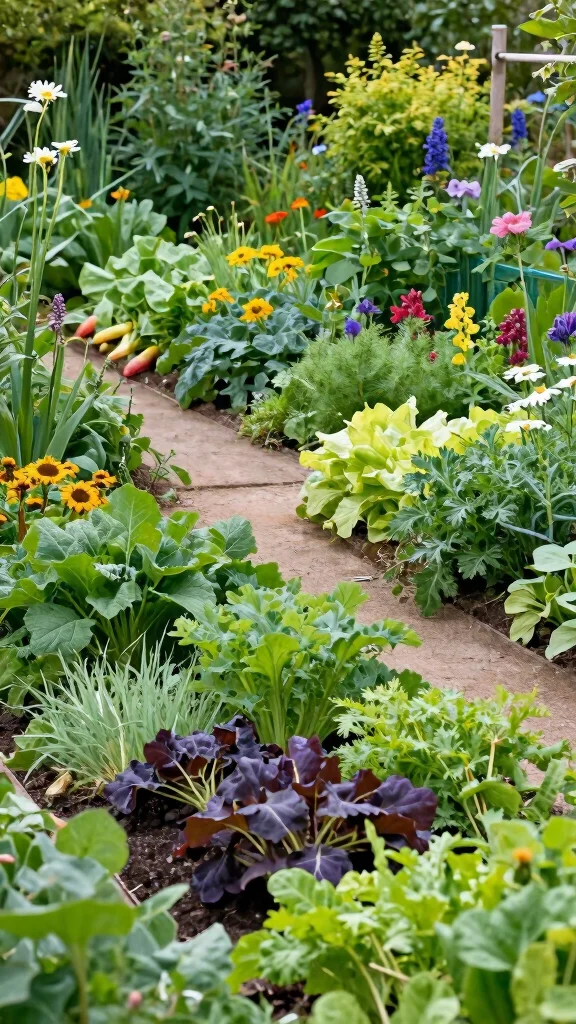
Embracing these veggie garden ideas can transform your outdoor and indoor spaces into thriving, sustainable gardens that provide fresh produce and beautify your home. From vertical gardens to community efforts, there’s something for everyone, regardless of space or gardening experience.
As you explore these trends, you’ll find joy in getting your hands dirty while connecting with nature and your community.
Frequently Asked Questions
What are simple vertical veggie garden ideas for small spaces?
For compact spaces, start with trellises, wall-mounted planters, pocket gardens, or stacked containers. With veggie garden ideas that maximize height, you can grow tomatoes, beans, and leafy greens without a sprawling footprint. Use adjustable supports and lightweight potting mixes to keep maintenance easy.
Tips: ensure good drainage, rotate crops to protect soil health, and feed with a balanced, organic fertilizer as part of sustainable gardening practices.
How can I design a vertical veggie garden for a balcony or small patio?
Designing a vertical veggie garden for a balcony or small patio starts with sunlight: aim for 6+ hours a day, then pick compact varieties and install modular vertical planters or railing pots. For practical vegetable garden design, align the structure with your space and decor, and keep the plan height comfortable for tending. Use container gardening tips like lightweight pots, drainage trays, and high-quality potting mix. Add a simple water catchment option and mulch to conserve moisture as part of sustainable gardening practices.
Which vegetables are best suited for vertical gardening and why?
Some vegetables shine in vertical setups because they grow up and produce heavily in small spaces. Try determinate or cherry tomatoes, cucumbers, pole beans, peas, peppers, and leafy greens like lettuce, spinach, kale, and herbs. Vertical growth makes harvesting easier and keeps plants away from pests. This aligns with veggie garden ideas for urban gardening ideas and demonstrates practical vegetable garden design in action.
What are practical tips to keep a vertical garden low-maintenance?
Keep maintenance simple with: choose compact or disease-resistant varieties, use self-watering planters or drip irrigation, mulch to cut evaporation, and ensure good drainage. Group plants with similar water needs to simplify care, and schedule regular pest checks and timely harvests to maintain airflow. This approach fits container gardening tips and sustainable gardening practices.
Can I combine vertical gardening with raised beds and sustainable practices?
Absolutely. Pair vertical gardening with raised beds by placing vertical trellises around or within a raised-bed frame to create a layered, space-saving vegetable garden design. Collect rainwater, compost kitchen scraps, and use compost tea to nourish plants. This combination embodies vegetable garden design, raised bed gardening, and sustainable gardening practices while staying true to the veggie garden ideas concept.
Related Topics
veggie garden ideas
vertical gardening
container gardening
raised bed gardening
urban gardening
sustainable practices
beginner friendly
small space gardening
easy gardening
homegrown produce
garden design
seasonal vegetables
Leave a Reply