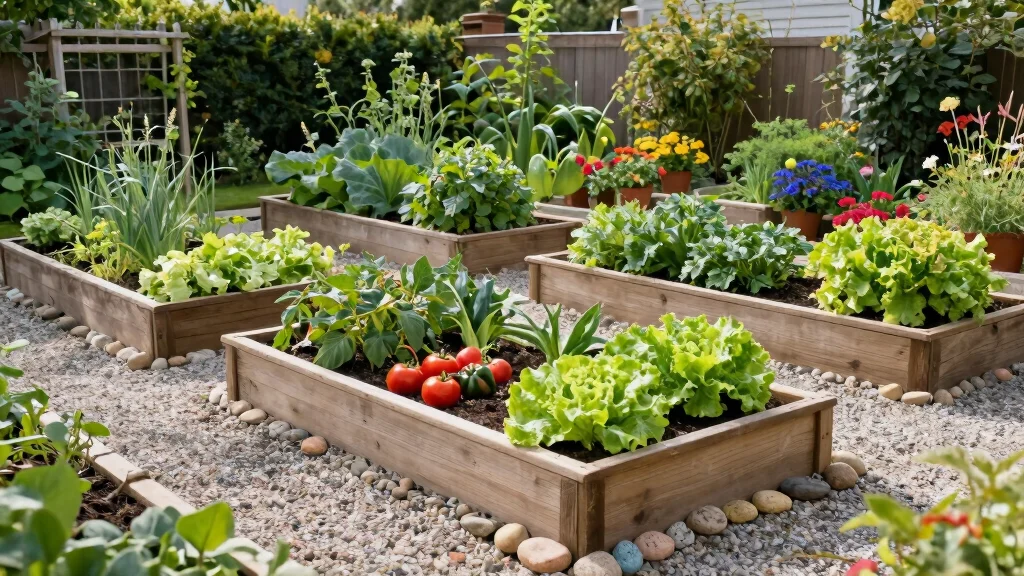
Growing a vegetable garden has become a popular way to transform our backyards into productive spaces. With sustainability on many people’s minds, there’s a greater desire to cultivate fresh produce right at home. Whether you’re a seasoned gardener or just starting, you might find yourself looking for creative vegetable garden ideas. That’s why I put together this post. It’s all about turning your backyard into a thriving vegetable haven filled with unique design concepts that not only yield delicious food but also enhance the beauty of your outdoor space.
If you’re someone who loves home gardening or is interested in sustainable gardening practices, this blog is perfect for you. You’ll discover innovative ideas that fit any space—especially if you live in an urban area where square footage is limited. From raised beds to vertical gardens, you’ll gain inspiration for every inch of your backyard. Each idea I’ve included is designed to help you maximize productivity while adding a touch of charm and personality to your garden.
By diving into these 19 vegetable garden ideas, you’ll learn how to create a productive backyard that supports your healthy lifestyle. You’ll uncover practical tips on garden design, sustainable practices, and ways to incorporate your garden into your home decor. So, get ready to dig into these creative solutions that are not only functional but also visually appealing!
Key Takeaways
– Discover unique vegetable garden ideas that enhance both productivity and aesthetics in your backyard.
– Explore creative solutions for small spaces, including vertical gardening and container gardens for urban vegetable gardening.
– Learn about sustainable practices such as composting and natural pest control that promote a healthy garden environment.
– Get design tips to incorporate edible plants into your landscaping, creating a beautiful and functional outdoor space.
– Find community engagement opportunities and seasonal strategies to keep your garden flourishing throughout the year.
1. Raised Garden Beds with a Twist

Are you looking to elevate your gardening game? Raised garden beds not only improve drainage but also enhance soil quality. You can use materials like reclaimed wood or metal to create unique designs that stand out in your backyard. Think outside the box with circular or zigzag arrangements to add visual interest.
With vertical planting options, you can maximize space and grow more vegetables, making your garden both productive and attractive. Adding a splash of color by painting the outer wood can give your garden a lively personality.
Ingredients:
– Choose a height of 12 to 36 inches based on your needs.
– Prepare a soil mix: 1 part compost, 1 part topsoil, and 1 part perlite.
– Use companion planting to increase yield and deter pests.
Creating raised garden beds can transform the look and function of your vegetable garden.
2. Vertical Gardening for Small Spaces
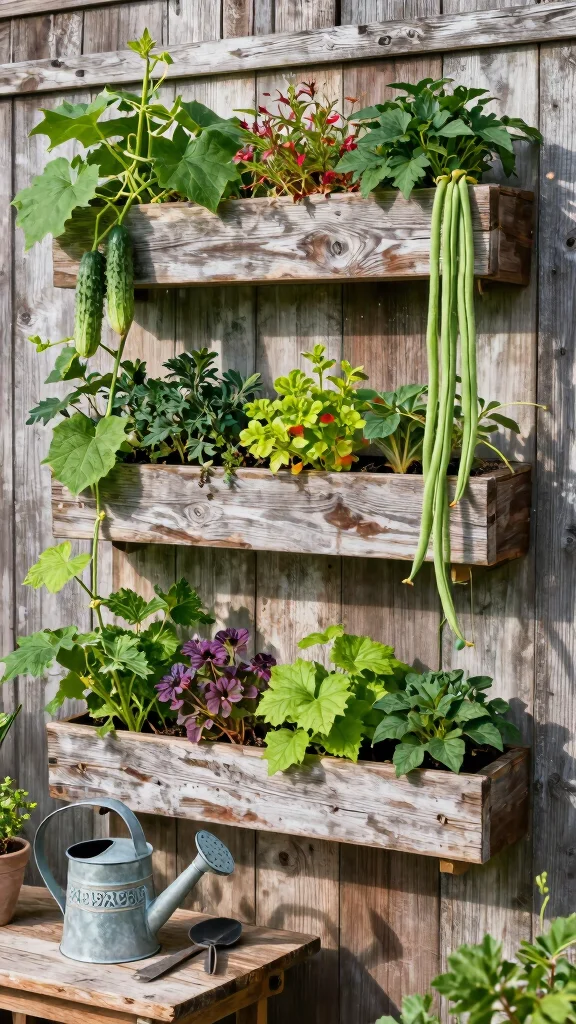
Struggling with limited garden space? Vertical gardening is your solution! By using wall-mounted planters, trellises, or even repurposed pallets, you can grow a variety of vegetables while saving precious ground space. This approach doesn’t just maximize your area; it also adds layers of greenery that catch the eye.
Consider climbing plants like pole beans, cucumbers, or small squash to thrive in this setup. Mixing in herbs can create a vibrant and diverse garden backdrop.
Ingredients:
– Opt for lightweight containers to minimize wall strain.
– Ensure at least 6 hours of sunlight exposure for most vegetables.
– Water your vertical garden regularly, as it tends to dry out faster.
Implementing vertical gardening will give your backyard a unique flair while allowing you to enjoy fresh veggies, especially in urban settings.
3. Container Gardens for Flexibility

Want to grow vegetables without a traditional garden bed? Container gardening offers you flexibility! You can use anything from pots to old wheelbarrows to cultivate veggies wherever there’s space—be it a patio, balcony, or a sunny driveway.
This method allows you to relocate plants easily, ensuring they get optimal sunlight and protection from harsh weather. Choose colorful containers made of clay, ceramic, or recycled plastic to add a personal touch.
Ingredients:
– Ensure your containers have drainage holes to prevent overwatering.
– Pick the right size; larger plants require more soil volume.
– Use high-quality potting soil to nourish your veggies.
Container gardening not only promotes sustainability but also enhances the aesthetic of your outdoor space.
4. Companion Planting for Increased Yields

Looking to boost your garden’s productivity? Companion planting can do just that! By growing different plants together, you can enhance growth, deter pests, and even improve flavors. For example, basil thrives alongside tomatoes, enhancing their taste while keeping pests at bay.
Carrots and onions can also coexist, as their scents confuse harmful insects, leading to a healthier garden. This method promotes diversity and visual appeal in your backyard.
Ingredients:
– Research plant compatibility for optimal results.
– Group plants with similar water and sunlight needs for easier care.
– Use borders to separate different companion groups for enhanced aesthetics.
Integrating companion planting can lead to healthier plants and a beautiful garden design.
How To Choose the Right Vegetable Garden Ideas
Choosing the right vegetable garden ideas is essential for creating a productive and sustainable backyard that fits your lifestyle. Here are some key points to consider when selecting the best garden design for your home.
1. Space Requirements
Think about how much room you have available. Measure your backyard to determine the size of your garden plot. If you have limited space, consider vertical gardening or container gardens. These options allow you to grow vegetables without needing a large area, making them perfect for urban vegetable gardening.
2. Sunlight Exposure
Different vegetables require varying amounts of sunlight to thrive. Observe your yard to see how many hours of direct sunlight different areas receive. Most vegetables need at least 6-8 hours of sunlight a day. Position your garden accordingly, or use raised beds that can be easily moved to sunny spots.
3. Soil Quality
Healthy soil is the backbone of any vegetable garden. Test your soil to determine its pH and nutrient levels. You can improve poor soil by adding compost or organic matter. This practice not only enriches the soil but also supports sustainable gardening methods.
4. Plant Selection
Choose vegetables that are suited to your climate and season. Start with easy-to-grow options like tomatoes, lettuce, or carrots. Consider companion planting to maximize yields and naturally repel pests. Mixing different plants can create a vibrant, productive garden.
5. Maintenance Requirements
Some garden designs require more time and effort than others. If you have a busy schedule, opt for low-maintenance gardens like raised beds or container gardens. These designs can reduce weeding and watering efforts while still providing fresh produce.
6. Budget Considerations
Determine how much you are willing to spend on your vegetable garden. The costs can vary based on materials, plant selection, and tools. Creating a budget helps you prioritize what you really need. Remember, many gardening supplies can be upcycled or made from materials you already have at home, saving you money while embracing sustainable practices.
Pro Tip: Create a garden plan on paper before starting. A simple sketch can help visualize where plants will go and how they will thrive together. This way, you can avoid costly mistakes and ensure your garden design is functional and beautiful!
5. Edible Landscaping for a Beautiful Yard

Why choose between beauty and function? Edible landscaping allows you to blend vegetables into your existing garden design. You can plant colorful lettuces among flowering plants or line your walkway with berry bushes for a stunning visual.
This approach not only provides access to fresh produce but also adds depth and character to your space. Mix various heights and textures for added interest, and don’t shy away from using vibrant vegetables!
Ingredients:
– Plan your layout carefully to ensure edible plants complement existing flowers.
– Incorporate paths and seating areas to encourage enjoyment of the garden.
– Choose plants for year-round beauty, considering seasonal changes.
Edible landscaping beautifies your backyard while offering delicious vegetables for your meals.
6. Garden Arches and Trellises for Vertical Appeal
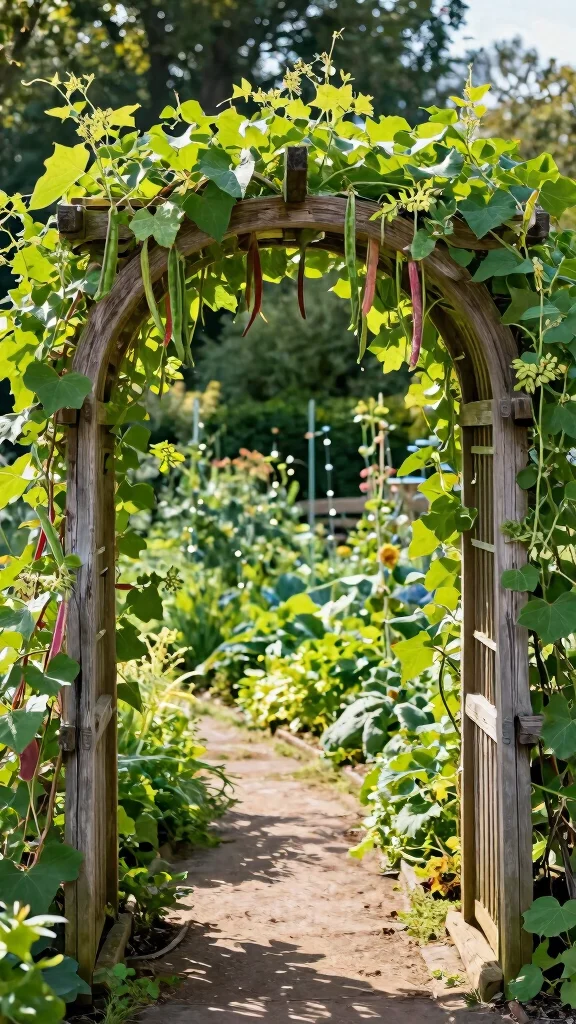
Want to enhance your garden’s aesthetics? Incorporating arches and trellises can add vertical appeal while allowing climbing plants to flourish. These structures not only support your plants but also serve as stunning focal points in your garden.
Train beans, peas, and cucumbers to grow vertically, freeing up space for other plants below. Decorative arches can also act as charming entrances to garden paths.
Ingredients:
– Select sturdy materials like wood or metal for support.
– Position trellises for maximum sunlight exposure.
– Add decorative elements like fairy lights for a magical evening ambiance.
Utilizing arches and trellises maximizes your garden’s productivity while enhancing its beauty.
7. Herb Spiral Design for Efficiency
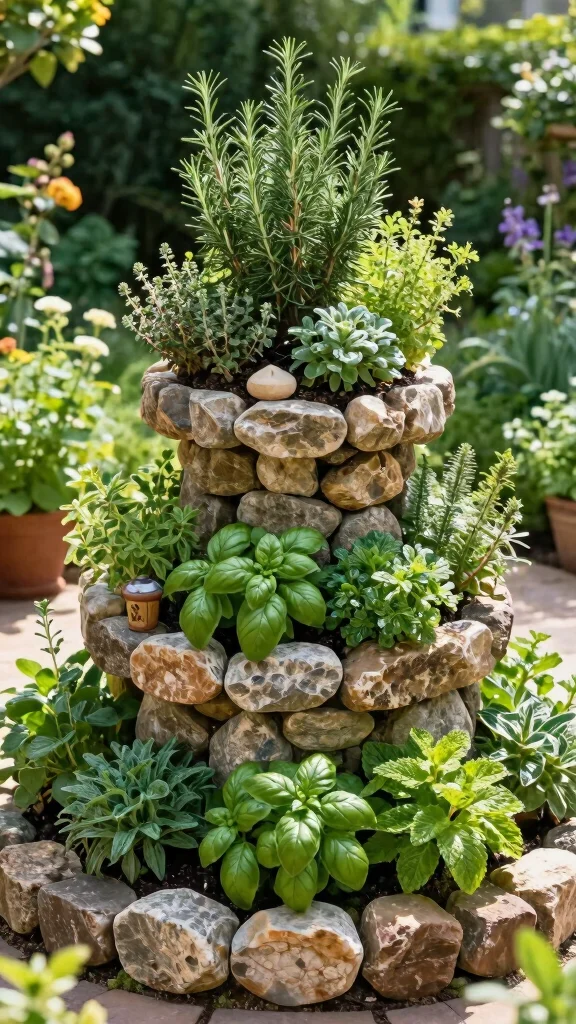
Looking for an innovative way to grow herbs? The herb spiral design is your answer! This spiral structure made from stones or bricks allows you to create different microclimates, catering to various herbs’ needs. The top is dry and sunny for Mediterranean herbs like rosemary, while the bottom retains moisture for basil and mint.
This design is not only visually appealing but also simplifies harvesting since all your herbs are in one area.
Ingredients:
– Build your spiral with natural materials to blend into the garden.
– Consider adding a small water feature for aesthetics.
– Regularly prune herbs to avoid overcrowding and promote growth.
Creating an herb spiral transforms your backyard into a unique herb paradise.
8. Sustainable Watering Solutions
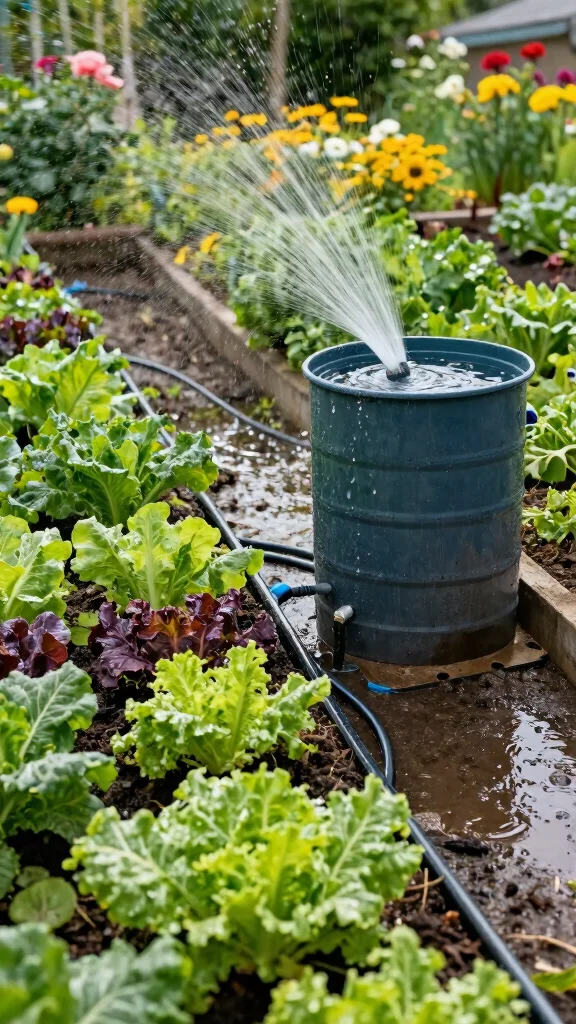
Are you mindful of your garden’s watering needs? Sustainable watering techniques can help you save water and money. Consider a rainwater collection system to gather water in barrels for later use. Drip irrigation systems can also effectively deliver moisture directly to your plants’ roots, minimizing waste.
These methods not only conserve resources but also ensure your plants stay consistently hydrated.
Ingredients:
– Water in the early morning or late evening to reduce evaporation.
– Apply mulch around plants to retain soil moisture.
– Be aware of each plant’s specific water needs.
Adopting sustainable watering practices makes your vegetable garden eco-friendly while keeping your plants healthy.
You might also like

9. Natural Pest Control Strategies

Worried about pests ruining your harvest? Natural pest control methods can help maintain a thriving vegetable garden. Introduce beneficial insects like ladybugs that prey on harmful pests. Companion flowers like marigolds can repel pests while attracting pollinators.
You can also use organic sprays made from neem oil or crushed garlic for effective pest management.
Ingredients:
– Regularly inspect your plants for pest signs and act quickly.
– Use row covers as barriers for young plants.
– Rotate crops each season to disrupt pest life cycles.
Incorporating natural pest control not only protects your vegetables but also fosters a balanced garden ecosystem.
10. Herb and Vegetable Pairing

Want to enhance flavors in your garden? Pairing herbs with vegetables can do just that! For example, growing garlic with tomatoes not only repels pests but also boosts the tomatoes’ flavor. Similarly, carrots and dill thrive together, with dill attracting beneficial insects while carrots flourish below.
This symbiotic relationship maximizes both yield and taste in your garden.
Ingredients:
– Research compatible herb and vegetable combinations for best results.
– Position herbs at the edges of your beds to attract pollinators.
– Regularly prune herbs to encourage growth and prevent overshadowing.
Utilizing herb and vegetable pairings leads to a delicious harvest and a flourishing garden.
Pairing herbs with vegetables isn’t magic—it’s practical garden science. Garlic with tomatoes boosts flavor and blocks pests, while dill attracts beneficial insects and helps carrots thrive. Try a simple herb-and-vegetable pairing this season to boost yield and flavor in your vegetable garden ideas.
11. Upcycled Garden Decor

Want to add unique flair to your garden? Upcycled materials can make for creative decor! Old wooden pallets can be transformed into vertical gardens, while glass jars can serve as charming plant holders. Even tires can become colorful planters for flowers and veggies.
This not only reduces waste but also personalizes your backyard.
Ingredients:
– Clean and prepare materials for safety and longevity.
– Use bright, weather-resistant paint to enhance decor.
– Incorporate functional elements, like repurposed ladders for climbing plants.
Upcycling makes your garden decorative while promoting a sustainable gardening approach.
Fun fact: Upcycling garden decor can cut waste by up to 60% while giving your vegetable garden ideas a personal punch. Turn pallets into vertical planters, jars into sunlit holders, and tires into colorful veggie beds—practical, stylish, and sustainable.
12. Composting for Healthy Soil
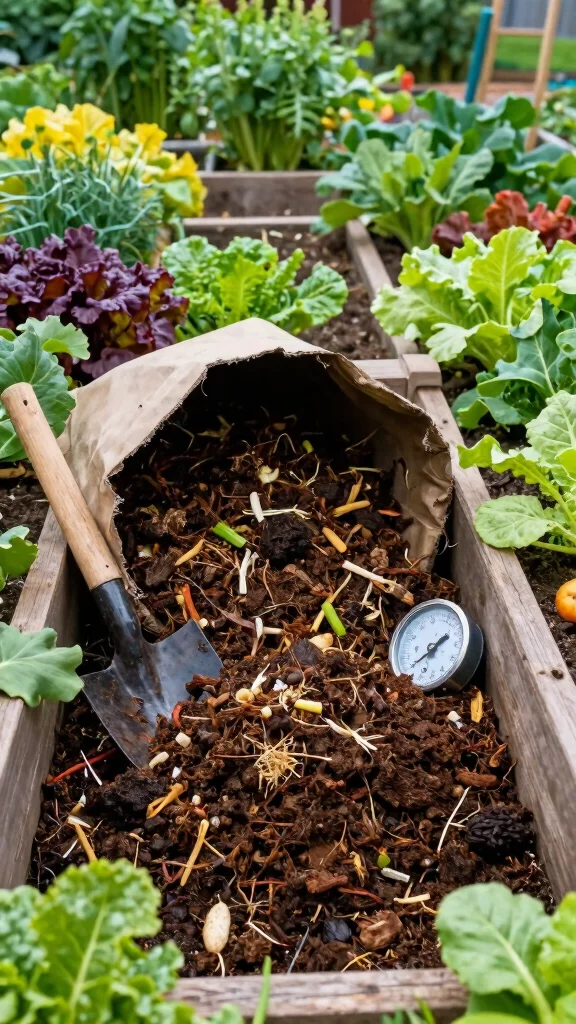
Want to enrich your garden soil sustainably? Composting is an excellent way to do so! By composting kitchen scraps, yard waste, and even paper products, you provide essential nutrients to your plants. Set up a compost bin and balance green (nitrogen-rich) and brown (carbon-rich) materials for optimal results.
This process reduces waste and fosters healthy soil, leading to a more productive vegetable garden.
Ingredients:
– Regularly turn your compost to aerate and speed up decomposition.
– Keep the bin moist but not soggy for ideal microbial conditions.
– Monitor temperature; it should feel warm when breaking down.
Composting is a rewarding way to create the best conditions for your vegetable garden.
13. Flowering Plants to Attract Pollinators
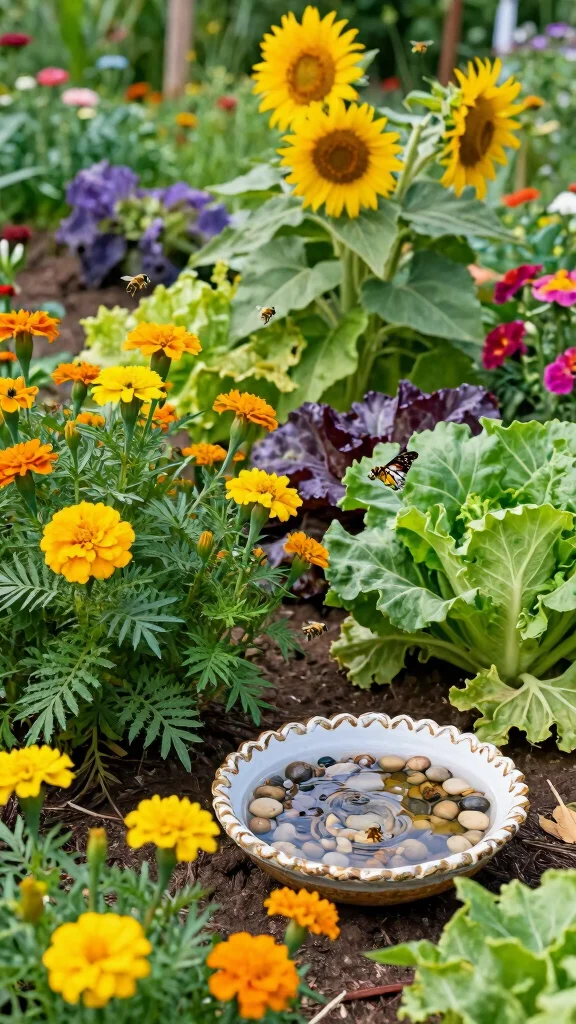
Want to boost your garden’s productivity? Incorporating flowering plants is essential for attracting pollinators like bees and butterflies. These creatures play a vital role in pollinating many fruits and vegetables. Choose a variety of flowers that bloom at different times to ensure something is always in bloom throughout the season.
Marigolds, sunflowers, and zinnias are excellent choices that enhance your garden’s beauty.
Ingredients:
– Create clusters of flowers to better attract pollinators.
– Avoid pesticides that can harm beneficial insects.
– Provide a shallow dish with pebbles for a water source.
Planting flowering species beautifies your garden while boosting productivity through a healthy pollinator population.
14. Seasonal Planting Strategies
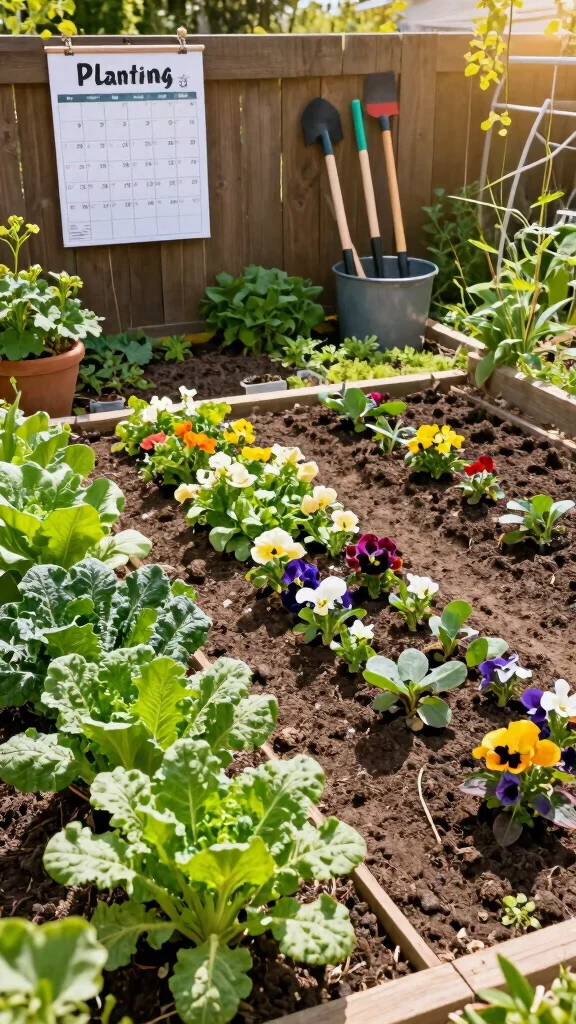
Want to maximize your vegetable garden’s output? Understanding seasonal planting strategies is key! By planning to include cool-season crops like spinach in early spring and warm-season crops such as tomatoes in late spring, you can enjoy a continuous harvest.
Succession planting, where you stagger sowing times, ensures you have fresh produce throughout the growing season.
Ingredients:
– Research your local climate and frost dates for optimal planting times.
– Keep a planting calendar to track your garden’s progress.
– Rotate crops each season to maintain soil health and deter pests.
Implementing seasonal planting strategies helps you make the most of your backyard vegetable garden, ensuring a bountiful harvest.
15. Creating a Garden Pathway

Looking to add charm to your garden? A well-designed pathway enhances both beauty and practicality. Use natural materials like gravel, bricks, or stepping stones to create a winding path that guides visitors through your vegetable garden.
This not only beautifies the space but also preserves soil by preventing trampling. You can flank the path with flowering plants or herbs for added fragrance.
Ingredients:
– Ensure your pathway is wide enough for easy access.
– Incorporate seating areas along the path for resting spots.
– Use contrasting colors and materials for visual definition.
Creating a stunning garden pathway enhances usability, making your gardening experience more enjoyable.
Even a simple gravel path can boost garden flow by up to 30%—and it keeps your soil intact. This is a standout vegetable garden idea: a winding trail with bricks or stepping stones that makes your space both charming and easy to navigate.
16. Utilizing Shade for Vegetables
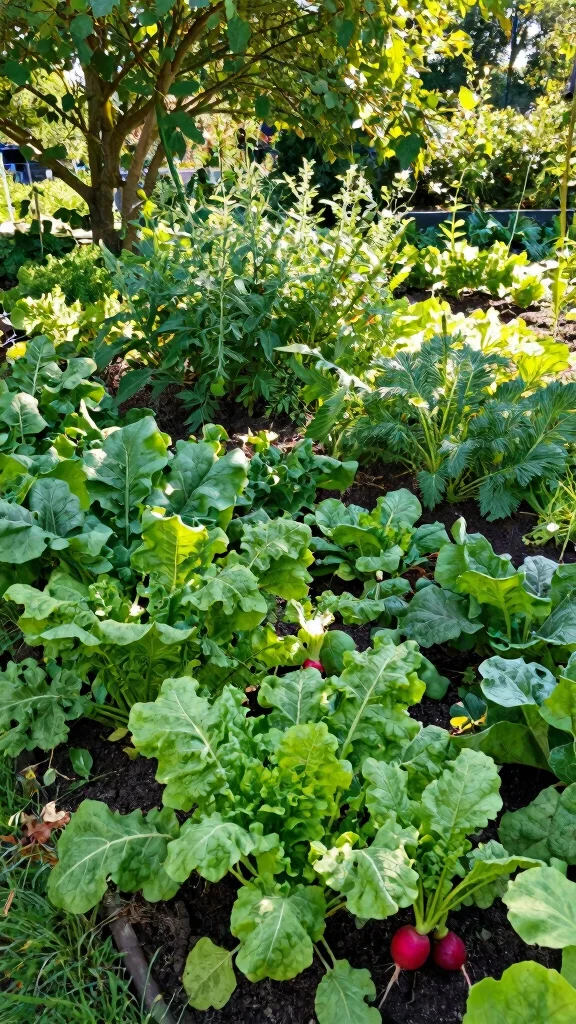
Don’t have full sun? You can still grow vegetables by knowing which plants thrive in the shade! Leafy greens, radishes, and some herbs flourish in partial shade, maximizing your gardening potential. Shade cloth or strategically placed taller plants can help create ideal conditions for these crops.
Ingredients:
– Identify shaded areas and plan your planting accordingly.
– Use light-colored mulch to reflect sunlight and regulate soil temperature.
– Regularly check moisture levels, as shaded areas hold water longer.
Utilizing shade effectively allows you to enjoy a productive vegetable garden, even in less sunny spots.
17. Garden Wildlife Habitat
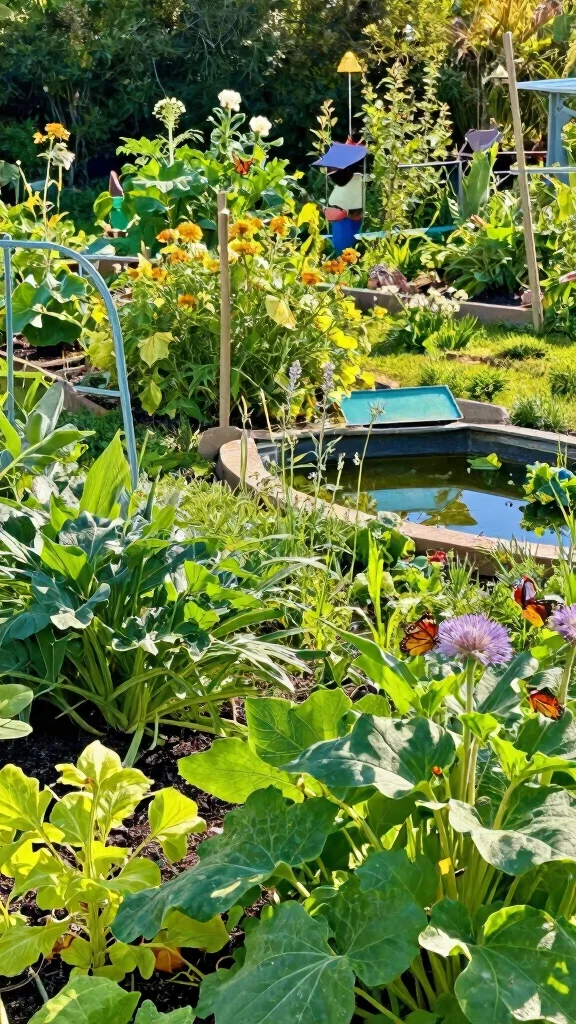
Want to enhance your garden’s biodiversity? Creating a wildlife habitat promotes beneficial animals’ visits. Incorporating water sources, native plants, and shelter for birds and beneficial insects can enrich your garden ecosystem.
Install bird feeders, nesting boxes, or even a small pond to attract wildlife that helps pollinate your plants and control pests.
Ingredients:
– Choose native plants that provide food and habitat.
– Avoid chemical pesticides that can harm beneficial species.
– Allow some areas to remain wild for natural habitat.
Fostering a wildlife habitat beautifies your garden while creating a balanced ecosystem for a thriving vegetable garden.
18. Seasonal Decorations for a Festive Touch
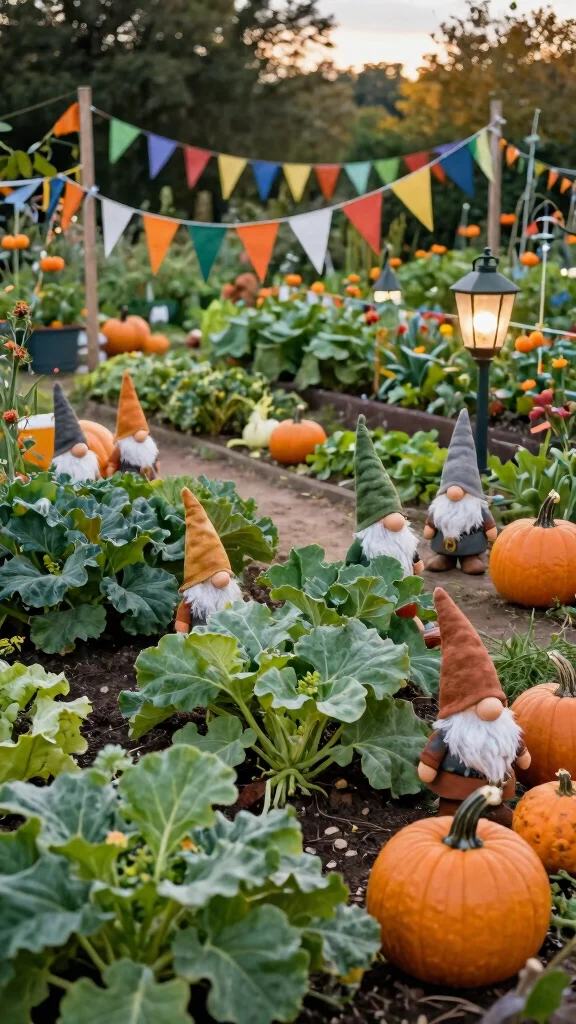
Want to add a festive touch to your vegetable garden? Seasonal decorations can showcase your personality while enhancing visual appeal. From whimsical gnomes to colorful flags, decorations can brighten your garden throughout the year.
Adding pumpkins in the fall or festive lights in winter can turn your space into a magical retreat that reflects the seasons.
Ingredients:
– Choose decorations that complement your garden’s theme.
– Incorporate natural elements for an organic look.
– Keep decorations minimal to ensure they don’t distract from plant beauty.
Seasonal decorations create a welcoming atmosphere, making your vegetable garden a joyful space.
19. Garden Workshops and Community Involvement
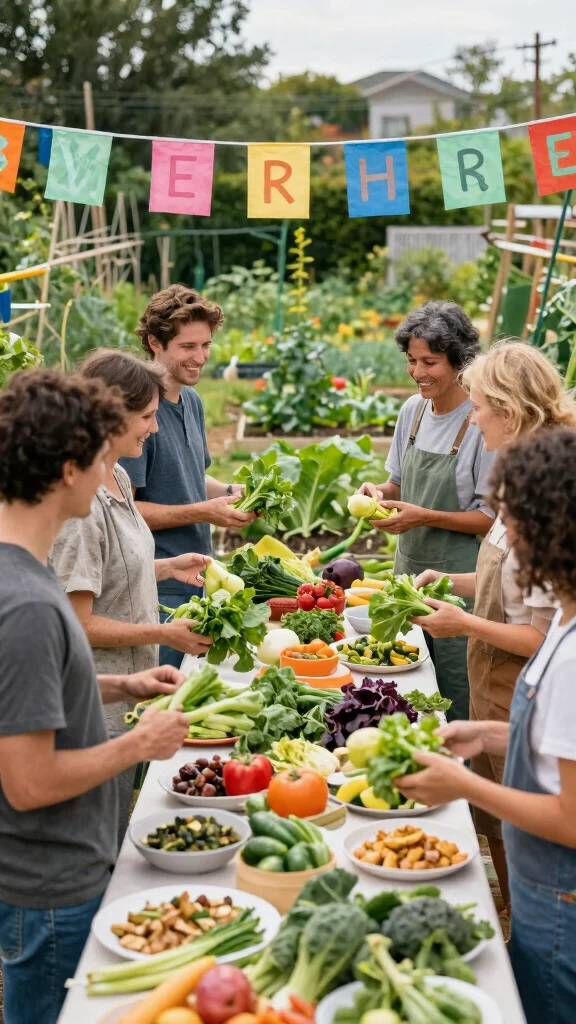
Want to enrich your gardening journey? Engaging with your community through workshops can enhance your experience. Joining local garden clubs or participating in community gardens offers valuable insights and camaraderie.
These events often allow resource sharing, fostering a sense of belonging and promoting sustainable practices. Hosting workshops in your backyard can also inspire others while creating a beautiful gathering space.
Ingredients:
– Reach out to local gardening groups for collaboration.
– Organize potluck events to share harvests and recipes.
– Create online forums to maintain connections.
Participating in community gardening enriches your backyard and nurtures relationships with fellow gardeners.
Conclusion
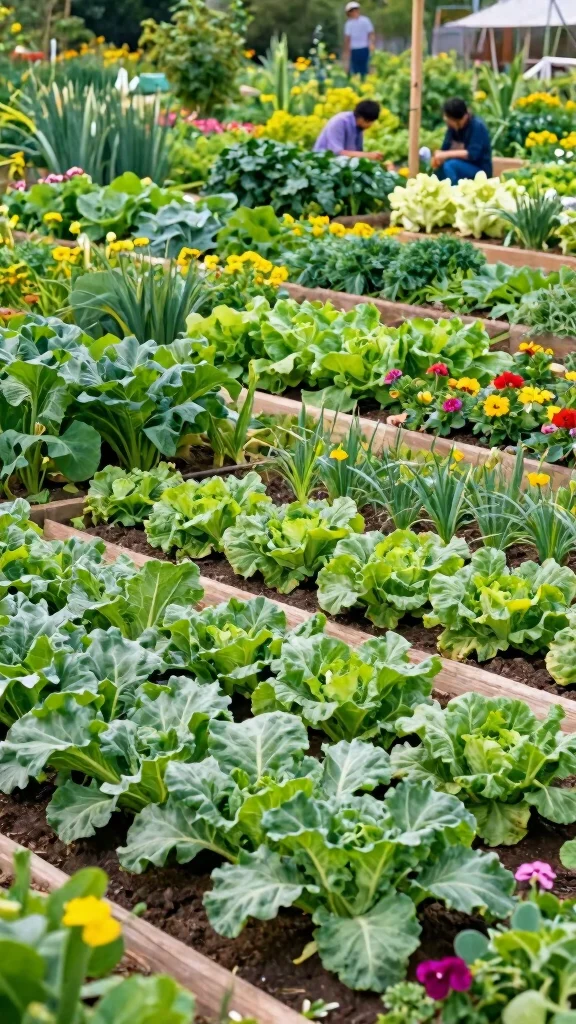
With these 19 vegetable garden ideas, you can create a stunning and productive backyard that reflects your personality and sustainable values.
From innovative designs to community engagement, each idea offers unique benefits that can enhance your gardening experience and yield delicious rewards. Consider which concepts resonate with you and start transforming your backyard into a vegetable paradise today!
Frequently Asked Questions
What are the best vegetable garden ideas for a productive backyard?
To build a productive backyard vegetable garden, start with practical, scalable ideas that fit your space and climate.
Choose raised beds or sturdy containers, ensure you have good soil, and plan crops that work well together. Try vegetable garden ideas like square-foot gardening, companion planting, and trellises for vertical space.
Embrace sustainable gardening basics—compost, mulch, and rain barrels—to improve soil health and conserve water. A simple drip irrigation line makes watering efficient and reduces waste. Pair these ideas with garden design tips such that beds are accessible and easy to maintain for a true home gardening ideas mindset.
How can I design a sustainable, stylish vegetable garden in a small urban backyard?
Designing a sustainable, stylish urban vegetable gardening space starts by mapping sunlight, wind, and space. Choose compact varieties and use vertical growing to maximize every square foot.
Incorporate containers, trellises, and durable, weather-resistant materials that fit your garden design tips while staying true to sustainable gardening principles. Add a cohesive color palette and small decor touches to reflect your home gardening ideas and make the space feel like part of your home.
What sustainable decor ideas can boost the look of my backyard vegetable garden without sacrificing productivity?
Mix form and function with sustainable decor ideas that boost style and keep yields high. Use vertical planters, herb walls, and reclaimed wood planters to add character without stealing space.
Choose weather-resistant pots in a cohesive color scheme, and add solar lighting or a small seating nook to invite lingering and dining. These home gardening ideas help your backyard vegetable garden blend with your living space while practicing sustainable gardening.
How can I maximize space and yield in a backyard vegetable garden using practical garden design tips?
Start with a smart layout: raised beds or square-foot garden, placed for easy access and good sun exposure.
Use companion planting and succession planting to keep harvests coming. Vertical growing for beans, cucumbers, and tomatoes adds height without crowding ground space. Add containers for flexible spots and emergency plantings.
Pair this with garden design tips that minimize foot traffic and maximize growing area, plus sustainable gardening practices like mulching, drip irrigation, and compost to maintain soil health.
What are beginner-friendly steps to start a sustainable urban vegetable garden?
Getting started is easier than you think. First, assess sunlight and space in your urban vegetable gardening area. Then decide between raised beds, containers, or a vertical setup.
Choose beginner-friendly, compact crops suited to your climate and plan for home gardening ideas that fit your lifestyle. Set up a simple composting system and collect rainwater to support sustainable gardening from day one.
Finally, install a basic irrigation plan and rotate crops over seasons; you’ll stay organized and productive while embracing garden design tips and urban vegetable gardening principles.
Related Topics
vegetable garden ideas
backyard vegetable garden
sustainable gardening
urban vegetable gardening
garden design tips
DIY garden decor
beginner friendly
space-saving gardening
seasonal planting
edible landscaping
quick gardening tips
container gardening
Leave a Reply