
Creating a small garden can be a delightful yet challenging endeavor, especially when space is limited. With urban living on the rise and many homes featuring compact outdoor areas, the desire to cultivate greenery is stronger than ever. I made this post to inspire you with small garden ideas that will help you maximize every inch of your space. Whether you’re working with a tiny balcony, a small yard, or even just a window sill, there are so many ways to embrace gardening without feeling cramped.
If you’re someone who dreams of lush greenery but feels limited by your surroundings, you’re not alone. Many urban dwellers share the same struggle, yearning for a touch of nature in their lives. This post is for you, whether you’re a seasoned gardener looking to rethink your strategies or a beginner eager to get your hands dirty. You’ll discover practical, enjoyable, and creative small garden ideas that are not only space-saving but also add charm to your outdoor decor.
Get ready to explore 20 innovative solutions that will help you transform your limited space into a thriving garden oasis. From vertical gardens and container gardening tips to stunning wall-mounted herb gardens and fairy gardens, each idea is designed to inspire and invigorate your gardening journey. Let’s dive in and uncover how you can nurture a beautiful garden, no matter how small your space may be!
Key Takeaways
– Discover various small garden ideas that utilize vertical space, helping you grow more in less area.
– Explore practical container gardening tips that allow you to adapt your plants to any nook or cranny.
– Uncover creative vertical garden ideas that not only save space but also serve as beautiful outdoor decor.
– Learn how to implement space-saving gardening techniques that transform your small garden into a lush retreat.
– Get inspired by unique designs like hanging planters and repurposed furniture planters that add personality without cluttering your space.
1. Vertical Garden Wall

Elevate your outdoor space by transforming a plain wall into a stunning vertical garden. This design approach is ideal for small areas where floor space is at a premium. By utilizing wall-mounted planters or pockets, you can introduce layers of vibrant textures and colors. Think of incorporating a mix of plants like succulents, ferns, and flowers to create a visually captivating display.
To get the most out of your vertical garden, consider these practical tips: ensure the plants chosen match their light and water requirements for optimal growth. Mix trailing and upright species to add diversity and interest. Don’t forget to incorporate proper drainage to prevent water build-up, which could harm your wall.
Consider these elements for a successful vertical garden:
– Pair wall-mounted pockets with colorful succulents for a lush look.
– Install a variety of plants at different heights for layered beauty.
– Use a drip irrigation system for hassle-free maintenance.
This vertical garden not only serves as a living mural but also brings a refreshing atmosphere to your space, enhancing both your indoor and outdoor views with its natural beauty.
2. Hanging Planters

Hanging planters are a delightful way to introduce greenery without consuming precious ground space. Suspend them from ceilings, hooks, or railings to create an enchanting garden that adds depth and charm to your outdoor setting. Choose colorful ceramic pots, woven baskets, or even upcycled containers to display your plants beautifully.
For an eye-catching arrangement, consider these practical tips: select trailing plants like string of pearls, pothos, or ivy for a stunning cascading effect. You can also mix in vibrant blooms for added visual interest. A tiered system of hanging shelves can further enhance your display by creating a dynamic arrangement.
Here are some ideas to maximize your hanging planters:
– Incorporate a variety of heights for a visually striking setup.
– Use lightweight pots to make installation easier.
– Mix in herbs for both beauty and culinary use.
Hanging planters not only beautify your space but also cleverly utilize vertical areas, making your small garden feel larger and more inviting.
3. Wall-Mounted Herb Garden
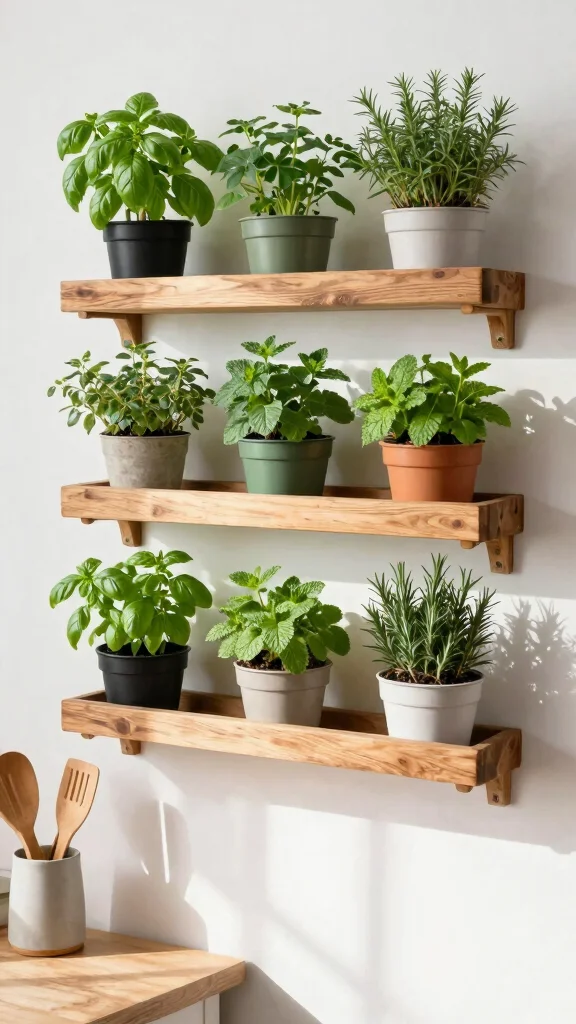
Why not bring the delightful freshness of herbs right into your home with a wall-mounted herb garden? This idea is perfect for cooking enthusiasts, saving space while providing flavorful additions to your meals. Use a wooden board or shelves to arrange pots of basil, mint, rosemary, and thyme for a convenient culinary resource.
This herb garden allows for easy access, enhancing your meal prep experience. It also serves as a beautiful accent in your outdoor decor, particularly within a kitchen patio setting. Choose a sunny spot that receives at least 6 hours of sunlight for optimal growth and arrange pots based on height for a visually appealing layout.
Here’s how to set up your herb garden:
– Use pots with drainage holes for healthy growth.
– Regularly trim herbs to promote vigorous growth.
– Water according to each plant’s specific needs.
This functional yet beautiful solution brings fresh flavors into your home while inviting nature right to your cooking space.
4. Ladder Planter

An old wooden ladder can become a charming planter with a touch of creativity. Lean a rustic ladder against a wall, filling each step with pots of vibrant flowers, herbs, or lush greenery. This approach is not just about maximizing vertical space; it creates a delightful focal point in your garden.
For a standout design, consider these tips: paint the ladder in a fun color to contrast beautifully against the plants. Vary pot sizes for an organic and casual aesthetic. Position colorful flowers on the lower rungs and trailing plants at the top for eye-catching variety.
Here are some suggestions for your ladder planter:
– Arrange herbs on mid-level rungs for easy access when cooking.
– Use lightweight pots to facilitate movement.
– Regularly check for stability and drainage in each pot.
This charming garden ladder introduces a whimsical touch to your outdoor decor while creatively maximizing space.
5. Balcony Railing Planters
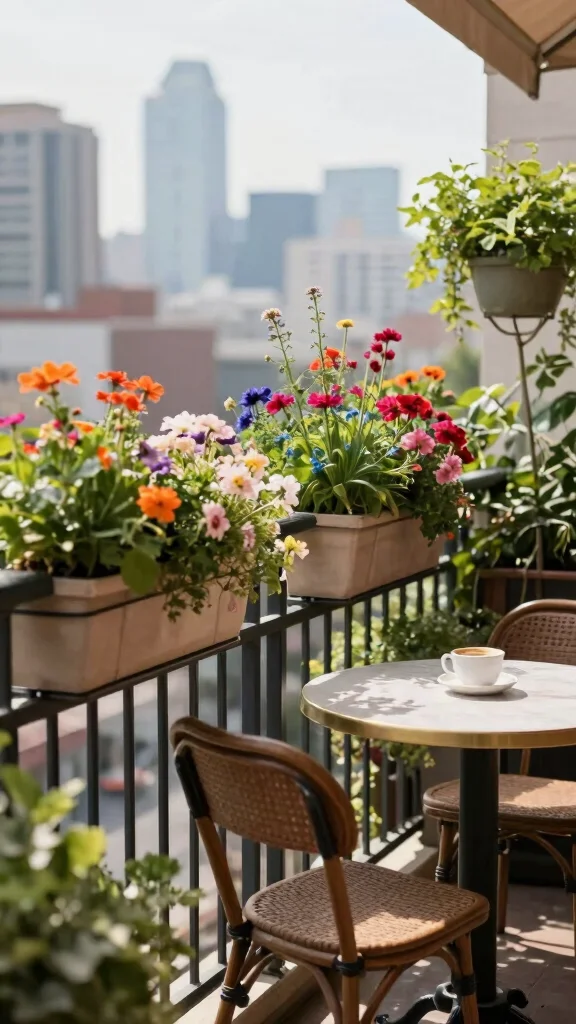
Make the most of your balcony by installing railing planters, an excellent solution for adding greenery without occupying valuable floor space. These planters come in various designs that can slide over or clamp onto railings, allowing you to fill them with your favorite flowers, herbs, or even small vegetables.
These planters provide a beautiful view from both inside and outside, making them perfect for apartment dwellers looking to cultivate a mini-garden. Opt for bright annuals for stunning displays, and herbs like chives and parsley not only enhance your cooking but also add delightful fragrances.
Here are some tips to maximize your railing planters:
– Ensure they fit securely to prevent accidental falls.
– Regularly check soil moisture, especially during warmer weather.
– Choose plants that thrive in the sunlight available on your balcony.
Railing planters beautify your balcony while enriching your outdoor decor, creating a splash of nature in an urban setting.
Fun fact: Balcony railing planters boost usable gardening space for small garden ideas by up to 40% without crowding your floor. Pair bright annuals with herbs for a high-impact, low-effort mini-garden. Clamp them securely and rotate plants for sun from all angles.
6. Container Garden
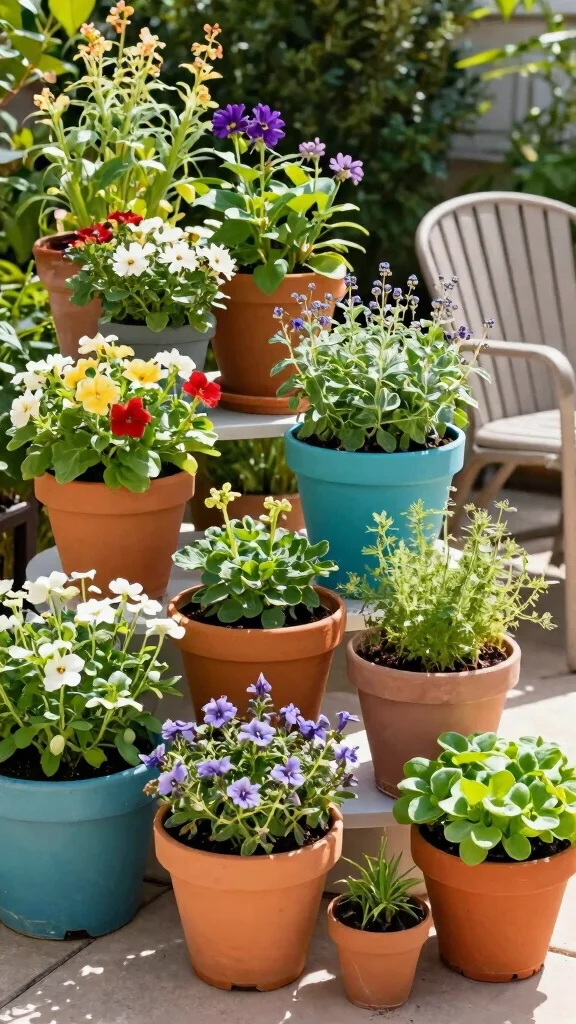
Container gardening offers a flexible and space-efficient way to nurture plants in limited areas. You can select from various containers—ceramic pots, wooden boxes, or even recycled materials—to match your aesthetic. Container gardens can be positioned anywhere: patios, steps, or even indoors for pops of greenery.
For a successful container garden, consider these tips: use varying heights and shapes to create visual interest. Ensure that all containers have drainage holes to keep your plants healthy and thriving. Mixing flowers with herbs provides both colorful and fragrant results, while dwarf vegetable varieties are perfect for container growth.
Here are some actionable suggestions for your container garden:
– Regularly check soil moisture, as container plants dry out faster.
– Fertilize every few weeks to encourage robust growth.
– Group containers together to create a lush effect.
Container gardening allows you to express your creativity while maximizing limited space, making it a fantastic choice for urban gardening solutions.
7. Vertical Pallet Garden

Upcycling wooden pallets into vertical gardens presents a creative way to make the most of small spaces. These pallets can be transformed into layered planters that are both eco-friendly and visually striking. Position them against a wall or fence to create a lively green backdrop bursting with life.
To create a polished look, sand and paint the pallet before planting. Fill each slot with a mix of herbs and flowers to achieve a lush display. Hardy plants like strawberries or trailing vines thrive in this vertical setup, while seasonal annuals can keep your display fresh and exciting.
Consider these tips for your pallet garden:
– Secure the pallet to ensure it remains stable.
– Regularly monitor soil moisture and plant health.
– Incorporate colorful blooms for added visual interest.
This innovative approach maximizes vertical space while adding character to your outdoor decor, making it a charming conversation piece.
How To Choose the Right Vertical Garden Solution
When you have a small garden, every inch counts. A vertical garden can transform unused space into a lush area filled with plants. Here’s how to choose the perfect vertical garden solution for your space.
1. Size Matters
Before choosing a vertical garden, think about the available space. Measure the area where you want to install your garden. A wall-mounted garden works well for narrow spaces, while a taller ladder planter is great for corners. Ensure there’s enough room for plants to grow without overcrowding.
2. Material Selection
Consider the materials used in the vertical garden setup. Common options include wood, metal, and fabric. Wood gives a natural look and is sturdy but may require regular maintenance. Metal is durable and modern but may heat up in direct sunlight. Fabric planters are lightweight and easy to handle but might need extra support for larger plants.
3. Plant Selection
Choose plants that thrive in vertical spaces. Herbs, succulents, and flowering plants are great options. Think about the sunlight each plant requires. If your wall gets limited light, opt for shade-loving varieties like ferns or pothos. Mixing plants with different heights and colors adds visual interest.
4. Watering System
Consider how you will water your vertical garden. Some systems come with built-in irrigation, which is a huge time-saver. If you prefer a manual approach, ensure easy access to all plants. You might also want to check for drainage features to prevent waterlogging.
5. Aesthetic Appeal
Think about how the vertical garden will fit into your outdoor decor. The design should complement your surrounding space. Whether you prefer a rustic wooden look or a sleek modern feel, there are vertical garden options available in various styles. Consider colors and textures that match your outdoor decor for a cohesive look.
6. Budget Considerations
Set a budget before making a purchase. Vertical gardens come in a range of prices, from DIY kits to ready-made solutions. Factor in the cost of plants, soil, and additional accessories when planning. Look for sales or discounts, especially at the start of the gardening season.
Pro Tip: Start small! Choose one vertical garden solution that fits your needs, and expand as you become more comfortable with vertical gardening. This way, you can avoid overwhelming yourself and can learn what works best in your space.
By carefully considering these factors, you can create a beautiful and functional vertical garden that enhances your small outdoor space! Whether you use it for growing herbs, flowers, or even vegetables, a vertical garden can bring life to your home while maximizing every inch effectively.
8. Mini Greenhouse

In small gardens, a mini greenhouse can be a transformative addition. These compact structures create a controlled environment for your plants, making it easier to grow herbs, vegetables, or flowers year-round. They can fit snugly against a wall or in a corner, turning limited space into a productive garden.
When selecting a mini greenhouse, consider wall-mounted units for tight spaces or portable options for versatility. Choose plants that thrive in a greenhouse, like seedlings in spring or tropical varieties needing warmth. Regularly monitor humidity levels and ensure proper ventilation to keep your plants healthy.
Here are some key tips for your mini greenhouse:
– Utilize shelving to maximize growing space.
– Rotate plants as needed for even sunlight exposure.
– Keep an eye out for pests that may affect growth.
A mini greenhouse enhances your gardening potential in small areas while adding a unique structural element to your outdoor decor.
You might also like

9. Repurposed Furniture Planters
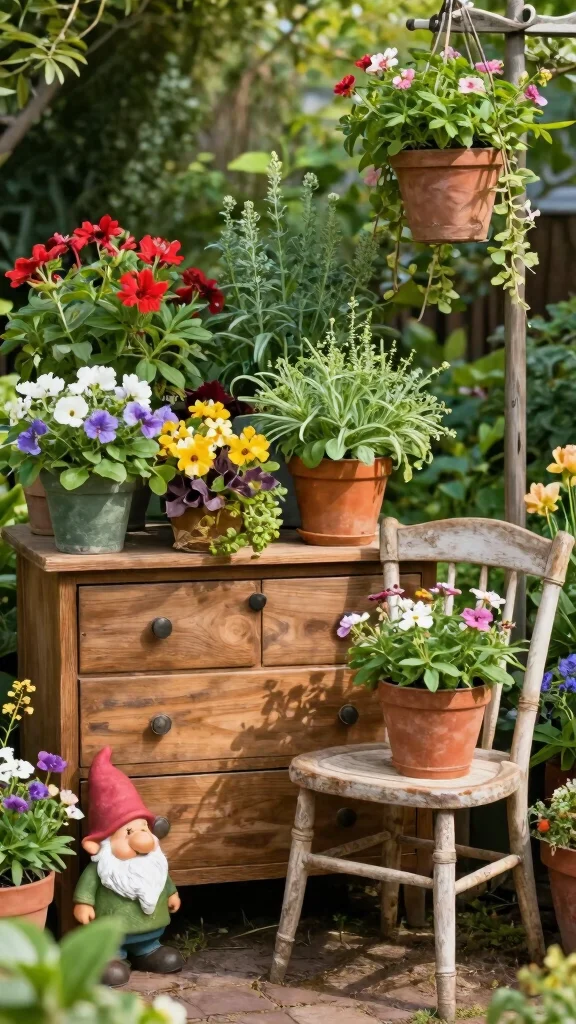
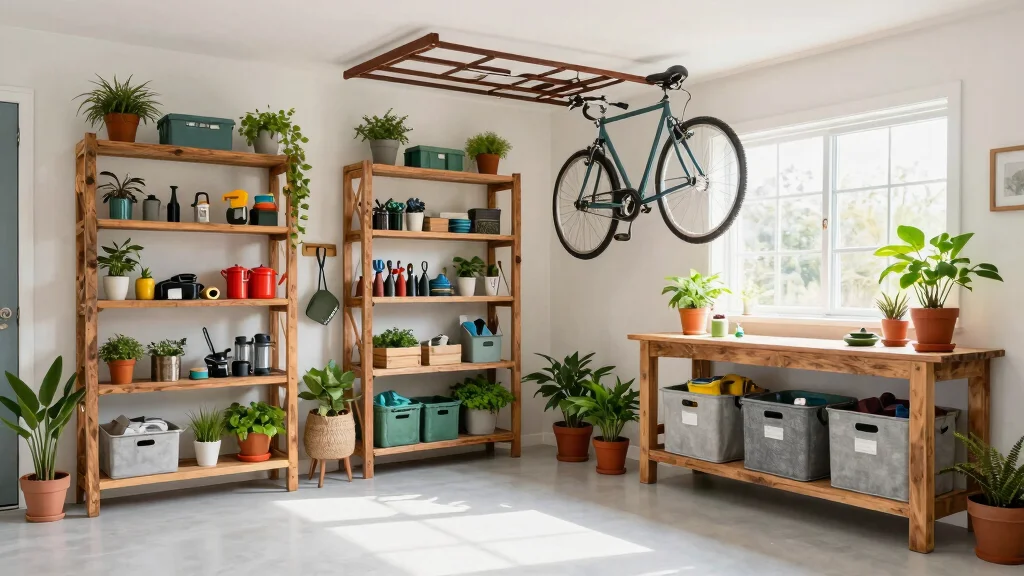
Breathe new life into old furniture by turning it into planters. Whether it’s a vintage dresser, table, or even a chair, transforming these pieces into plant holders adds character and charm to your small garden. This quirky approach not only utilizes unused items but also creates a unique centerpiece for your outdoor space.
For creative ideas, consider cutting out sections of an old dresser and filling the drawers with soil and vibrant plants. A chair with an open back can hold pots or trailing plants beautifully. Ensure drainage holes are present to keep your plants healthy and select species that thrive in the sunlight available.
Here are some suggestions for your repurposed furniture planters:
– Use colorful flowers to bring life to old pieces.
– Incorporate herbs that are easily accessible for cooking.
– Choose furniture that complements your garden style.
This imaginative approach allows you to showcase your personal style while maximizing garden space in a playful and sustainable way.
Repurposing old furniture turns unused junk into thriving planters, giving every inch its own character. With a vintage dresser or chair, you create a centerpiece that’s both practical and charming—perfect for small garden ideas that punch above their size.
10. Climbing Plants

Utilize vertical space effectively by incorporating climbing plants into your garden. These plants can transform a plain fence or wall into a vibrant tapestry of greens and colors. Options like clematis, honeysuckle, or even climbing vegetables like peas can add both beauty and functionality to your outdoor decor.
To ensure healthy growth, provide adequate support, such as trellises or obelisks, and space the climbing plants properly to prevent overcrowding. Regular pruning is essential to keep them manageable, and watch for pests that might affect their growth.
Here are some tips for successfully integrating climbing plants:
– Choose plants suited to your climate and sunlight conditions.
– Consider mixing colors and textures for a lush look.
– Prune regularly to encourage healthy growth and blooms.
Climbing plants not only enhance your small garden’s beauty but also create a lush, inviting environment that feels more expansive.
Fun fact: In small garden ideas, climbing plants unlock vertical space, often adding up to 40% more growing area. With sturdy trellises, clematis or honeysuckle transform a plain fence into a living wall of color and fragrance.
11. Succulent Wall Art
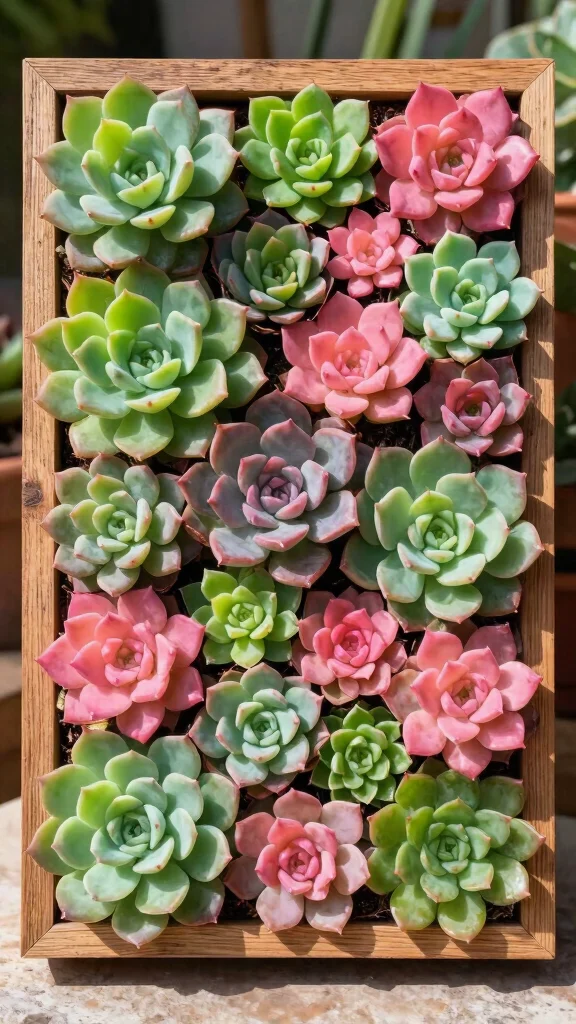
Create a stunning succulent wall art piece as an innovative way to showcase your small garden. These arrangements are not only beautiful but also unique, perfect for adding greenery to a small space. You can repurpose a wooden frame or an old picture frame to craft your succulent display.
For assembly, line the frame with landscaping fabric before adding soil, and plan your layout to allow trailing succulents enough room to flourish. Ensure that all succulents receive adequate sunlight and water sparingly, as they thrive in dry conditions.
Here are some assembly tips for your succulent wall art:
– Incorporate a variety of shapes and colors for an eye-catching display.
– Consider using wall-mounted frames for easy installation.
– Regularly check moisture to ensure healthy growth.
This creative idea not only enhances your walls with greenery but also serves as a striking piece of living art that maximizes every inch of your small garden.
12. Grow Bags
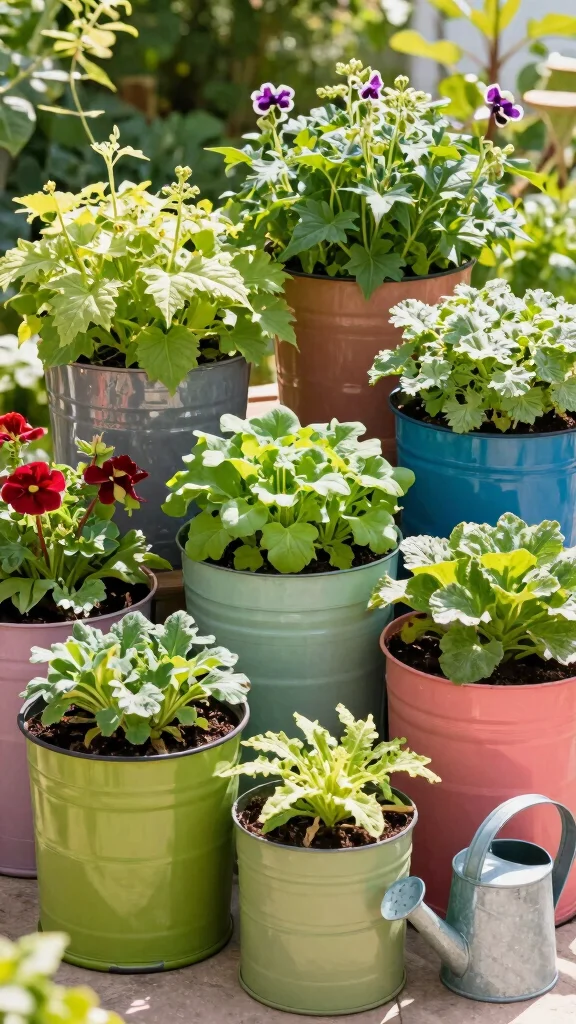
Grow bags offer flexibility and portability, making them an excellent option for small gardens. These bags allow for easy movement and excellent drainage, perfect for urban gardening solutions. You can grow anything from vegetables to flowers in them, and they come in various sizes to fit your space.
The advantages of using grow bags include good aeration to the roots and the ability to arrange them creatively in limited spaces. When planting, choose the right size for each plant’s growth and use high-quality potting mix for optimal results.
Here are some maintenance tips for your grow bags:
– Monitor moisture levels closely as they can dry out faster than pots.
– Regularly inspect for wear and tear to prolong their life.
– Position bags in areas that receive adequate sunlight.
Using grow bags allows for versatile growing options while maximizing space, infusing your small garden with vibrant life and color.
13. Edible Landscaping

Combine beauty with functionality by incorporating edible plants into your landscaping. This clever idea utilizes space efficiently while providing fresh ingredients for your meals. Plant colorful vegetables alongside traditional flowers to create an eye-catching design that pleases the palate and the eyes.
For suggestions, consider planting colorful carrots, beets, or herbs among your flowers. You might also include dwarf fruit trees or berry bushes to introduce vertical interest. Plan your layout thoughtfully to mix ornamental and edible plants seamlessly, and rotate crops to maintain soil health and vigor.
Here are some practical ideas for edible landscaping:
– Incorporate herbs close to your kitchen for easy access.
– Use companion planting techniques to boost growth.
– Consider seasonal variations for continuous harvests.
Edible landscaping not only enhances the beauty of your small garden but also encourages a healthy diet, making it a practical and aesthetically pleasing solution.
14. Treetop Garden
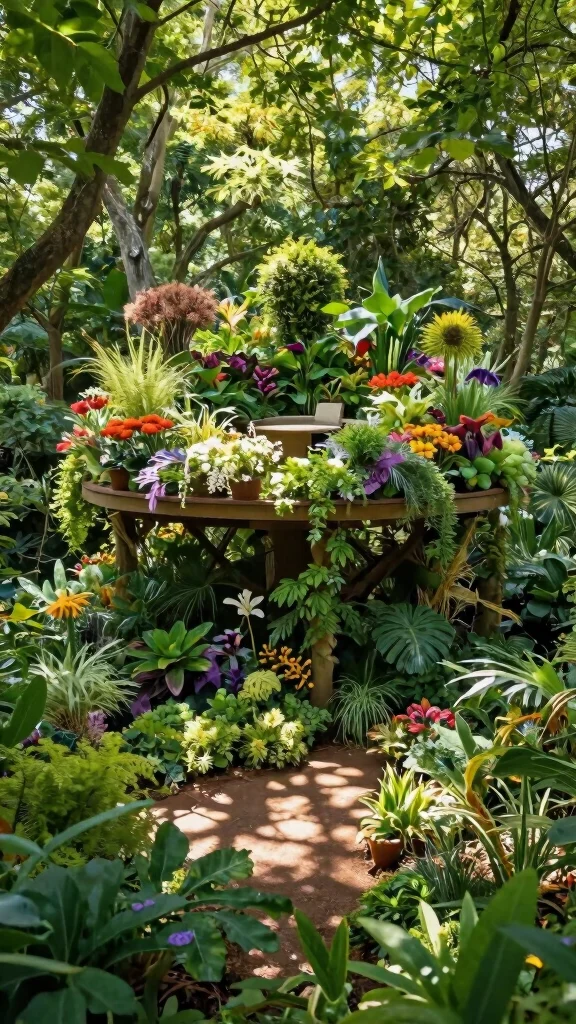
If you have access to a larger outdoor area, consider creating a treetop garden. This whimsical concept involves building a platform or raised bed high up, utilizing vertical space creatively. It can be a fun escape for children or a cozy retreat for adults, making it a unique option for small gardens.
To ensure safety, stabilize the structure firmly and use lightweight materials for the garden bed. Choose lightweight plants that do well in elevated conditions, mixing flowers and herbs for a delightful sensory experience.
Here are some tips for your treetop garden:
– Use railings to enhance safety and prevent falls.
– Incorporate features like seating for relaxation.
– Position plants for optimal sunlight exposure.
A treetop garden transforms unused vertical space into a magical retreat, offering a fresh perspective on your surroundings while maximizing every inch of your garden.
15. Green Roof

If you have a flat roof, consider the incredible opportunity of a green roof to cultivate a garden. This innovative design creates a living space that provides insulation and reduces heat while enhancing the beauty of your home. Green roofs require careful planning and a waterproofing system to ensure safety and stability.
When planning your green roof, choose lightweight soil and drought-resistant plants to minimize weight and maintenance. Ensure proper drainage to prevent water accumulation and select a variety of plants for visual interest.
Here are some planting ideas for your green roof:
– Include sedums, succulents, or native grasses for low-maintenance options.
– Mix in ornamental flowers for added color and beauty.
A green roof not only maximizes space but also offers environmental benefits, making it an excellent choice for modern urban gardeners.
You Might Also Like
16. Gutter Garden
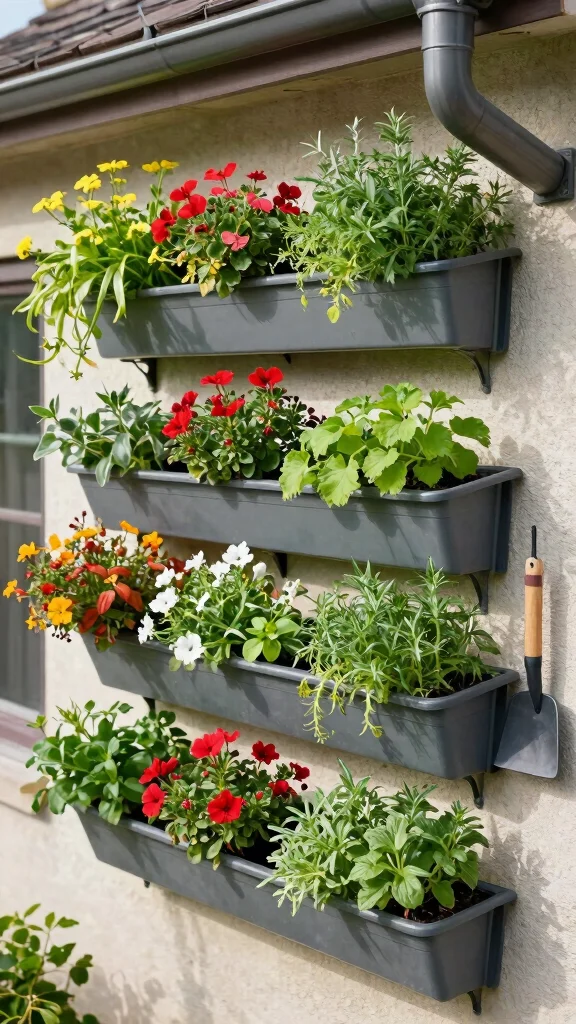
Transform old gutters into an innovative garden solution by hanging them on a wall or fence. This quirky planter adds unique flair to your garden while utilizing vertical height instead of horizontal width, perfect for small spaces.
To set up your gutter garden, securely mount the gutters, ensuring they are level, and drill drainage holes to prevent water retention. Use shallow-rooted plants like herbs, strawberries, or small annuals for a vibrant display that thrives in this unique setup.
Here are some tips for your gutter garden:
– Mix colors and plant types for a lively look.
– Ensure gutters are easily accessible for maintenance.
– Position the garden where it receives ample sunlight.
This creative approach maximizes your gardening area while adding a fun, eclectic touch to your outdoor decor.
17. Terraced Garden

Create a terraced garden in your small outdoor space by building up rather than out. This layered approach maximizes space while allowing various plants to thrive at different heights. You can construct terraces using bricks, wood, or stone, depending on your preferred style.
To ensure success, make sure each level has proper drainage and use the top tier for plants that require more sunlight. Mixing flowers and vegetables creates a diverse and beautiful garden, while herbs on the top level offer easy access during cooking.
Here are some design tips for your terraced garden:
– Use retaining walls to keep soil in place.
– Consider incorporating pathways for easy access.
– Choose plants that complement each other in terms of sunlight and water needs.
A terraced garden not only creates an organized and visually appealing outdoor space but also makes small areas feel like a lush oasis.
18. Fairy Garden
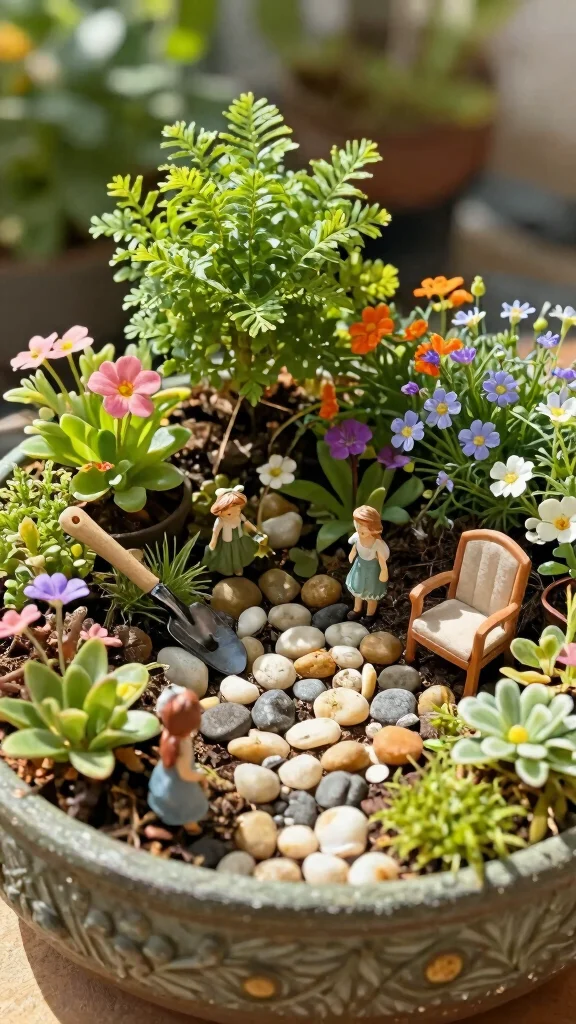
Introduce a touch of whimsy to your garden with a fairy garden—a miniature landscape that can fit in a small container. This charming idea allows for creativity in plant selection and decor, making it a delightful addition to your outdoor space. Use tiny plants, colorful stones, and even small fairy figurines to craft a magical scene.
When setting up your fairy garden, choose a container that fits your theme, whether rustic or modern. Incorporate a variety of textures and colors to enhance visual interest and create a captivating environment for both children and adults.
Here are some plant suggestions for your fairy garden:
– Use dwarf varieties or moss for a magical atmosphere.
– Include low-growing flowers for vibrant pops of color.
– Position plants in a way that creates depth and dimension.
A fairy garden invites imagination while maximizing your small garden space, making it a delightful retreat for all ages.
19. Plant Stands

Incorporating plant stands into your garden can elevate your plants and add visual interest. These stands come in various styles and heights, allowing you to create a layered look that draws the eye upward. Mixing and matching different stands can result in an eclectic vibe that enhances your outdoor decor.
When choosing plant stands, look for options that suit your overall decor style—be it rustic, modern, or vintage. Ensure stability to prevent tipping and arrange plants based on their height for a balanced display.
Here are some tips for using plant stands effectively:
– Position taller plants on higher stands for dramatic effect.
– Use a mix of flowering plants and greenery for variety.
– Group stands together for a cohesive arrangement.
Plant stands not only maximize vertical space but also enhance your outdoor decor, creating an inviting atmosphere that welcomes guests.
20. Modular Planting Systems
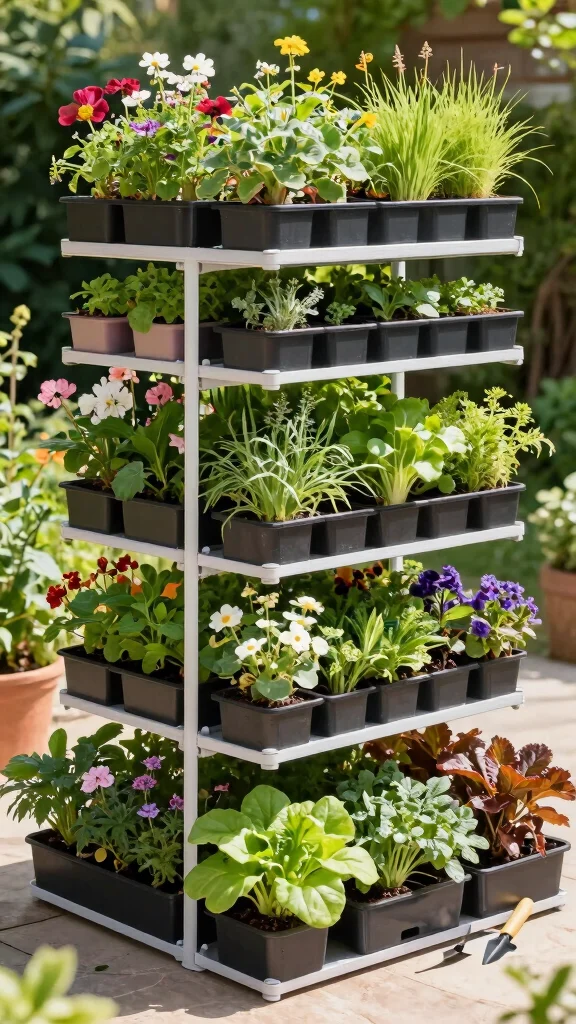
Modular planting systems offer versatility and are perfect for small gardens. These systems allow you to rearrange your plants easily based on seasons or personal preferences. Often stackable, they can be customized to fit any available space, making them a fantastic choice.
The benefits of modular systems include ease of management for beginners and the flexibility to change layouts as needed. Use a combination of flowers, herbs, and vegetables to create a visually appealing and functional garden.
Here are some planting tips for modular systems:
– Choose plant varieties that thrive together.
– Consider stacking systems for maximum growth potential.
– Regularly change arrangements to keep your garden fresh.
With modular planting systems, you can maximize every inch of your small garden while creating a unique and adaptable green space that reflects your personal style.
Conclusion

Each of these small garden ideas offers an opportunity to transform your limited space into a lush, vibrant retreat filled with life. Whether you prefer vertical gardening, container setups, or creative repurposing, these solutions maximize every inch of your outdoor decor. Embrace these trends and let your garden reflect your personality and love for nature—your small space can become a stunning oasis of greenery.
Start your journey today, get your hands dirty, and create the small garden of your dreams!
Frequently Asked Questions
What are the best vertical garden ideas for a tiny balcony to maximize space?
Discover simple vertical garden ideas that turn a tiny balcony into a lush oasis. Start with rail planters, wall-mounted pockets, and a trellis to grow herbs and compact vegetables. Use stackable pots or hanging planters to add layers and space-saving gardening principles. Pair with outdoor decor like a small rug and weatherproof cushions to tie the look together. With a few shelves and a sunny spot, this is a practical way to unpack more small garden ideas into your outdoor space.
How can I apply container gardening tips to maximize a small outdoor area?
Container gardening tips for limited spaces include choosing lightweight, stackable containers, using wheels for mobility, and grouping plants by sun needs. Pick compact varieties and create a greenscape on a sunny balcony, railing, or patio corner. Ensure drainage and use a good potting mix. This approach embodies space-saving gardening and keeps your small garden ideas blooming with minimal hassle. For added impact, mix herbs, salad greens, and compact flowers in one container to maximize scale and interest.
What affordable outdoor decor ideas can support a vertical garden setup?
Affordable outdoor decor ideas that boost a vertical garden setup include repurposing pallets, hanging organizers, and gutter planters—great for vertical garden ideas on a budget. Paint or stain to match your space, add trellises, and use lighting to highlight the greenery. This is a practical way to implement urban gardening solutions without breaking the bank, while keeping your outdoor decor cohesive with a small garden ideas vibe.
Which plants thrive in vertical gardens for urban spaces?
Plants that thrive in vertical gardens for urban spaces include compact herbs (basil, thyme), leafy greens (lettuce, spinach), and small fruiting plants (strawberries). Succulents and trailing vines also work well in shallow pockets. Choose varieties with similar sun and water needs to simplify care. This aligns with vertical garden ideas and urban gardening solutions, turning even a balcony into a productive, decorative patch within your small garden ideas framework.
What is the best way to water and maintain a vertical garden in a small space?
Watering a vertical garden in a small space is all about efficient delivery and drainage. Use a drip irrigation or self-watering planters to keep soil evenly moist without overwatering. Add a moisture meter and check weekly, adjusting for rainfall. Mulch the top layer to retain moisture and ensure good drainage. With a smart routine, maintenance stays quick and reliable, keeping your small garden ideas thriving year-round.
Related Topics
small garden ideas
vertical gardening
outdoor decor
space-saving gardening
container gardening
urban gardening
easy gardening
DIY garden projects
beginner friendly
sustainable gardening
small space solutions
trending garden styles
Leave a Reply