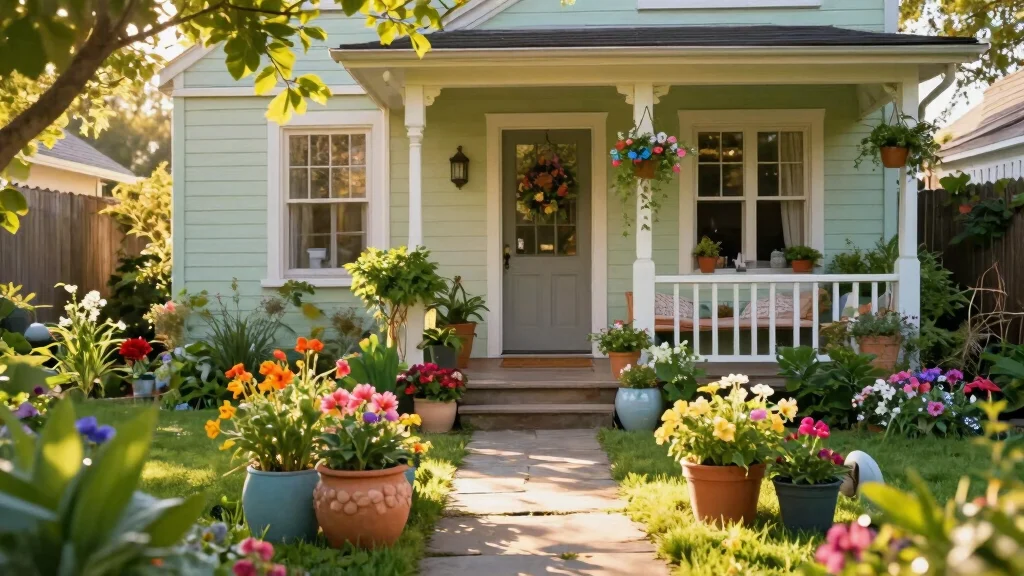
Creating a stunning front garden can feel like a daunting task, especially when your outdoor space is limited. Yet, this small area holds a wealth of potential for creativity and charm. I made this post to help you unlock that potential with 17 small front garden ideas that make a big impact. Whether you’re looking to boost curb appeal, create a welcoming entrance, or make an eco-friendly statement, there’s something here for everyone.
If you’re a homeowner or a gardening enthusiast who wants to transform your front yard, this guide is for you. You may feel overwhelmed by options, but you’re not alone in wanting to create an inviting space. From container gardening to striking pathways built with recycled materials, these ideas are designed to inspire and inform you. Each suggestion is curated to not only beautify your home but also embrace sustainability, making your garden a reflection of your values.
By diving into this collection, you’ll discover practical tips and creative solutions to elevate your front garden. You’ll gain insights into eco-friendly practices, learn how to maximize small spaces, and find ways to make your garden a unique extension of your personal style. Let’s embark on this journey to enhance your front garden with ideas that are beautiful, sustainable, and impactful.
Key Takeaways
– Discover how vertical garden panels can maximize limited space while adding lush greenery to your front garden.
– Learn the art of container gardening, which allows for creativity and flexibility in your planting choices.
– Explore the benefits of using recycled materials for pathways, creating a unique and eco-friendly look.
– Find out which native plants thrive in your area, helping conserve water and support local wildlife.
– Uncover tips for eco-friendly lighting that enhances the night-time atmosphere while being kind to the environment.
1. Vertical Garden Panels

Vertical garden panels are an excellent choice for small front gardens, where every square foot matters. This design element enhances visual appeal while providing a lush backdrop for a variety of plants, from vibrant flowers to aromatic herbs and even vegetables. Imagine a stunning wall adorned with cascading greenery that invites nature into your space.
To implement this idea, simply attach the panels to an exterior wall or fence. Utilize wall-mounted pots and trellises to create a living artwork that captivates passersby.
Tips for Success:
– Choose a combination of trailing and upright plants for added depth.
– Ensure proper drainage to keep your plants thriving.
– Consider a drip irrigation system for easy upkeep.
This vertical approach not only beautifies your space but also promotes biodiversity while making a small garden feel expansive.
How To Choose Sustainable Small Front Garden Ideas
When planning your small front garden, choosing the right elements can make all the difference. You want a space that is not only beautiful but also sustainable. Here are some selection criteria to consider:
1. Size
First, evaluate the available space in your front garden. Measure the area to guide your choices. A smaller garden benefits from compact plants and creative layouts. Consider vertical gardening to maximize your use of space.
2. Plants
Choose native plants for your garden. Native varieties require less maintenance and are more resistant to local pests. They also attract local wildlife, enhancing biodiversity. Look for drought-resistant plants that thrive in your region to reduce water needs.
3. Materials
Use eco-friendly materials for any hardscaping. Recycled stones or reclaimed wood for pathways are great options. Consider porous paving materials that allow water to drain and reduce runoff. This helps maintain soil moisture and creates a more sustainable environment.
4. Watering System
Implement a water-efficient irrigation system. Drip irrigation or soaker hoses deliver water directly to plant roots, minimizing waste. Rain barrels can collect and store rainwater for later use, saving you money and resources.
5. Garden Decor
Select sustainable decorations for your garden. Look for items made from recycled materials, like garden art or birdhouses. Choose colors and designs that complement your plants. This adds visual appeal while being environmentally conscious.
6. Budget
Establish a budget before starting your garden project. Sustainable choices can be cost-effective, but some elements may require more investment. Compare prices for plants and materials. Remember, investing in quality can lead to long-term savings.
Pro Tip: Consider starting with a few key features, like a vertical garden or a rain barrel. Gradually expand your garden as you learn what works best for your space. This approach keeps costs manageable and allows you to enjoy your garden while making improvements over time!
2. Container Gardening
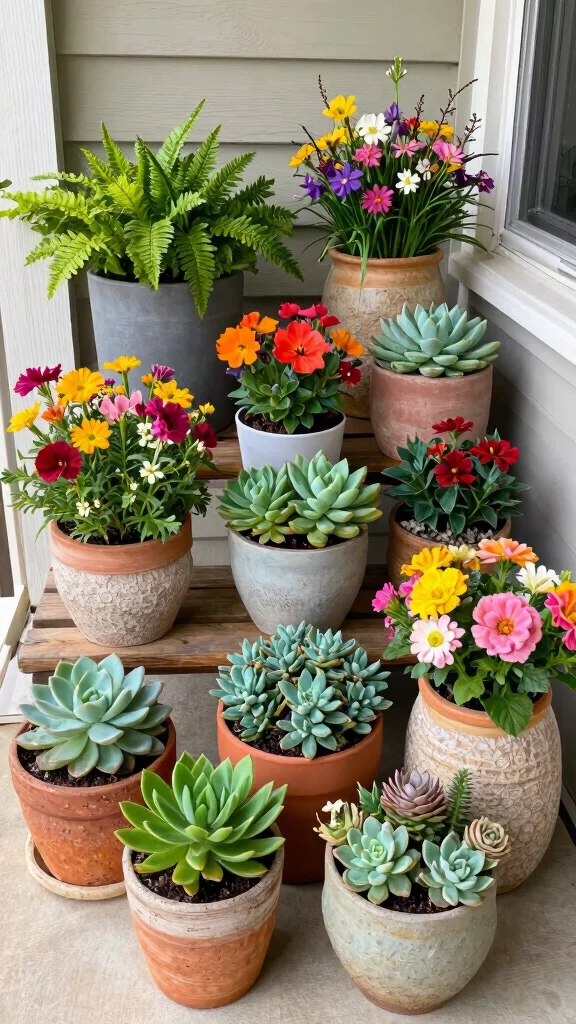
Container gardening is a delightful way to infuse your small front garden with color and life without the need for extensive digging. Opt for eco-friendly pots made from recycled materials, which allow you to create a stylish and sustainable garden. Mixing different plants in containers not only adds vibrancy but also creates an eye-catching display for your outdoor space.
Consider using a variety of heights, colors, and textures to create dynamic arrangements. This approach allows you to easily change your garden’s look with the seasons.
Container Choices:
– Use recycled plastic pots for durability.
– Select biodegradable pots made from coconut coir.
– Incorporate decorative ceramic pots for a touch of elegance.
Plant Suggestions:
– Include succulents for low-maintenance beauty.
– Choose colorful annuals for seasonal pops of color.
– Add perennials for enduring interest throughout the year.
By grouping pots and varying their heights, you create a cohesive and visually appealing garden display.
3. Pathways with Recycled Materials

A charming pathway made from recycled materials can lead guests to your front door while adding unique character to your garden. Using old bricks, stones, or reclaimed wood not only reduces waste but also gives your garden a rustic, inviting feel. Arrange these materials in a way that harmonizes with your home’s style and enhances your garden’s overall look.
To elevate the design, consider lining the pathway with native plants that provide greenery and create a natural border.
Pathway Tips:
– Ensure a solid base for durability and longevity.
– Include ground cover plants to soften the edges.
– Add solar lights to illuminate the path at night.
A well-defined path enhances curb appeal and leads visitors through your garden while showcasing your commitment to sustainability.
4. Native Plant Selection
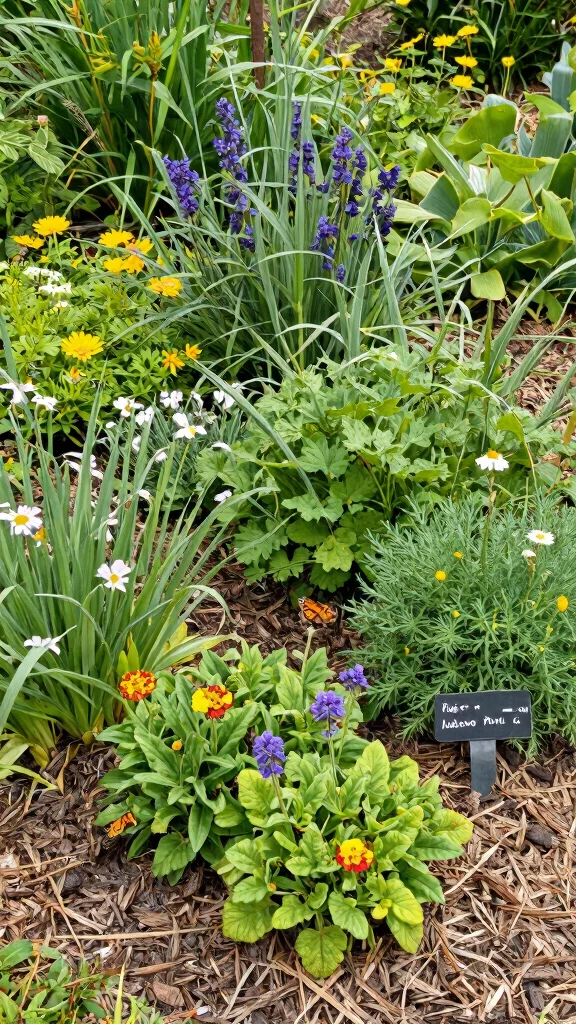
Opting for native plants in your small front garden is a smart and sustainable choice that not only supports local wildlife but also requires less maintenance. These plants are adapted to your local climate, making them resilient and easier to care for. They often need less water and attract beneficial insects and pollinators, enriching your garden’s ecosystem.
Start by researching native species that thrive in your area, incorporating a variety for year-round appeal.
Benefits of Native Plants:
– Enjoy lower water requirements for resource savings.
– Experience fewer pests and diseases.
– Enhance biodiversity in your garden ecosystem.
For a vibrant garden, mix flowering plants with different foliage types to create stunning contrasts and textures.
5. Eco-Friendly Lighting

Lighting can dramatically transform the ambiance of your small front garden, especially as evening falls. Solar-powered lights are a perfect choice, reducing your electricity usage while creating a warm, inviting atmosphere. Use lighting to highlight pathways, illuminate plants, or craft cozy seating areas that beckon you to relax.
String lights can introduce a whimsical flair when draped between trees or along fences, enhancing your garden’s charm.
Lighting Tips:
– Strategically place lights to highlight your garden’s best features.
– Opt for warm tones to foster a welcoming feeling.
– Choose weather-resistant fixtures for durability.
Incorporating eco-friendly lighting options allows your garden to shine while you maintain a commitment to sustainability.
Fun fact: solar-powered lights run on daylight, so your small front garden stays lit without extra bills. They highlight paths and plants, turning twilight into an inviting, cozy nook, a practical tip for smart small front garden ideas.
6. Rain Gardens
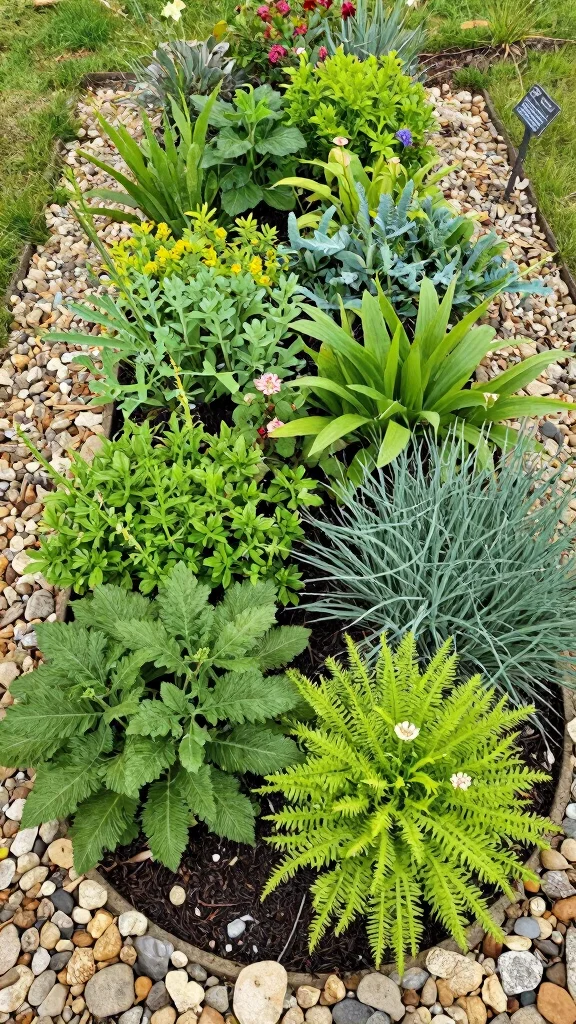
Integrating a rain garden into your front landscape not only beautifies your space but also provides an effective solution for managing stormwater runoff. This garden collects rainwater and helps it soak into the ground, benefiting both your garden and the environment. To create a rain garden, select a low area that naturally collects water and choose plants that thrive in wet conditions.
Native plants are an excellent choice here since they are well-suited for local climates and soil types.
Steps to Create a Rain Garden:
1. Identify a location that collects runoff.
2. Dig a shallow basin; about 6-12 inches deep.
3. Enrich soil with compost for nutrients.
4. Select plants that tolerate both wet and dry conditions.
5. Apply mulch to help retain moisture and suppress weeds.
This eco-friendly feature enhances your garden’s beauty while providing significant ecological benefits.
7. Vertical Planters
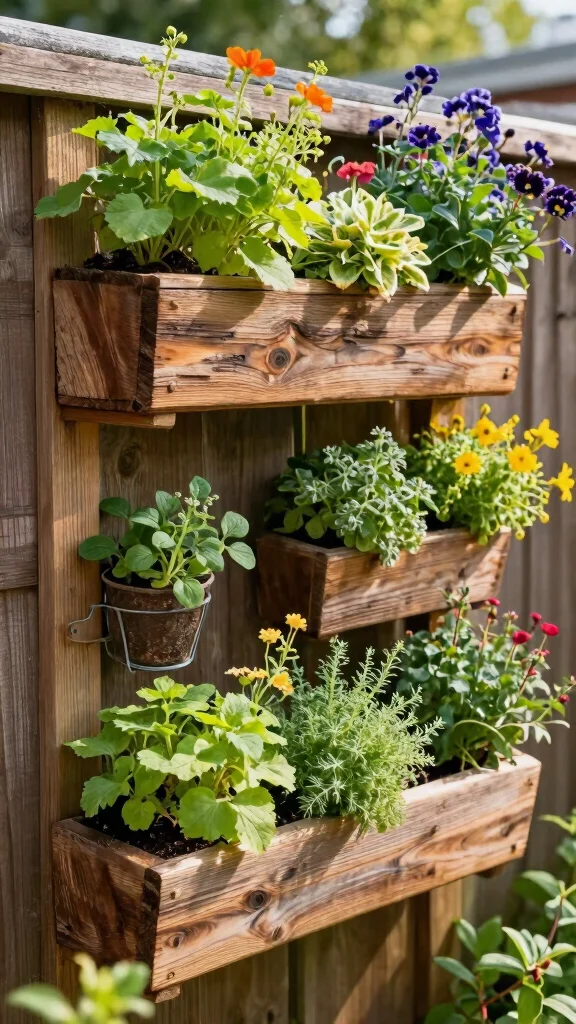
Vertical planters offer a creative way to incorporate greenery into your small front garden while conserving space. These planters can be mounted on walls or fences, creating a living display that’s not only eye-catching but also sustainable. Using materials like reclaimed wood, pallets, or repurposed plastic bottles, you can craft unique planters filled with a mix of herbs, flowers, or vegetables.
Each pocket can showcase a vibrant tapestry of colors and textures, adding interest to your outdoor space.
Installation Tips:
– Ensure your structure is secure enough to hold soil and plants.
– Choose lightweight potting mix for easy maintenance.
– Incorporate a watering system for efficient hydration.
With vertical planters, your garden can literally reach new heights, enhancing its beauty and functionality.
Did you know vertical planters can double usable space in a 4×4 foot front garden? By mounting pockets on walls or fences, you can grow herbs, blooms, and even salad greens while keeping your space tidy and sustainable.
You might also like
8. Seasonal Blooms
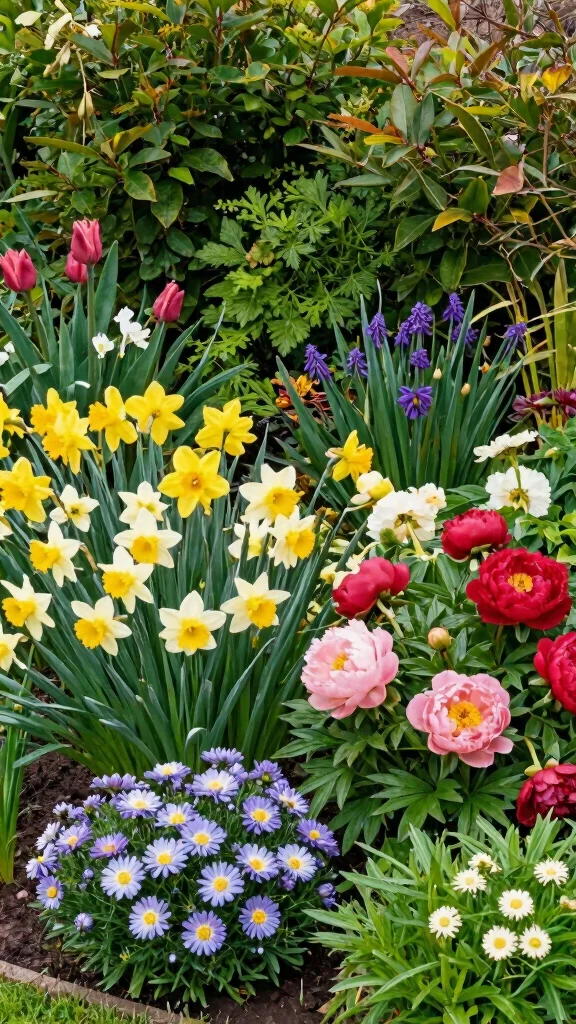
Incorporating seasonal blooms into your small front garden can bring joy and color throughout the year. By selecting plants that flower at different times, your garden can remain vibrant and inviting no matter the season. Start with early bloomers like crocuses and daffodils, and mix in summer favorites such as peonies and daylilies. For fall, consider asters and sedums to keep your garden lively.
Thoughtful planning allows you to create a vibrant, constantly evolving display in your front garden.
Seasonal Planting Tips:
– Group plants with similar care needs for easier maintenance.
– Use annuals for quick bursts of color alongside perennials.
– Rotate plants each season to maintain freshness and variety.
With careful selection, your front garden can be a canvas of beauty that evolves with the seasons.
9. Edible Landscaping

Why not turn your front garden into a beautiful and functional space? Edible landscaping combines fruits, vegetables, and herbs into your gardening scheme, allowing you to enjoy fresh produce right at your doorstep. Blend ornamental plants with edibles for a stunning effect—imagine colorful kale, fragrant herbs like basil and rosemary, or berry bushes nestled among flowering plants.
This approach not only beautifies your garden but also promotes healthy eating and sustainable practices.
Edible Landscaping Tips:
– Select compact varieties ideal for small spaces.
– Consider dwarf fruit trees for visual appeal and yield.
– Utilize decorative pots for herbs on patios or walkways.
This sustainable method enhances your garden’s aesthetics while providing fresh produce for your home.
10. Garden Art Features
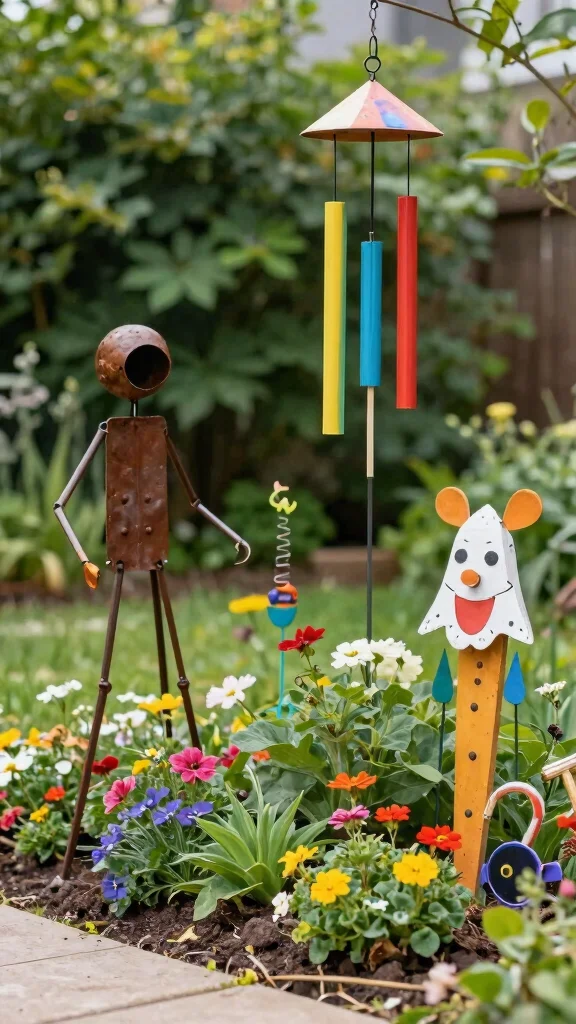
Adding garden art can create focal points and infuse personality into your small front garden. Transform recycled materials into stunning sculptures, wind chimes, or decorative planters, giving your space a unique touch while promoting sustainability. Choose items that reflect your personal style—ceramic pieces, rustic metal art, or even DIY creations can make wonderful additions.
Position your art pieces where they can be easily seen and appreciated, enhancing the overall charm of your garden.
Art Installation Tips:
– Use a variety of heights and materials for added interest.
– Ensure art is weather-resistant for longevity.
– Create a cohesive look by coordinating colors and styles.
Art can transform an ordinary garden into an extraordinary one, showcasing your creativity and love for nature.
Fun fact: Recycling metal scraps and ceramic leftovers for garden art can slash project costs by up to 50% in small front garden ideas. Turn everyday pieces into focal points you proudly display—personal, sustainable, and totally doable.
11. Succulent Displays
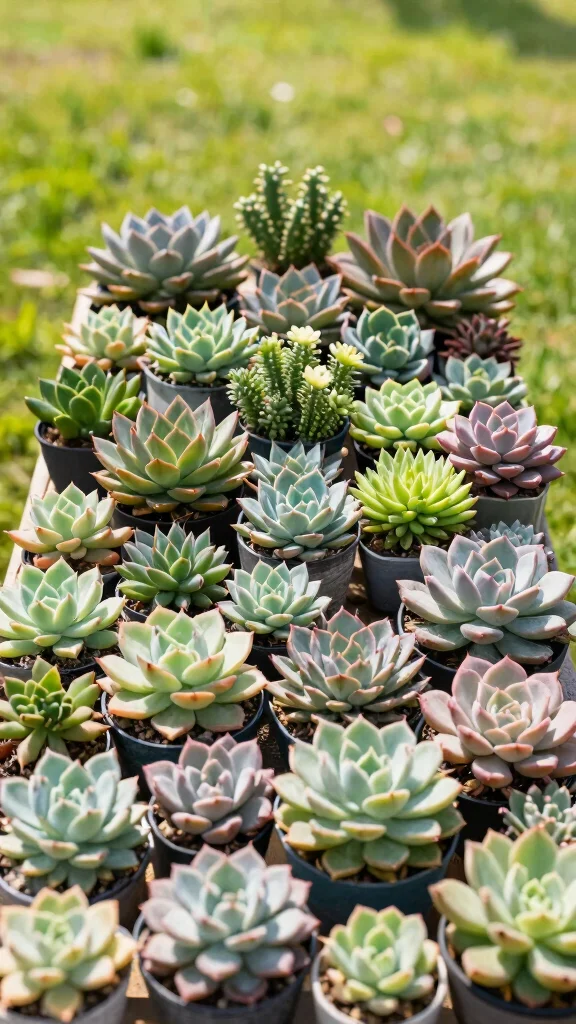
Succulents are perfect for small gardens due to their compact size and low water needs. With a delightful variety of shapes, colors, and textures, these hardy plants can create eye-catching arrangements in pots, containers, or even hanging displays. Pair different types together to form a living tapestry that brightens your front garden.
Succulents thrive in sunny spots, making them ideal for small spaces that bask in sunlight.
Display Tips:
– Use shallow containers to showcase their beauty.
– Group plants of varying heights for visual interest.
– Ensure pots have good drainage to prevent rot.
With proper care, your succulent garden can become a stunning and sustainable feature of your home!
12. Colorful Foliage
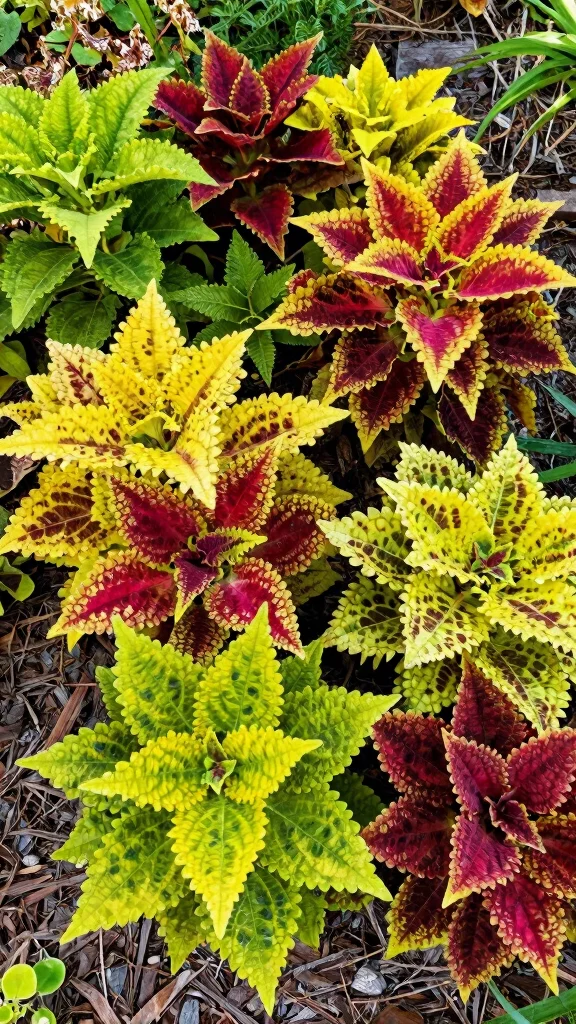
While flowers often steal the spotlight, colorful foliage adds depth and interest to your garden throughout the year. Choose plants with vibrant leaves—like heuchera, coleus, or variegated hostas—to create a stunning visual palette. Mixing textures and colors will enrich your garden without requiring constant blooms, allowing for a more low-maintenance landscape.
Foliage plants often require less care than flowering varieties, giving you more time to enjoy your garden.
Foliage Tips:
– Use contrasting colors for a bold appearance.
– Group similar plants together for a striking impact.
– Incorporate seasonal changes; many foliage plants exhibit beautiful fall colors.
With colorful foliage, your front garden can remain an eye-catching display through every season.
13. Charming Seating Areas
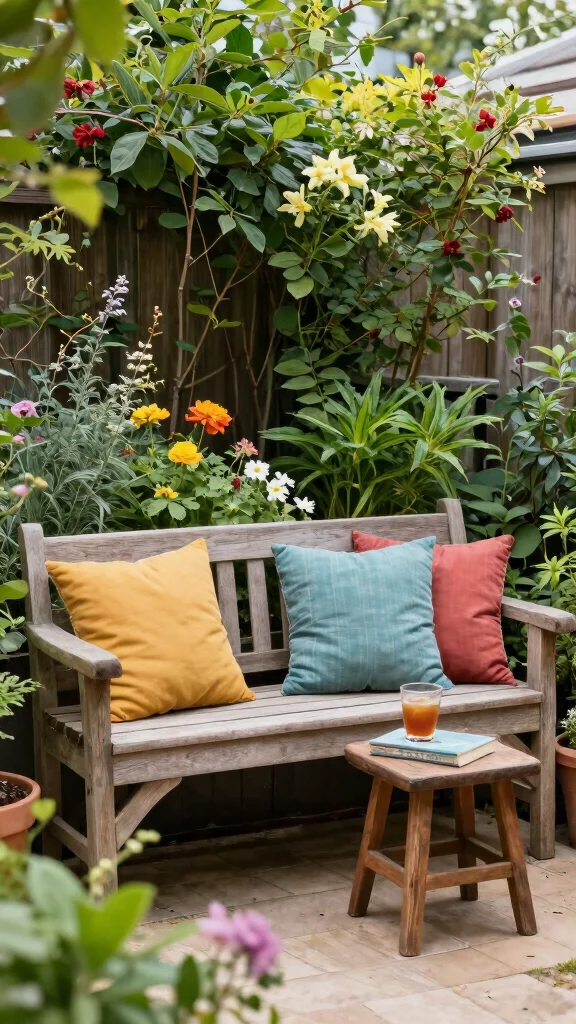
Creating a cozy seating area in your small front garden can greatly enhance its functionality and appeal. A simple bench or a couple of chairs nestled among the plants invites friends and family to gather and enjoy the outdoors. Choose sustainable materials like reclaimed wood or eco-friendly furniture that can withstand the elements.
Arrange potted plants around the seating area for added privacy and ambiance, making the space feel more inviting.
Seating Area Tips:
– Opt for comfortable cushions for extra coziness.
– Incorporate shade options like umbrellas or pergolas.
– Add small tables for drinks and snacks.
This inviting space turns your garden into a welcoming retreat while adding charm to your home.
14. Green Roofs or Living Walls
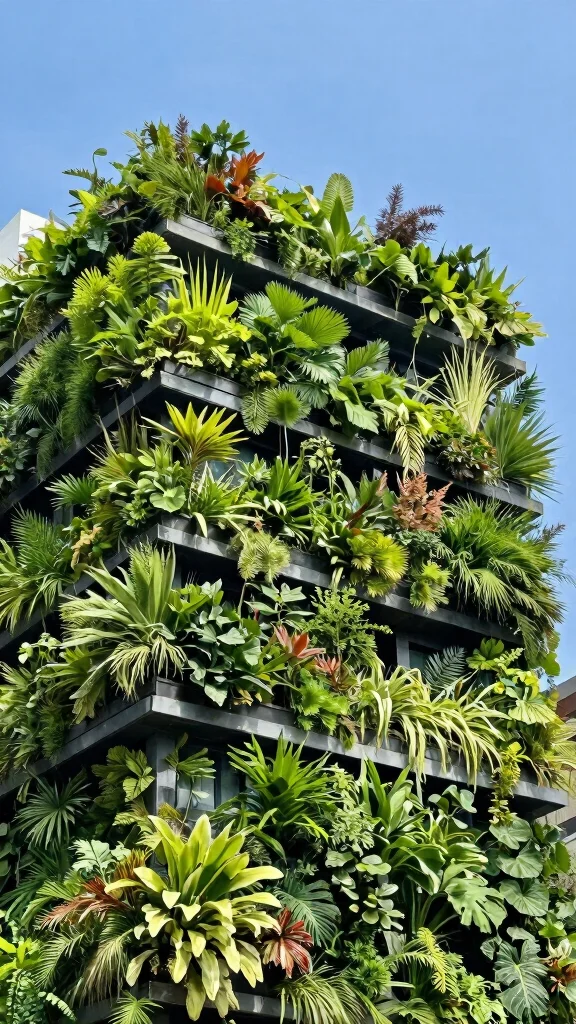
If space is limited, consider green roofs or living walls as innovative designs that utilize vertical spaces sustainably. This approach turns otherwise unused areas into lush gardens while enhancing the insulation of your home. Choose hardy plants suited for these environments and ensure appropriate irrigation and drainage systems for optimal growth.
Consult professionals to address structural support needs and select lightweight growing media to reduce weight.
Installation Tips:
– Ensure proper support for plants and soil.
– Use drought-resistant plants to minimize watering needs.
– Create a diverse plant selection for visual appeal.
Utilizing vertical space not only enhances your garden’s aesthetics but also contributes positively to the environment.
15. Seasonal Décor
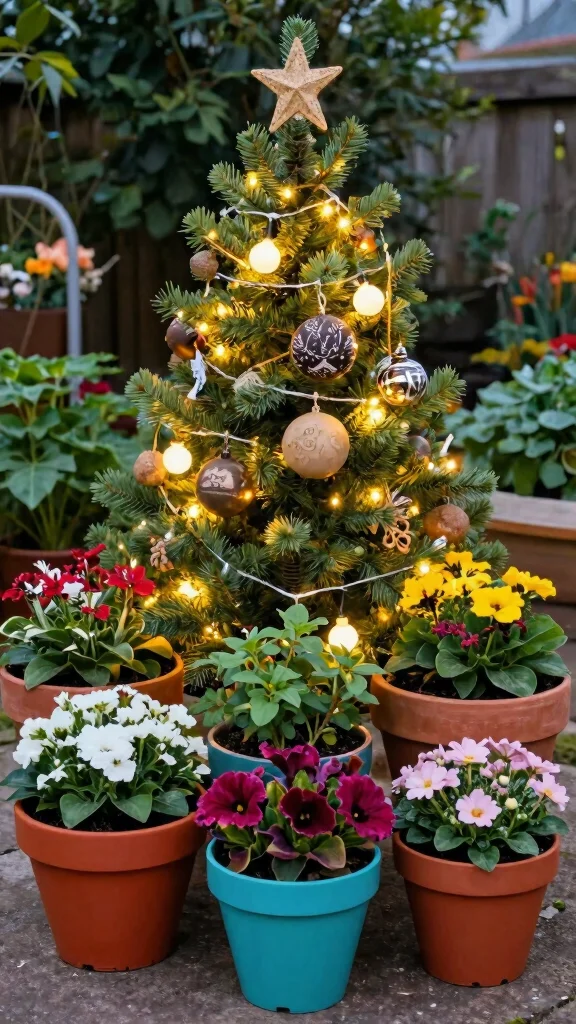
Seasonal décor adds a fun touch to your small front garden throughout the year. Think colorful flower pots in spring, spooky decorations in fall, or twinkling lights during winter. Opt for environmentally friendly decorations made from natural materials or upcycled items to maintain sustainability while showcasing your festive spirit.
Display seasonal flair harmoniously alongside your plants for a cohesive look that celebrates the changing seasons.
Décor Tips:
– Rotate decorations regularly to keep the look fresh.
– Choose colors that complement your plant selections.
– Use natural materials whenever possible to enhance sustainability.
This element of surprise brings charm and character to your front garden, making it a delightful space year-round.
16. Herb Spiral
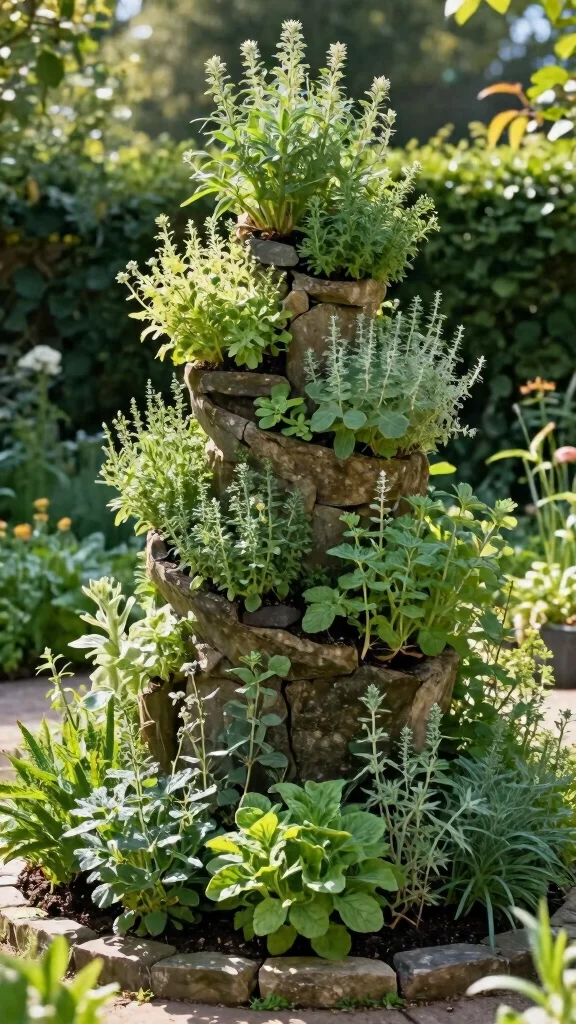
An herb spiral is a clever vertical garden design that maximizes space while providing excellent drainage and sun exposure. This structure is perfect for small gardens, allowing you to grow a variety of herbs within a compact area. Build your spiral using stones or bricks and fill it with nutrient-rich soil, placing water-loving herbs at the bottom and drought-tolerant varieties at the top.
This design not only adds functionality but also beauty to your garden, ensuring fresh herbs are always within reach.
Construction Steps:
1. Outline the spiral using stones or wood.
2. Fill with soil, creating a gradual slope.
3. Plant herbs based on their water needs.
4. Add mulch to retain moisture and reduce weeds.
This sustainable approach enhances your garden’s aesthetics while ensuring a constant supply of fresh herbs.
17. Butterfly Gardens

Designing a butterfly garden invites beautiful pollinators into your small front garden, enhancing biodiversity and providing a delightful view of fluttering butterflies. Selecting specific plants that attract butterflies allows you to create a vibrant and dynamic space. Incorporate a mix of nectar-rich flowers and host plants for caterpillars, such as milkweed, zinnias, and marigolds.
By creating a welcoming environment, you can enjoy the sights and sounds of nature right in your own yard.
Butterfly Garden Tips:
– Plant flowers in clusters for better visibility.
– Avoid pesticides to create a safe haven for butterflies.
– Provide shelter with tall grasses or shrubs.
This eco-friendly addition will not only beautify your garden but also promote a thriving local ecosystem.
Conclusion

Embracing these small front garden ideas can make a significant impact on your home’s curb appeal while promoting sustainable practices. From vertical gardens to butterfly-friendly spaces, each concept allows you to express creativity and commitment to the environment.
As you design your garden, remember that even the smallest spaces can flourish with personality and charm. Dive into your gardening journey and make your front yard a beautiful reflection of your home!
Frequently Asked Questions
What are sustainable small front garden ideas that boost curb appeal without crowding a tiny space?
For a thriving, low-water front garden, start with native or drought-tolerant plants that suit your sun exposure.
Build front garden design with layered plantings: a tall focal specimen, mid-height shrubs, and groundcovers to soften edges.
Add container gardening with stylish, weather-proof pots near the entrance to boost curb appeal ideas.
Choose recycled or natural materials for edging and mulch to reduce maintenance and water use.
Finish with warm lighting to make the space inviting after dark.
How can I design a front garden for a small space that still looks polished?
Define a focal point and keep a cohesive color palette to make a tiny front garden feel polished.
Use repetition and varying textures to create depth without crowding the space.
Maximize vertical space with wall planters, a trellis, or a living wall so you can enjoy more greenery without expanding the footprint.
Choose a narrow path and place containers at the entry to add color where it’s most visible.
Finish with simple garden decoration tips such as a seasonal pot display or a weatherproof sculpture to anchor the design.
What are the best container gardening ideas for a small front garden?
Think portable, layered, and color-coordinated. Use a mix of large and small containers grouped near the doorway to create a focal point.
Choose lightweight, self-watering planters for easier upkeep and better water use.
Plant a combination of evergreen fillers and seasonal color for year-round interest.
Use drainage trays and a simple drip irrigation line to conserve water.
Include herbs, compact shrubs, and drought-tolerant perennials for quick color.
Which low-water plants and groundcovers work well in a sustainable small front garden?
Great options include lavender, sedum, creeping thyme, oregano, rosemary, and dwarf grasses for color with minimal water. Pair with low-growing groundcovers like creeping thyme or sedum to fill gaps.
Use mulch and compost to improve soil, reduce evaporation, and feed plants.
Group plants by sun/shade needs to minimize watering and design front garden design and curb appeal ideas.
How can I maintain a stylish and sustainable small front garden year-round?
Create a simple maintenance routine: seasonal pruning, mulch every autumn, check irrigation, compost yard waste, recycle materials, and plan for seasonal color with perennials.
Develop a quick weekly upkeep—about 15 minutes—to tidy, water, and pull weeds.
For sustainability, collect rainwater in a barrel, reuse chipped wood as mulch, and rotate containers to maximize sun.
With these small, consistent habits you’ll keep your small front garden ideas stylish and eco-friendly year-round.
Related Topics
small front garden
front garden design
sustainable landscaping
curb appeal
container gardening
easy garden ideas
beginner friendly
small space decor
DIY garden projects
colorful plants
seasonal gardening
eco-friendly gardens
Leave a Reply