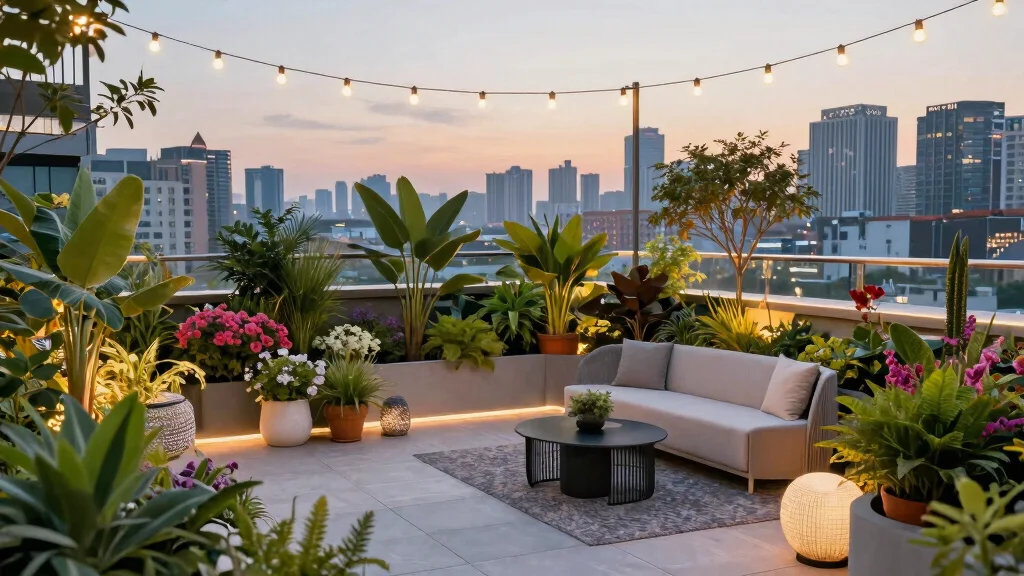
Finding ways to bring a touch of nature into urban living can feel like a challenge, especially if space is limited. That’s why I created this post about rooftop garden design ideas. The rooftop can be an untapped sanctuary, a perfect place to cultivate your own green oasis right above the hustle and bustle. Whether you’re looking to unwind after a long day or create a vibrant space for gatherings, an urban rooftop garden can transform your lifestyle.
If you’re someone who appreciates home decor and wishes to elevate your outdoor space, this guide is tailored just for you. You’ll discover 18 inspiring ideas that are not only fresh and contemporary but also practical for small spaces. Each concept will help you create a unique urban garden that reflects your style while maximizing every inch of your rooftop.
In this post, you’ll find practical tips, design inspiration, and sustainable gardening ideas. From cozy seating areas to vertical gardens, each design choice is meant to enhance your rooftop experience. Prepare to be inspired as we explore how to make your rooftop the ultimate retreat!
Key Takeaways
– Discover space-saving solutions like vertical gardens that maximize greenery without taking up too much room.
– Learn about creating cozy seating areas that turn your rooftop into a relaxing retreat for you and your guests.
– Explore sustainable gardening practices that help the environment and keep your rooftop thriving.
– Find tips for incorporating lighting and water features to set the mood and enhance your outdoor ambiance.
– Get ideas for seasonal displays and personal touches that make your rooftop garden truly yours.
1. Vertical Gardens: Space-Saving Greenery
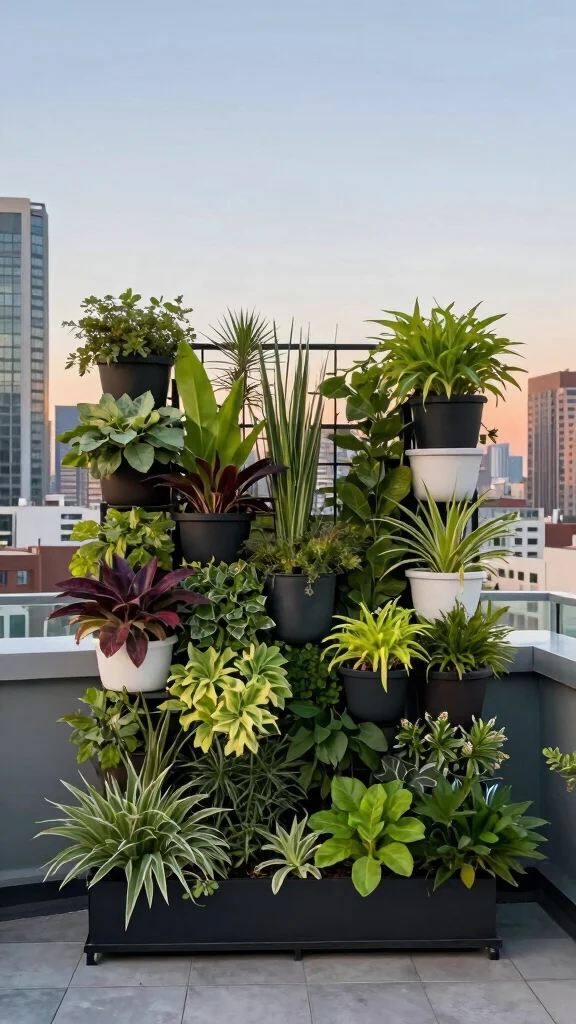
Vertical gardens are a brilliant way to bring greenery to compact rooftops. They allow you to maximize your plant display without taking up valuable floor space. By using wall planters or trellises, you can create an eye-catching vertical arrangement that draws the eye upward, adding depth and charm. Mixing flowering plants with trailing vines creates a dynamic and lush visual experience that brightens any space.
To make the most of your vertical garden, consider using lightweight containers for easy installation. Select plants that thrive in your climate to ensure success, and think about incorporating a drip irrigation system for efficient watering. This not only aligns with eco-friendly practices but also connects your design to broader trends in sustainable gardening.
Consider these ideas to enhance your vertical garden:
– Pair trellises with climbing roses for a romantic touch.
– Install wall-mounted planters filled with herbs for culinary use.
– Use colorful pots to add vibrancy against neutral walls.
– Incorporate mirrors to reflect greenery and expand visual space.
With thoughtful choices, vertical gardens can transform your rooftop into a lush haven while improving air quality and providing a tranquil retreat amidst the urban landscape.
2. Cozy Seating Areas: Create Your Retreat

Creating a cozy seating area on your rooftop can turn it into an inviting retreat. Selecting comfortable furniture like outdoor sofas or oversized bean bags encourages relaxation and enjoyment of the outdoors. Position your seating to capture stunning views, whether it’s a sunset or a skyline, making it the perfect spot for unwinding after a long day.
To elevate your space, incorporate soft cushions and throws for added comfort, and opt for weather-resistant materials to ensure durability. Adding a small outdoor rug can help define the seating area, making it feel more like a room. A retractable awning or umbrella can also provide shade, allowing you to enjoy the space even on sunny days.
Here are some essentials for your seating area:
– Use bright cushions to add a pop of color.
– Install a coffee table for drinks and snacks.
– Choose lounge chairs with adjustable backs for versatility.
– Incorporate a fire pit for warmth and ambiance.
This cozy setup invites friends and family to relax, transforming your rooftop into a perfect gathering place or a serene escape.
3. Container Gardening: Flexibility and Variety

Container gardening opens up a world of flexibility, making it easy to rearrange your plants as seasons change or your preferences evolve. Utilizing a variety of pots and containers in different colors and materials can create an eclectic and personalized look. This method is fantastic for growing herbs, flowers, or even small vegetables, allowing you to enjoy fresh ingredients right from your rooftop.
Ensure each container has proper drainage to prevent waterlogging, and choose plants with similar care needs to simplify maintenance. Elevating larger pots on sturdy stands can create visual interest, while grouping containers of various heights adds depth and dimension to your garden.
Here are some tips for successful container gardening:
– Select colorful pots to brighten your rooftop.
– Group containers by height for added visual appeal.
– Use self-watering containers for easier care.
– Incorporate decorative stones at the base for style.
This approach enhances your rooftop’s aesthetic while making gardening accessible and enjoyable, perfect for those with busy lifestyles.
Fun fact: A rooftop container garden can fit 6–8 herb pots and deliver fresh herbs all season, right from a small space. As you explore rooftop garden design ideas, different containers and colors let you flexibly swap plants as seasons change—no heavy digging required.
4. Sustainable Practices: Go Green

Embracing sustainable gardening practices in your rooftop garden not only benefits the environment but also enhances the overall aesthetic. Techniques like composting, using rainwater for irrigation, and selecting native plants that require less care can create a thriving garden that looks beautiful. Prioritizing sustainability allows you to create a space that contributes positively to the planet while still being visually appealing.
To integrate sustainability, consider using organic fertilizers and natural pest control methods. Installing a rain barrel can be a practical solution for collecting water, and incorporating perennials ensures your garden returns year after year.
Explore these sustainable gardening ideas:
– Create a compost bin to recycle kitchen waste.
– Choose native plants to support local ecosystems.
– Use mulch to conserve moisture in soil.
– Implement rainwater systems for irrigation efficiency.
By adopting these practices, you not only enhance your garden’s vitality but also nurture a deeper connection with nature.
Fun fact: Native plants cut irrigation needs by up to 30-50% on rooftops. When you add rainwater harvesting and composting, these rooftop garden design ideas become greener, easier, and more cost-effective.
How To Choose the Right Rooftop Garden Design
Choosing the perfect rooftop garden design can seem overwhelming, especially with so many options. You want a space that feels fresh and contemporary while meeting your urban gardening needs. Here are some essential criteria to help you decide on a design that suits your style and space.
1. Space Availability
Before anything else, assess the size of your rooftop. Measure the area to determine how much space you have to work with. Consider any existing structures, such as chimneys or skylights. This will guide you in selecting appropriate garden features without overcrowding your space.
2. Sunlight Access
Understanding how much sunlight your rooftop receives is crucial. Observe the area at different times of the day to note shaded and sunny spots. Most plants thrive in at least 6 hours of sunlight daily, so choose your garden layout accordingly. For areas that get less light, consider shade-tolerant plants or incorporate reflective materials to maximize light.
3. Design Style
Decide on a design style that resonates with your personal taste. Contemporary outdoor spaces often feature clean lines, minimalism, and functional furniture. Browse through urban garden inspirations to collect ideas. You could combine elements like vertical gardens or cozy seating areas for a fresh look.
4. Material Choices
The materials you choose will significantly impact your garden’s look and feel. Opt for durable, weather-resistant materials that complement your home. Consider using eco-friendly options like reclaimed wood or recycled blocks. These materials not only look stylish but also support sustainable gardening ideas.
5. Budget Considerations
Creating a rooftop garden can vary in cost depending on your design choices. Make a budget that covers plants, materials, furniture, and any necessary installations. Remember to allocate funds for ongoing maintenance. You might find that container gardening offers a cost-effective solution while providing flexibility in plant selection.
6. Garden Functionality
Think about how you will use the space. Do you want a relaxing retreat, a place for entertaining, or a small edible garden? Your garden’s function will influence your design choices, from seating arrangements to plant types. Ensure you create a layout that accommodates your lifestyle and enhances your enjoyment of the space.
Pro Tip: Start small if you’re new to gardening. Begin with a few containers or a vertical garden and gradually expand as you become more comfortable. This approach allows you to test what works best in your rooftop environment without feeling overwhelmed.
By following these criteria, you can create a rooftop garden design that perfectly suits your needs and style. A well-planned garden not only adds beauty to your urban environment but also offers a refreshing escape right at your doorstep.
5. Rooftop Edible Garden: Fresh Flavors at Hand
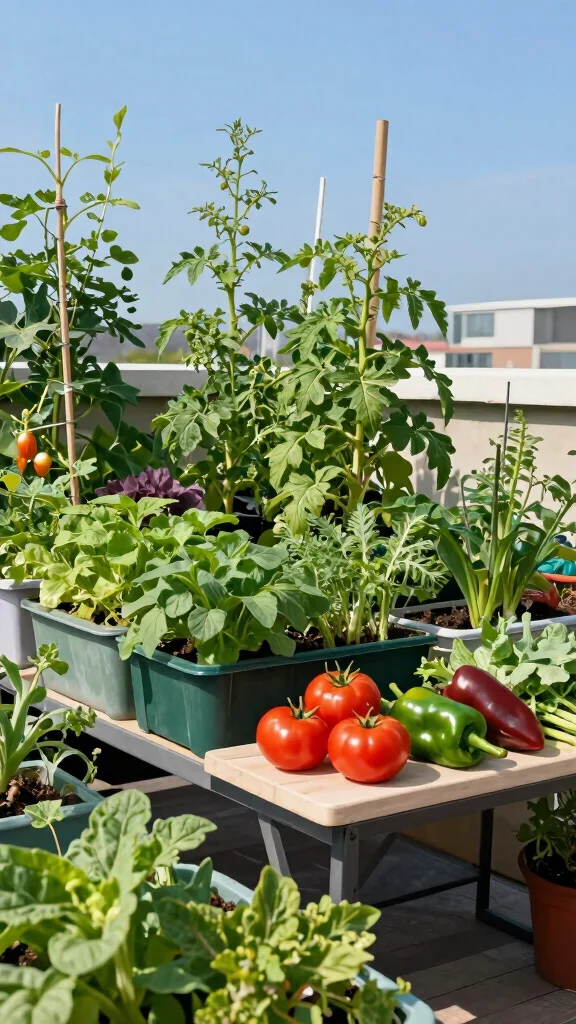
Transforming a section of your rooftop garden into an edible paradise can be both rewarding and delightful. Growing your own fruits, vegetables, and herbs not only beautifies your space but also brings fresh flavors to your kitchen. Imagine plucking basil for your pasta or harvesting ripe tomatoes for a summer salad right from your garden.
When planning your edible garden, select plants that thrive in your specific climate and available space. Utilizing vertical gardening techniques can maximize your area, while companion planting can enhance growth and deter pests, ensuring a fruitful harvest.
Here are essential tips for creating your edible garden:
– Choose herbs that flourish in small spaces.
– Incorporate trellises for climbing plants to save space.
– Rotate crops regularly to maintain soil health.
– Use decorative pots for an appealing look.
This approach not only enriches your culinary experiences but also encourages healthier eating habits, making your rooftop a delightful source of fresh produce.
6. Hardscaping: Define Your Space

Incorporating hardscape elements like patios, paths, and walls is essential for defining your rooftop garden’s character. Materials such as stone, wood, or concrete can create structured areas that beautifully complement your plantings. These elements not only offer practical benefits but also add significant aesthetic appeal, making your rooftop feel more like an outdoor sanctuary.
When choosing materials, prioritize durability to withstand outdoor conditions. Mixing different textures can enhance visual interest, while using pavers or stones to create pathways guides visitors through your garden effectively.
Consider these hardscaping tips:
– Incorporate built-in seating for a cohesive look.
– Use stones to create natural-looking pathways.
– Add raised beds for a structured planting area.
– Choose weather-resistant materials for longevity.
Thoughtful hardscaping transforms your rooftop into a true outdoor space, elevating both style and functionality.
7. Lighting: Set the Mood
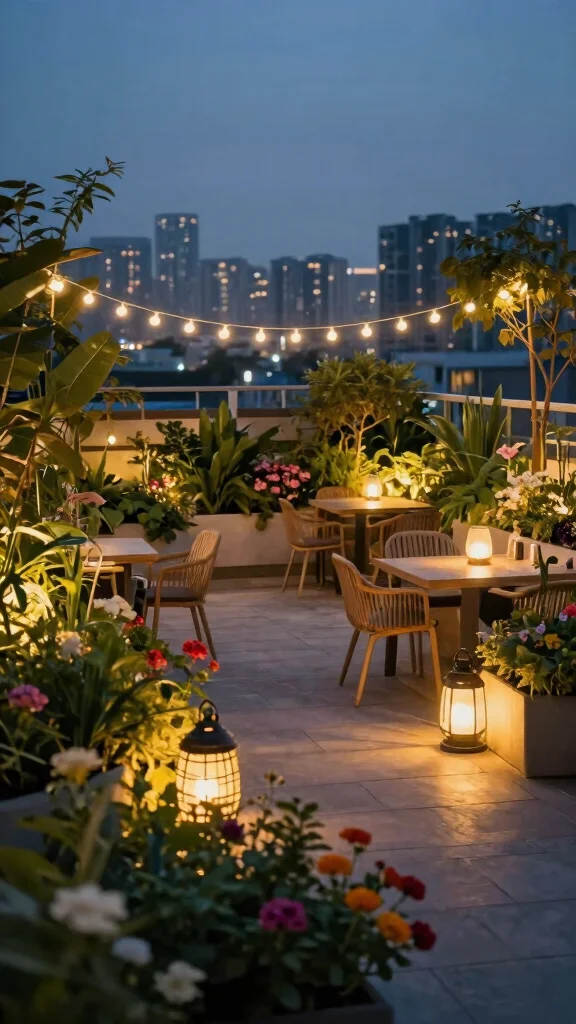
Proper lighting can transform your rooftop garden into a magical space, especially as evening falls. String lights, lanterns, or solar-powered garden lights can create an enchanting ambiance, setting the mood for relaxation or celebration. Think about the atmosphere you want to cultivate—cozy and intimate or bright and vibrant.
To create your desired mood, hang string lights above seating areas for a festive touch, and use solar lights along pathways for safety and charm. Incorporating candles or lanterns can provide soft, natural light while spotlights can showcase specific plants or features, enhancing their beauty.
Explore these lighting ideas:
– Hang lights above dining areas for a warm glow.
– Use solar lights to illuminate pathways.
– Add lanterns for a romantic touch.
– Highlight focal points with well-placed spotlights.
With thoughtful lighting, your rooftop becomes an inviting retreat, perfect for gatherings or peaceful evenings under the stars.
8. Water Features: The Sound of Serenity

Incorporating a water feature, such as a small fountain or pond, can significantly enhance the tranquility of your rooftop garden. The soft sound of flowing water adds a soothing element, making it an ideal escape from the hustle of city life. Additionally, water features attract birds and beneficial insects, enriching your garden’s ecosystem.
When selecting a water feature, ensure it is appropriately sized for your rooftop space and easy to maintain. Using solar-powered pumps can make your feature eco-friendly, while surrounding it with lush plants creates a natural, serene environment.
Consider these tips for your water feature:
– Choose a feature that fits your space well.
– Surround it with fragrant plants for a sensory experience.
– Use solar pumps for sustainability.
– Ensure easy access for maintenance.
Water features elevate the sensory experience of your rooftop, making it a peaceful escape that invites relaxation.
You might also like

9. Seasonal Displays: Change It Up
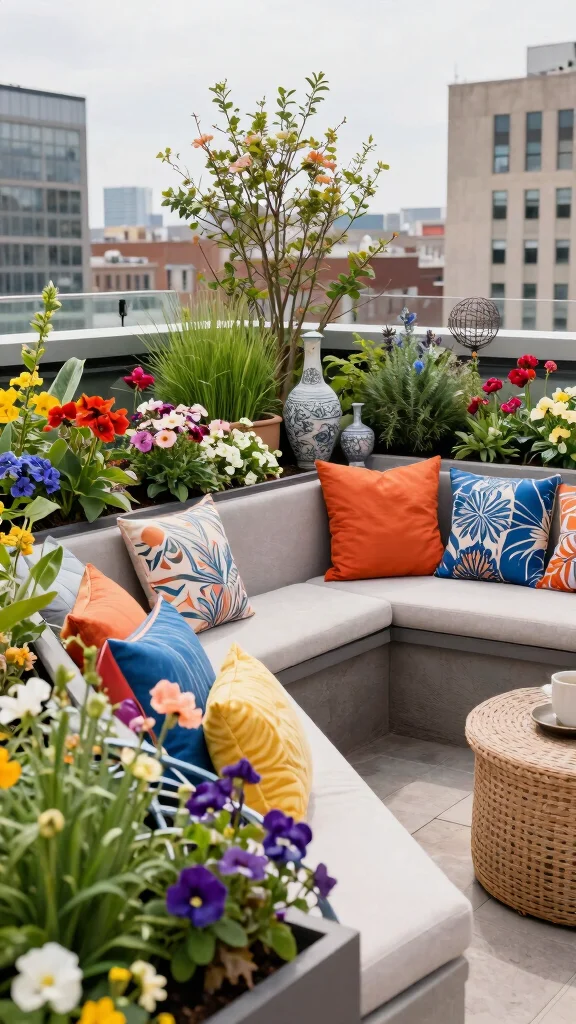
Rotating your plants and decor with the seasons keeps your rooftop garden fresh and engaging. Think of vibrant spring blooms or cozy autumn colors, and include seasonal decor elements to enhance the seasonal feel. This practice can invigorate not only your garden but also your spirits as you embrace nature’s changing face.
To maximize seasonal displays, choose plants that bloom at different times for year-round interest. Incorporating seasonal decorations, like pumpkins in the fall or beachy accents in the summer, adds a festive touch. Regularly updating your seating and accessories reflects seasonal themes, infusing your space with life.
Here are some tips to embrace seasonal changes:
– Select a variety of plants for continuous blooms.
– Use seasonal decorations to enhance visual appeal.
– Change cushions and accessories to match the seasons.
– Incorporate colorful throws and pillows for warmth.
Embracing the seasons adds dynamic quality to your garden, keeping it lively and inspiring throughout the year.
10. Outdoor Art: Personal Touches

Incorporating art into your rooftop garden can add a unique and personal flair, making the space distinctly yours. Whether it’s sculptures, murals, or decorative planters, art pieces serve as conversation starters while enhancing the overall aesthetic. Look for local artists or consider DIY projects to ensure your rooftop stands out.
To personalize your garden with art, consider featuring a large sculpture as a focal point or hanging decorative pieces on walls or fences. Painted pots or planters can add splashes of color, while a mural creates a stunning backdrop for the space.
Here are some creative art ideas for your rooftop:
– Use sculptures to create striking focal points.
– Hang art pieces to add character to walls.
– Incorporate colorful painted pots for vibrancy.
– Design a mural for a unique visual effect.
Art adds soul and warmth, transforming your rooftop into a creative haven that reflects your personality.
11. Roof Deck: Multi-Functional Space
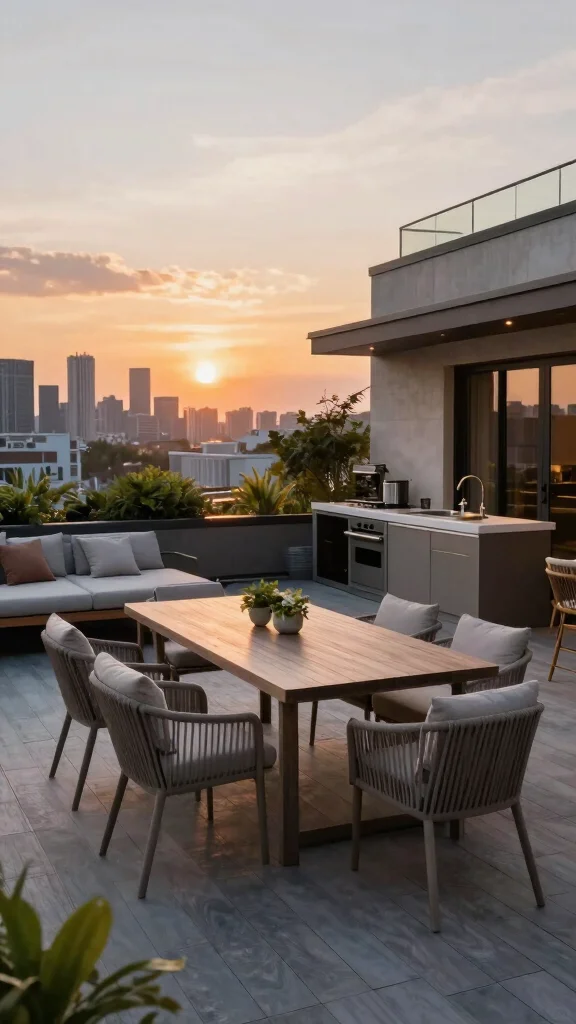
Maximize your rooftop’s potential by designing a multifunctional deck area. Incorporating elements like a dining table, lounge chairs, and even an outdoor kitchen allows you to enjoy everything from morning coffee to evening dinners under the stars. This flexibility lets you cater to different activities throughout the day.
When creating your deck, opt for weather-resistant materials that can withstand the elements. Look for furniture that serves multiple purposes, like a dining table that can be folded when not in use. Incorporating shade solutions, such as canopies or umbrellas, ensures comfort during sunny days.
Consider these essentials for your roof deck:
– Choose durable materials to withstand outdoor conditions.
– Select foldable furniture for easy storage.
– Incorporate shade options for comfort.
– Add outdoor cooking equipment for entertaining.
This approach allows you to make the most of your rooftop space, creating a versatile area for relaxation and enjoyment.
12. Garden Walls: Define Boundaries

Creating garden walls with trellises or privacy screens can help define your rooftop space while providing support for climbing plants. This design not only enhances the vertical element but also ensures your garden feels cozy and secluded amidst the urban setting. Garden walls can serve both functional and aesthetic purposes, framing your garden beautifully.
To enhance your garden walls, consider using wooden trellises for a more natural look or incorporating lattice screens painted in vibrant colors. Planting climbing vines creates a lush green wall effect, while vertical planters attached to walls introduce additional greenery without taking up floor space.
Here are some ideas for your garden walls:
– Use trellises to support flowering vines.
– Incorporate colorful screens for visual interest.
– Create living walls with a variety of plants.
– Add wall-mounted planters for extra greenery.
Creative garden walls can transform your rooftop into a hidden oasis, providing privacy and beauty in an urban landscape.
13. Eco-Friendly Materials: Sustainable Choices
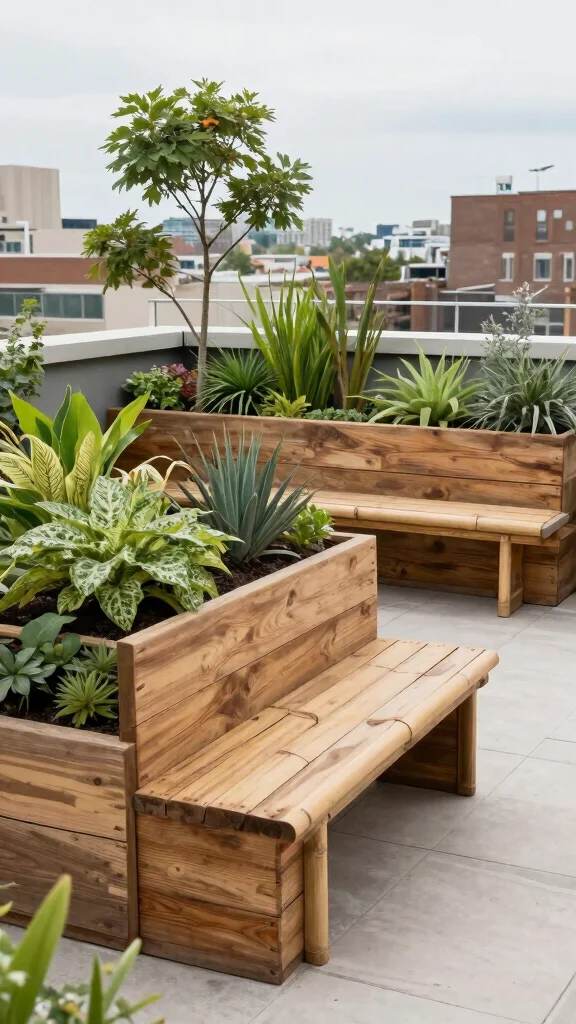
Incorporating eco-friendly materials into your rooftop garden design ensures a smaller environmental footprint while achieving a contemporary look. Using reclaimed wood for planters, recycled metal for decor, or bamboo for seating aligns your aesthetics with sustainable practices. This mindful approach not only helps the planet but also adds a unique charm to your outdoor space.
Implement eco-friendly materials by building raised beds from reclaimed wood or selecting garden furniture made from recycled plastics. Incorporating decorative elements made from biodegradable materials can further enhance sustainability while ensuring aesthetic appeal.
Here are some eco-friendly material ideas:
– Build raised beds using reclaimed wood for a rustic touch.
– Choose furniture from sustainable sources for longevity.
– Incorporate natural fabrics for cushions and covers.
– Select decor items from organic materials.
Sustainable choices enrich your garden’s style and contribute positively to the environment, allowing you to enjoy beauty with a clear conscience.
14. Aromatic Plants: Scented Surroundings

A rooftop garden can engage more than just the eyes; it can tantalize your senses with aromatic plants. By incorporating herbs like lavender, mint, or rosemary, you not only enjoy delightful scents but also have culinary uses at your fingertips. The fragrance of flowering plants like jasmine or gardenias can further create a serene and inviting atmosphere.
When selecting aromatic plants, choose herbs that flourish in small spaces to maximize utility. Consider fragrant flowers to enhance the sensory experience, and group aromatic plants together to intensify their scents. Regular watering and pruning will keep these plants healthy and smelling fresh.
Here are some suggestions for aromatic plants:
– Incorporate herbs that thrive in containers for convenience.
– Choose fragrant flowers to enhance your garden’s appeal.
– Group plants to amplify their scents.
– Ensure proper care for sustained fragrance.
An aromatic garden enhances the sensory experience, creating a truly immersive outdoor retreat that soothes the soul.
Heighten your rooftop garden design ideas with aromatic plants that thrive in small spaces. Lavender, mint, and rosemary perfume the air and double as fresh herbs for meals; jasmine or gardenias add a serene, scented surround you’ll actually notice every day.
You Might Also Like

15. Urban Wildlife: Welcome Nature

Creating a welcoming environment for urban wildlife can enrich your rooftop garden while contributing to local biodiversity. Simple additions like bird feeders, butterfly houses, or bee hotels can attract beneficial species, making your garden a thriving ecosystem. By inviting wildlife, you not only beautify the space but also enhance the ecological health of your surroundings.
To support urban wildlife, consider incorporating native plants that naturally attract local species. Providing water sources, like bird baths, can enhance your garden’s appeal to birds, while avoiding pesticides protects beneficial insects. Diverse plantings create habitats that offer shelter and food for wildlife.
Explore these wildlife-friendly features:
– Use native plants to attract local wildlife.
– Install bird baths to provide essential water sources.
– Avoid chemicals to protect your garden’s ecosystem.
– Create diverse plant groupings for shelter and food.
By fostering a habitat for wildlife, your rooftop garden can become a beautiful space that is both visually appealing and ecologically responsible.
16. Custom Planters: One-of-a-Kind Touch

Custom planters can add a unique touch to your rooftop garden, making it truly personal. Whether you craft your own from materials that fit your aesthetic or purchase customized designs, the variations in shape, size, and color can dramatically enhance the overall look of your garden. Personalized planters serve not just as containers, but as art pieces that enrich your space.
When creating custom planters, use materials that reflect your style, such as ceramic, wood, or metal. Incorporating unique designs, like geometric shapes or artistic patterns, can add flair. Varying heights among planters creates visual interest, while selecting plants that thrive in their chosen containers ensures success.
Consider these custom planter tips:
– Use materials that resonate with your personal style.
– Incorporate artistic designs for added visual appeal.
– Vary heights for a dynamic planter arrangement.
– Choose compatible plants for each planter type.
Custom planters elevate your rooftop garden’s charm, allowing you to express your personality and creativity in your outdoor space.
17. Seasonal Furniture: Change with the Weather
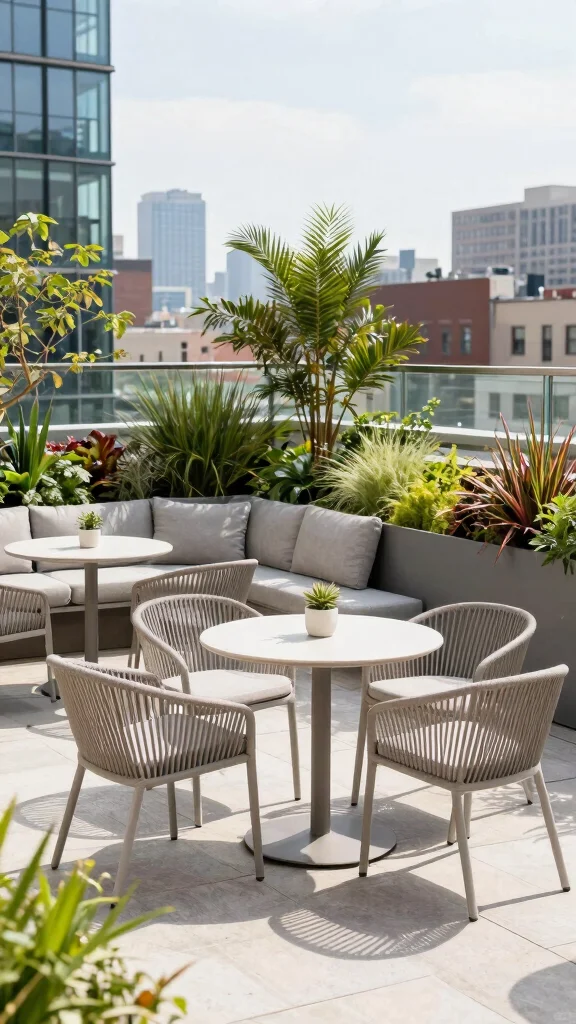
Adjusting your rooftop furniture with the seasons keeps your space feeling fresh and comfortable throughout the year. Opt for lightweight, movable pieces that can be easily rearranged or stored away when the weather changes. This versatility allows you to adapt your space for different conditions, ensuring maximum enjoyment.
Select materials that resist weather elements to ensure durability, and consider foldable or stackable options for easy storage. Choosing colors that complement seasonal themes adds vibrancy, while removable covers protect furniture during harsh weather.
Here are some seasonal furniture tips:
– Choose weather-resistant materials for longevity.
– Opt for foldable pieces for convenience.
– Select colors that reflect seasonal changes.
– Add protective covers to prolong furniture life.
Seasonal furniture changes keep your rooftop garden lively and functional, mirroring the beauty of nature in every season.
18. Personal Touches: Make It Yours
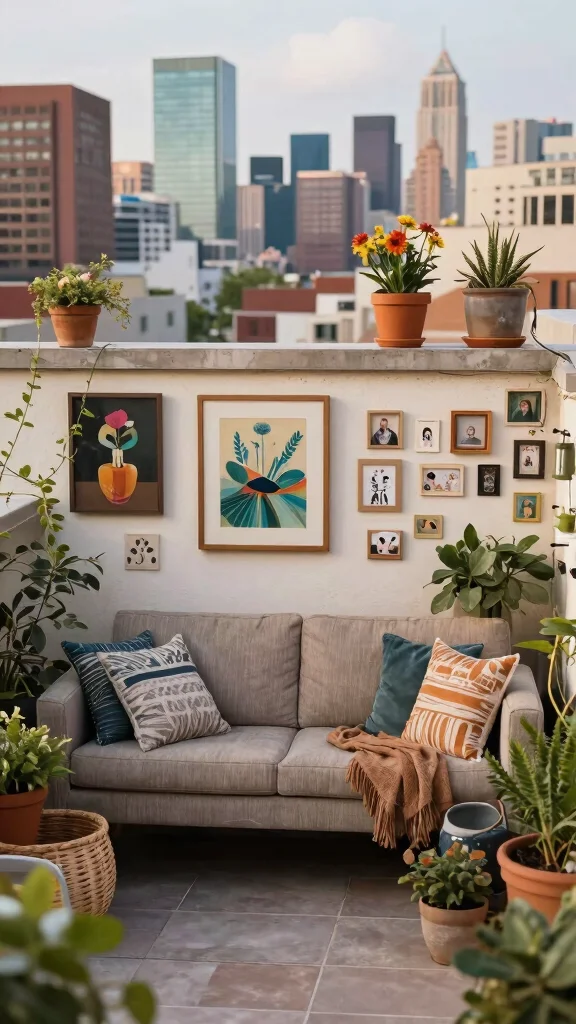
Adding personal touches to your rooftop garden creates a space that feels like home. Display cherished items, DIY projects, or mementos from your travels to build a garden that resonates with your personality. Each piece tells a story, contributing to the unique character of your outdoor sanctuary.
To personalize your garden, consider incorporating family heirlooms or handmade decor that reflects your style. Themed decor that showcases your interests can add depth, while creating a gallery wall with your favorite art pieces transforms a plain wall into a vibrant showcase.
Explore these ideas for personalization:
– Incorporate unique decor that tells your story.
– Use themed accents to reflect your interests.
– Create a gallery wall with art you love.
– Mix various textures and materials for a rich atmosphere.
A personalized rooftop garden not only showcases your style but also provides a comforting retreat from the fast-paced urban life.
Conclusion

Creating a rooftop garden is a fantastic way to enhance your urban living experience. Whether you opt for vertical gardens, cozy seating, or edible landscapes, each idea mentioned adds a unique touch to your outdoor space. It’s all about finding what resonates with you and transforms your rooftop into a beloved oasis amidst the city hustle.
So, what design will you choose to start your rooftop journey?
Frequently Asked Questions
What are essential rooftop garden design ideas to achieve a fresh, contemporary look?
Start with a clean layout and a focal point, like a statement planter or a small tree, and arrange seating to frame it. Use weather-proof materials in a cohesive color palette to create contemporary outdoor spaces.
Choose modular containers and rail planters to maximize a small rooftop, a core idea behind rooftop garden design ideas for urban spaces. Add sustainable touches like rainwater harvesting and drought-tolerant plants to realize sustainable gardening ideas in practice.
How can I maximize a small urban rooftop with sustainable gardening ideas?
Map sun, shade, and wind to decide what goes where. Use vertical gardens and wall planters to free floor space while keeping your urban garden inspiration alive.
Choose compact, heavy-duty containers and lightweight potting mixes; install self-watering systems to cut water use. Group plants by watering needs and add a rain barrel to support rooftop landscaping tips and sustainable gardening ideas.
Finish with weatherproof seating and solar lighting for a practical, stylish space.
Which plants work best for rooftop gardens in small spaces?
Go for compact, sun-loving plants that can handle wind: herbs (rosemary, thyme, basil), compact tomatoes or peppers in containers, dwarf blueberries or strawberries, and evergreen perennials for year-round color.
Use trellises for vines to save floor space and create microclimates that shield more delicate plants.
In an urban setting, think about urban garden inspiration and choose plants suited to your microclimate. Add wind breaks with lattice screens to protect delicate specimens.
What are practical rooftop landscaping tips to create comfortable, contemporary outdoor spaces?
Prioritize drainage, waterproofing, and a safe weight budget before buying planters. Design zones for cooking, lounging, and dining with seating and shade.
Use modular, weatherproof furniture and planters with a cohesive palette for contemporary outdoor spaces. Build privacy with lightweight screens, and install low-voltage or solar lighting to extend usability after dark. Choose rooftop garden design ideas that are easy to maintain, like drip irrigation and mulch to keep maintenance practical.
How can I achieve modern garden decor on a rooftop without sacrificing usability?
Mix form and function with modern garden decor elements: sleek planters, clean lines, and greenery that complements the space rather than overwhelms it.
Use modular furniture that can be rearranged for different occasions, a neutral color palette, and textured greenery to add depth. Prioritize safety with non-slip flooring, sturdy railings, and proper drainage. Add smart lighting and weatherproof fabrics to keep the space inviting, while a few statement plants anchor the urban garden inspiration.
Related Topics
rooftop garden design
urban garden inspiration
contemporary outdoor spaces
rooftop landscaping tips
modern garden decor
sustainable gardening
small space solutions
easy garden ideas
minimalist design
green living
DIY rooftop gardens
urban oasis
Leave a Reply