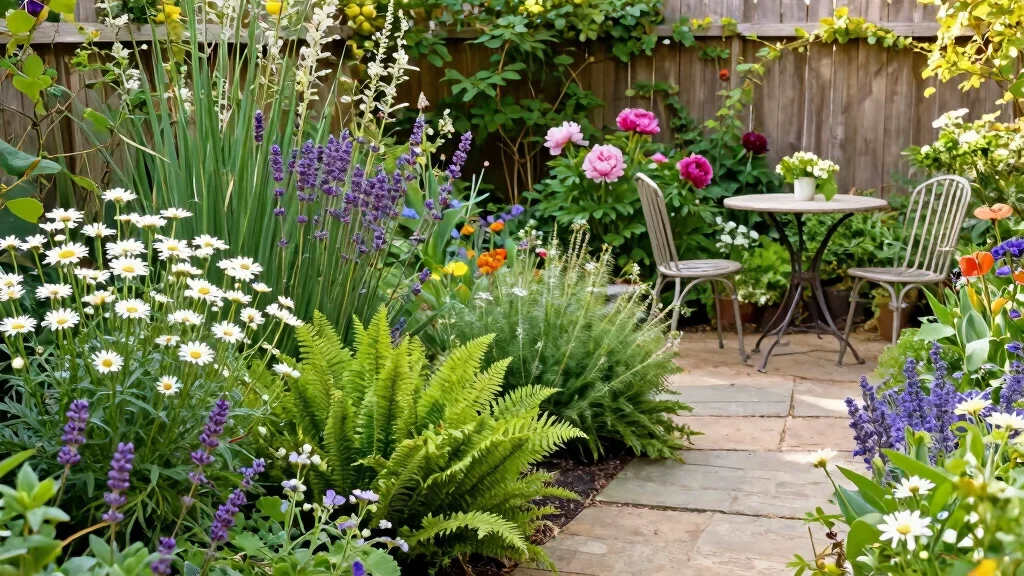
Creating a beautiful garden that thrives throughout the year can feel like a daunting task, especially if you have limited space. That’s why I put together this guide filled with 15 perennial garden ideas designed specifically for small spaces. Perennials are fantastic because they come back year after year, providing lasting beauty and reducing the need for replanting. Whether you’re a seasoned gardener or just starting, these ideas will inspire you to create a stunning outdoor oasis.
If you love spending time outdoors and appreciate the charm of nature, you’ll find this post especially useful. It’s for anyone looking to enhance their outdoor living area with manageable garden design solutions that fit into smaller areas. From vertical gardens to fragrant blooms, I’ve gathered a variety of options that cater to different tastes and preferences.
By the end of this article, you’ll have a treasure trove of practical tips and ideas to elevate your garden space. You’ll discover how to layer textures and colors, care for seasonal plants, and even incorporate hardscaping elements into your design. So grab your gardening gloves and let’s dig into these perennial garden ideas that promise to fill your small space with year-round beauty.
Key Takeaways
– Discover 15 unique perennial garden ideas tailored for small spaces to help you create a stunning outdoor area.
– Explore vertical gardening techniques that maximize limited space while adding height and drama to your garden.
– Learn how to create container gardens that are not only beautiful but also functional for edible and ornamental plants.
– Understand the importance of seasonal interest by integrating a variety of plants that bloom at different times throughout the year.
– Get tips on garden maintenance to keep your perennial garden thriving and looking its best with minimal effort.
1. Vertical Gardening With Perennials

Vertical gardening brings creativity and flair to limited spaces. By utilizing wall planters and trellises, you can create an impressive display of perennial plants that captivates the eye. Climbing varieties like clematis and climbing roses thrive in these setups, adding vertical interest to your garden.
Mix textures and colors by pairing trailing plants, such as creeping thyme or sedum, with bushier perennials. Adding hanging planters filled with hardy ferns introduces greenery at various heights, enhancing the garden’s visual depth.
Consider these tips for a successful vertical garden:
– Pair trellises with vibrant climbing plants for stunning height.
– Install a drip irrigation system to simplify maintenance.
– Use durable materials for your vertical structures to support mature plants.
This approach not only optimizes space but also elevates your garden’s charm. Incorporating diverse textures and colors enriches the overall aesthetic.
2. Container Gardens for Small Spaces
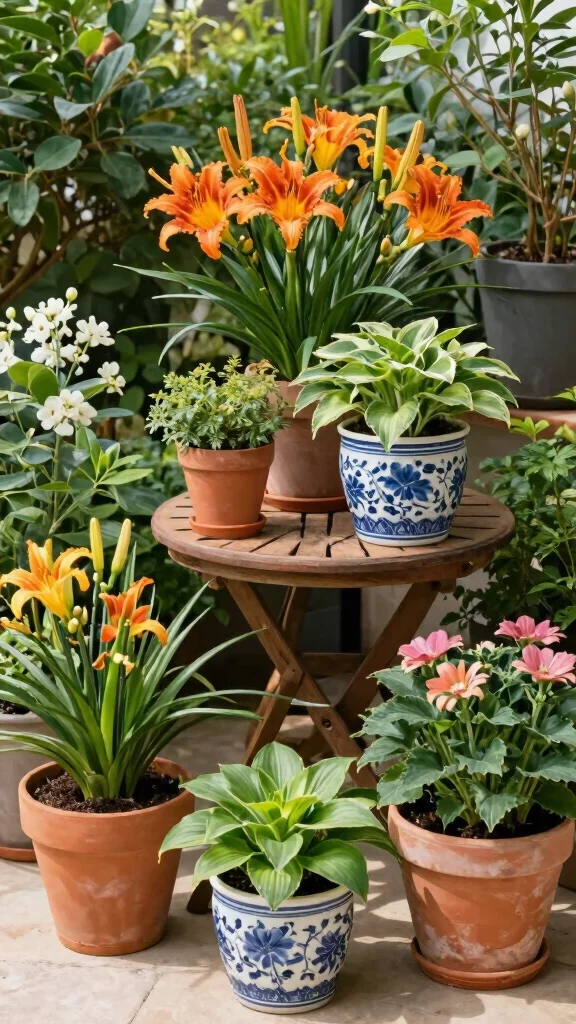
Container gardening is the perfect solution for creating beautiful perennial displays in small spaces. You can easily rearrange pots to match changing seasonal styles, making your garden dynamic and engaging. Consider using a mix of rustic terracotta pots alongside sleek modern planters for an appealing contrast.
Select hardy perennials such as daylilies, hostas, and ornamental grasses that thrive in pots. Layering plants of varying heights creates stunning focal points on balconies or patios.
Here are some planting tips:
– Ensure pots have drainage holes to prevent root rot.
– Use quality potting soil for optimal plant health.
– Group pots of different sizes for added visual interest.
Container gardens offer versatility, making it easy to experiment with combinations throughout the year. This method allows for playful arrangements while enhancing your outdoor space.
3. Creating a Perennial Border
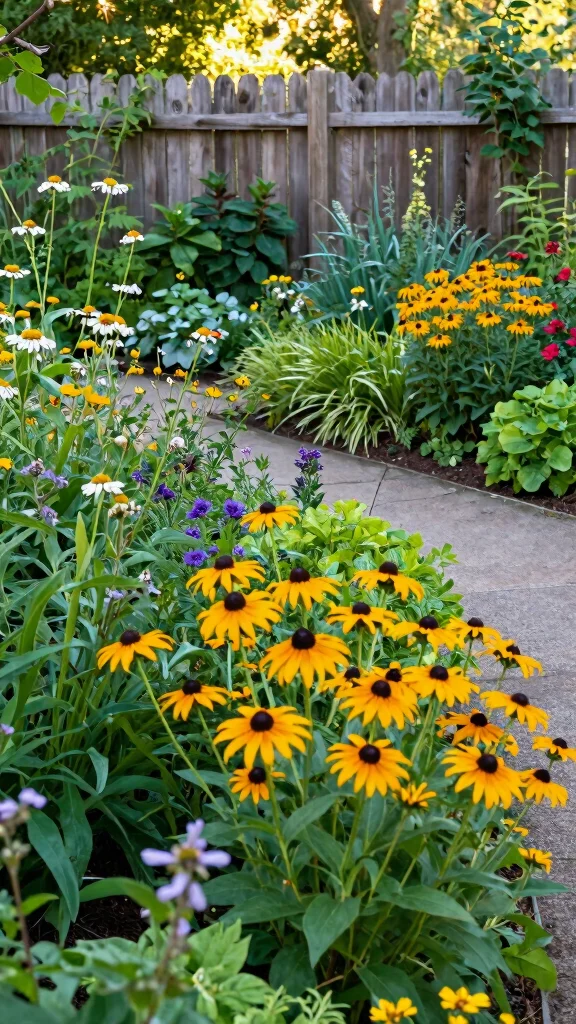
A perennial border can enrich your garden’s landscape with vibrant colors and a touch of sophistication. These borders effectively frame walkways and define garden areas, creating a visually appealing outdoor space. Choose a mix of flowering plants like black-eyed Susans, coneflowers, and sedums to ensure blooms throughout the seasons.
Arrange taller plants at the back and shorter ones in the front, adding depth and visual interest to your design.
Consider these design tips:
– Plan for seasonal variation by selecting early, mid, and late bloomers.
– Incorporate foliage plants for texture and color during non-blooming periods.
– Use mulch to control weeds and retain moisture.
A well-planned perennial border not only showcases beauty but also requires minimal upkeep, enhancing your garden effortlessly.
4. Edible Perennials for a Functional Garden
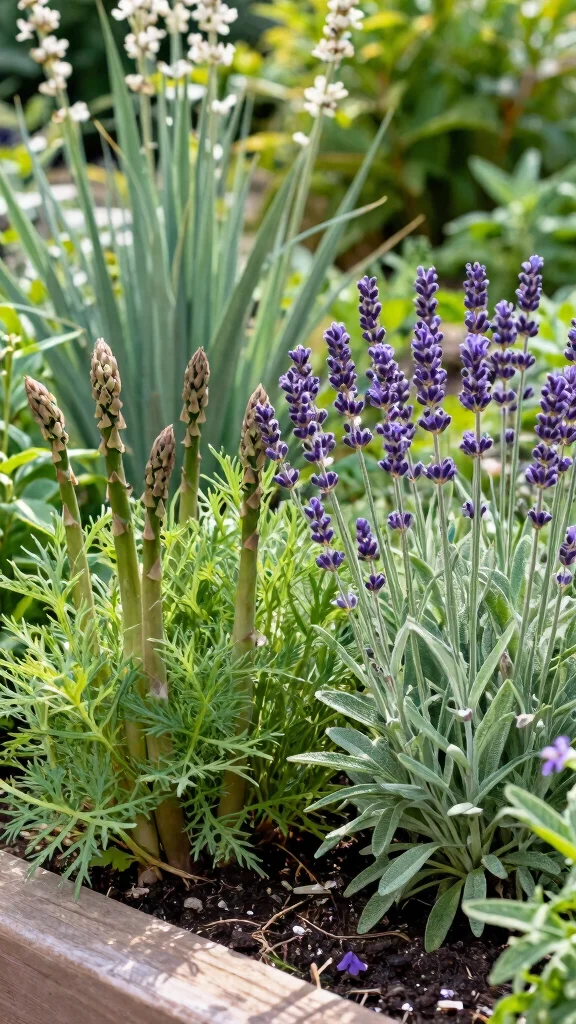
Combining beauty with functionality, edible perennials like asparagus, rhubarb, and various herbs not only enhance your garden’s charm but also yield delicious produce. Planting these edibles in raised beds makes them easily accessible and easy to maintain. Pairing them with ornamental plants, such as purple sage alongside vibrant lavender, creates a striking display.
Keep these planting tips in mind:
– Ensure adequate spacing for growth, as some edible perennials can spread significantly.
– Consider companion planting to enhance growth and deter pests.
– Utilize organic mulch to suppress weeds and retain moisture.
This gardening approach fosters a sustainable food source while keeping your space both beautiful and practical.
5. Layering Textures and Colors

To create a visually stunning perennial garden, focus on layering textures and colors. A blend of flowering plants, foliage plants, and ornamental grasses adds depth and attracts various pollinators. Start with taller plants like delphiniums or hollyhocks as a backdrop, then introduce medium plants such as echinacea, finishing with low-growing varieties like creeping phlox at the front.
Here are some design tips:
– Stick to a cohesive color scheme, ideally three main colors for harmony.
– Choose foliage plants with contrasting leaf shapes for added interest.
– Incorporate seasonal changes by blending evergreens with flowering perennials.
This method transforms your garden into a dynamic landscape, crafting a living canvas that evolves beautifully.
6. Minimalist Perennial Gardens

A minimalist perennial garden design emphasizes simplicity and tranquility. By selecting a limited number of perennials like hostas and ornamental grasses, you can create a sophisticated space with clean lines. Arrange your plants strategically to maintain visual interest.
Use geometric shapes, such as squares or circles, in your planting layout to enhance the minimalist aesthetic. Incorporate elements like gravel paths or wooden structures for a tidy look.
Consider these design tips:
– Opt for a monochromatic color palette for a modern feel; various green shades with white flowers can be striking.
– Keep maintenance simple by regularly deadheading and pruning.
– Use hardscaping materials to create natural divisions for structural appeal.
A minimalist perennial garden can transform small spaces into serene retreats, offering a calm escape from daily life.
Minimalist perennial gardens prove less can be more: pick a tight palette—hostas and ornamental grasses—then let clean lines, gravel paths, and simple shapes do the talking. With strategic placement, your perennial garden ideas become calm, tactile art you can actually maintain year-round.
7. Cottage-Style Perennial Gardens
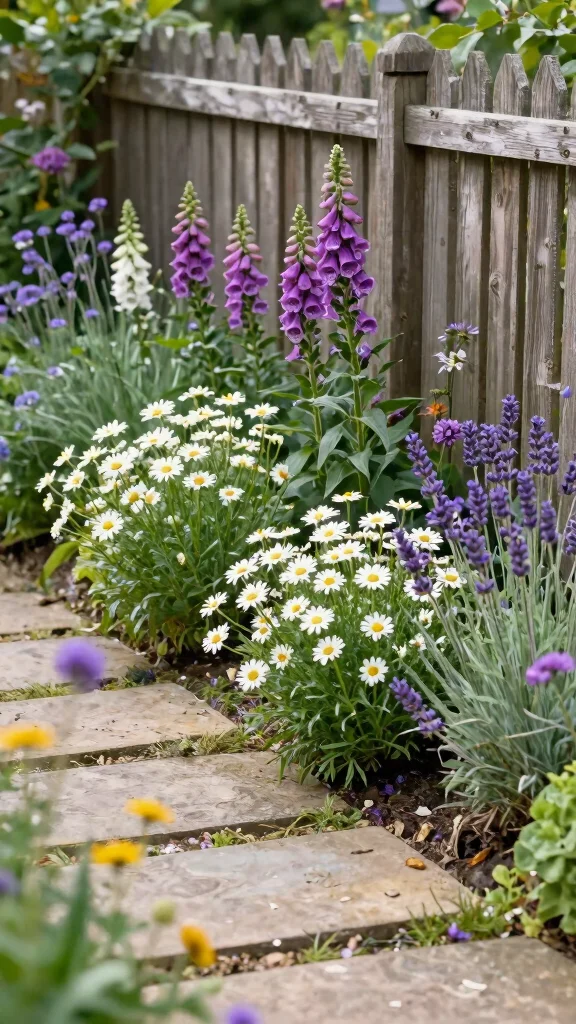
For those who adore a cozy and inviting aesthetic, a cottage-style perennial garden may be the perfect fit. This design features whimsical, informal layouts with a diverse array of plants, showcasing overflowing blooms. Think of pastel-colored perennials like foxgloves, daisies, and lavender.
Enhance the romantic appeal with climbing roses and trailing vines, and use rustic wooden or picket fences to create a charming boundary. Create winding pathways using natural stones or gravel, inviting visitors to explore your lush plantings.
Here are some design tips:
– Embrace mixing plant heights and bloom times for a natural, unmanicured look.
– Incorporate garden ornaments like birdbaths or trellises to enhance charm.
– Allow plants to self-seed for a more relaxed garden vibe.
This style evokes nostalgia and warmth, perfect for crafting an enchanting outdoor sanctuary.
You might also like

8. Pollinator-Friendly Perennials
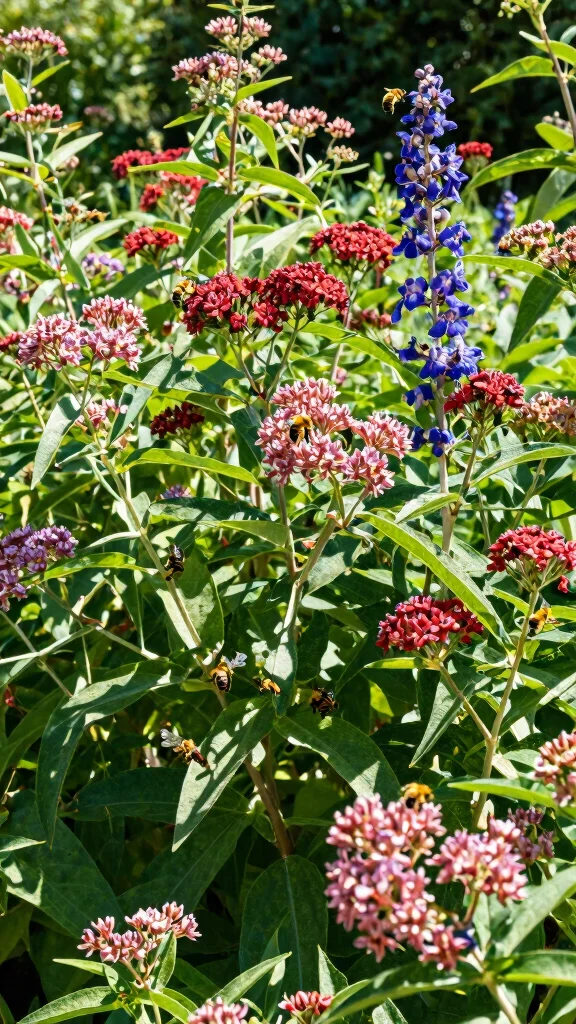
Supporting local pollinators is beneficial for both the ecosystem and your garden’s beauty. Opt for native perennial plants that attract bees, butterflies, and hummingbirds, such as milkweed, butterfly bush, and bee balm.
Cluster these plants together to create inviting habitats, ensuring continuous blooms throughout the seasons. Avoid pesticides to keep your garden a safe haven for these vital creatures.
Consider these planting tips:
– Aim for diversity in plant selection to attract various pollinator species.
– Include plants with different bloom times for a year-round food source.
– Utilize native plants to effectively support local biodiversity.
Creating a pollinator-friendly perennial garden nurtures a thriving ecosystem right in your backyard, enriching both nature and your gardening experience.
Top Varieties for Different Conditions
Choosing the right perennials for your garden can make all the difference in creating a beautiful space year-round. Below are some top varieties tailored for specific conditions and preferences to help you build your ideal perennial garden.
1. Lavender (Lavandula angustifolia)
– Best conditions: Thrives in hot, dry climates with full sun.
– Key features: Lavender offers a stunning purple hue and an enchanting fragrance, making it a favorite for sensory gardens. Plus, it attracts pollinators like bees and butterflies.
– Considerations: Requires well-draining soil and might need some protection in harsh winter climates.
2. Coneflower (Echinacea purpurea)
– Best conditions: Ideal for temperate regions and can handle drought conditions once established.
– Key features: Known for its resilience, coneflowers boast vibrant colors and can bloom from summer through fall. They are also great for attracting pollinators.
– Considerations: Can spread quickly, so keep an eye on their placement in your garden layout.
3. Daylily (Hemerocallis)
– Best conditions: Grows well in various climates, tolerating both sun and partial shade.
– Key features: Daylilies are low-maintenance and produce stunning blooms in a variety of colors, blooming all summer long with minimal care.
– Considerations: Some varieties can be invasive; select non-invasive types for small spaces.
4. Hostas
– Best conditions: Perfect for shady areas and humid climates.
– Key features: Hostas offer lush foliage and striking texture, which can brighten up darker corners of your garden. They come in many sizes and colors.
– Considerations: Slugs and snails can be a problem, so consider using natural deterrents.
5. Sedum (Sedum spp.)
– Best conditions: Excellent for hot, dry areas with poor soil conditions.
– Key features: Sedum is drought-tolerant and offers unique fleshy leaves and vibrant flowers. Its low-growing habit makes it suitable for rock gardens or as a ground cover.
– Considerations: Some varieties can become leggy if they don’t get enough sunlight.
6. Astilbe
– Best conditions: Thrives in moist, shady areas, making it ideal for woodland gardens.
– Key features: Astilbe produces feathery plumes of flowers in various shades, adding height and a soft touch to your garden. It’s a great choice for seasonal interest.
– Considerations: Requires more water than many perennials, so regular maintenance is essential.
7. Black-eyed Susan (Rudbeckia hirta)
– Best conditions: Grows best in full sun and tolerates drought well.
– Key features: Known for its cheerful yellow petals and dark centers, Black-eyed Susans bloom throughout the summer, adding a pop of color to any space.
– Considerations: Can spread aggressively; consider planting them in a controlled area.
Climate/Condition Guide:
When selecting perennials, consider your specific climate.
– Temperate: Choose hardy varieties like coneflowers and daylilies.
– Continental: Look for plants that can withstand temperature extremes, such as sedum and black-eyed Susans.
– Coastal: Plants like lavender thrive in the breezy, salty air.
– Hot/Dry: Opt for drought-tolerant options like sedum and lavender.
– Humid: Go for moisture-loving plants like hostas and astilbe.
Growing Tips:
1. Always prepare your soil before planting by adding organic matter for better drainage and nutrients.
2. Keep an eye on your plants during their first year; young plants need consistent moisture to establish roots.
3. Rotate your perennials every few years to prevent soil depletion and maintain vibrant blooms.
Avoid:
1. Don’t overcrowd your garden. Leave space between plants to allow for growth and airflow.
2. Avoid planting in heavy clay soil without proper amendments, as this can lead to root rot.
With these recommendations, you will find the perfect perennials for your small space garden. Happy gardening! 🌱
9. Mediterranean-Style Perennial Gardens

If you’re drawn to the warmth of Mediterranean landscapes, consider designing your garden with drought-tolerant perennials. Plants like lavender, rosemary, and succulents thrive in these settings, offering vibrant colors and aromatic appeal.
Incorporate terracotta pots and gravel pathways for that classic Mediterranean charm. Utilize stone walls or raised beds for structure and group perennial clusters for a natural feel.
Design tips to consider:
– Ensure your garden can endure dry spells; look into xeriscaping techniques.
– Mix textures and shapes for a layered, interesting appearance.
– Include seating areas to enjoy your Mediterranean escape.
This theme captures the essence of sun-soaked landscapes, perfect for small spaces that crave style and sustainability.
10. Rock Gardens with Perennials
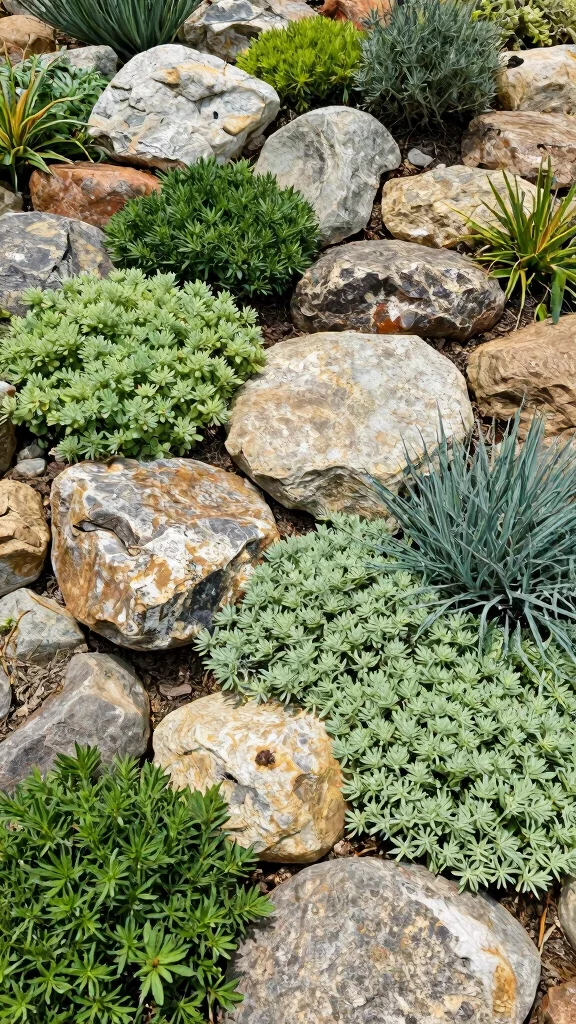
Rock gardens are an excellent choice for maximizing vertical space while showcasing beautiful landscapes. By using perennials that thrive in rocky areas, such as sedums and stonecrop, you can create a stunning natural display.
Incorporate various sizes of rocks, boulders, and gravel to add texture and interest. Plant perennials among the stones, allowing them to spill over edges for a natural appearance.
Keep these design tips in mind:
– Ensure proper drainage by avoiding compacted soil around rocks.
– Select sun-loving plants that can withstand heat, as rock gardens can get warm.
– Incorporate contrasting plants for added visual impact.
Rock gardens can be a low-maintenance yet visually striking addition to your perennial landscape.
11. Fragrant Perennial Gardens
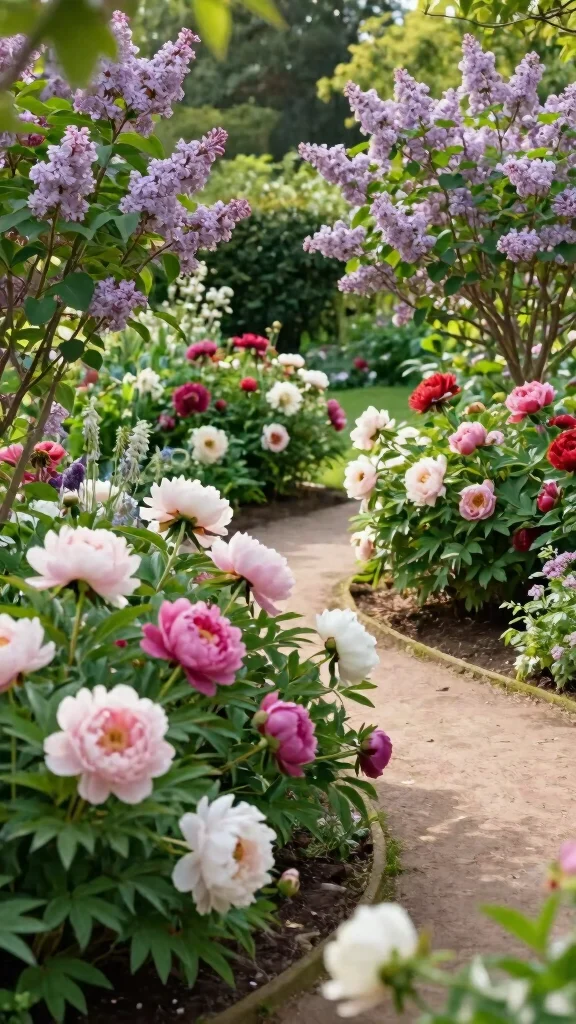
A garden filled with fragrant perennials offers a delightful sensory experience. Choose plants like peonies, lilacs, and scented geraniums to create a soothing atmosphere. Position these plants near walkways or seating areas to enjoy their delightful fragrances.
Combining different scents enhances the experience; herbs such as mint and basil can add delightful aromas when brushed against.
Consider these design tips:
– Group fragrant plants for maximum impact along pathways.
– Plan bloom times carefully to maintain fragrance throughout the seasons.
– Use mulch to retain moisture and control weeds while enhancing aromas.
Creating a fragrant perennial garden invites visitors to engage their senses while enjoying the beauty of nature.
Did you know fragrant perennials can perfume a space for up to 4 weeks each season? Plant peonies, lilacs, and scented geraniums near walkways as part of perennial garden ideas to maximize scent, and pair with mint or basil for 2–3 weeks of extra aroma when brushed by.
12. Shade-Loving Perennials
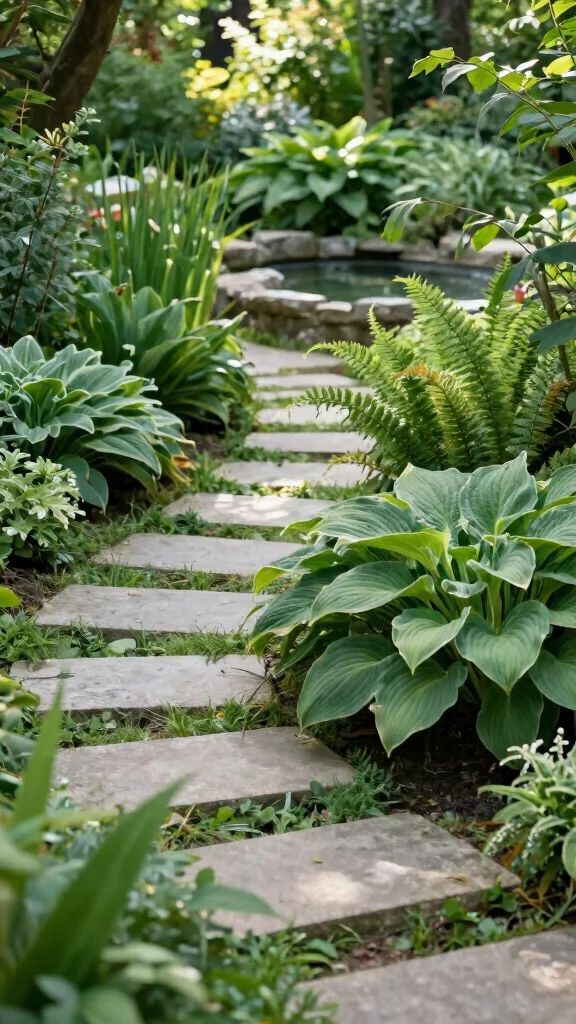
Not every garden enjoys full sunlight, and that’s perfectly fine! Shade-loving perennials like hostas, ferns, and astilbes can flourish in dim areas, creating a lush oasis. Layer these plants with varying heights, placing taller ferns at the back and shorter hostas in front for depth.
Incorporate stepping stones or pathways to guide visitors through your shaded retreat. A water feature can enhance the tranquility, adding soothing sounds to the environment.
Keep these design tips in mind:
– Choose plants with diverse leaf shapes and textures to avoid monotony.
– Use lighter colors to brighten darker spaces; consider variegated foliage for interest.
– Regularly monitor moisture levels, as shaded areas may retain more than sunny spots.
Shade-loving perennial gardens can be stunning and serene, offering a peaceful escape from the hustle and bustle.
13. Seasonal Interest with Perennials

To create a captivating garden year-round, focus on seasonal interest with your perennials. Select a mix of plants that bloom at different times, alongside vibrant foliage that changes with the seasons.
Consider spring bloomers like tulips and alliums, summer classics like black-eyed Susans, and fall favorites such as asters. Including plants with unique leaf colors, like Japanese maple, adds autumn appeal.
Here are some planting tips:
– Layout your garden based on bloom times to ensure continuous color.
– Incorporate plants with interesting bark or structure for winter interest.
– Use mulch to maintain soil temperature and moisture for optimal growth.
This approach creates a dynamic garden, always presenting something new and delightful for you to enjoy.
14. Integrating Hardscaping Elements
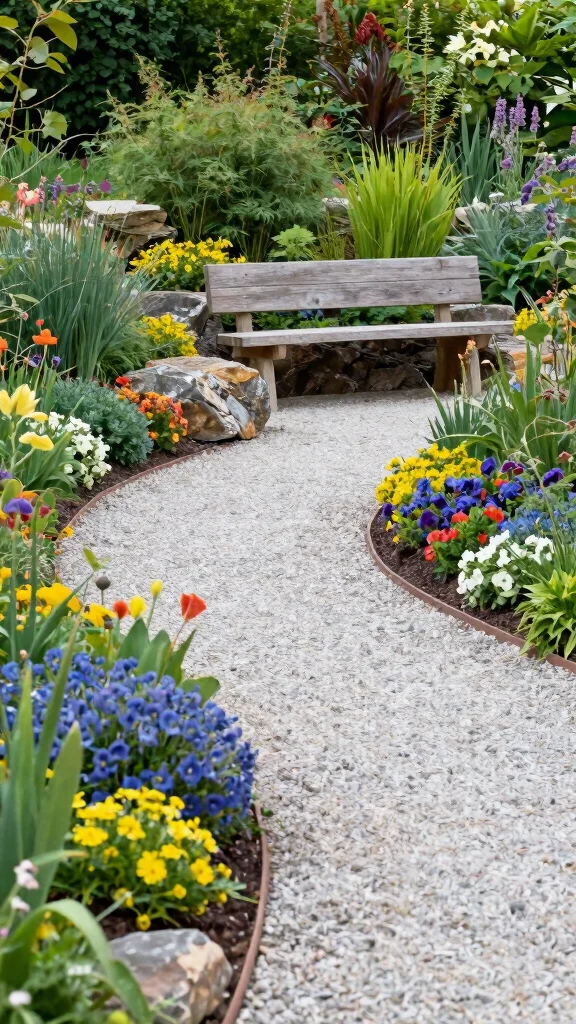
Integrating hardscaping can significantly enhance your perennial garden’s visual appeal. Incorporate elements like pathways, fences, or garden benches to blend functionality with beauty. Using natural materials such as stone or wood creates a cohesive look that harmonizes with your plants.
Design your layout to create focal points; position benches among flower beds for serene seating areas, or use gravel paths to guide visitors.
Consider these design tips:
– Balance hardscaping with soft landscaping for an inviting atmosphere.
– Use contrasting materials to add visual interest; combine rough stone with smooth wood.
– Ensure paths are wide enough for easy access and maintenance.
Integrating hardscaping elements into your perennial garden elevates its aesthetic while offering practical benefits.
Integrating hardscaping isn’t just about looks—it’s about shaping everyday moments. A simple stone path or wooden bench turns your perennial garden ideas into cozy, walkable spaces that invite quiet, seasonal enjoyment.
15. Seasonal Container Swaps
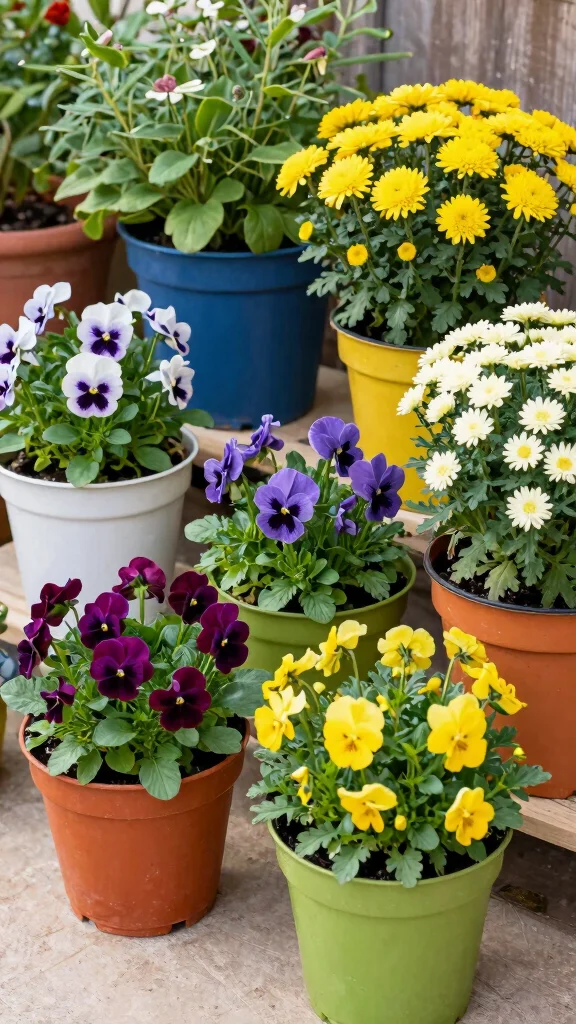
To keep your garden fresh and lively without replanting, consider seasonal container swaps. Select hardy perennial plants for your main containers and add seasonal annuals for an easy refresh. This way, you maintain a structured base while enjoying vibrant seasonal blooms.
Swap out petunias for pansies in the spring or transition to chrysanthemums in the fall. This technique allows for continuous color and creativity in your garden without extensive effort.
Keep these maintenance tips in mind:
– Regularly check containers for drainage and soil quality to support plant health.
– Use slow-release fertilizers in pots for robust growth.
– Monitor plant health and replace any struggling specimens promptly.
Seasonal container swaps can keep your outdoor living area inspired and visually appealing throughout the year.
Conclusion
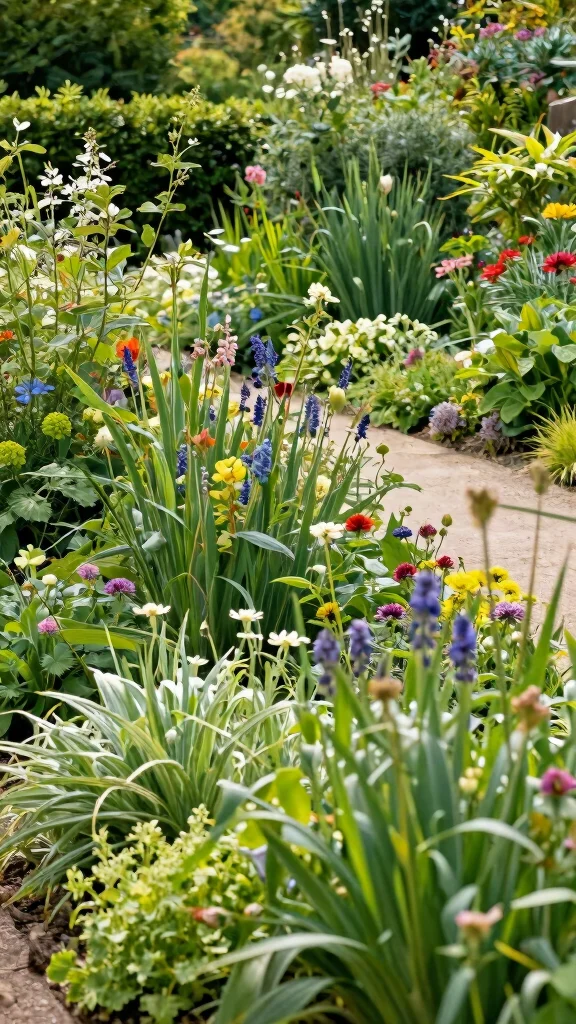
Cultivating a perennial garden offers year-round beauty and enjoyment, especially in small spaces. With thoughtful planning and creativity, you can create stunning landscapes that reflect your style and personality. From vertical gardens to fragrant blooms, these ideas are just the beginning of your gardening journey. Happy planting!
Let us know your favorite perennial garden ideas or share your gardening experiences in the comments!
Frequently Asked Questions
What are some perennial garden ideas for year-round beauty in a small space?
Year-round beauty in a small space starts with a few perennial garden ideas that deliver color and texture all year. Choose compact perennials with long bloom windows and good winter interest, and use vertical planters or containers to maximize space. Plan with garden design principles so colors repeat and flow together, and place seating in a spot you can enjoy the display as part of your outdoor living space. For garden maintenance, add a 2-3 inch mulch layer, water deeply at soil level, deadhead regularly, and divide clumps every few years to keep plants vigorous.
How can I design a small perennial garden for year-round color and beauty?
To design a small perennial garden for year-round color, start with layering: tall back plants, mid-height perennials, and low groundcovers. Choose seasonal plants that bloom at different times so something is always in color, and apply smart garden design—repeat colors, use varied textures, and keep sightlines open. Include evergreen or winter-interest candidates for cold months to maintain structure, and use containers or raised beds for flexibility in tight spaces. For outdoor living, place the seating area where you can enjoy the color succession, and for garden maintenance, set a simple schedule: prune after flowering, mulch, and water with a soaker hose or drip system.
What are low-maintenance perennial garden ideas for busy homeowners?
Busy homeowners should focus on resilience and a simple routine. Choose native or drought-tolerant seasonal plants that perform well with little input, and group plants with similar sun and water needs to simplify care. Use mulch to cut watering and weed work, and install a basic irrigation plan or a simple drip system as part of smart landscaping tips. Opt for long-bloomers and hardy varieties to reduce pest and disease management. Keep the overall design cohesive to minimize ongoing garden maintenance while still delivering color for your outdoor living space.
Which seasonal plant combinations work best for year-round beauty in a small perennial garden?
Think in seasons to keep things vibrant. Spring: pair bulbs with early bloomers for a quick splash; Summer: combine echinacea, salvia, and sedum for ongoing color; Fall: pull in asters and ornamental grasses for warmth and texture; Winter: anchor with evergreen perennials or grasses for structure. Use a cohesive color family to support smart garden design and landscaping tips. In your outdoor living space, keep paths visible and accessible, and in garden maintenance, deadhead spent blooms and tidy fallen leaves to prevent disease.
What garden maintenance tips help keep a year-round perennial garden thriving in outdoor living spaces?
Practical steps first: improve soil with compost and a balanced amendment, then mulch 2-3 inches deep to conserve moisture and suppress weeds. Water deeply at the base early in the day, and deadhead regularly to encourage more blooms. Divide crowded clumps every 2-3 years to maintain vigor, and prune back dead growth in late winter or early spring to shape the bed. Monitor for pests and disease weekly and treat promptly with safe, proactive methods. Align all tasks with a simple garden maintenance schedule to keep your perennial garden looking fresh year after year in your outdoor living space.
Related Topics
perennial garden ideas
small space gardening
year-round beauty
outdoor living
landscaping tips
seasonal plants
garden design
easy maintenance
beginner friendly
container gardening
urban gardening
sustainable landscaping
Leave a Reply