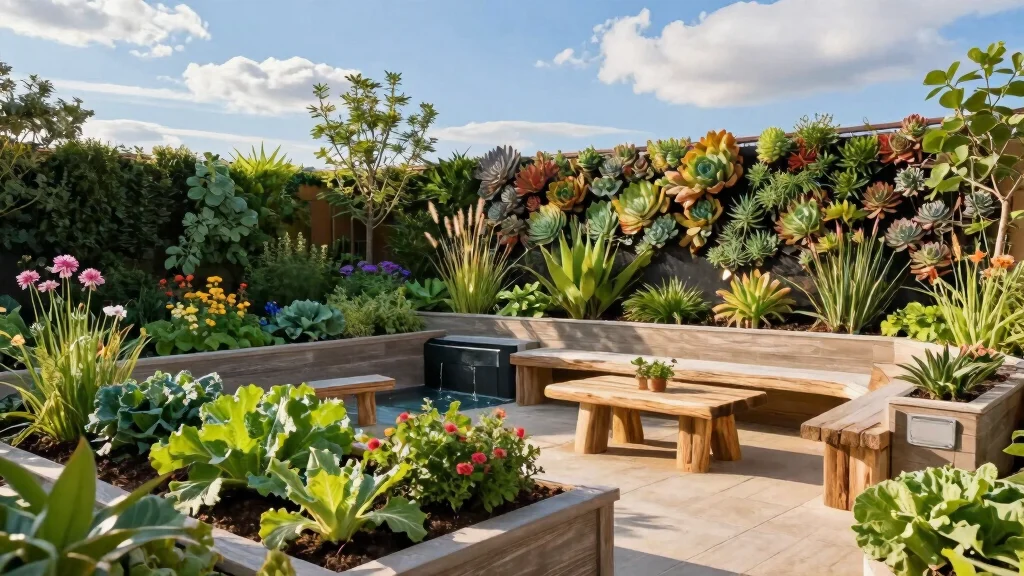
Creating a beautiful garden can feel overwhelming, especially when you start with a blank canvas. You might be wondering how to turn that empty space into your personal paradise. That’s why I’ve put together this post. I want to inspire you with fresh ideas and practical tips to help you create a stunning outdoor environment where you can relax and entertain.
If you’re someone who loves gardening or simply enjoys outdoor living spaces, this article is for you. Whether you’re a seasoned gardener or a newbie just looking to spruce up your backyard, there’s something here for everyone. From vibrant planting ideas to sustainable practices, these concepts will make your garden a true extension of your home.
Get ready to dive into 17 creative new build garden ideas that are not only beautiful but also eco-friendly. Each concept is designed to help you make the most of your space while caring for the planet. You’ll find tips on everything from vertical gardens to wildlife-friendly designs. Let’s get started on transforming your blank canvas into a lush outdoor oasis!
Key Takeaways
– Explore Various Designs: Discover 17 unique garden concepts, such as vertical gardens and zen gardens, that can suit various tastes and lifestyles.
– Sustainable Practices: Learn how to incorporate eco-friendly elements like native plants and composting areas to benefit the environment while beautifying your space.
– Creating Outdoor Living Spaces: Get inspired by ideas on garden rooms and outdoor fire pits that enhance your backyard for gatherings and relaxation.
– Accessibility Features: Understand how pathways and walkways can improve accessibility in your garden, making it inviting for everyone.
– Year-Round Interest: Find tips for seasonal displays and container gardening that keep your garden looking vibrant throughout the year.
1. Vertical Gardens for Space Efficiency
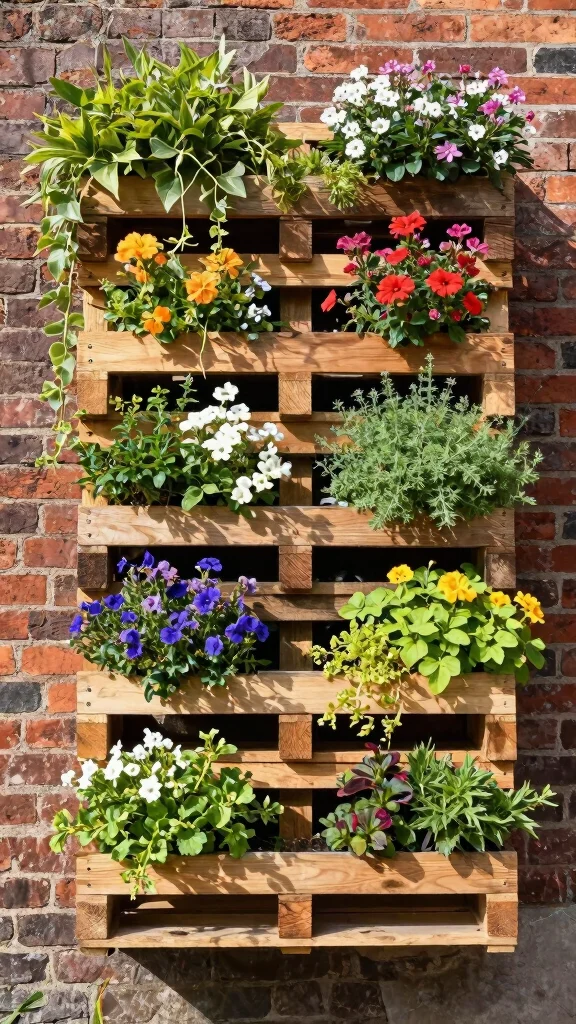
Elevate your outdoor space with vertical gardens, transforming bare walls into vibrant green displays. This design principle maximizes limited space while offering an eye-catching focal point filled with texture and life. Picture a wall draped in a mix of climbing vines, aromatic herbs, and bursts of colorful blooms for an enchanting garden experience.
To make the most of this concept, select plants suited to your local climate and growth habits to ensure a thriving display. Layering your plants will not only create depth but also enhance air circulation, allowing sunlight to reach every corner.
Consider these ideas to craft your vertical paradise:
– Pair climbing vines like clematis with sturdy trellises.
– Install pocket planters filled with herbs for easy access.
– Use hanging baskets of petunias for cascading effects.
This approach brings a refreshing vibe to your garden while also boosting air quality. Embrace the diverse textures and colors to create a lively and inviting outdoor space.
2. Zen Gardens for Mindful Relaxation

Infuse serenity into your outdoor environment with a Zen garden, a tranquil retreat characterized by minimalist design elements. With raked gravel, smooth stones, and simple plantings, these gardens promote mindfulness and relaxation. Imagine a dedicated corner of your garden transformed into a peaceful sanctuary, perfect for meditation or quiet reflection.
To enhance this calming atmosphere, use fine gravel to create gentle raking patterns that mimic the ripples on water. Incorporating large boulders and a subtle water feature can further elevate the serene vibe.
Consider these elements for your Zen space:
– Incorporate bamboo for a touch of greenery.
– Use a small waterfall for soothing sounds.
– Add a cozy seating area with cushions for comfort.
With these elements, you can establish a peaceful retreat that invites relaxation and reflection. Regular maintenance like raking the gravel keeps the space neat and enhances its tranquility.
3. Edible Landscaping for Practical Beauty
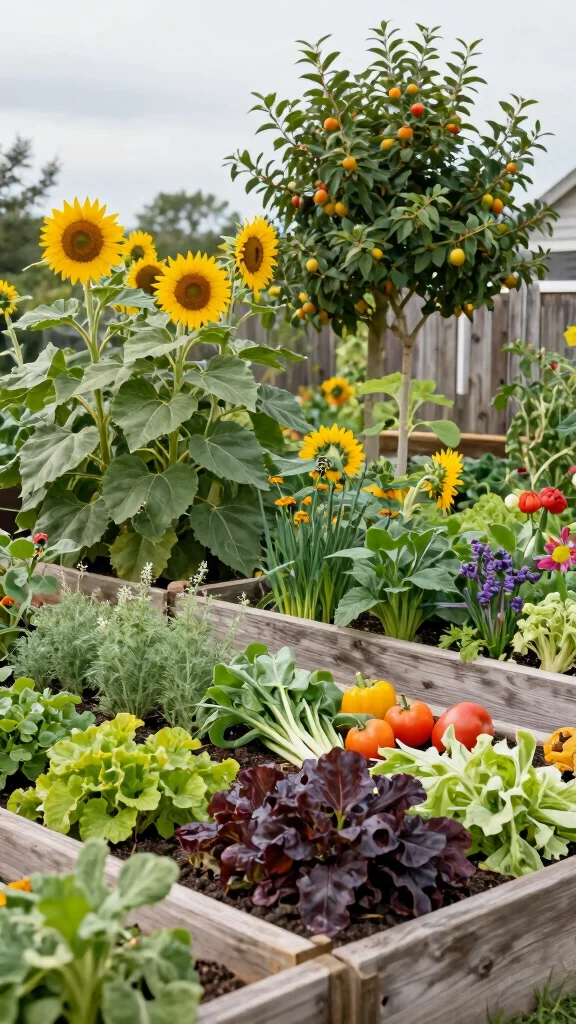
Why not blend beauty with functionality in your garden by incorporating edible landscaping? This approach combines vibrant flowers with your favorite fruits and vegetables, allowing you to enjoy nature’s bounty in both form and flavor. Imagine colorful produce thriving alongside stunning ornamental plants, creating a feast for the eyes and palate.
To achieve this harmonious blend, choose perennial plants that will return each year, such as strawberries and herbs. Arranging them with ornamental varieties like marigolds not only enhances beauty but also aids pest control.
Consider these strategies to create a stunning edible landscape:
– Plant Swiss chard alongside vibrant flowers for contrast.
– Group fruit trees for shade and snacks.
– Use colorful containers for a dynamic display.
This approach adds both aesthetic and practical benefits, ensuring your garden is as productive as it is beautiful. Using organic gardening methods will further enhance your eco-friendly approach.
4. Sustainable Water Features
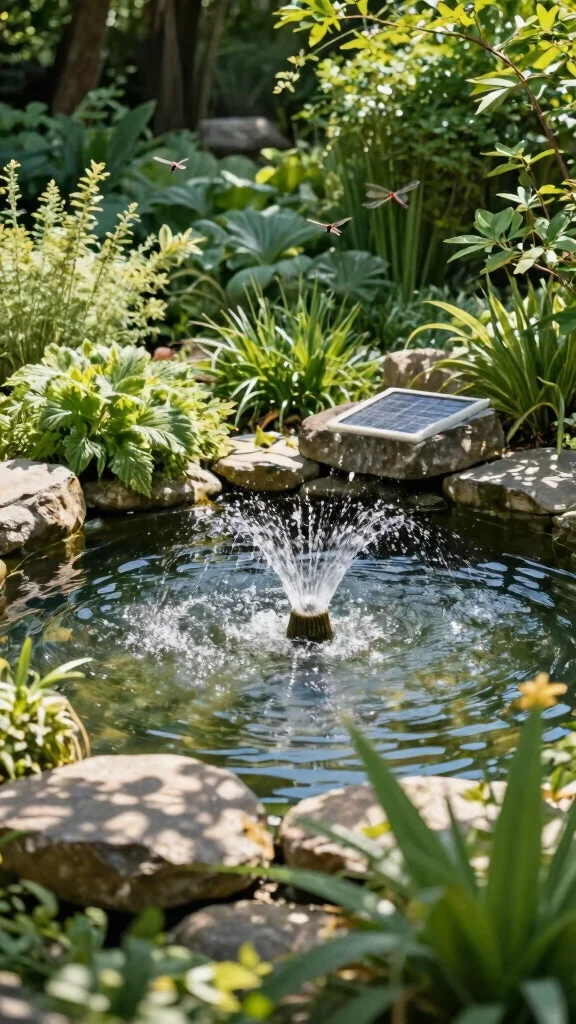
Enhance your garden’s tranquility with a sustainable water feature that brings the soothing sound of flowing water into your space. Whether you opt for a pond or a stylish fountain, these elements can create a serene oasis. Imagine sitting beside a pond filled with native plants that not only beautify your garden but also support local wildlife.
For a harmonious look, choose natural materials like stones and wood that complement your garden’s style. Ensure your water feature is appropriately sized to fit your space without overwhelming it.
Explore these ideas to incorporate water features:
– Install a small pond with native aquatic plants.
– Create a solar-powered fountain for sustainability.
– Use a tabletop fountain for small spaces.
This feature not only enhances the garden’s beauty but also supports a diverse ecosystem. Regular maintenance will keep your water feature clean and inviting, ensuring it remains a highlight of your outdoor space.
5. Native Plant Gardens for Biodiversity
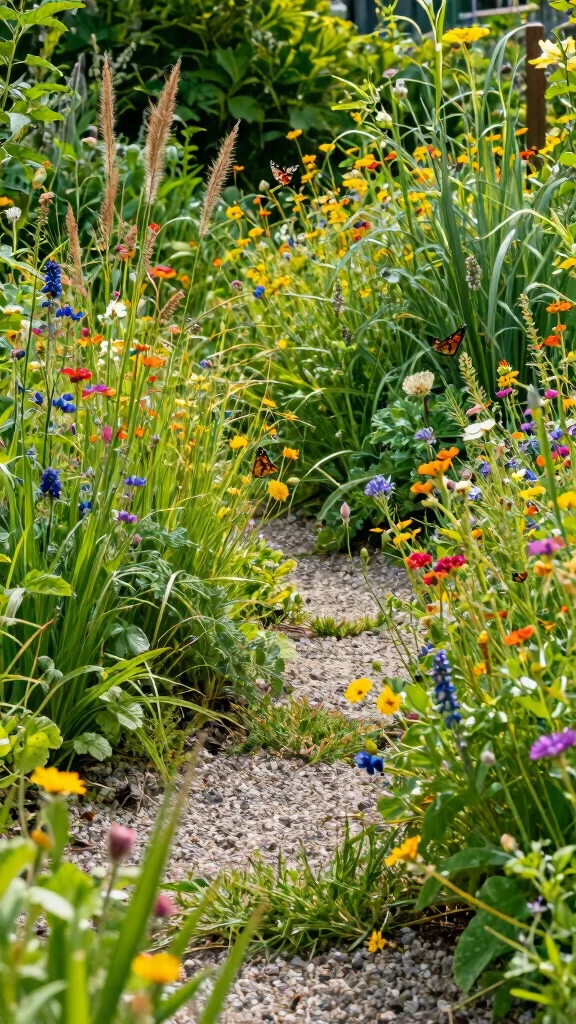
Cultivating a garden filled with native plants is a beautiful way to support local ecosystems while enhancing your outdoor space. These plants are naturally adapted to your climate, making them easier to care for and resilient against pests. Picture vibrant wildflowers and grasses blooming, attracting essential pollinators like bees and butterflies.
To optimize growth, group plants based on their water and sunlight needs, allowing for a lush and thriving landscape. Mixing colors and textures will create a dynamic and inviting environment.
Consider these tips for a vibrant native garden:
– Plant clusters of wildflowers for visual impact.
– Incorporate native grasses for texture.
– Design paths using stepping stones for accessibility.
This approach not only beautifies your garden but also contributes to local biodiversity. Native plants often require less water and maintenance, making them a smart choice for eco-conscious gardeners.
6. Garden Rooms for Outdoor Living
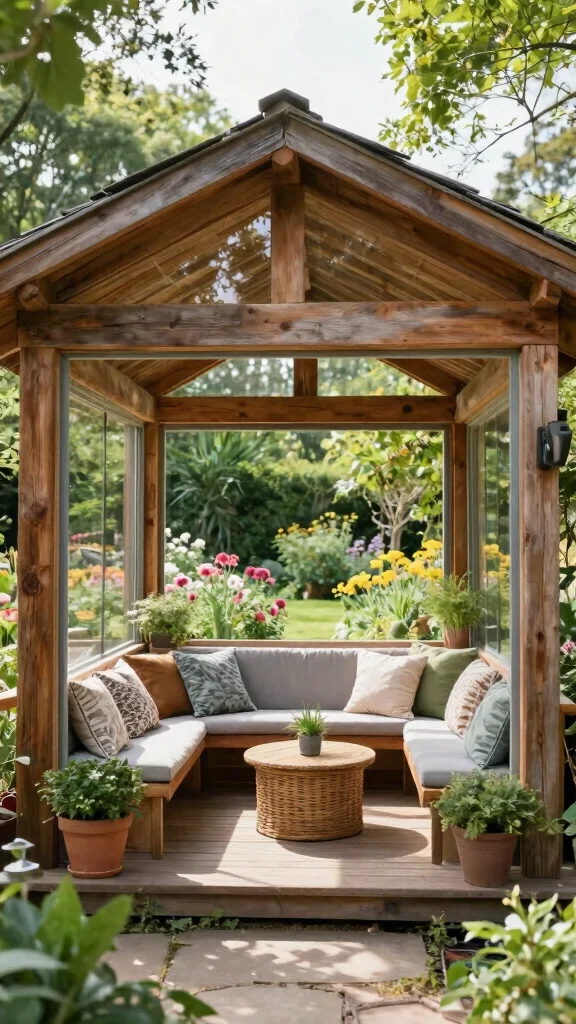
Enhance your outdoor living experience with garden rooms that blend comfort and nature. Whether you envision a cozy gazebo or a fully-equipped outdoor kitchen, garden rooms can be tailored to fit your lifestyle. Imagine relaxing in a space that feels like an extension of your home, surrounded by nature.
Opt for eco-friendly materials like reclaimed wood and natural stone to maintain a sustainable aesthetic. Large windows can create a seamless flow between indoor and outdoor spaces, inviting the beauty of nature inside.
Consider these elements for your garden room:
– Surround with low-maintenance plants for beauty.
– Incorporate comfortable seating for relaxation.
– Use solar panels for sustainable energy.
This design not only enhances your outdoor area but also promotes a cozy and inviting atmosphere. Weather-resistant furnishings will ensure your garden room remains a comfortable retreat year-round.
7. Composting Areas for Sustainable Waste Management

Establishing a composting area in your garden is a fantastic way to reduce waste while enriching your soil. By recycling kitchen scraps and yard waste, you can create nutrient-rich compost that benefits your plants. Picture a simple compost bin tucked into a corner of your garden, easily accessible for adding organic materials.
To create an inviting compost area, consider using reclaimed wood for your bin or investing in a stylish tumbler. Position it conveniently near your garden for easy access.
Incorporate these ideas for a seamless compost setup:
– Build a compost bin from reclaimed wood.
– Use decorative fencing to blend with your garden.
– Include a label for educational value.
This sustainable practice not only benefits your garden but also teaches others about waste reduction. Balancing green and brown materials will ensure optimal composting, creating rich soil for your plants.
You might also like


8. Outdoor Fire Pits for Cozy Gatherings

Create a warm and inviting atmosphere in your garden with an outdoor fire pit. Ideal for evening gatherings, a fire pit becomes a central hub for friends and family. Picture a classic stone fire pit surrounded by cozy seating, perfect for sharing stories and enjoying the night sky.
To enhance safety and comfort, surround your fire pit with soft benches or oversized chairs. Using gravel or paving stones creates a stable base while adding to your garden’s aesthetic.
Consider these ideas for your fire pit area:
– Incorporate built-in seating for space efficiency.
– Surround with cozy blankets for chilly nights.
– Use paved stones for a safe gathering spot.
This feature not only adds warmth but also creates a welcoming space for socializing. Make sure to keep your fire pit clean for safe and enjoyable evenings outdoors.
How To Choose Sustainable Garden Features for Your New Build Garden
When you’re planning your new build garden, selecting sustainable features can create an eco-friendly paradise. Here’s how to choose the right elements for your garden that align with your values and enhance your outdoor living space.
1. Assess Your Space
Start by evaluating how much space you have. Measure your garden area to determine where features will fit best. Consider the sunlight, shade, and wind patterns as they will influence plant growth and feature placement. Use these insights to visualize how different elements will coexist in your garden.
2. Select Eco-Friendly Materials
Choose materials that are sustainable and have minimal environmental impact. Look for reclaimed wood for garden beds, recycled stones for pathways, or bamboo for fencing. These options are not only beautiful but also reduce waste. Make sure materials are durable and require little maintenance to keep your garden looking great year-round.
3. Incorporate Native Plants
Native plants are adapted to your local climate and require less water and care. Research which plants thrive in your region and how they support local wildlife. By planting natives, you create a garden that’s both beautiful and beneficial to the ecosystem. This can reduce your need for chemical fertilizers and irrigation, saving you time and resources.
4. Plan for Water Conservation
Water features can enhance your garden’s appeal while promoting conservation. Consider installing rain barrels to collect runoff or creating a small pond that supports local wildlife. Drip irrigation systems can help you water efficiently. These features can reduce water waste and help you maintain a lush garden without excessive watering.
5. Prioritize Outdoor Living Spaces
Think about how you want to use your garden. Create cozy outdoor living areas with sustainable furniture made from recycled or responsibly sourced materials. Add shaded seating to enjoy the outdoors comfortably. These spaces can become the heart of your garden, perfect for relaxation or gatherings.
6. Integrate Wildlife-Friendly Elements
Encourage biodiversity by adding features like birdhouses, insect hotels, and bee-friendly plants. These additions will attract pollinators and other beneficial insects, making your garden a lively ecosystem. Monitor the impact of these features and adjust as needed to create a thriving environment.
Pro Tip:
Plan your garden layout on paper before making any purchases. Sketching helps visualize how everything fits together and ensures you make informed decisions. This approach can save you from costly mistakes and keep your project within budget.
Make your new build garden a reflection of your eco-friendly values while creating a beautiful space to enjoy for years to come!
9. Wildlife-Friendly Gardens
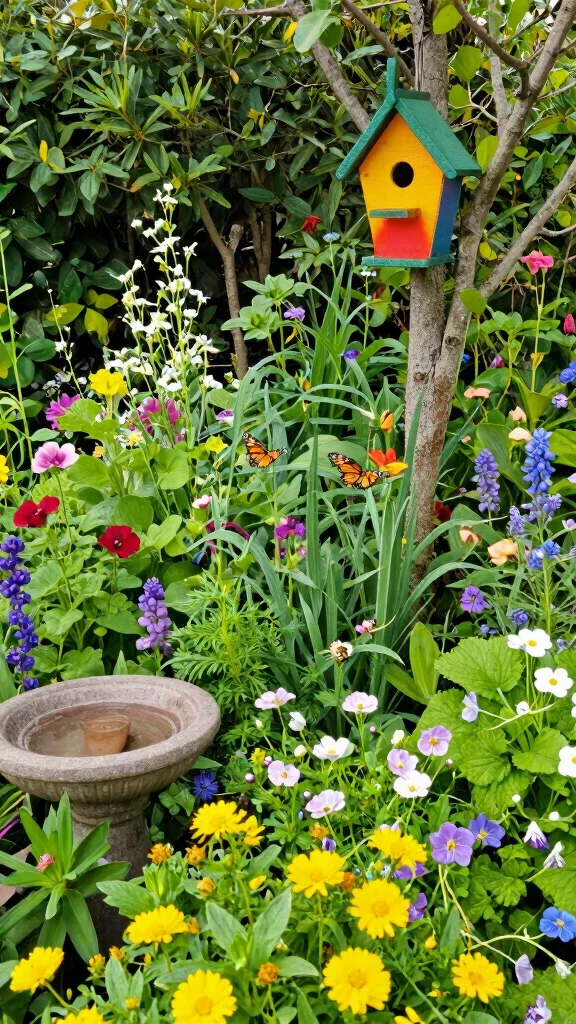
Design a garden that invites nature by creating wildlife-friendly spaces. Incorporating elements that attract birds, butterflies, and beneficial insects can transform your outdoor space into a thriving ecosystem. Imagine a garden filled with colorful flowers, birdhouses, and bee hotels, all working together to support local wildlife.
To ensure your garden is a welcoming habitat, use native plants that provide food and shelter. A variety of blooms and shrubs will offer food sources throughout the seasons.
Explore these ideas to attract wildlife:
– Add birdhouses for nesting birds.
– Include a bee hotel for pollinators.
– Plant nectar-rich flowers for butterflies.
This garden not only enhances biodiversity but also brings joy as you observe the wildlife thriving in your space. Avoid using harmful chemicals to maintain a balanced ecosystem that naturally controls pests.
10. Pathways and Walkways for Accessibility
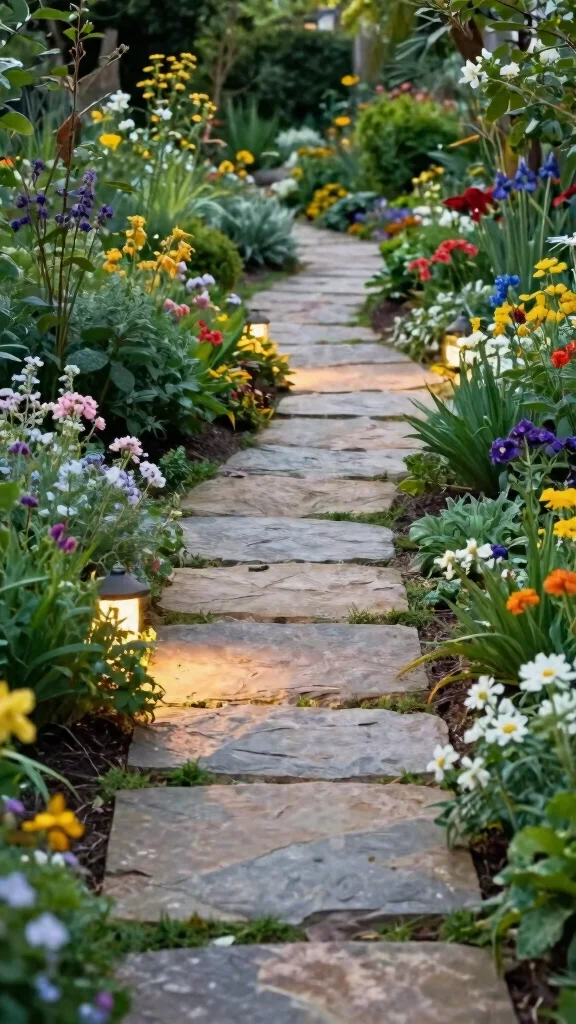
Enhance your garden’s charm and accessibility with thoughtfully designed pathways. Well-placed paths guide visitors through your space while adding visual interest. Imagine winding trails made of eco-friendly materials like gravel or reclaimed bricks, inviting exploration and connection with nature.
To create an engaging pathway, design it to lead to key features like seating areas or water elements. This not only improves navigation but also adds an element of adventure to your garden.
Consider these suggestions for your pathways:
– Use gravel for a natural look.
– Incorporate stepping stones for easy navigation.
– Add lighting for safety and ambiance.
This thoughtful design enhances your garden’s beauty while ensuring accessibility for all. Low-growing ground cover plants alongside pathways will soften edges and further integrate them into the landscape.
11. Container Gardening for Versatility
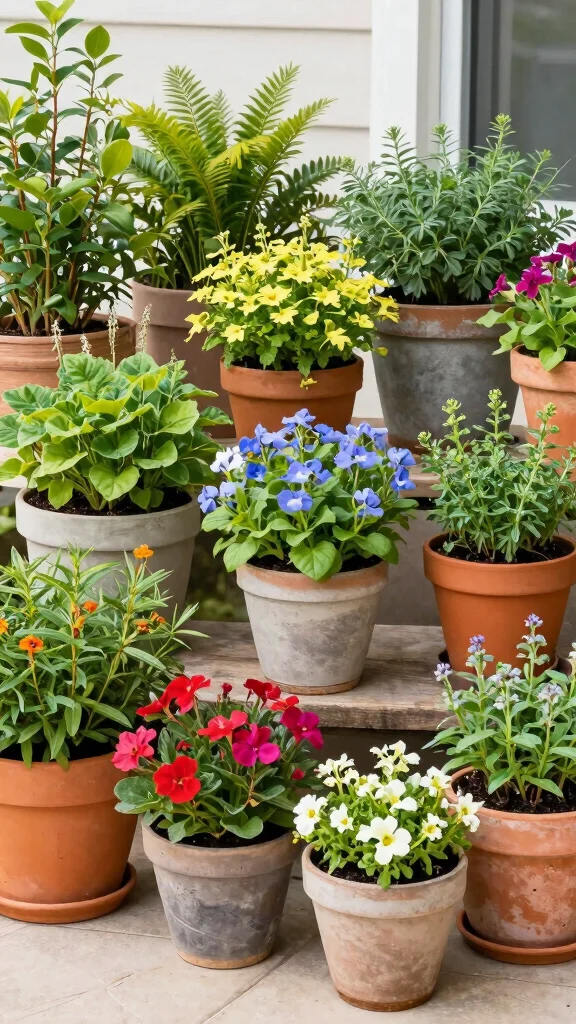
Unlock the potential of your garden with container gardening, a flexible approach that allows you to grow plants in any space. Whether on a patio, balcony, or in a small yard, containers offer endless possibilities for showcasing your favorite plants. Imagine vibrant herbs and colorful flowers displayed together in a variety of pots, creating a lively and inviting atmosphere.
To achieve a visually appealing setup, group your pots in clusters and vary their heights for dynamic interest. Opt for eco-friendly materials like terracotta or recycled plastic for your containers, aligning with sustainable practices.
Consider these tips to maximize container gardening:
– Incorporate edible plants for functionality.
– Use colorful pots to brighten your space.
– Ensure drainage for healthy roots.
This method not only provides versatility but also allows for easy rearrangement as seasons change. Lightweight potting soil will make moving containers effortless, giving you the freedom to experiment and refresh your garden.
12. Seasonal Displays for Year-Round Interest
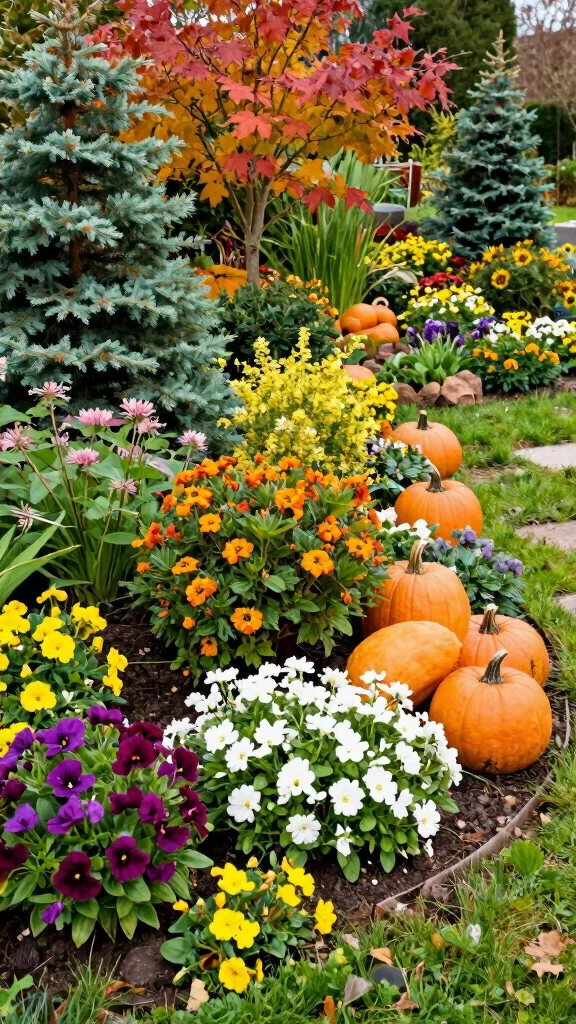
Keep your garden alive with interest throughout the year by embracing seasonal displays. Rotating plants and decorations to reflect the changing seasons creates a dynamic and engaging outdoor space. Picture vibrant spring blooms transitioning to rich autumn colors, each season telling its own story.
To showcase seasonal changes, use planters and raised beds that highlight seasonal flowers and vegetables. For winter, consider evergreen plants to maintain a lush backdrop and keep your garden vibrant.
Explore these ideas for seasonal displays:
– Include pumpkins in the fall for festive charm.
– Use twinkling lights during winter to create magic.
– Rotate seasonal flowers to refresh your garden.
This strategy not only beautifies your space but also helps you stay connected to nature’s cycles. Keep an eye on seasonal plant sales to refresh your displays economically.
New build garden ideas shine when you rotate 3 seasonal displays across planters and raised beds. Keep color and texture flowing year-round, and your outdoor space stays lively, practical, and easy to maintain.
13. Green Roofs for Urban Gardens

If you’re in an urban area, a green roof can be a game changer for your home and the environment. This sustainable solution enhances insulation while providing a unique habitat for wildlife. Imagine a lush rooftop garden filled with drought-resistant plants, creating a mini-ecosystem right above your living space.
To successfully implement a green roof, ensure proper waterproofing and drainage before planting. Mixing various soil layers and plant types will create diverse habitats that support different forms of life.
Consider these benefits of green roofs:
– Reduce urban heat with plant coverage.
– Improve air quality with native plants.
– Provide a unique viewpoint from your home.
This environmentally friendly choice not only beautifies your home but also contributes positively to urban ecology. Regular maintenance, like weeding and watering, is essential to keep your rooftop garden thriving.
14. Smart Gardening with Technology

Embrace the future of gardening with smart technology that enhances plant care and simplifies maintenance. From automated watering systems to soil sensors, these innovations can help ensure your plants thrive. Imagine using an app that reminds you when to water or fertilize, making gardening easier and more enjoyable.
To streamline your gardening experience, invest in smart irrigation systems that conserve water and reduce labor. These tools not only save time but also promote sustainable practices in your garden.
Explore these ideas to integrate technology:
– Use soil sensors for precise moisture monitoring.
– Incorporate smart lights that adjust with natural light.
– Install automated watering systems for convenience.
This modern approach not only boosts plant health but also enhances your gardening experience. By leveraging technology, you can create a thriving, efficient garden that meets your lifestyle needs.
Did you know smart irrigation can cut water use by up to 50%? When paired with soil sensors and timely app reminders, your plants thrive while you spend less time tending your new build garden ideas.
15. Pollinator Gardens for Essential Ecosystems
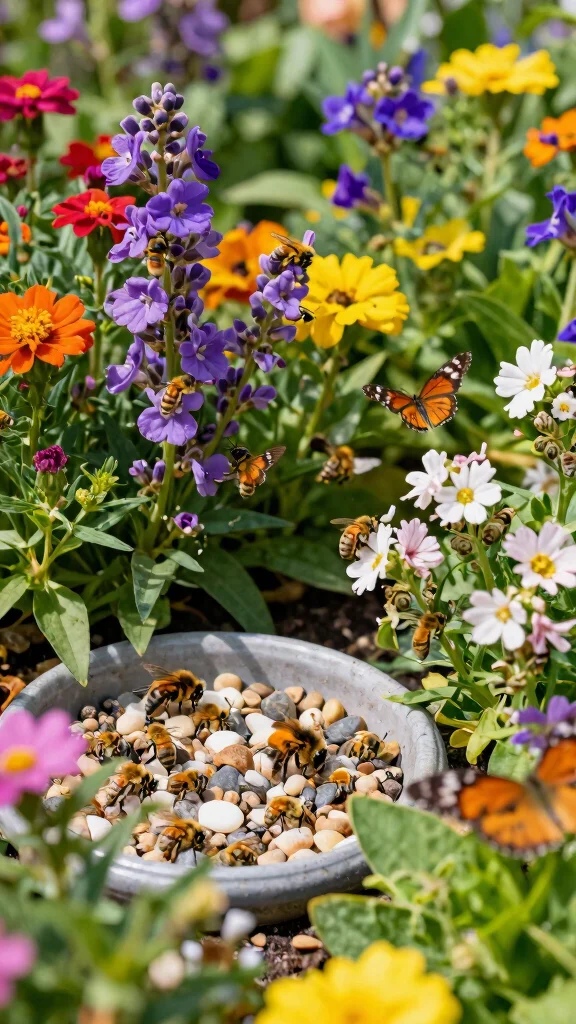
Create a sanctuary for vital pollinators like bees, butterflies, and hummingbirds with a dedicated pollinator garden. These spaces are designed to attract and support these essential creatures, enhancing biodiversity and the health of your local ecosystem. Imagine a vibrant garden filled with a variety of flowering plants that bloom throughout the seasons, providing continuous nourishment for pollinators.
To optimize your pollinator garden, plant in clusters to create visible patches of color that attract attention. Native plants are often the best choice, providing the specific nectar and pollen that local species prefer.
Consider these ideas to enhance your pollinator garden:
– Include a water source for hydration.
– Plant nectar-rich flowers for butterflies.
– Avoid pesticides to protect pollinators.
This garden not only supports essential ecosystems but also provides you with the joy of watching nature flourish. By fostering a healthy environment, you contribute to the well-being of your local wildlife.
❝ Fun fact: A pollinator garden with clusters of 12–15 flowering plants can attract bees, butterflies, and hummingbirds all season, boosting local biodiversity. For your new build garden ideas, plant native perennials and bloom-staggered varieties for continuous nourishment. ❞
16. Eco-Friendly Fencing Options
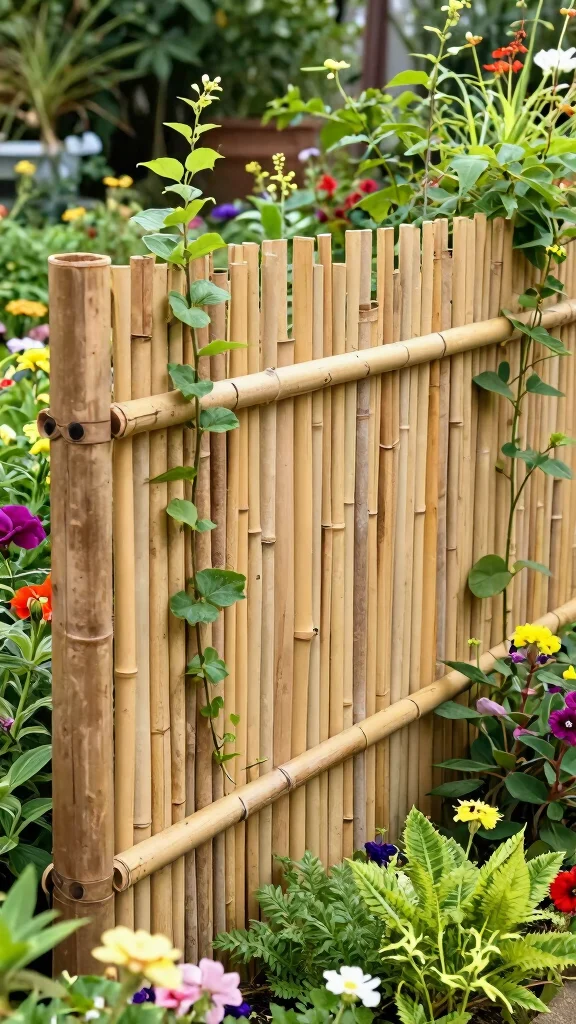
Defining your garden space can be both functional and sustainable with eco-friendly fencing options. Utilize materials like bamboo, recycled wood, or living fences made from shrubs to create boundaries that enhance your garden’s aesthetic. Picture a charming fence that not only serves its purpose but also contributes to the overall beauty of your outdoor space.
When selecting fencing, choose materials that align with your garden’s style while ensuring durability. Living fences can provide privacy while offering a habitat for local wildlife.
Consider these ideas for eco-friendly fencing:
– Use bamboo for a natural look.
– Create a living fence with shrubs.
– Plant vines to climb your fence for added beauty.
This approach not only enhances your garden’s functionality but also integrates it harmoniously with nature. Ensure your fencing is weather-resistant for longevity and sustainability.
17. Outdoor Art Installations for Unique Flair
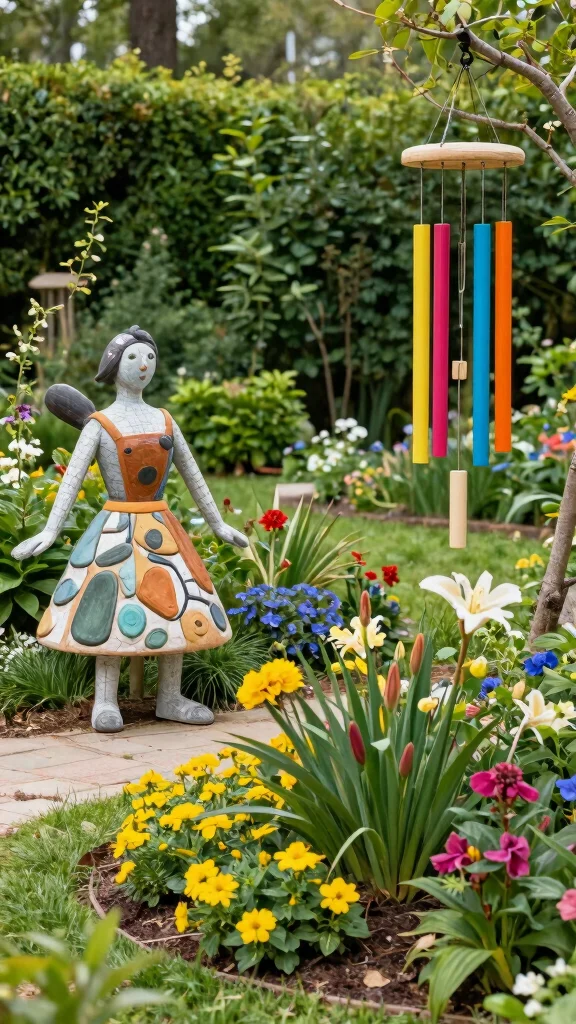
Personalize your garden with outdoor art installations that reflect your unique style and creativity. From vibrant sculptures to whimsical wind chimes, these pieces can transform your garden into a true expression of your personality. Imagine walking through a space adorned with art made from recycled materials, promoting sustainability while enhancing visual interest.
To create an engaging display, position your art installations to draw the eye, perhaps near seating areas or along pathways to encourage exploration. This strategic placement adds depth and intrigue to your garden.
Consider these ideas for your outdoor art:
– Use recycled materials for sustainability.
– Change art with the seasons for variety.
– Ensure installations are weather-resistant for durability.
This approach not only beautifies your garden but also invites conversation and admiration from guests. By incorporating art, you can create a space that truly reflects your personal touch.
Conclusion
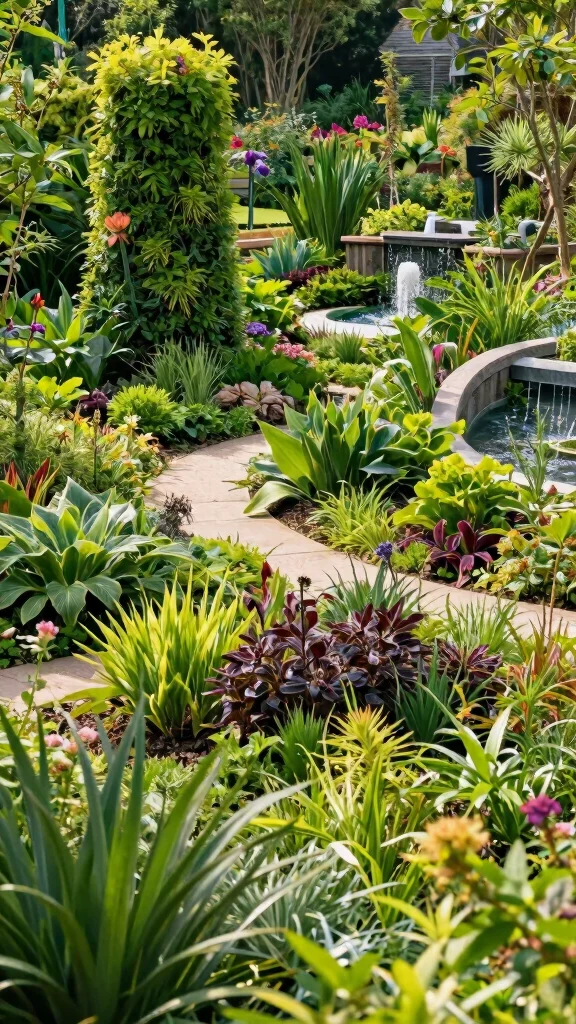
Incorporating these new build garden ideas can turn a simple backyard into an eco-friendly sanctuary that not only enhances your home but also contributes positively to the environment.
With a focus on sustainability, diversity, and creativity, your garden can become a space for relaxation, gathering, and the enjoyment of nature.
Let these concepts inspire you to transform your outdoor area into the garden of your dreams.
Frequently Asked Questions
What are the most effective new build garden ideas to transform a blank canvas into an eco-friendly outdoor living space?
Start with a quick site survey and sun/shade map to plan zones for outdoor living spaces and garden design inspiration. Choose sustainable materials such as permeable paving, reclaimed timber, and recycled composites to support landscaping tips. Opt for planting ideas that use native species and are drought-tolerant to cut irrigation. Create zones for entertaining, a quiet seating nook, and a pollinator garden. Add vertical greenery or a trellis to maximise vertical space on blank walls. Use mulch, compost, and a rain barrel to close the loop and keep maintenance minimal. This approach is ideal for a backyard renovation on a blank canvas and will feel intentional and eco-friendly.
What landscaping tips help a new build achieve a low-maintenance, climate-smart garden?
Begin with soil preparation and a water-smart planting plan. Group plants by sun and water needs and fill gaps with native planting ideas that attract pollinators. Use landscaping tips like a thick mulch layer, a simple drip irrigation system, and permeable paths to reduce water waste. Choose durable, low-maintenance materials for hardscaping. Add solar-powered lighting and modular outdoor furniture that can stay out year-round. Collect rain in a barrel and use compost to improve soil health. With these steps, your new build garden ideas stay beautiful with minimal upkeep.
Which planting ideas are best for a sustainable new build garden?
Go native and pollinator-friendly with perennials that bloom across seasons. Create edible edges with herbs and small fruiting plants. Try container gardens for flexible space and vertical greenery on walls. Plan by water needs to avoid over-watering and mulch to retain moisture. Amend soil with compost and pair plantings for year-round interest. These planting ideas keep maintenance manageable while supporting wildlife and sustainability.
How can I design outdoor living spaces on a new build while staying eco-friendly?
Define zones for cooking, dining, and lounging. Use shading elements like a pergola or fast-growing trees to reduce heat. Choose permeable patios and gravel paths to improve drainage and reduce maintenance. Install a rainwater harvesting system and a drip irrigation setup to conserve water. Opt for energy-efficient outdoor lighting and durable, modular furniture that can be rearranged as you refine the space. This approach creates comfortable outdoor living spaces that feel stylish and eco-friendly.
Where should I start with a backyard renovation using new build garden ideas to maximize curb appeal and value?
Start with a realistic budget and a prioritized list of must-haves. Map out a phased plan so you can tackle planting ideas, hardscaping, and lighting over time. Begin with quick wins like clean borders, a few statement plants, and a practical seating area. Choose durable, low-maintenance materials and native plants to reduce upkeep. Add privacy screens and a focal feature that ties the space to the house. Finally, set up ongoing care with mulching, composting, and seasonal pruning. This strategy uses new build garden ideas to boost curb appeal and value through a thoughtful backyard renovation.
Related Topics
new build garden ideas
sustainable gardening
outdoor living spaces
landscaping tips
garden design inspiration
eco-friendly landscaping
backyard renovation
planting ideas
beginner friendly
seasonal gardens
minimalist garden
DIY garden projects
Leave a Reply