
Creating an indoor greenhouse is one of the best ways to bring a slice of nature into your home. This post was crafted because I’ve seen many people wanting to enhance their indoor spaces with plants but struggling with how to organize them. Whether you’re a seasoned gardener or just starting to dabble in the world of indoor plants, the layout and organization of your greenhouse can make all the difference in how functional and enjoyable your space is.
If you love indoor gardening, this guide is for you. You might be in search of ways to effectively utilize your space, make your plants thrive, or simply create a cozy atmosphere. You’ll find 18 inside greenhouse ideas that are practical, straightforward, and perfect for anyone looking to improve their indoor garden. From vertical gardens to stylish plant stands, these tips will help you create a functional and beautiful greenhouse environment that suits your unique style.
With these ideas, you’ll gain clarity on how to arrange your plants for optimal growth and accessibility. You’ll learn about the importance of natural light, how to organize your tools, and even ways to incorporate artistic elements into your greenhouse. Let’s dive into these practical solutions that will turn your indoor greenhouse into a flourishing retreat.
Key Takeaways
– Explore vertical gardening to maximize space and create stunning visual displays that enhance your indoor environment.
– Utilize shelving units for organization, allowing easy access to your plants and tools while keeping the space tidy.
– Consider a dedicated herb corner, making it easy to access fresh herbs while cooking and adding a delightful fragrance to your greenhouse.
– Implement seasonal plant rotation to keep your greenhouse fresh and vibrant, allowing you to enjoy different plants throughout the year.
– Incorporate eco-friendly pest control methods to maintain plant health without harmful chemicals, ensuring a safe environment for both you and your plants.
1. Vertical Gardens
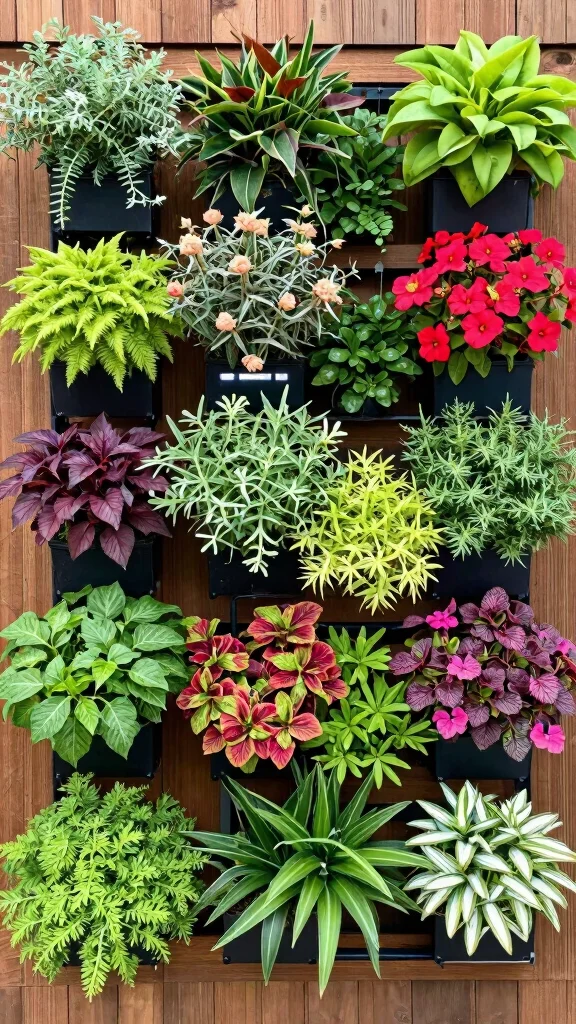
Vertical gardens, also known as living walls, are a brilliant way to infuse life into small spaces. This design choice effectively transforms bare walls into vibrant green displays, creating visual interest and freshness in any area. You can achieve this look by using wall-mounted planters, trellises adorned with climbing plants, or even innovative pocket planters made of felt for a soft touch. Imagine lush herbs cascading down or colorful blooms brightening up your indoor space, providing both beauty and functionality.
To maximize your vertical garden’s potential, consider incorporating a drip irrigation system for easy maintenance. You can also explore budget-friendly options by repurposing old containers or utilizing simple wooden frames for plant support. This approach not only enhances the aesthetic appeal but also brings nature indoors, fostering a sense of calm and connection to the environment.
Consider these tips to create your vertical garden:
– Pair wall-mounted planters with a mix of herbs and flowers.
– Install a trellis for climbing plants to add height.
– Use lightweight containers to minimize wall strain.
– Incorporate a variety of textures and colors for visual diversity.
– Maintain regularly to keep plants healthy and thriving.
This design choice delivers a sophisticated yet inviting atmosphere while the unique textures and materials enhance your overall decor.
2. Shelving Units for Organization
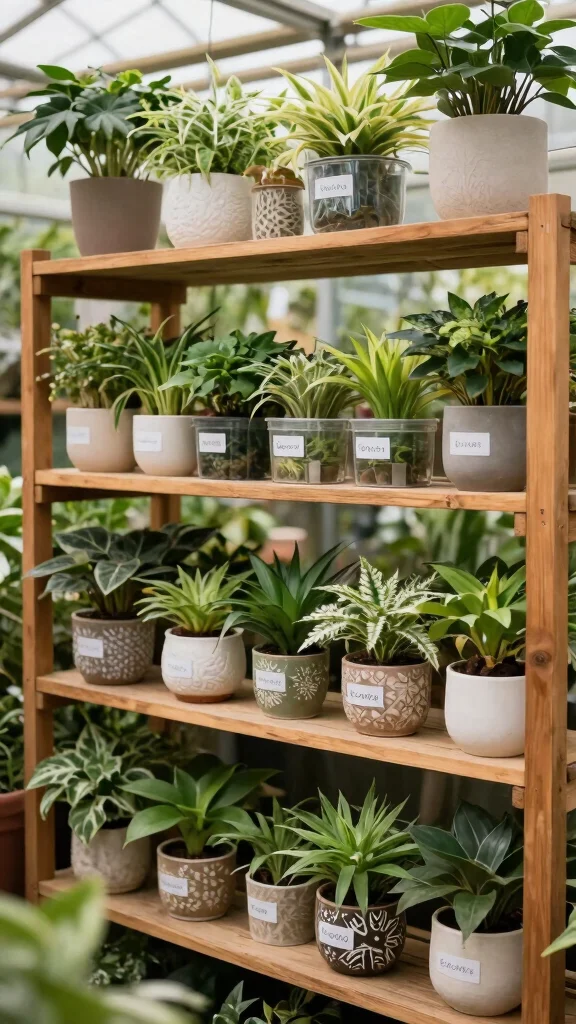
Incorporating shelving units in your greenhouse is a smart way to enhance organization and add decorative flair. By installing tiered shelves, you can take advantage of vertical space, allowing you to showcase an array of plants at varying heights. This not only optimizes your storage but also creates an engaging visual display that draws the eye.
Choose materials that harmonize with your existing decor, such as rustic wood or modern metal. Adding labeled containers can help you keep track of different plants, making them easy to access and maintain. Don’t forget to ensure your shelves are sturdy enough to support larger pots while remaining stable for smaller ones.
Here are some ideas to enhance your shelving setup:
– Choose robust shelving to support heavy pots.
– Incorporate decorative pots for added visual charm.
– Use clear containers for easy identification of your plants.
– Add drip trays to prevent water damage below.
– Consider lighting options to highlight your plant displays.
This thoughtful setup not only showcases your plants beautifully but also keeps everything organized, fostering an uplifting environment in your greenhouse.
3. Dedicated Herb Corner

Establishing a dedicated herb corner makes indoor gardening even more enjoyable. Imagine having fresh basil, thyme, and mint at your fingertips, ready for your culinary creations! By selecting a sunny spot in your greenhouse and using small pots or a raised planter, you can create a delightful herb oasis that is easily accessible.
Labeling each herb adds a fun educational aspect, making it an engaging project for kids and guests alike. Be mindful of each herb’s specific light and water needs to ensure they flourish in their designated spot. This herb corner not only serves practical uses but also cultivates a mini-garden feel within your home.
Try these tips to create your herb corner:
– Opt for pots with good drainage to avoid root issues.
– Group herbs with similar watering needs together.
– Use a tiered stand to create visual variety.
– Rotate herbs to ensure even sunlight exposure.
– Keep a small watering can handy for convenience.
This charming nook not only enhances your kitchen experience but also encourages a deeper connection with the plants you grow.
How To Choose the Right Indoor Greenhouse Design
Choosing the right indoor greenhouse design is essential for creating a functional and attractive space for your plants. With various options available, you want to ensure that your selection meets both your aesthetic preferences and practical needs. Here’s how to make the right choice for your indoor gardening journey.
1. Size Matters
Consider the available space in your home. Measure the area where you plan to place the greenhouse. Ensure to account for the height, width, and depth. A smaller greenhouse may fit nicely in a corner, while a larger one could become a focal point in a bigger room. Think about the number of plants you want to grow; larger designs allow for a variety of plants and layouts.
2. Material Selection
The material of your greenhouse affects its durability and aesthetics. Common materials include glass, plastic, and polycarbonate. Glass offers a classic look and good light permeability but can be heavy and fragile. Polycarbonate is lightweight, durable, and provides excellent insulation. Choose a material that suits your style and climate conditions.
3. Lighting Features
Natural light is vital for plant growth. Look for greenhouses with ample glass panels or consider adding supplemental grow lights if natural light is limited. Ensure your greenhouse design allows for the maximum amount of light to reach your plants. You may also want to consider options that allow for adjustable lighting to cater to different plant needs.
4. Ventilation Options
Proper ventilation is crucial for maintaining a healthy environment for your plants. Look for designs that incorporate vents or fans. This helps regulate temperature and humidity levels. A well-ventilated greenhouse prevents overheating and encourages airflow, which is essential for plant health.
5. Organizational Features
Consider how you will organize your plants. Shelving units, hooks for hanging plants, and designated areas for specific plant types can help you maintain order. A well-organized greenhouse makes plant care easier and more efficient. Think about what organizational features you need based on the types of plants you plan to grow.
6. Budget Considerations
Determine your budget before selecting a greenhouse design. Prices can vary significantly based on size, materials, and features. Remember to factor in the cost of any additional equipment, such as grow lights or shelving. While it’s tempting to go for the cheapest option, investing in quality materials can save you money in the long run.
Pro Tip: Always read reviews and seek recommendations from fellow indoor gardeners. Their experiences can provide insight into the best greenhouse designs and features that work well for your space. Don’t rush your decision; take the time to explore different options and find what best suits your needs.
By carefully considering these factors, you can choose an indoor greenhouse design that complements your home and supports your gardening endeavors. With the right setup, you’ll create a thriving environment for your plants and enjoy the beauty of indoor gardening year-round!
4. Use of Natural Light
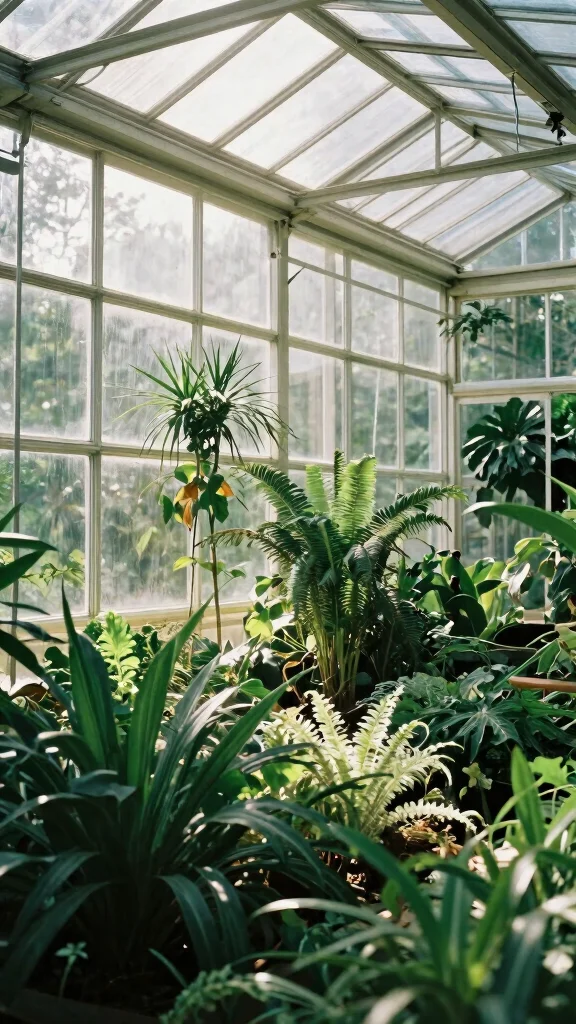
Maximizing natural light is essential for thriving plants and a welcoming greenhouse atmosphere. Position your greenhouse in a location that captures abundant sunlight throughout the day. Utilizing large glass panels or skylights can further enhance light exposure, creating an inviting space for both plants and people.
In addition, consider adding reflective surfaces to help distribute light into shadier areas. Strategically place plants based on their light requirements, ensuring those that thrive on sunlight are positioned closer to windows. If needed, sheer curtains can be employed to soften harsh sunlight, protecting delicate plants while allowing light to filter through.
Here are some strategies for optimizing natural light:
– South-facing windows typically provide the best sunlight.
– Use light-diffusing materials for your greenhouse cover.
– Adjust plant positions according to seasonal light changes.
– Introduce grow lights during cloudy days or winter.
– Regularly clean glass surfaces to maximize light access.
This focus on natural light not only supports plant health but also creates a warm, inviting environment that you’ll love to spend time in.
5. Stylish Plant Stands
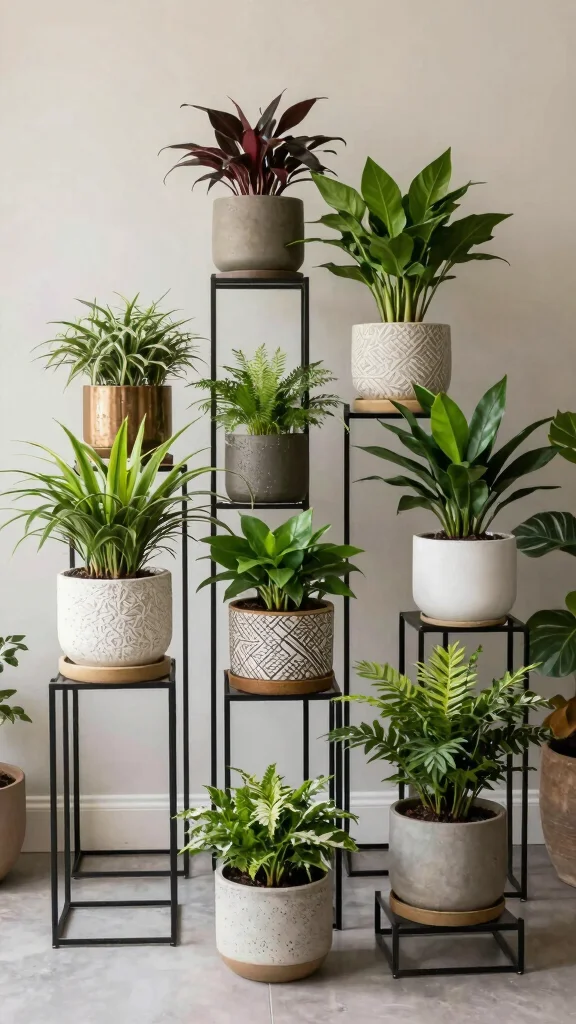
Elevate your indoor garden with stylish plant stands that double as functional decor. These stands can serve as eye-catching focal points in your greenhouse while providing practical plant support. Choose from rustic wood, sleek metal, or vibrant colors that complement your overall decor style.
Arranging plants at different heights not only creates visual interest but also allows you to showcase your variety effectively. Ensure the bases are stable and capable of supporting the weight of your pots. You can also design themed areas, such as a tropical zone or a succulent corner, using your stands to highlight specific collections.
Consider these tips for using plant stands effectively:
– Mix and match different styles for a bohemian vibe.
– Ensure stands provide adequate drainage for plants.
– Use staggered heights to enhance your display.
– Consider mobility with stands that have wheels.
– Decorate around stands with stones or fairy lights for extra flair.
This approach creates a dynamic and inviting atmosphere while showcasing your plants beautifully.
6. Hanging Planters
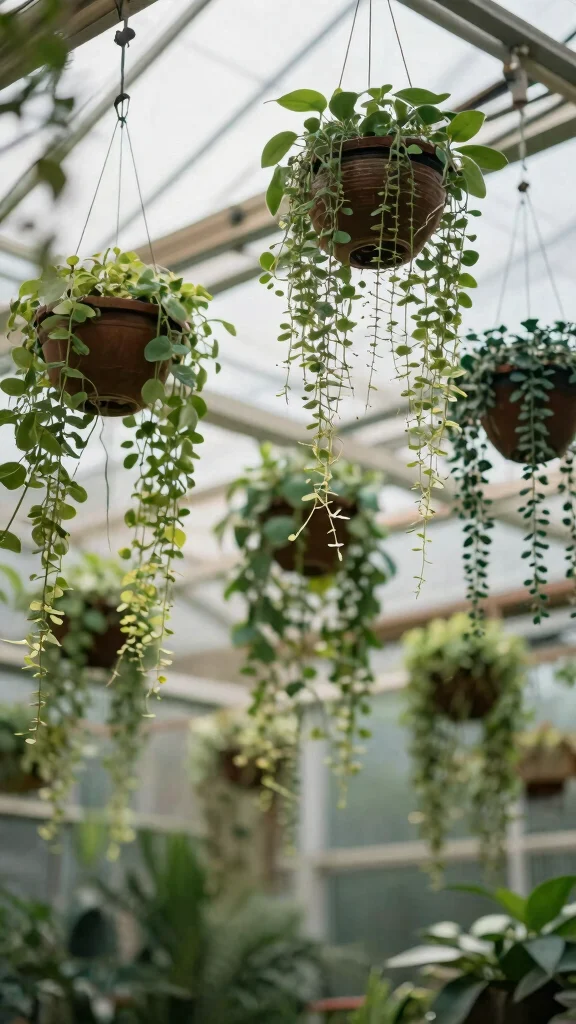
Hanging planters provide an elegant solution for utilizing vertical space while adding depth to your greenhouse. These planters can be suspended from the ceiling or mounted on walls, serving as perfect homes for trailing plants or small herbs. The addition of macrame hangers imbues a bohemian feel, while sleek metal or ceramic options can lend a modern touch.
Ensure that your hanging planters are securely fastened to prevent accidents and regularly check for water retention to keep your plants healthy. The benefits of hanging plants extend beyond aesthetics; they can also purify the air and create a serene environment.
Implement these ideas for your hanging planters:
– Mix different types of hangers for varied heights.
– Use trailing plants like string of hearts for maximum effect.
– Ensure they receive adequate light but avoid direct exposure.
– Group them together for a lush, abundant look.
– Choose lightweight materials for easier installation.
This design choice not only enhances the beauty of your greenhouse but also offers practical benefits, creating a tranquil atmosphere.
7. Integrated Seating Areas

Creating a cozy seating area within your greenhouse encourages longer visits and makes the space feel more inviting. Consider adding a small bench or a couple of comfortable chairs where you can relax, enjoy your plants, or sip tea. Choosing materials like wood or wicker that complement your greenhouse style adds to the overall aesthetic.
Incorporate soft cushions for added comfort and position the seating near a window or a focal plant for an enjoyable view. This space can also serve as a peaceful retreat, allowing you to connect with nature and unwind.
Here are some suggestions for enhancing your seating area:
– Opt for weather-resistant materials for durability.
– Add throw pillows or blankets for extra coziness.
– Surround the area with fragrant plants to enhance sensory experiences.
– Include a small table for drinks or books.
– Ensure the space is well-lit for evening relaxation.
This inviting nook not only enhances your greenhouse but also promotes a deeper connection with the plants you nurture.
8. Colorful Container Arrangements
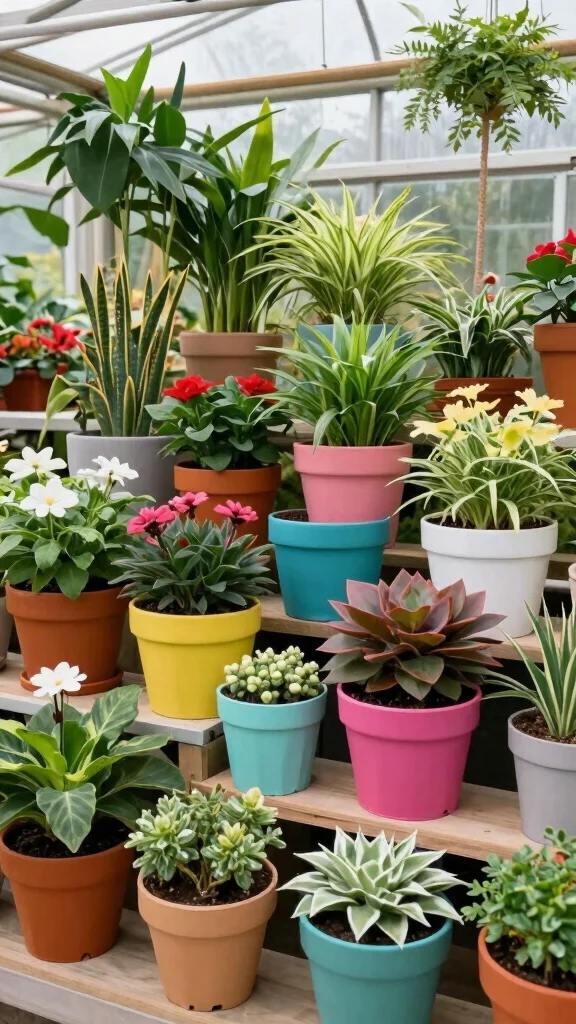
Colorful container arrangements can significantly elevate the visual appeal of your greenhouse. Mixing pots in various colors, shapes, and sizes creates a lively atmosphere that draws the eye. Whether you prefer a consistent color palette or a vibrant rainbow, the options are endless!
Consider grouping plants by color or texture to create themed sections within your greenhouse. Incorporating decorative stones or mulch can add depth and contrast, while layering plants in your containers adds dimension and interest.
Try these tips to enhance your container arrangements:
– Use a variety of materials, including ceramic and plastic.
– Change plant arrangements seasonally for freshness.
– Position the tallest plants at the back for visibility.
– Mix flowers and foliage for a dynamic look.
– Ensure proper drainage for all pots to keep plants healthy.
This vibrant approach to container gardening makes your greenhouse a feast for the eyes, enhancing the joy of indoor gardening.
Colorful container arrangements bring your greenhouse to life—trust the palette. Start with three coordinating pots, group plants by texture, and add a pop of mulch for depth. Inside greenhouse ideas shine when color, shape, and care come together with intention.
You might also like
9. Indoor Water Features
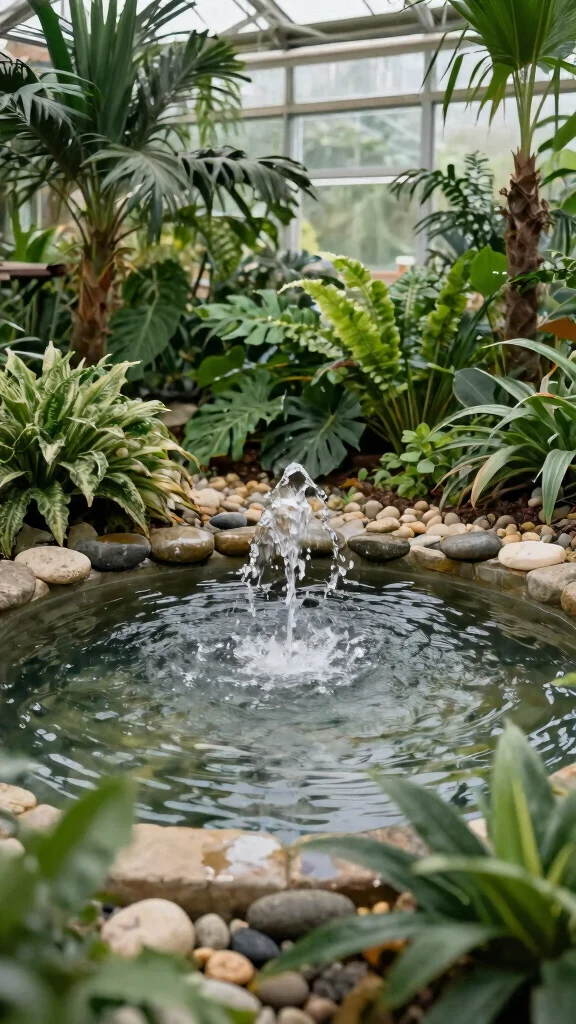
Adding a small indoor water feature can elevate your greenhouse experience by introducing soothing sounds and a touch of tranquility. Consider installing a compact fountain or a miniature pond that can accommodate aquatic plants. The gentle sound of flowing water creates a calming atmosphere, perfect for relaxation.
Water features also support a diverse ecosystem, attracting beneficial insects and enhancing humidity levels for your plants. Ensure that the water feature is manageable and constructed from non-toxic materials to keep it safe for both plants and pets.
Here are some ideas for incorporating water features:
– Choose a size that fits your greenhouse without overwhelming it.
– Include small aquatic plants like water lilies.
– Ensure proper filtration for cleanliness and safety.
– Surround the feature with pebbles for a natural look.
– Regularly change the water to maintain freshness.
This calming element not only beautifies your greenhouse but also creates a serene environment that promotes relaxation and enjoyment.
10. Themed Plant Zones
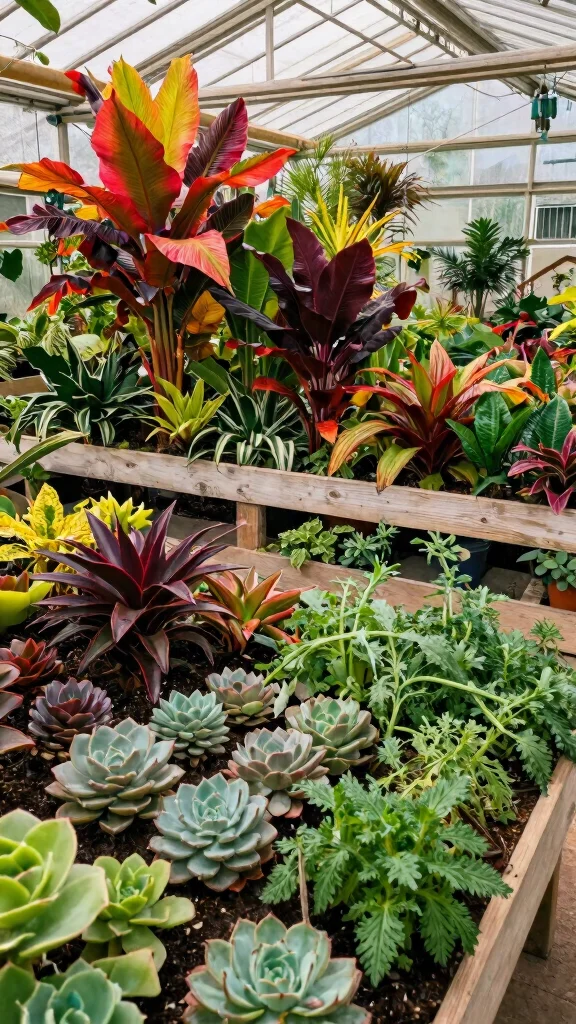
Creating themed plant zones is a creative way to organize your greenhouse and showcase your plants beautifully. You might designate a tropical zone filled with vibrant orchids, a succulent area featuring various cacti, or a herb section bursting with culinary delights. This organization method makes it easier to care for your plants while enhancing the visual appeal of your space.
Design each zone according to the specific light and moisture requirements of the plants. This thoughtful approach not only looks pleasing but also simplifies your watering and feeding routines. Adding signage or small decorations related to each theme can create a more immersive experience for visitors.
Consider these suggestions to create your themed zones:
– Use different colors or materials to visually separate zones.
– Incorporate natural dividers like bamboo for a rustic touch.
– Group plants with similar watering needs together.
– Regularly assess and adjust the needs of each zone.
– Maintain clear pathways for easy access.
This engaging setup not only organizes your greenhouse but also provides a delightful exploration experience for all who visit.
11. Eco-Friendly Solutions
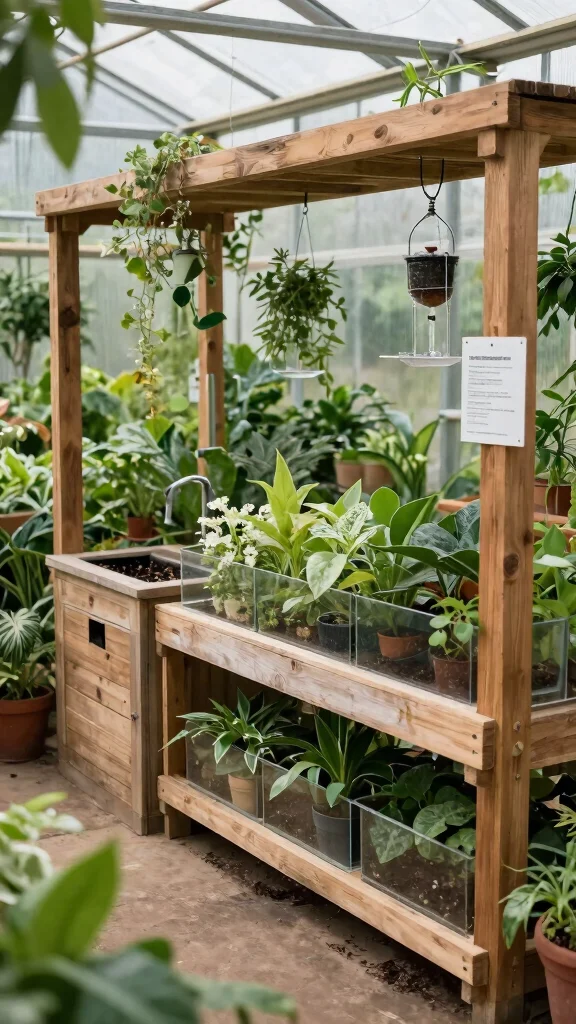
Incorporating eco-friendly solutions into your greenhouse design promotes sustainable gardening while positively impacting the environment. Utilizing recycled materials like reclaimed wood or glass not only reduces waste but also adds character to your indoor space.
Consider implementing a composting station to create nutrient-rich soil for your plants. Installing a rainwater collection system can minimize water usage while ensuring your plants receive the hydration they need. These sustainable practices will make your indoor greenhouse a responsible and rewarding choice for you and the planet.
Here are some eco-friendly tips:
– Research local sources for sustainable materials.
– Set up a composting station for organic waste.
– Use biodegradable pots for seedlings.
– Learn about companion planting for healthier growth.
– Regularly assess and adapt your practices for sustainability.
This commitment to sustainability not only enhances your gardening experience but also fosters a healthier environment.
12. Seasonal Plant Rotation
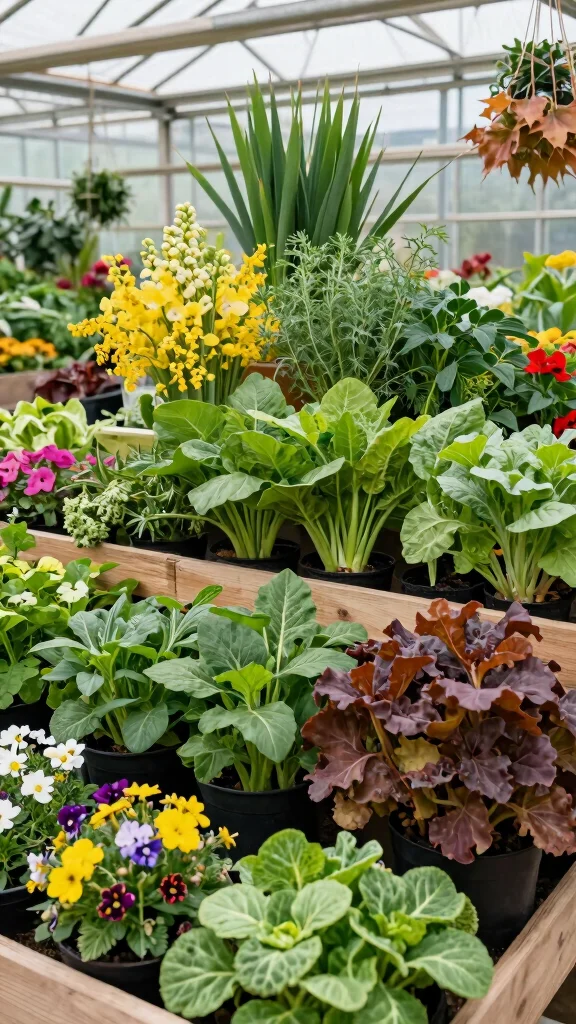
Seasonal plant rotation is key for maintaining a vibrant indoor greenhouse. By cycling your plants according to seasonal trends, you ensure a colorful and lively atmosphere year-round. This practice not only brings diversity to your space but also helps manage pests and diseases effectively.
Start by selecting plants suited to each season: cool-weather vegetables for fall and winter, and bright annuals for spring and summer. Keeping track of each plant’s requirements allows you to customize your care routines, rejuvenating the soil and encouraging experimentation.
Try these strategies for effective seasonal rotation:
– Create a seasonal calendar to monitor plant changes.
– Research local climate impacts on plant growth.
– Swap plants with friends for variety and new experiences.
– Use markers to indicate seasonal plant placements.
– Monitor conditions and adapt care as seasons shift.
This proactive approach not only keeps your greenhouse exciting but also enhances your skills as a gardener.
Fun fact: seasonal plant rotation in an inside greenhouse ideas setup can cut pest issues by up to 40% and keep your space vibrant year-round. Rotate cool-weather plants for fall and winter, with bright annuals for spring and summer to maintain color and plant health.
13. Utilizing Space Under Stairs

If you have stairs in your home, don’t overlook the potential for the space beneath them! This often ignored area can be transformed into a mini-greenhouse, maximizing your indoor gardening area. By using this space creatively, you can cultivate plants without taking up valuable floor space.
Install a few small shelves or stacked planters to create a cozy nook for herbs or smaller plants. Ensure the area is properly ventilated and receives adequate light for healthy growth. This unique setup not only utilizes otherwise wasted space but also adds a surprising element to your home’s interior design.
Consider these tips for enhancing the space under your stairs:
– Choose low-light tolerant plants for best results.
– Decorate the area with lights or artwork for charm.
– Keep a small watering can or tools within reach.
– Maintain a cohesive design with surrounding decor.
– Think about portable options for easy rearrangement.
This creative use of space not only maximizes your gardening potential but also adds character to your home.
14. Indoor Plant Care Stations
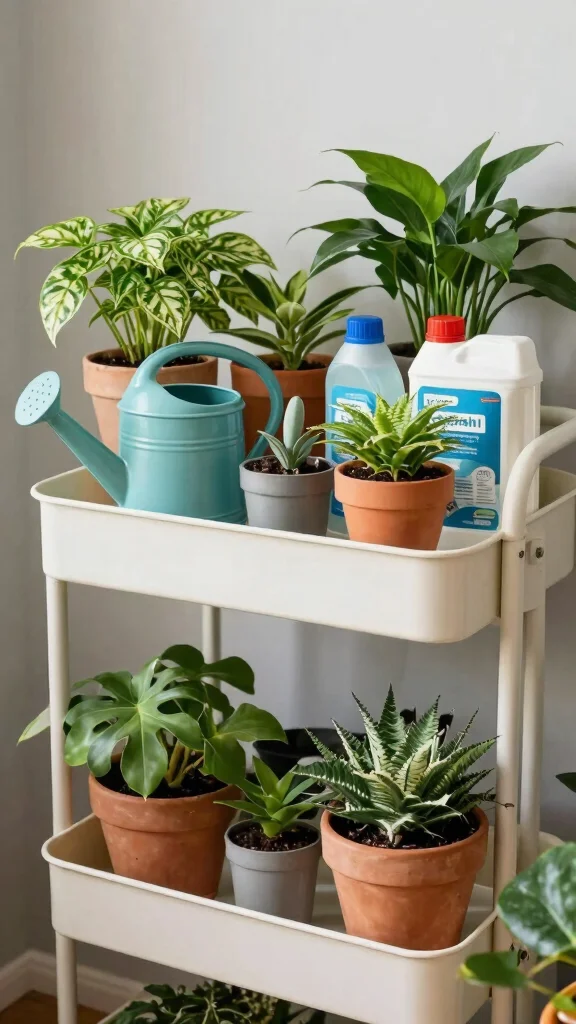
Setting up an indoor plant care station streamlines your gardening tasks, providing all the necessary tools in one convenient place. Consider using a small table or cart to hold watering cans, fertilizers, pruning shears, and plant food. This station keeps everything organized while becoming a charming nook in your greenhouse.
Labeling each item makes it easier to find what you need, ensuring you don’t forget essential tasks like watering or fertilizing. Including a small plant display on your station can inspire you every time you pass by, transforming plant care into a delightful activity.
Here are some tips for creating your care station:
– Use a rolling cart for added mobility and ease.
– Include a small trash bin for clippings and waste.
– Add a notebook for tracking plant care and growth.
– Personalize the station with decorations or photos.
– Ensure adequate lighting for plants displayed on the station.
This setup not only organizes your gardening tools but also makes plant care feel enjoyable and rewarding.
15. Eco-Friendly Pest Control
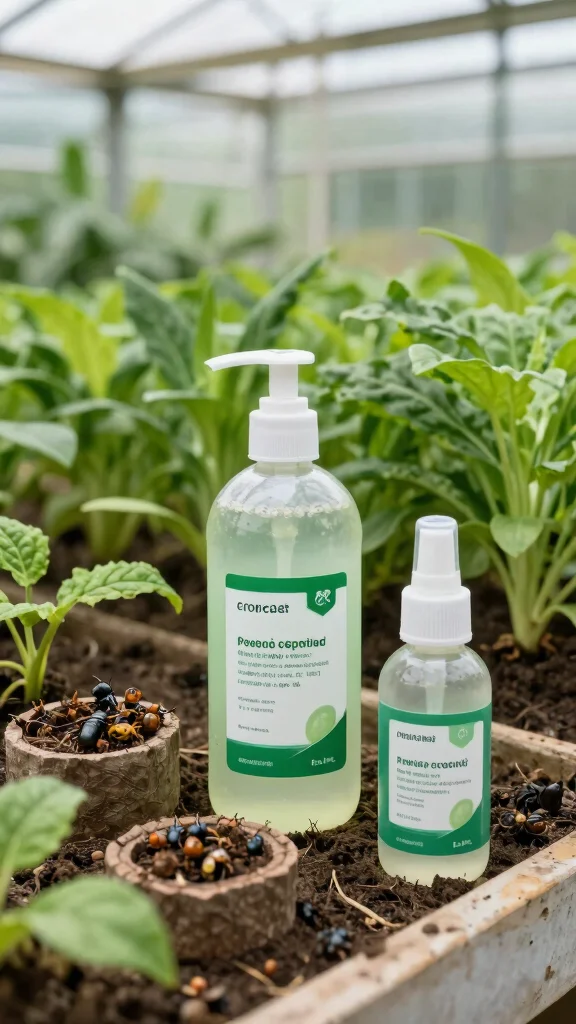
Managing pests in your greenhouse without harsh chemicals is crucial for maintaining a healthy indoor environment. Adopting eco-friendly pest control methods protects your plants while being gentle on the ecosystem.
Consider introducing beneficial insects like ladybugs and lacewings to naturally manage pest populations. You can also use natural insecticidal soaps or homemade sprays made from garlic or neem oil. Regular inspections and maintaining cleanliness help deter unwanted pests. These methods not only safeguard your plants but also contribute to sustainable gardening solutions, keeping your indoor space vibrant and healthy.
Here are some eco-friendly pest control tips:
– Learn about common pests and suitable controls.
– Use companion planting to repel pests naturally.
– Regularly monitor for early signs of infestation.
– Keep the greenhouse clean and free from debris.
– Research beneficial insects suited to your plants.
This approach ensures your gardening remains environmentally responsible while protecting the beauty of your indoor space.
16. Color-Coded Plant Labels

Color-coded plant labels provide a fun and practical way to keep your greenhouse organized and informative. Using different colors for various plant types helps you quickly identify herbs, flowers, and vegetables at a glance.
Consider using recycled materials like painted stones or wood for an eco-friendly touch. These labels can also serve as decorative elements, adding a splash of color among the greenery. Clear labels ensure you provide the right care for each plant and assist when sharing gardening insights with friends and family.
Implement these tips for effective labeling:
– Use waterproof materials to prevent fading.
– Create unique designs for each plant type.
– Regularly update labels as plants change.
– Group similar plants together for easy identification.
– Include care tips on the back for quick reference.
This simple addition enhances your gardening experience while promoting organization and clarity.
Fun fact: As part of inside greenhouse ideas, color-coded plant labels can cut misidentification errors by up to 60% in indoor greenhouses. Use recycled stones or painted wood for eco-friendly labels, and enjoy clear care reminders—and a splash of color among your herbs and vegetables.
17. DIY Garden Signage

Creating DIY garden signage brings a personal touch while enhancing the charm of your indoor greenhouse. Making signs for each plant or zone adds character and informative value for visitors. Use wood, recycled materials, or even painted rocks to craft unique signs that reflect your style.
Incorporating fun quotes, plant care instructions, or the plant’s origin can make this project even more engaging. Signage serves as a conversation starter, adding a playful element to your greenhouse design. Let your creativity shine and turn it into a fun family project!
Here are some suggestions for your garden signage:
– Use durable materials for longevity.
– Paint or decorate signs to match your personal style.
– Group signs by plant types or zones for clarity.
– Update signage as your plant collection changes.
– Include fun facts to educate visitors.
This creative aspect not only personalizes your greenhouse but also enhances the overall experience for everyone who visits.
18. Incorporating Art
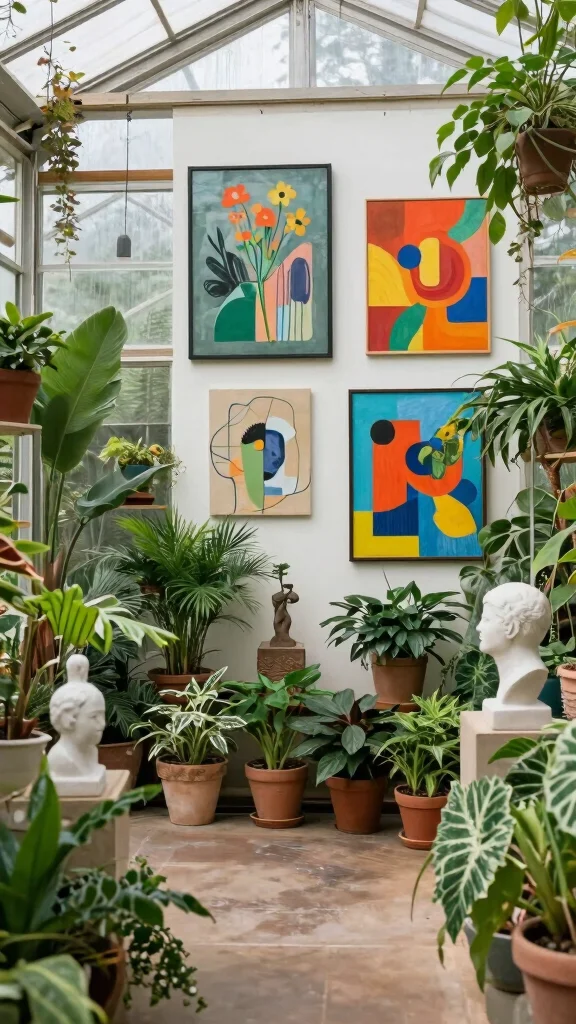
Incorporating art into your greenhouse design elevates the space to a whole new level. Artistic elements like sculptures, wall art, or decorative pots can transform your indoor garden into a personal oasis. Choose pieces that resonate with you or reflect nature to seamlessly tie into your greenhouse theme.
Art can serve as focal points, guiding the eye and sparking conversation. Consider showcasing local artists’ works to support your community. Feel free to mix different styles to achieve a dynamic atmosphere that feels uniquely yours.
Here are some ideas for integrating art:
– Look for weather-resistant items if needed.
– Curate a gallery of art pieces around the greenhouse.
– Use art to complement plant arrangements and enhance visibility.
– Engage in art swapping with local artists for fresh inspiration.
– Regularly update your pieces to keep the space feeling fresh.
This artistic approach enriches your greenhouse environment, making it a delightful space to relax and enjoy.
Conclusion
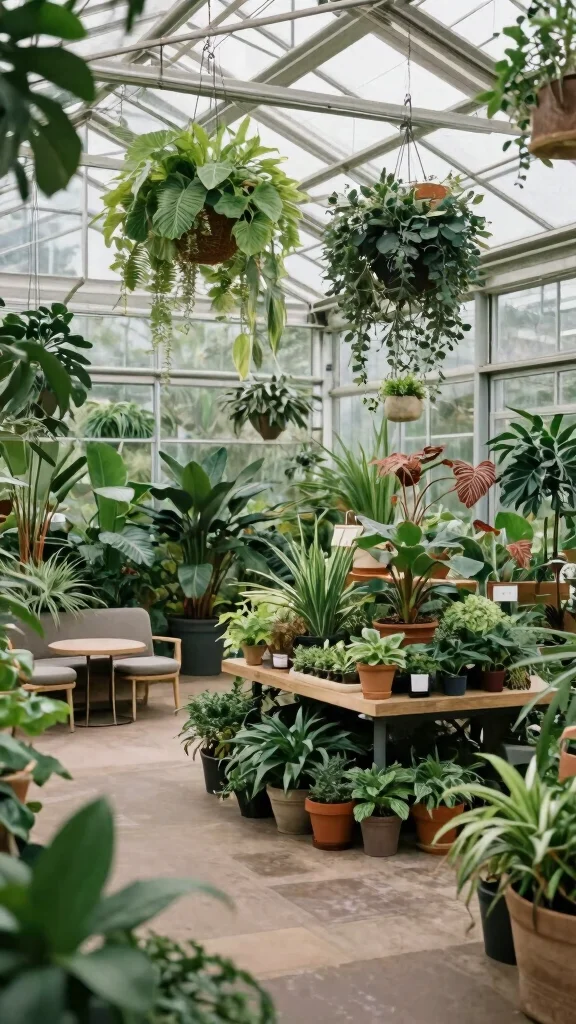
Embracing these inside greenhouse ideas can transform your indoor space into a functional and beautiful retreat. By blending organization, creativity, and sustainability, you can create an enchanting atmosphere that enchants both you and your guests.
Whether you choose to incorporate vertical gardens, stylish plant stands, or dedicated herb corners, each idea is a step toward a greener lifestyle. So get creative and start designing your perfect indoor oasis today!
Frequently Asked Questions
What are the top inside greenhouse ideas for a functional layout in a small space?
Start with a simple floor plan: measure your space and map zones for propagation, growing, and storage.
Go vertical with wall-mounted shelves and pegboards to free floor space.
Use rolling benches or modular, stackable shelves so you can reconfigure as your plant collection changes.
Create clear sightlines and a 3-foot-wide walkway to keep tasks flowing; group plants by light and water needs to reduce moving items around.
Choose compact, adjustable equipment—think a slim LED grow light, a small fan, and a space-saving irrigation station. For sustainability, add a rain barrel and a simple drip irrigation loop. These steps turn any nook into an efficient, tidy space with inside greenhouse ideas that actually work.
How can I optimize greenhouse design to maximize light and airflow indoors?
To boost light and airflow in an indoor greenhouse, start by placement: position near your brightest wall and use reflective surfaces (white paint or foil) to bounce light around. Install adjustable vents or a small circulating fan to create cross-ventilation and prevent stagnant air.
Light management matters: if natural light is limited, add energy-efficient LED grow lights with adjustable height and a timer to mimic longer days. Use light-diffusing panels or sheer curtains to reduce hotspots without blocking light entirely.
Keep air moving at plant height with a small oscillating fan and ensure air changes several times per hour. Finally, maintain clean surfaces and avoid crowding plants, so airflow isn’t blocked. This is the essence of greenhouse design that keeps indoor spaces healthy and productive.
What are practical indoor gardening tips for keeping plants healthy year-round inside a greenhouse?
Here are practical indoor gardening tips for year-round health inside a greenhouse: choose a mix of heat-loving and hardy plants and use a well-draining potting mix. Keep a consistent watering schedule—check soil moisture before watering and consider a moisture meter to prevent overwatering.
Control humidity with ventilation and a simple hygrometer; aim for even moisture without soggy roots. Use a grow light schedule to supplement short daylight, typically 12–16 hours of light depending on species.
Inspect leaves weekly for pests, quarantine new plants, and wipe down surfaces to reduce disease. Label your pots and rotate crops to improve air circulation. These indoor gardening tips help you stay productive and plant-friendly year-round.
How can I use plant layout ideas to increase yield and aesthetics in an indoor greenhouse?
Plant layout ideas that boost yield and aesthetics in an indoor greenhouse: plan zones for high-light crops, herbs, and trailing plants, then arrange shelves vertically to maximize space. Use trellises and vertical planters to grow vining plants up and out, freeing bench space for others.
Group plants by light needs and water requirements, and design clear, accessible paths so you can harvest without stepping over pots. Try staggered sowing and seasonal rotations for a steady harvest. Add decorative touches like color-coded pots or labeled zones for a cleaner look. These plant layout ideas help you get more produce and beauty from the same square footage.
What are budget-friendly greenhouse organization solutions that still look polished?
Budget-friendly greenhouse organization ideas that still look polished: reuse modular shelving from thrift stores or DIY platforms; add pegboards and magnetic strips to keep tools visible and tidy. Use labeled bins and clear tubs for seeds, soil, and accessories, and roll them on sturdy carts for easy movement.
Create a dedicated irrigation and potting station with a small tray, a watering can, and a compact waste bin. For sustainability, upcycle crates, shoe organizers, or old kitchen racks. Finally, add a few green plants or a cohesive color scheme to keep the space inviting while staying practical. These greenhouse organization tips prove you can be stylish and thrifty while supporting sustainable gardening solutions.
Related Topics
inside greenhouse ideas
greenhouse design
indoor gardening tips
plant layout ideas
greenhouse organization
sustainable gardening
beginner friendly
space-saving solutions
vertical gardening
DIY greenhouse
functional layouts
seasonal plants
Leave a Reply