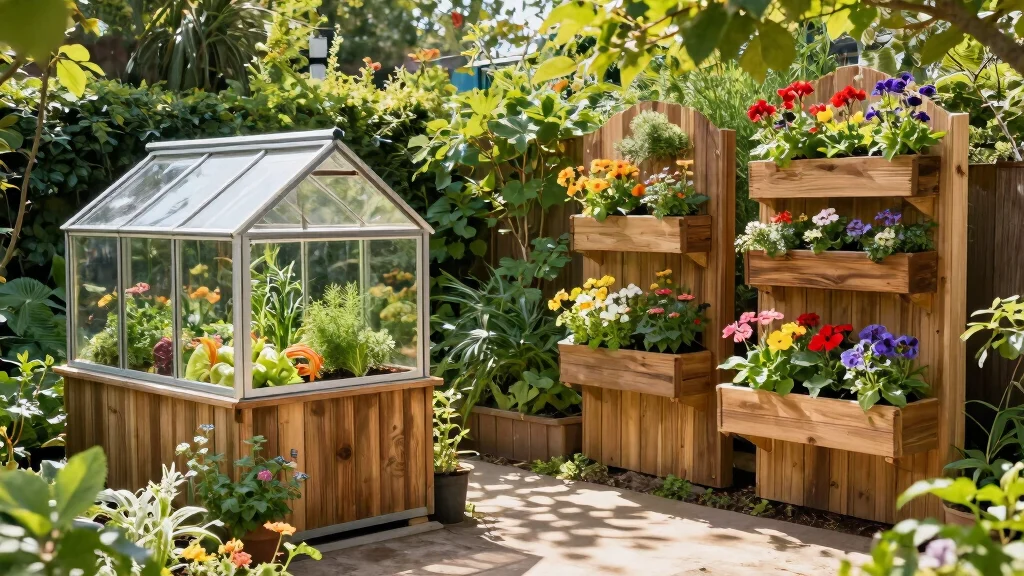
Creating a personalized garden space is something many of us dream about. There’s just something about having your own little green oasis that brings joy and tranquility to our lives. This post came from my desire to share creative ways you can build your own greenhouse, even if you’re short on space or resources. It’s all about those green-thumbed aspirations, and I want to help you cultivate them!
If you’re someone who loves gardening, home decor, or simply enjoys the outdoors, this blog post is for you. You’ll find ideas that cater to a variety of spaces, whether you have a sprawling backyard or a small balcony. You care about making your home a beautiful reflection of you, and these DIY greenhouse ideas will help you achieve just that.
In this article, you’ll discover 18 greenhouse ideas DIY that are fun, practical, and unique. From repurposing old items to building compact structures, these projects will inspire you to create a garden space that feels truly yours. Get ready to dig in and transform your outdoor living areas into a lush retreat filled with creativity and personality!
Key Takeaways
– Discover a variety of DIY greenhouse ideas that fit small spaces, perfect for urban gardeners or those with limited room.
– Learn how to repurpose everyday materials like wooden pallets and old windows to create unique gardening solutions.
– Explore vertical gardening options, which maximize space while providing stunning plant displays that beautify your area.
– Gain insights into sustainable gardening practices that not only enhance your home decor but also benefit the environment.
– Find inspiration for creating outdoor living spaces that reflect your personal style and invite relaxation and enjoyment.
1. Repurposed Wooden Pallet Planters
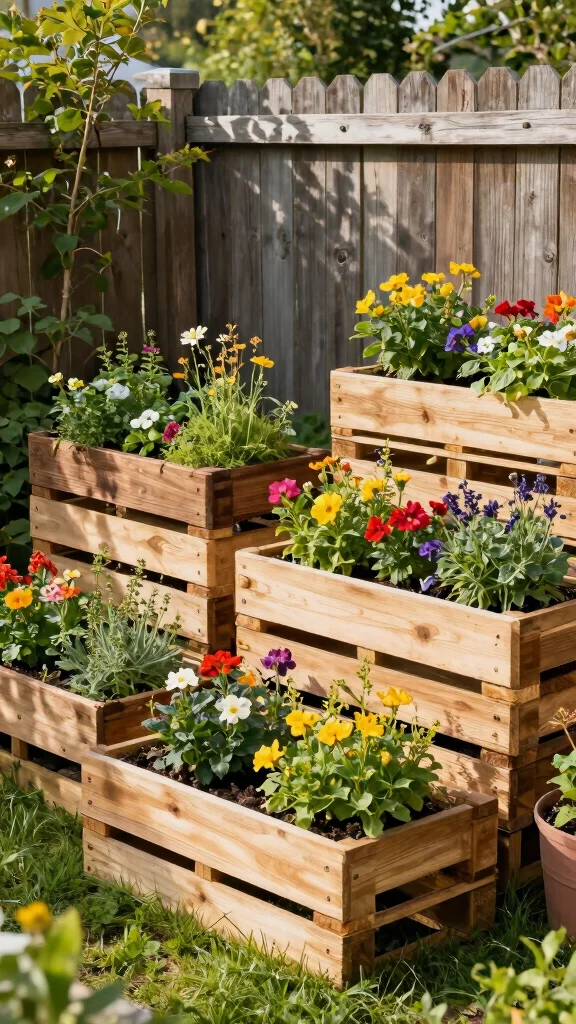
Repurposed wooden pallets can effortlessly transform your garden into a charming retreat. Stacking and securing a few pallets creates a vertical planter that saves space and highlights your favorite blooms. You can personalize it by painting or staining the wood to complement your outdoor aesthetic, adding a rustic yet modern touch. This approach not only looks great but also embraces sustainability by reusing old materials.
To make the most of your pallet planters, consider these practical tips: Choose heat-treated pallets for added durability and safety, and line the back with landscape fabric to keep soil in place. Mixing herbs and colorful flowers will provide visual interest, and a trellis can add height for climbing plants.
Enhance your garden with these ideas:
– Pair pallets with vibrant paint for a splash of color.
– Install landscape fabric to prevent soil loss.
– Use a variety of herbs for a fragrant display.
– Incorporate a trellis to support climbing plants.
This DIY project offers a beautiful balance of creativity and sustainability, making it a wonderful addition to your garden design.
2. Wall-Mounted Planter Boxes
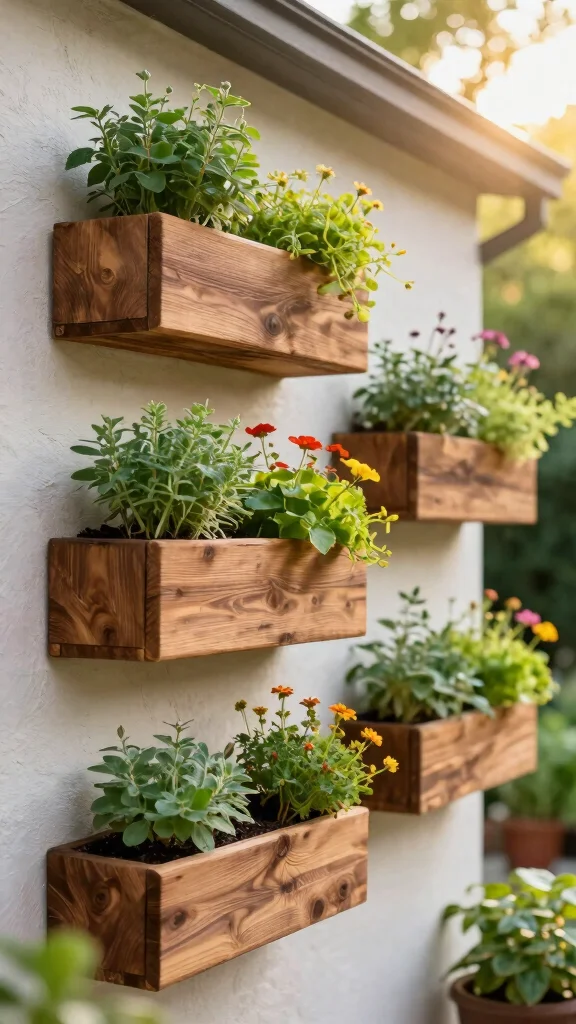
Wall-mounted planter boxes are an excellent way to utilize vertical space while adding flair to your garden. These stylish planters can be hung on any wall, making them ideal for compact areas. Arrange multiple boxes at varying heights to create a stunning visual display filled with herbs or trailing plants, bringing life and greenery to your outdoor space.
To successfully create your wall-mounted planter boxes, follow these steps: Select sturdy wooden boards and cut them to your desired dimensions. Assemble and drill drainage holes, then secure the boxes to the wall with strong brackets. Choose plants suited for your climate for a thriving garden.
Consider these tips for your wall-mounted planters:
– Install boxes at different heights for visual interest.
– Fill with herbs for easy access while cooking.
– Use sturdy brackets for secure installation.
– Select trailing plants to enhance the effect.
These planters not only beautify your space but also promote sustainable gardening practices through vertical planting.
3. Compact Glass Greenhouses
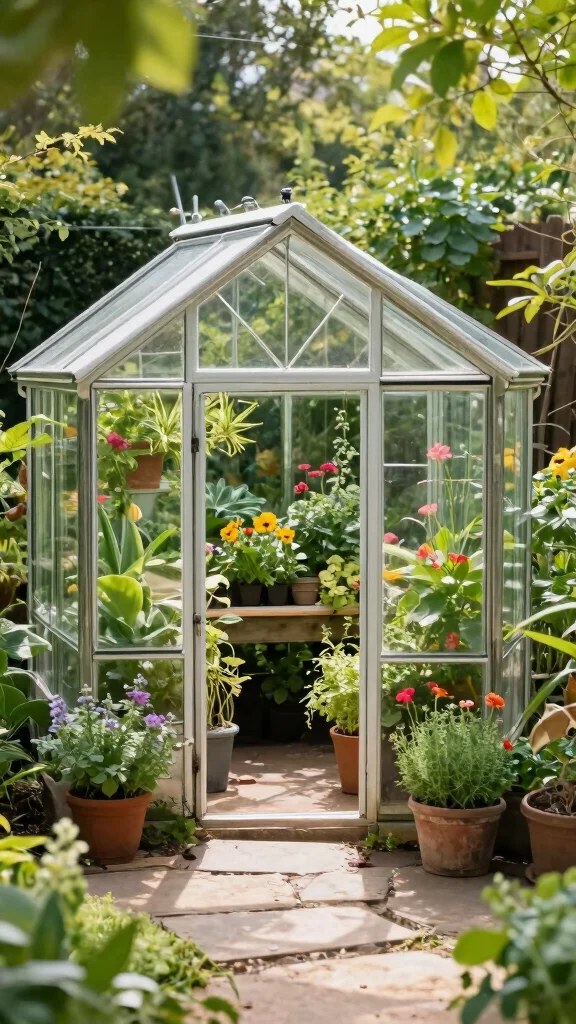
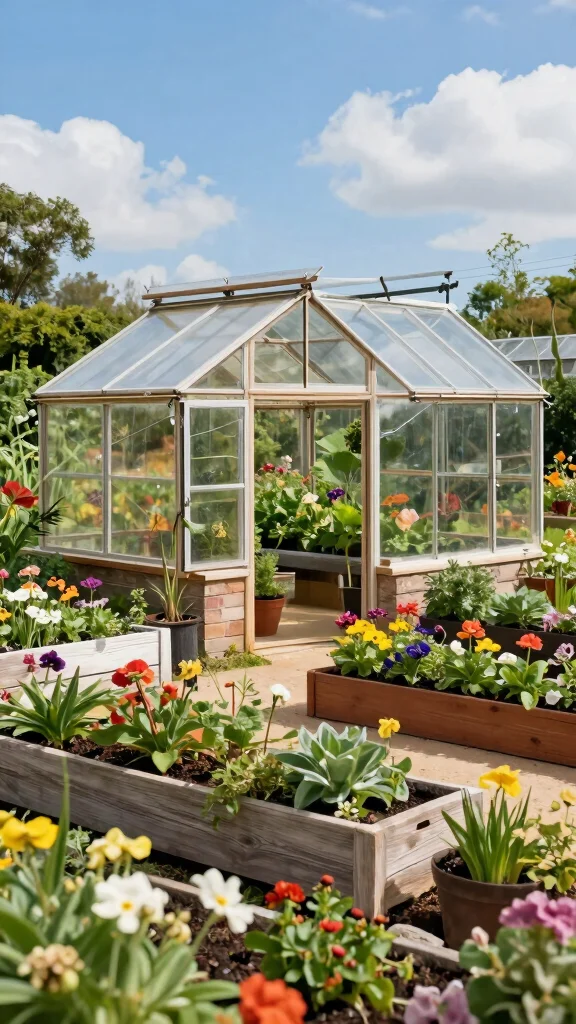
Compact glass greenhouses are perfect for those who want to blend elegance with functionality. These beautiful structures fit neatly in small yards or patios, providing the ideal environment for your plants to flourish. With transparent walls, they allow abundant sunlight while protecting your plants from harsh weather conditions.
To set up a compact glass greenhouse, consider these benefits: They create a controlled climate for delicate plants, serve as a striking focal point, and can be utilized throughout the year for growing herbs and vegetables. You can also reduce pesticide use, promoting environmentally friendly gardening practices.
Explore these options for your glass greenhouse:
– Install shelves for maximizing space.
– Choose glass with UV protection for optimal growth.
– Use reclaimed materials for a personal touch.
– Incorporate a rainwater collection system for sustainability.
This greenhouse not only enhances your garden’s aesthetic but also nurtures your plants in a beautiful, functional space.
4. Vertical Garden Frames
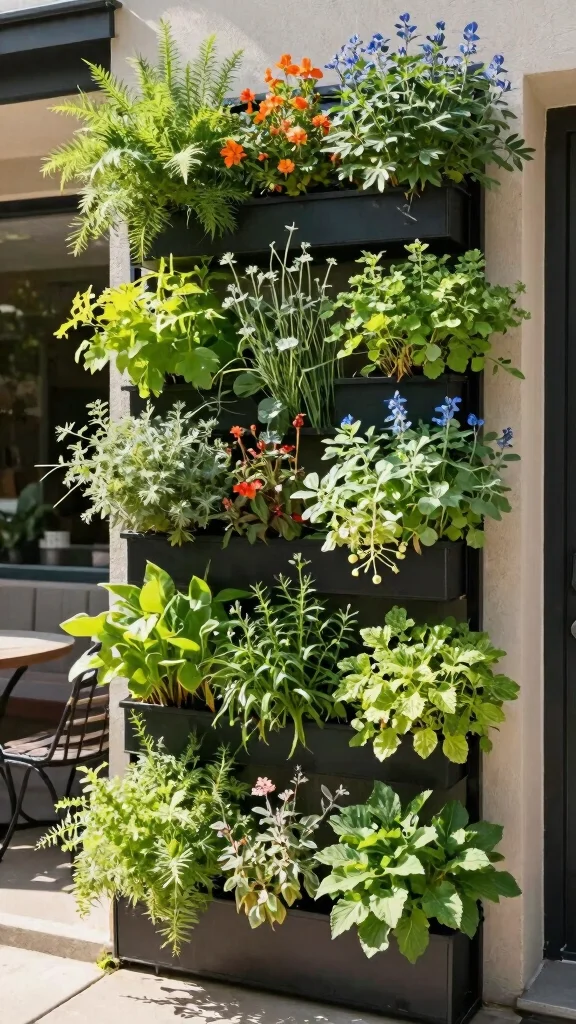
Vertical garden frames provide a trendy way to incorporate greenery into both indoor and outdoor spaces. These frames can be hung on walls or set up freestanding, allowing plants to grow in a visually appealing manner. Mixing herbs and flowers creates a lush tapestry that adds vibrancy to your home decor.
To create your vertical garden frame, follow these steps: Choose a sturdy frame made of wood or metal, and attach planting pockets using landscape fabric. Fill each pocket with potting soil and your chosen plants, and position your frame where it can receive plenty of sunlight.
Get started with these tips:
– Use a variety of plants for diverse textures.
– Hang the frame at eye level for easy access.
– Incorporate drip trays for easier maintenance.
– Choose plants that thrive in your climate for success.
This vertical garden not only saves space but also adds a creative touch to your gardening endeavors.
5. Tiered Plant Stand
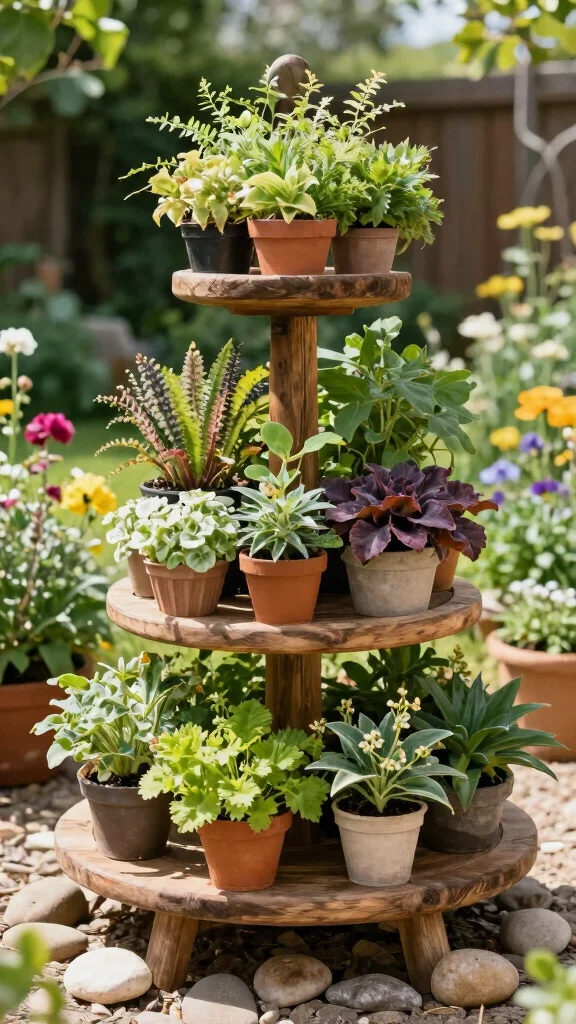
A tiered plant stand is a fantastic way to showcase various plants in a compact area. You can easily customize these stands using wood or even repurposed furniture, creating an eye-catching display. By incorporating different levels, you add depth and visual interest to your garden design.
To build your tiered plant stand, gather materials like wooden boards and screws, then decide on the height and number of tiers you want. Assemble the stand according to your design and finish with paint or stain to match your outdoor decor.
Consider these steps for building your stand:
– Cut wood to your desired size for each tier.
– Securely assemble the structure for stability.
– Paint to match your garden style.
– Arrange plants for optimal visual appeal.
This creative DIY project not only serves a practical purpose but also enhances your outdoor space with a unique touch.
6. Recycled Bottle Greenhouse
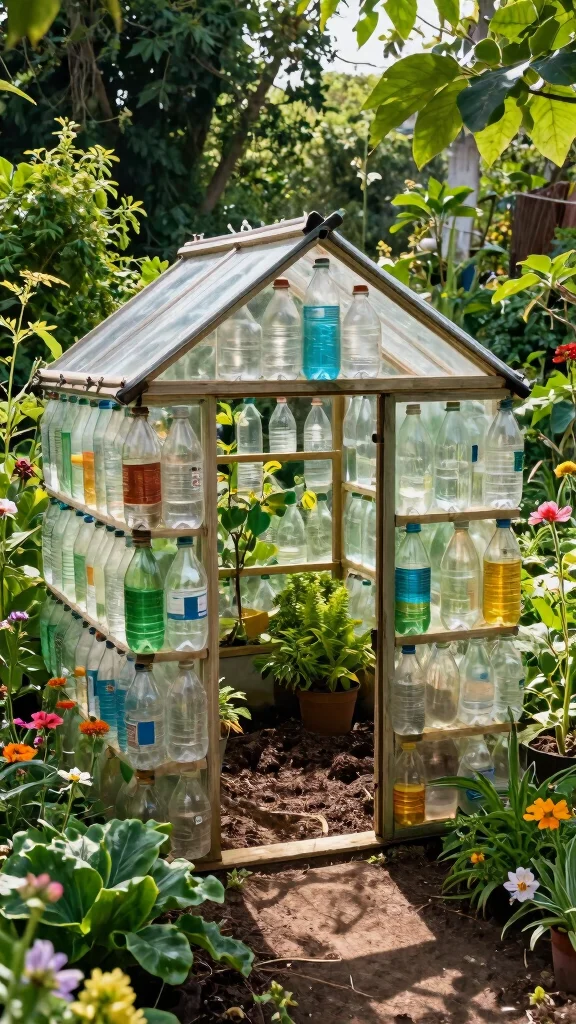
Creating a greenhouse from recycled plastic bottles is an eco-friendly and innovative gardening solution. This sustainable choice allows you to reduce waste while giving your garden a unique flair. The greenhouse keeps your plants warm and protected while encouraging sustainable practices.
To build your recycled bottle greenhouse, start by collecting plastic bottles and removing the labels. Cut them in half, and construct a frame using wood or PVC pipes to support the bottles. Attach the bottles to the frame, leaving the tops open for ventilation.
Follow these steps for your greenhouse:
– Collect enough bottles for your desired size.
– Construct a sturdy frame to hold the bottles.
– Ensure proper ventilation for your plants.
– Fill the greenhouse with soil and plants.
This fun project not only promotes sustainability but also adds a playful touch to your gardening efforts.
7. Hanging Garden Planters
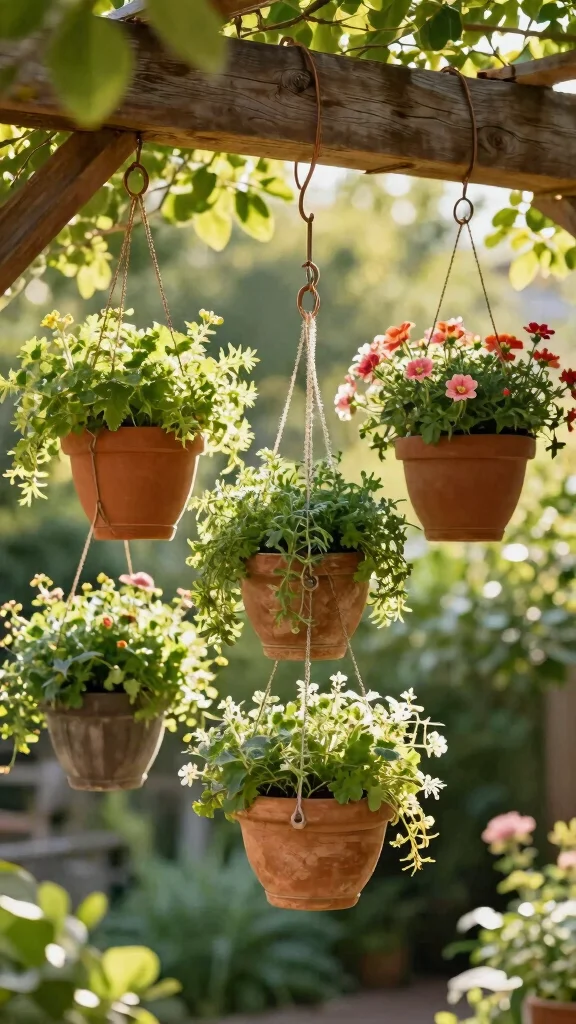
Hanging garden planters introduce a whimsical element to your outdoor space while saving valuable ground area. You can suspend them from trees, fences, or patio hooks, creating a floating garden effect. This visually appealing idea allows for easy access to herbs and flowers while adding charm.
To create your hanging garden, select sturdy pots or baskets, then choose plants that thrive in your local climate and light conditions. Use durable hooks or chains for secure hanging, and remember to regularly water and trim your plants for a tidy look.
Get started with these tips:
– Use colorful pots to brighten your space.
– Hang planters at varying heights for interest.
– Choose easy-care plants for low maintenance.
– Ensure good drainage to keep plants healthy.
This DIY project is perfect for enhancing small outdoor areas while showcasing your creativity.
Fun fact: Hanging garden planters are a greenhouse ideas diy trick, freeing up to 60% of ground space in small yards and turning walls into usable greenery. Pro tip: choose sturdy pots, weatherproof hooks, and group herbs for easy access and tidy watering. Your balcony found its green centerpiece.
8. Miniature Greenhouses from Old Windows

Transforming old windows into miniature greenhouses is a creative way to recycle while adding vintage charm to your garden. These small structures provide a cozy home for delicate plants, making them ideal for limited spaces.
To create your miniature greenhouse, gather old windows of various sizes and build a base using wood or bricks. Secure the windows together to form a box shape, adding hinges for easy access and ventilation. This project is not only sustainable but also a delightful way to showcase your gardening skills.
Follow these steps to build yours:
– Collect windows in good condition for durability.
– Securely assemble windows to create a greenhouse.
– Add hinges for easy access.
– Fill with soil and plants for a thriving display.
This unique project marries sustainability and creativity, enhancing your garden experience.
You might also like
9. DIY Greenhouse from PVC Pipes
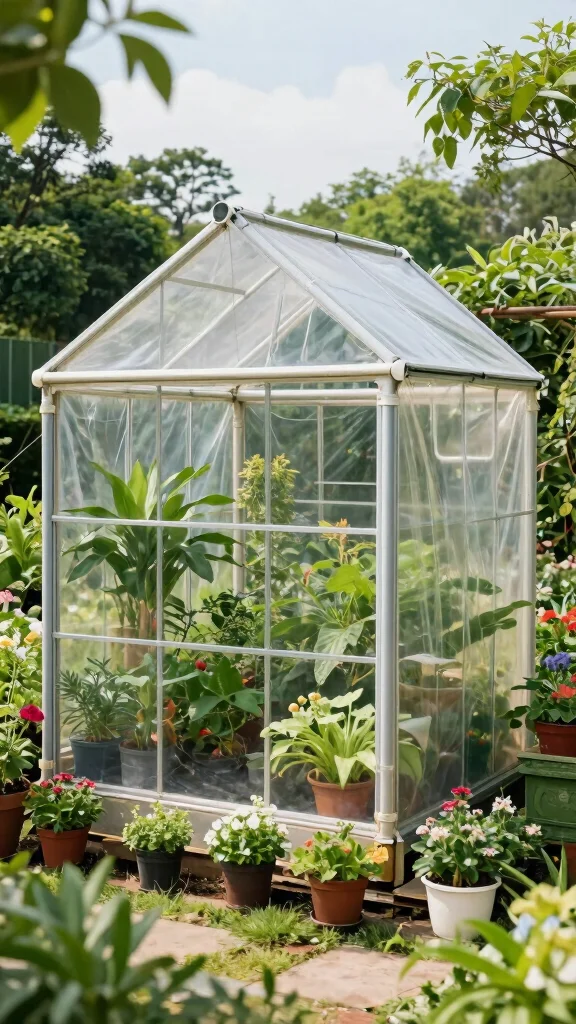
Building a greenhouse with PVC pipes offers a fun and cost-effective way to create a protective environment for your plants. This lightweight structure is easy to assemble and can be customized to fit any available space.
To set up your PVC greenhouse, purchase pipes and connectors from a hardware store. Design your layout according to your garden space, cutting the pipes to desired lengths and assembling them with connectors. Cover the structure with plastic sheeting for insulation and protection against the elements.
Consider these steps for a successful build:
– Choose durable PVC pipes for longevity.
– Secure the structure to withstand wind and rain.
– Ensure proper ventilation for healthy plants.
– Customize the size to fit your needs.
This DIY greenhouse is a practical solution that enhances your gardening efforts while encouraging sustainable practices.
Difficulty Rating & Requirements
Overall Difficulty Rating: Medium
Creating a DIY greenhouse can be both fun and rewarding, but it does require careful planning. If you have some basic skills in carpentry or gardening, you should be able to tackle these projects. However, more complex builds may challenge beginners, so some prior experience is beneficial.
Time Estimate:
⏱ Estimated time: 5-15 hours, depending on the design chosen.
– Planning and Design: 2-3 hours to sketch ideas and gather materials.
– Construction Phase: 3-10 hours, depending on the complexity of the chosen project.
– Final Touches and Planting: 1-2 hours for setup and planting your seeds or plants.
Skill Requirements:
– Required skills: Basic woodworking, gardening knowledge, and some problem-solving skills.
– Beginner-friendly: Yes, with some projects suitable for novice builders. Projects like repurposed wooden pallet planters or hanging garden planters are great starting points.
– Skills that can be learned: Most skills needed can be picked up along the way. Basic measuring and cutting for materials can be learned through online tutorials or workshops. More complex carpentry may require a bit more practice.
Tools & Materials Needed:
🧰 Essential items checklist:
– Wood or PVC pipes: Required for framing, based on design.
– Nails or screws: Required for assembly.
– Hammer or drill: Required for construction.
– Saw (hand saw or power saw): Required for cutting materials.
– Measuring tape: Required for accuracy.
– Tarps or plastic sheeting: Required for covering your greenhouse.
– Soil and pots: Required for planting.
– Optional: Paint or wood sealant: Optional for finishing touches to protect your greenhouse from the elements.
Step-by-Step Overview:
1. Planning and Design (2-3 hours): Start by selecting a suitable location in your yard or on your patio. Sketch out your design based on available space and materials.
2. Gathering Materials (1-2 hours): Collect all necessary materials and tools. Shop at local hardware stores or recycle items you already have at home.
3. Construction (3-10 hours): Begin building your greenhouse. Follow your design carefully. Make sure to allow for ventilation and sunlight for your plants.
4. Final Touches (1-2 hours): Once assembled, cover your greenhouse with plastic sheeting or glass. Secure everything tightly to withstand wind and rain.
5. Planting (1 hour): Add soil and pots inside your greenhouse. Choose plants that thrive in a greenhouse environment to ensure success.
Professional vs DIY:
Hiring a professional to build a greenhouse can cost anywhere from $1,500 to $5,000, depending on the size and materials used. DIY projects can typically be completed for under $500, especially when using recycled materials or simple designs. If you feel overwhelmed or lack tools, consider hiring help. Otherwise, a DIY approach allows you to personalize your greenhouse to fit your style and needs.
10. Vertical Hydroponic Gardens

Vertical hydroponic gardens offer a modern way to grow plants without soil, making them a fantastic choice for urban gardeners. This innovative method allows you to cultivate a variety of plants, including vegetables and herbs, in limited spaces while maximizing yield.
To set up your vertical hydroponic garden, choose a vertical frame or system to hold your plants. Set up a water reservoir along with a pump for nutrient delivery, and plant your seeds in the designated holders. Regularly monitor water levels and nutrients for optimal growth.
Start your vertical garden with these steps:
– Select a sturdy vertical frame for support.
– Ensure proper water and nutrient delivery.
– Choose plants that thrive in hydroponic systems.
– Monitor growth and adjust nutrient levels as needed.
This gardening approach promotes sustainability and adds a modern touch to your outdoor living space.
11. Rustic Tire Planters
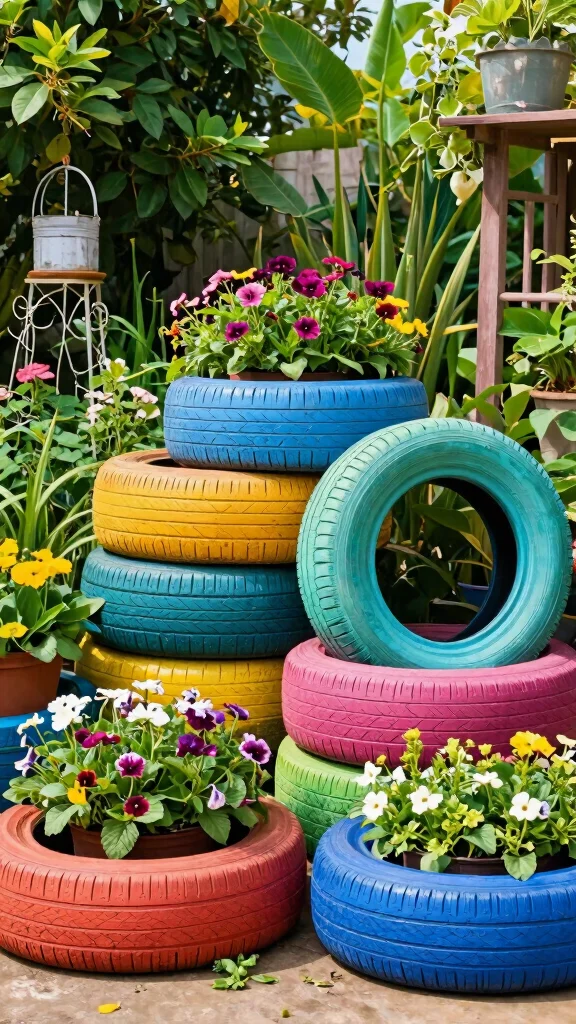
Using old tires for planting is an eco-friendly and creative way to enhance your garden’s character. Tire planters can be painted and stacked for an eye-catching display that adds whimsy to your outdoor space.
To create your rustic tire planters, start by selecting clean, used tires in various sizes. Paint or decorate them as desired, then stack or arrange them in your garden. Fill the tires with soil and your favorite plants, and enjoy the unique additions to your space.
Follow these steps for your tire planters:
– Choose tires that are free of chemicals.
– Paint them in bright colors for a fun look.
– Stack for added height and visual interest.
– Fill with soil and plant your favorites.
This fun project combines sustainability with creativity, making it a delightful addition to your gardening endeavors.
12. Garden Trellis for Vertical Plants
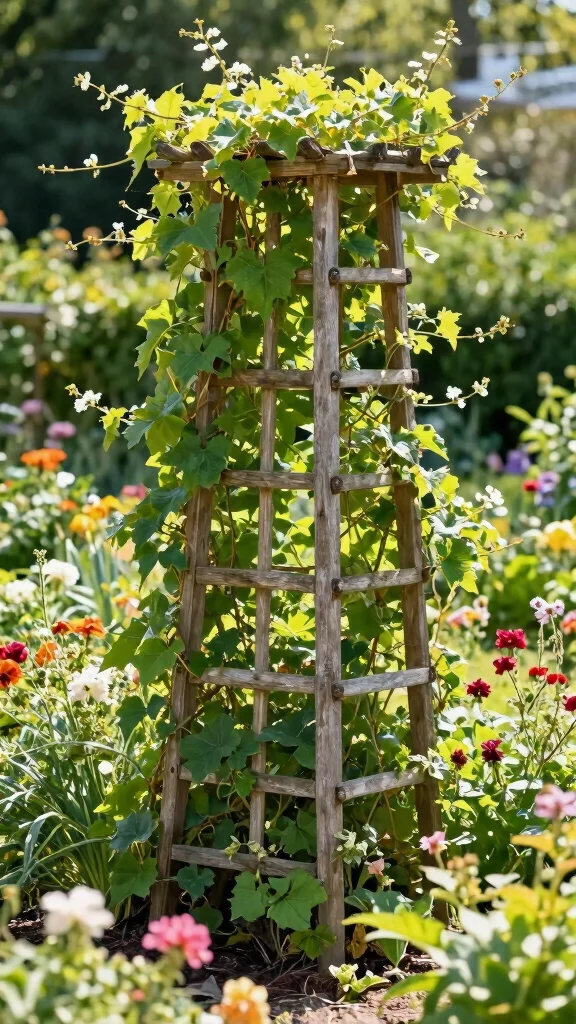
A garden trellis not only supports climbing plants but also adds vertical interest to your garden design. This essential element maximizes space and creates a stunning backdrop for your outdoor area. You can easily build a trellis using wood, metal, or repurposed materials, tailored to your specific garden style.
To build your garden trellis, select materials that can withstand the weight of climbing plants. Design the layout to fit your garden’s aesthetics, securing the trellis in the ground or attaching it to a wall. Train your plants to grow along the trellis for a beautiful, lush display.
Consider these steps for your trellis:
– Choose sturdy materials for durability.
– Design a layout that complements your garden style.
– Secure the trellis firmly in place.
– Train plants to grow along the structure.
Incorporating a trellis into your garden elevates the design while promoting healthy plant growth.
13. A-Frame Greenhouse

An A-frame greenhouse is an effective design that provides excellent ventilation and light for your plants. This simple structure can be built using wood and plastic sheeting, making it a practical DIY project for gardeners of all levels. The A-frame design allows for snow runoff in winter, helping to maintain temperature control.
To build your A-frame greenhouse, start by cutting wood to the appropriate size for the frame structure. Assemble the A-frame securely and attach plastic sheeting to create walls and a roof. Ensure proper ventilation by adding windows, and fill the greenhouse with your favorite plants.
Follow these steps for your greenhouse:
– Cut wood accurately for sturdy construction.
– Securely assemble the A-frame for stability.
– Attach plastic sheeting for protection.
– Add windows for ventilation.
This classic design nurtures your plants while adding a charming touch to your garden space.
14. DIY Planter Bench

Combine seating with gardening by creating a planter bench! This multifunctional piece serves as a cozy spot to relax while showcasing your favorite plants. Ideal for small outdoor areas, a planter bench adds both functionality and style to your garden design.
To build a DIY planter bench, use sturdy wood to construct the frame. Create integrated planters at either end or along the back, then sand and paint the wood to match your garden’s aesthetic. Fill the planters with soil and plants, and enjoy your beautiful new seating area surrounded by nature.
Consider these steps for your planter bench:
– Use quality wood for durability.
– Create integrated planters for added beauty.
– Sand and paint for a polished look.
– Fill planters with colorful flowers or herbs.
This unique project enhances your garden design while providing a cozy nook for outdoor living.
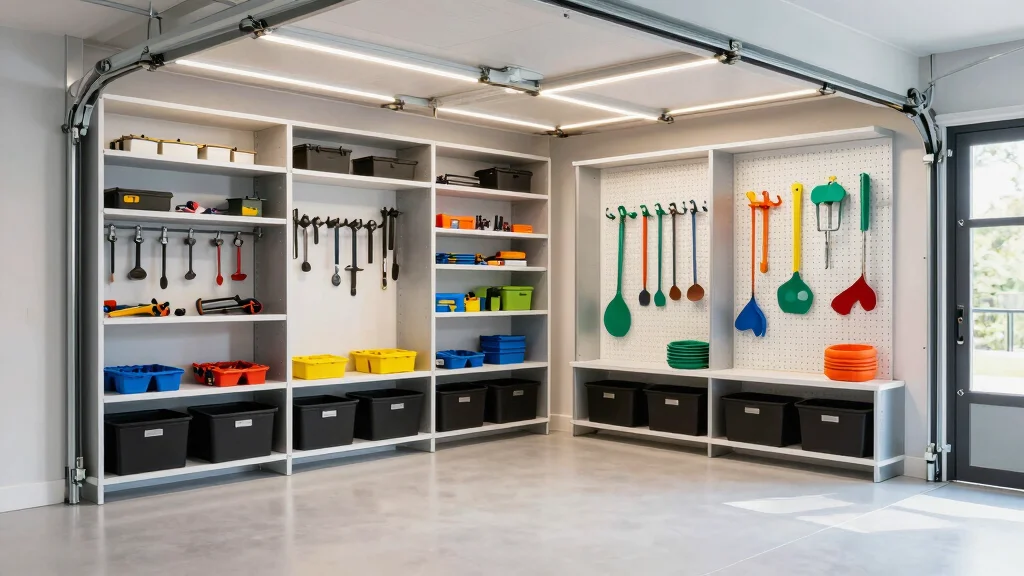
15. Greenhouse Made from Old Doors

Recycling old doors to create a greenhouse is a creative way to craft a unique garden feature while embracing sustainability. This project is perfect for those who appreciate a vintage aesthetic, with doors repurposed into a charming greenhouse that provides a cozy habitat for your plants.
To make your greenhouse from old doors, collect a variety of doors in good condition and assemble them into your desired shape, securing each piece. Add a roof for weather protection, and ensure proper ventilation with windows or openings. Fill the greenhouse with your favorite plants and enjoy the rustic appeal it brings to your outdoor space.
Follow these steps for your greenhouse:
– Collect doors with interesting designs.
– Securely assemble them into a greenhouse shape.
– Add a roof for weather protection.
– Fill the space with plants for a charming display.
This project adds personality and character to your garden while promoting sustainable practices.
16. Vertical Plant Wall
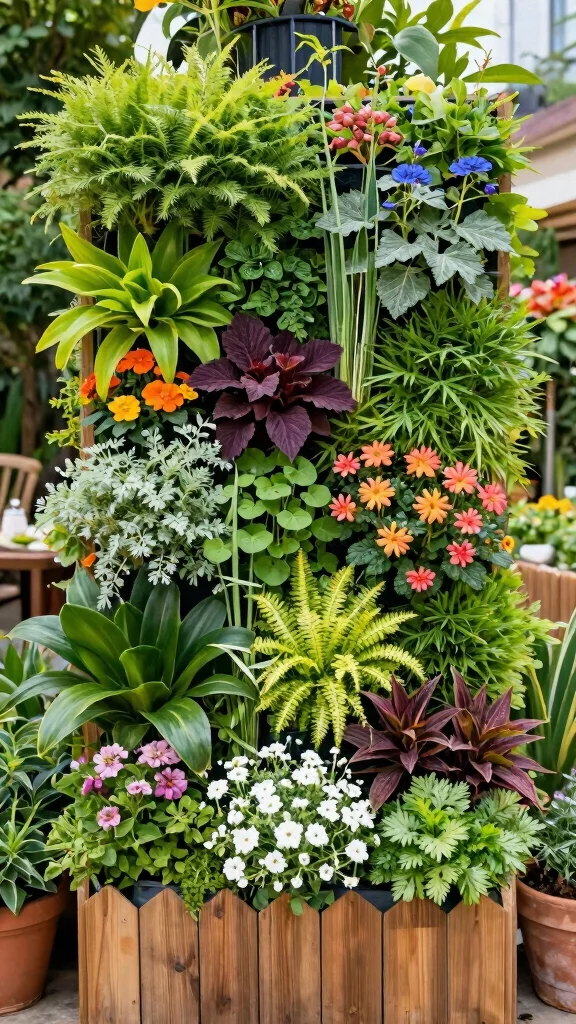
A vertical plant wall is an eye-catching way to infuse greenery into your outdoor space while maximizing limited floor area. This wall can be created using wooden pallets, lattice, or pre-made vertical planters, offering a lush backdrop for your garden.
To install your vertical plant wall, select a suitable wall or fence as the backdrop. Choose your materials to create the vertical planters and secure them to the wall at various heights. Plant a mix of flowers, herbs, or even vegetables, and make sure to water and care for them regularly.
Consider these steps for your vertical wall:
– Select a suitable backdrop for support.
– Choose materials that complement your style.
– Secure planters at varying heights for interest.
– Plant a mix of vibrant flowers and herbs.
This approach enhances garden design while promoting sustainable living through vertical gardening.
Fun fact: a 4×8 ft vertical plant wall can double your planting space in a small yard, turning pallets, lattice, or vertical planters into a lush backdrop. It fits the ‘greenhouse ideas diy’ vibe, letting you mix flowers, herbs, and veggies at varying heights.
17. PVC Pipe Vertical Planter
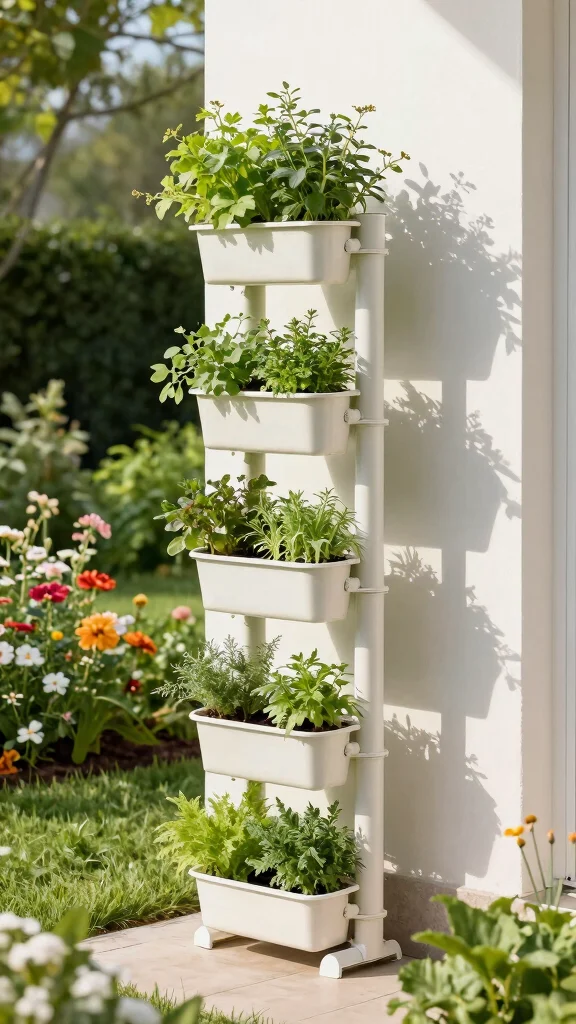
Transforming PVC pipes into vertical planters is a space-saving solution that adds a modern touch to your garden. This project is simple, budget-friendly, and perfect for those looking to elevate their gardening experience.
To create your PVC pipe vertical planter, cut the pipes into sections of your preferred length and drill holes in the sides for drainage and plant access. Securely position the pipes vertically with a framework, fill them with soil, and plant herbs or small plants. Ensure they receive adequate sunlight and water for thriving growth.
Follow these steps to create your planter:
– Cut pipes to your desired lengths for planting.
– Drill holes for drainage and access.
– Secure the pipes vertically for stability.
– Fill with soil and plant your favorites.
This clever solution not only saves space but also enhances your garden design with a touch of creativity.
18. Garden Arbors with Plant Hangers

Garden arbors can serve as stunning focal points that also provide support for climbing plants. Adding hanging planters or baskets enhances vertical space in your garden, creating a whimsical and inviting atmosphere.
To build your garden arbor, choose sturdy materials for the frame and design the shape and dimensions based on your garden space. Secure the arbor into the ground for stability, and attach hanging planters or plant hooks for added greenery. Train your climbing plants to grow along the arbor for a lush, vibrant effect.
Consider these steps for your arbor:
– Choose durable materials for construction.
– Design the arbor to fit your garden’s aesthetics.
– Securely anchor the arbor in the ground.
– Use hanging planters to maximize greenery.
This project combines functionality with aesthetics, creating a beautiful feature in your outdoor living space.
Turn a simple garden arbor into a vertical oasis. Hang planters and train climbers to maximize tiny spaces. With a sturdy frame and smart plant hooks, this greenhouse ideas diy project becomes a lush, inviting centerpiece.
Conclusion
Embarking on these DIY greenhouse projects can truly transform your gardening experience and outdoor aesthetics. Each idea offers a unique way to personalize your space while promoting sustainable gardening practices. Whether you’re working with limited space or looking to enhance your garden design, these projects cater to every enthusiast’s needs.
Let your creativity shine and consider incorporating one or more of these ideas into your home! Happy gardening!
Frequently Asked Questions
What are the best greenhouse ideas DIY for small spaces to maximize growing area?
For small spaces, focus on vertical solutions and modular design.
Try a vertical greenhouse made from wire shelving or recycled pallets, with clear panels to maximize light.
Use wall-mounted planters and fold-down benches to free floor space.
Add a simple drip irrigation or watering system and route hoses away from moving parts.
This aligns with garden design ideas and creative plant displays while keeping your look cohesive as sustainable home decor.
How can I build a vertical greenhouse on a budget for a tiny balcony?
To build on a budget, start with a simple frame and repurpose materials. Use a sturdy frame and add clear panels from recycled windows or polycarbonate. Consider a vertical stack of acrylic trays or wire racks. Seal edges to protect against moisture and ensure ventilation with a small fan or slits.
Keep costs low by using upcycled materials, such as pallets or scrap metal, and add a basic irrigation line. This is a practical DIY gardening projects approach for outdoor living spaces and a solid greenhouse ideas diy option.
What materials work well for DIY gardening projects in compact spaces while staying sustainable?
Look for affordable, durable, and eco-friendly materials. Try reclaimed wood or metal for the frame, glass or polycarbonate panels, and shelving from upcycled pallets. PVC is lightweight and inexpensive, but choose non-toxic finishes and UV-rated panels. Treat wood with a safe sealant to extend life. This supports sustainable home decor and greenhouse ideas diy while keeping a compact footprint.
How can I design an appealing outdoor living space with a greenhouse and creative plant displays?
Start by anchoring the greenhouse on a sunniest wall, then mix heights with modular shelves for creative plant displays. Add weatherproof planters, subtle lighting, and a cohesive color palette to blend with your outdoor living spaces. Keep circulation clear and choose plants that thrive in your climate to create a charming focal point that pairs garden design ideas with practical DIY charm.
What are quick-start tips to set up a vertical greenhouse for beginners?
Quick-start plan: 1) measure your space and pick a vertical system that fits; 2) assemble a modular unit with adjustable shelves; 3) fill with a mix of easy-care herbs and greenery; 4) install a basic watering plan (drip line or simple watering can); 5) label plants and set a simple care routine. This accelerates your DIY gardening projects and creates an inviting greenhouse ideas diy project you can expand later.
Related Topics
greenhouse ideas diy
DIY vertical gardens
small space gardening
sustainable home decor
creative plant displays
outdoor living spaces
beginner friendly
easy DIY projects
garden design ideas
urban gardening
budget friendly
seasonal gardening
Leave a Reply