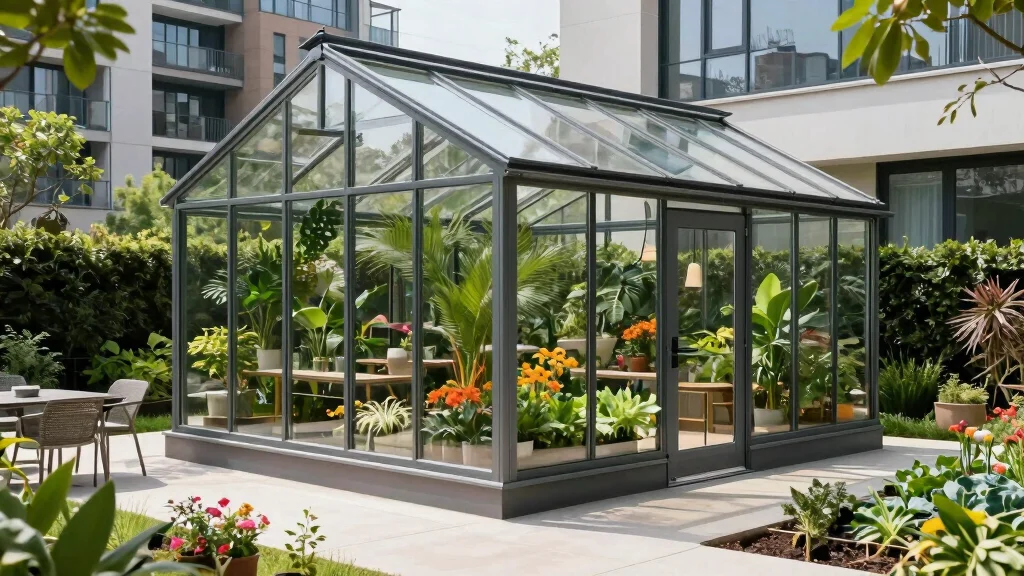
If you’ve ever found yourself daydreaming about a space where nature and your home coexist in harmony, then this post is for you. With the growing emphasis on sustainability and eco-friendly living, greenhouse architecture has become a hot topic among modern homeowners. Whether you’re craving a cozy nook filled with lush plants or a full-scale greenhouse that serves as an extension of your living space, the idea of integrating a greenhouse into your home is both appealing and practical.
This guide is aimed at urban dwellers, garden enthusiasts, and anyone who values the beauty and benefits of indoor gardening solutions. If you’re passionate about modern greenhouse design and sustainable home architecture, then you’ll find a treasure trove of ideas here. Each design concept not only elevates your living environment but also contributes to a healthier planet. You’ll explore 18 unique greenhouse design ideas that resonate with contemporary styles while promoting eco-friendly home features.
From minimalist glass house greenhouses to artistic curved structures, each idea offers a way to incorporate nature seamlessly into your lifestyle. You’ll gain insights into how you can integrate these designs into your own home, along with practical tips for bringing these ideas to life. Get ready to transform your space into a green haven that reflects your values and aesthetic preferences!
Key Takeaways
– Discover various modern greenhouse design styles that blend seamlessly with contemporary homes, enhancing both aesthetics and functionality.
– Learn how sustainable home architecture practices can be applied to greenhouse designs, promoting environmental responsibility.
– Explore indoor gardening solutions featuring unique concepts like vertical gardens and hydroponics that maximize space and yield.
– Get inspired by eco-friendly materials used in contemporary greenhouse styles that are both sustainable and visually striking.
– Understand the benefits of incorporating smart greenhouse technology to create efficient and enjoyable gardening experiences year-round.
1. Minimalist Glass House Greenhouse
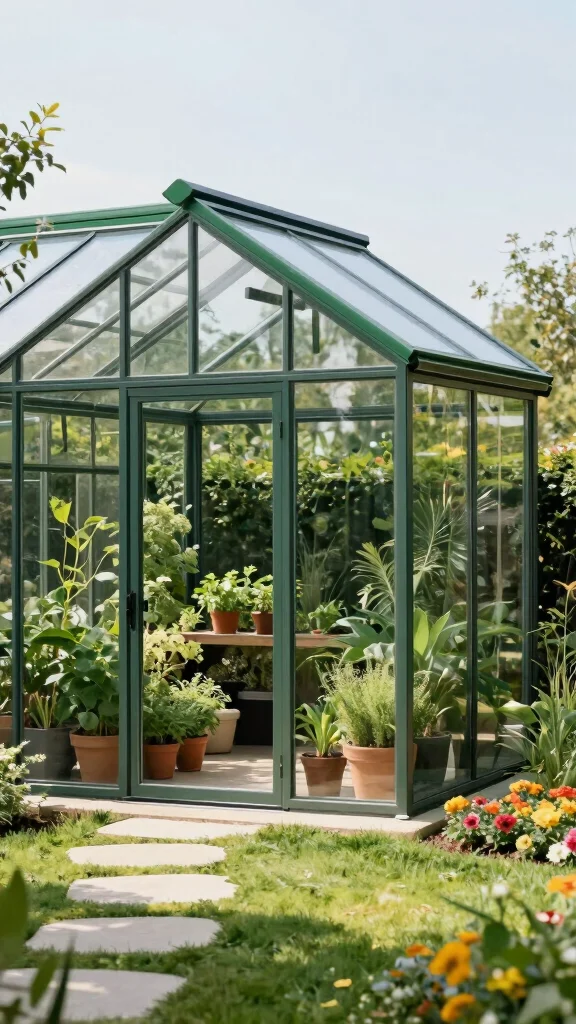
A minimalist glass house greenhouse harmonizes indoor and outdoor living, creating a serene oasis filled with natural light. This design employs expansive glass panels that showcase lush greenery while inviting sunlight to fill the space, making it an ideal retreat for plant lovers. Think sleek frames with a blend of transparency and structure that not only looks stunning but also simplifies maintenance and plant care. To maximize this design, consider using low-maintenance plants that thrive in bright conditions and installing automated watering systems for ease of care. This approach aligns with the current trend toward simplicity and sustainability, allowing you to enjoy nature without excessive upkeep. – Maximize light: Use large glass panels to invite sunlight in.
– Choose low-maintenance plants: Select greenery that thrives in bright light.
– Incorporate automated systems: Simplify care with smart irrigation. This greenhouse not only beautifies your space; it enhances the overall aesthetic with its clean lines and natural elements, creating a calming environment.
2. Integrated Home-Style Greenhouse
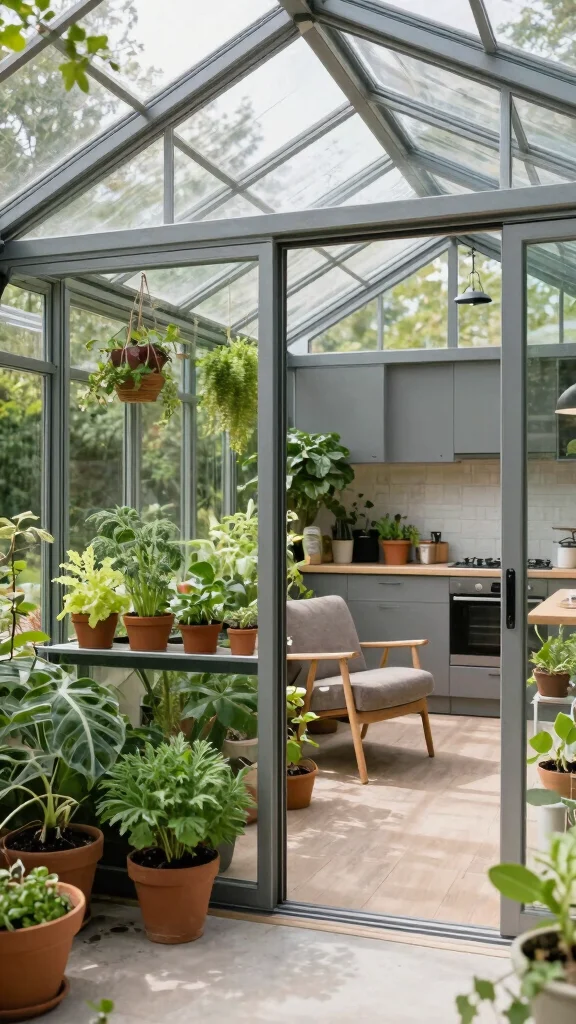
An integrated home-style greenhouse seamlessly merges your living area with nature, creating a cozy retreat just steps away from your kitchen or living room. This design brings the outdoors in, allowing you to cultivate herbs and vegetables while enjoying a tranquil space filled with greenery. Picture sipping coffee surrounded by vibrant plants, making every moment feel revitalizing. For practical implementation, consider adding a small water feature to enhance the ambiance and ensure you select plants that thrive indoors, such as herbs or leafy greens. This design trend encourages mindfulness and connection to your food source, making it a perfect addition to any home. – Enhance ambiance: Install a small fountain for soothing sounds.
– Choose indoor-friendly plants: Opt for herbs and small vegetables.
– Open up with sliding doors: Create an airy connection to your living space. This approach not only brings fresh air to your home but also fosters a deeper connection with nature, enriching your daily experience.
3. Sustainable Rooftop Greenhouses

Sustainable rooftop greenhouses transform urban rooftops into lush gardens, promoting eco-friendly living in city settings. These innovative structures capitalize on limited space, allowing you to cultivate a variety of plants while improving air quality and reducing urban heat. Imagine stepping onto your rooftop to find a thriving garden that contributes to both your well-being and the environment. When planning your rooftop greenhouse, ensure proper drainage and choose lightweight soil mixes to protect your home’s structure. By selecting plants suited for rooftop conditions, like tomatoes and peppers, you can maximize your growing potential and embrace sustainability. – Maximize space: Use the rooftop for productive gardening.
– Ensure proper drainage: Prevent structural damage with effective systems.
– Select rooftop-friendly plants: Choose hardy options like tomatoes or herbs. This design enhances your home’s sustainability while providing a unique green space that contributes to urban biodiversity.
4. Artistic Curved Greenhouses

Artistic curved greenhouses are a breathtaking fusion of form and function, offering a stunning visual presence in any garden. Their flowing shapes, often resembling domes, promote efficient airflow and sunlight distribution, creating an ideal environment for plant growth. Imagine a sculptural structure that not only houses your plants but also serves as a captivating focal point in your outdoor space. To ensure longevity, use durable materials like polycarbonate or fiberglass and consider incorporating rainwater collection systems for added sustainability. This design trend not only adds beauty but also enhances your garden’s ecological footprint. – Promote airflow: Utilize curves for optimal plant conditions.
– Choose durable materials: Opt for weather-resistant polycarbonate or fiberglass.
– Incorporate water collection: Enhance sustainability with rainwater systems. These greenhouses not only beautify your landscape but also create a harmonious environment where plants can thrive.
Fun fact: Artistic curved greenhouses can boost sunlight distribution by up to 20% and improve airflow with their dome-like curves. Use polycarbonate or fiberglass for longevity, and watch your greenhouse architecture become a stunning focal point in any garden.
Key Trade-offs & Our Top Pick
1. Minimalist Glass House Greenhouse
– Pros:
– Offers a sleek, modern aesthetic that blends with any home design.
– Allows maximum sunlight to enter, promoting healthy plant growth.
– Cons:
– Vulnerable to extreme weather conditions.
– May require frequent cleaning to maintain clarity.
– Best for: Those who want a stylish greenhouse that doubles as a beautiful architectural feature in their home.
2. Integrated Home-Style Greenhouse
– Pros:
– Seamlessly connects with your living space for easy access.
– Provides additional insulation for your home, potentially lowering energy costs.
– Cons:
– Can be more expensive to design and install due to structural requirements.
– May limit your gardening options based on space constraints.
– Best for: Homeowners looking for a versatile and multi-functional gardening solution.
3. Eco-Friendly Materials in Design
– Pros:
– Utilizes sustainable materials, which are better for the environment.
– Often results in lower maintenance costs over time.
– Cons:
– Initial costs may be higher compared to traditional materials.
– Material availability can vary by region, impacting design choices.
– Best for: Environmentally conscious homeowners who prioritize sustainability in their building choices.
4. Smart Greenhouse Technology
– Pros:
– Automates plant care, making it easier to manage your greenhouse.
– Can monitor light, humidity, and temperature for optimal growing conditions.
– Cons:
– Higher upfront investment for technology integration.
– Requires a learning curve to efficiently use all features.
– Best for: Tech-savvy individuals who want to incorporate advanced solutions into their gardening practices.
5. Outdoor Kitchen Greenhouses
– Pros:
– Combines cooking and gardening, making it perfect for food lovers.
– Creates a unique outdoor entertainment space.
– Cons:
– May require significant space and layout planning.
– Seasonal changes can impact usability and comfort.
– Best for: Homeowners who enjoy outdoor cooking and want to incorporate fresh ingredients seamlessly.
Expert Recommendation:
Best Overall: Integrated Home-Style Greenhouse
This option is the top choice for most people because it combines functionality with aesthetic appeal. It offers easy access from your home and helps in energy efficiency, making it a smart investment. The cost might be higher initially, but its versatility and long-term benefits outweigh the expenses.
Why We Picked This:
We chose the Integrated Home-Style Greenhouse as the best overall because it suits a variety of lifestyles and gardening needs. If you prioritize modern aesthetics and have limited space, consider the Minimalist Glass House. If tech features are essential, the Smart Greenhouse Technology might be your best fit. Each option has its unique advantages, so choose according to what aligns with your gardening goals and home design preferences.
5. Vertical Gardens in Greenhouses

Vertical gardens revolutionize greenhouse design, making them ideal for urban settings where space is at a premium. By growing plants upward, you can maximize your gardening area while maintaining an elegant aesthetic. Imagine a vibrant wall of herbs and flowers that not only beautifies your greenhouse but also provides fresh ingredients for your meals. Implementing a vertical garden is straightforward with modular planting systems and drip irrigation to ensure all plants receive adequate moisture. This technique not only saves space but also turns your greenhouse into a stunning visual display. – Maximize vertical space: Utilize walls for growing plants.
– Install drip irrigation: Ensure efficient watering for all plants.
– Choose diverse plants: Mix varieties with varying growth rates for visual interest. This approach transforms your greenhouse into a striking feature while enhancing your gardening capacity.
6. Eco-Friendly Materials in Design
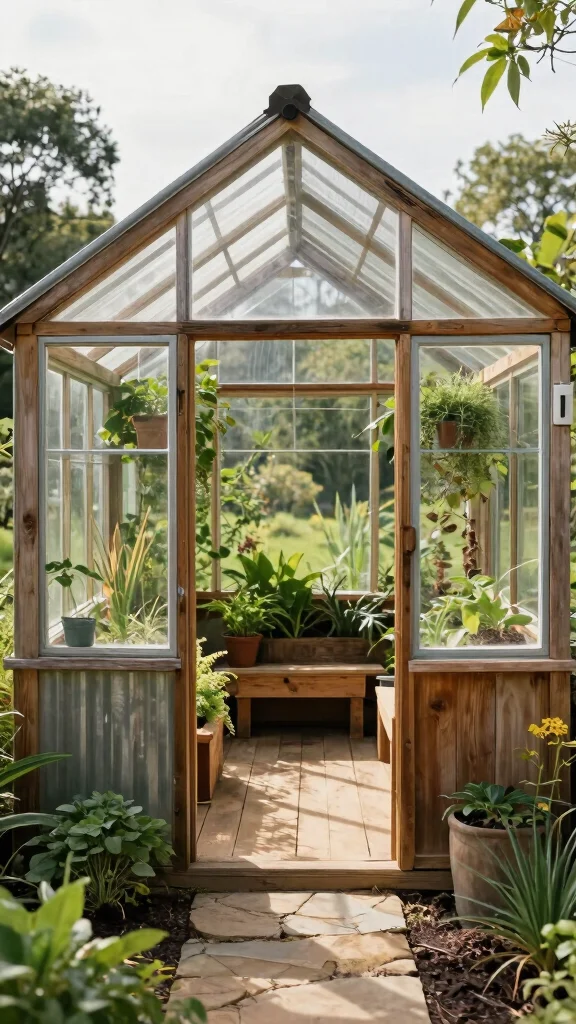
Incorporating eco-friendly materials into your greenhouse design is vital for sustainable living. By choosing reclaimed wood, bamboo, and recycled metals, you not only reduce environmental impact but also add unique character to your greenhouse. Imagine a space where every material tells a story while promoting eco-conscious design. You can use these materials for framing, flooring, and decorative elements, enhancing not just aesthetics but also energy efficiency through better insulation. Sourcing locally helps reduce your carbon footprint and supports sustainable practices. – Choose reclaimed materials: Opt for wood and metals with history.
– Incorporate natural finishes: Use chemical-free options for a healthier environment.
– Reflect the landscape: Select materials that harmonize with your surroundings. This thoughtful approach enhances your greenhouse’s beauty while promoting a sustainable lifestyle that benefits both you and the planet.
Did you know that choosing reclaimed wood, bamboo, and recycled metals can slash embodied energy in greenhouse architecture by up to 60%? In practice, these materials also add character and improve insulation for sustainable, urban-use spaces.
7. Hydroponic Greenhouses
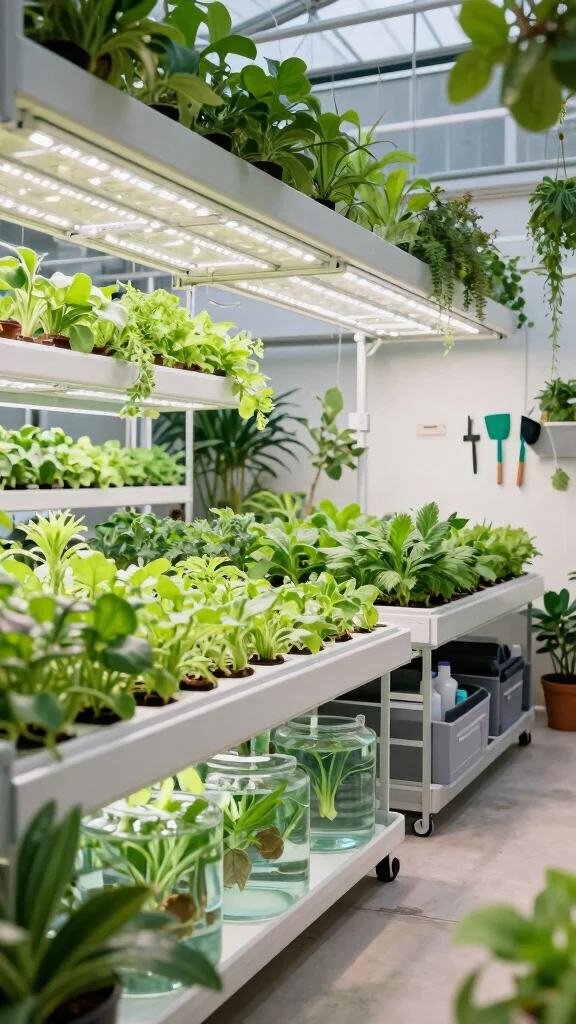
Hydroponic greenhouses offer a cutting-edge approach to gardening by allowing you to grow plants without soil, using nutrient-rich water instead. This method not only accelerates growth but also yields higher production rates, making it perfect for urban environments with poor soil quality. Imagine harvesting fresh vegetables and herbs year-round, all while conserving space. To maintain your hydroponic system, regularly monitor nutrient levels and consider incorporating automated watering and nutrient delivery systems for ease of care. This innovative technique aligns perfectly with the trend toward sustainable and efficient gardening practices. – Monitor nutrient levels: Keep track of essential elements for plant health.
– Automate systems: Simplify care with smart technology for watering.
– Design sleek aesthetics: Integrate LED grow lights for a modern look. This efficient gardening method not only maximizes your space but also transforms your greenhouse into a hub of productivity and sustainability.
8. Greenhouse Conservatories
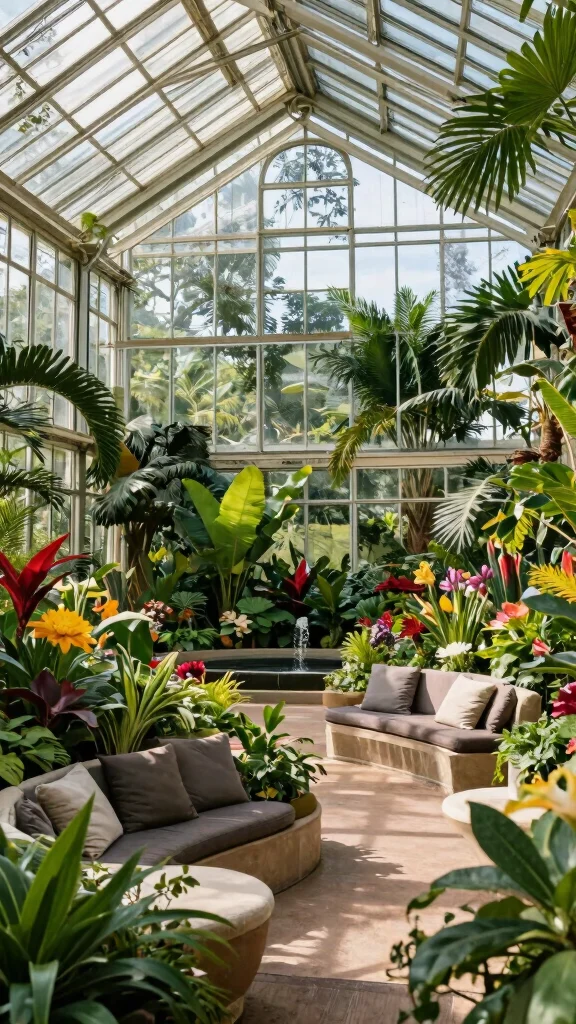
Greenhouse conservatories merge the beauty of greenhouses with the comfort of living spaces, creating stunning environments for relaxation and socializing. These sun-filled rooms allow you to enjoy the beauty of tropical plants while serving as inviting spaces for gatherings. Imagine hosting friends in a serene setting surrounded by lush foliage, enhancing the overall vibe of your home. To ensure comfort, consider installing automatic window openers to regulate temperature and choose plants that thrive in humid conditions. This design trend boosts your home’s appeal while promoting a connection to nature. – Maximize sunlight: Use expansive glass for a bright atmosphere.
– Regulate temperature: Incorporate automatic window openers for ventilation.
– Create cozy seating: Design comfortable areas for relaxation and enjoyment. This combination not only brightens your interiors but also elevates your lifestyle by seamlessly blending indoor and outdoor living.
You might also like

9. Community Greenhouse Spaces

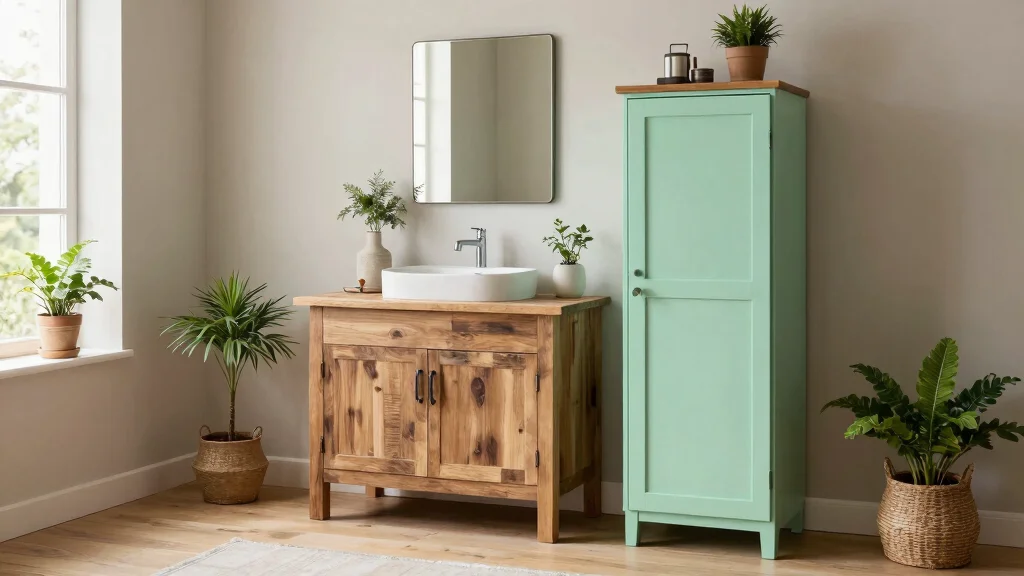
Community greenhouses serve as essential hubs for urban neighborhoods, promoting gardening practices and sustainable living. These shared spaces empower locals to grow their own food while building relationships and fostering a sense of community. Imagine a vibrant garden where neighbors come together to cultivate plants and share knowledge, enhancing both personal and communal well-being. To make gardening accessible, consider incorporating raised beds and designing communal gathering areas for workshops and events. This design trend not only encourages healthy eating but also strengthens community ties. – Encourage accessibility: Use raised beds for easier gardening.
– Create gathering spaces: Design areas for community events and learning.
– Enhance atmosphere: Incorporate colorful murals to foster community spirit. This approach nurtures both the land and the community, creating a space where people can connect and thrive together.
10. Smart Greenhouse Technology
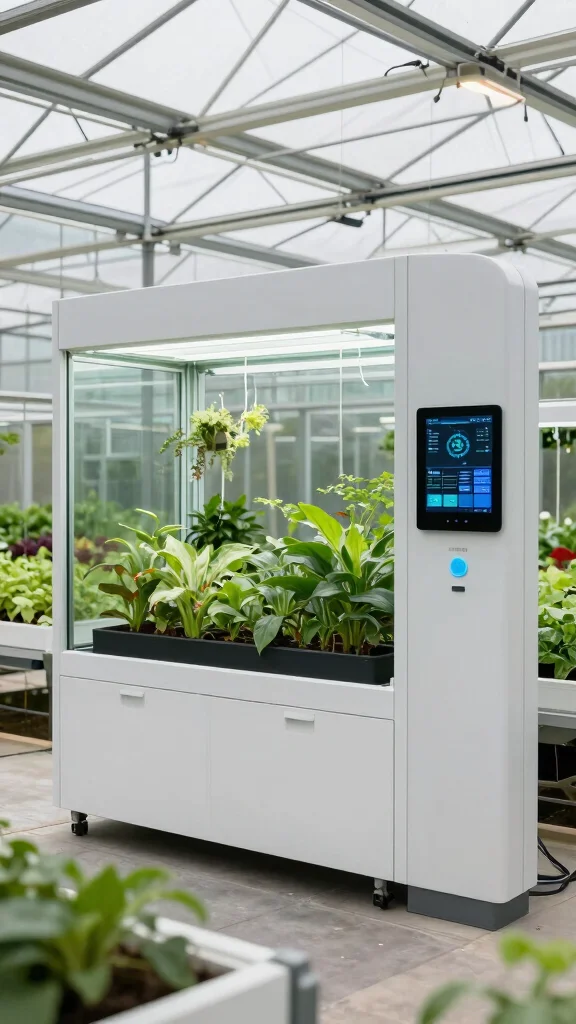
Smart greenhouse technology elevates gardening by incorporating automation and monitoring systems for optimal plant care. These high-tech setups allow you to control climate, watering, and nutrient delivery, making gardening more efficient and less labor-intensive. Imagine having a garden that self-regulates, ensuring your plants receive perfect care without constant attention. When selecting smart devices, prioritize user-friendly options that integrate well with mobile apps for easy monitoring. This trend in gardening not only boosts productivity but also aligns with sustainable practices, making your greenhouse a model of efficiency. – Integrate technology: Use smart devices for climate control and monitoring.
– Research sensors: Choose the best options for your plants’ needs.
– Design minimalistically: Create a modern look that complements technology. This innovative approach transforms your gardening experience, making it easier and more enjoyable while enhancing your plants’ health.
11. Contemporary Barn-Style Greenhouses
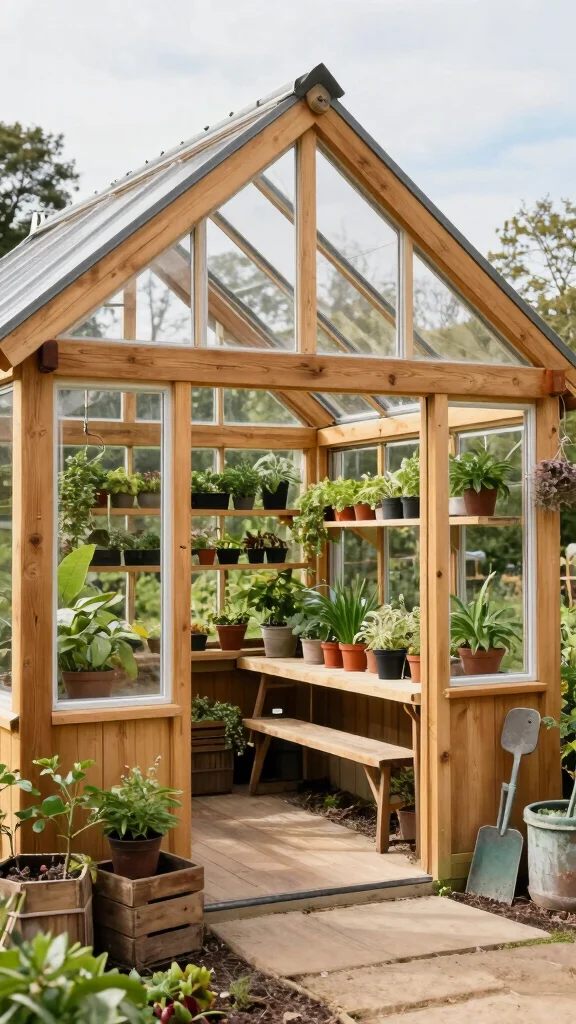
Contemporary barn-style greenhouses blend rustic charm with modern practicality, offering a cozy space for gardening enthusiasts. With wooden frames and gabled roofs, these structures evoke a sense of warmth while providing ample room for plant growth. Imagine a greenhouse that feels like a welcoming retreat, combining style and functionality for an enriching gardening experience. To enhance this design, choose weather-resistant wood and incorporate large windows that invite natural light. This aesthetic not only maintains a farmhouse feel but also ensures practicality and durability. – Choose weather-resistant wood: Select materials that withstand the elements.
– Incorporate large windows: Ensure plenty of sunlight for plant growth.
– Add vintage accessories: Create a charming farmhouse-style atmosphere. This design not only celebrates rustic beauty but also enhances your gardening experience, providing a perfect blend of comfort and functionality.
12. Green Roof Greenhouses
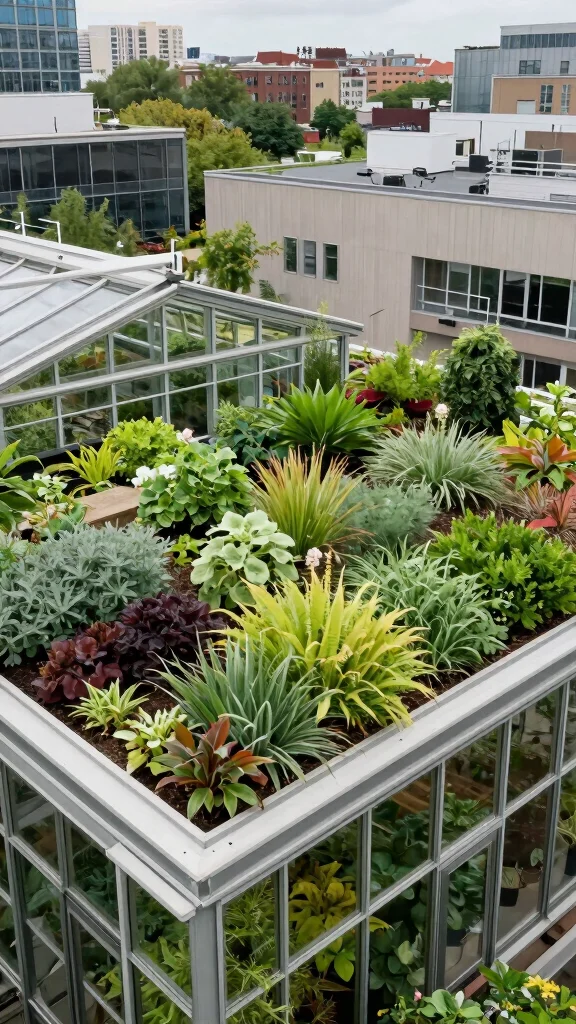
Green roof greenhouses offer a unique opportunity to integrate biodiversity into your home while promoting sustainable gardening practices. These structures feature living roofs that not only beautify the greenhouse but also provide insulation and manage stormwater effectively. Imagine a lush roof teeming with plant life that supports a thriving ecosystem while enhancing your home’s energy efficiency. When designing your green roof, choose lightweight plants and ensure proper drainage systems are in place for optimal growth. This trend contributes to urban greening while creating a productive environment below. – Enhance insulation: Use living roofs for improved energy efficiency.
– Select lightweight plants: Ensure the roof supports diverse plant life.
– Create accessible walkways: Design paths for maintenance and enjoyment of the green roof. This innovative approach not only beautifies your home but also fosters sustainability, creating a harmonious balance between nature and urban living.
13. Multi-Purpose Greenhouses
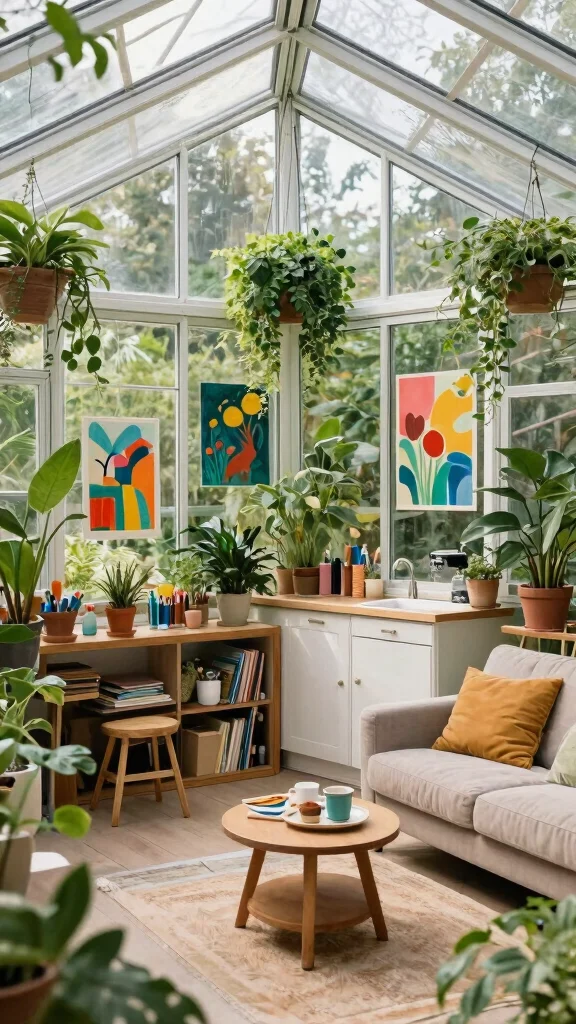
Multi-purpose greenhouses are dynamic spaces that serve various functions beyond gardening, enhancing the usability of your home. These designs can include areas for entertaining, creative pursuits, or even home office setups, blending indoor living with the joys of gardening. Imagine a vibrant space where creativity flows alongside the growth of your plants, inspiring new ideas and social interactions. To create a functional environment, ensure adequate airflow and lighting, and select plants that complement your desired atmosphere. This versatility makes your greenhouse a true extension of your home. – Plan for airflow: Ensure proper ventilation to maintain plant health.
– Choose complementary plants: Opt for varieties that enhance your space’s vibe.
– Include modular furniture: Adapt the space for various activities and gatherings. This approach fosters creativity and connection, making your greenhouse a cherished part of your daily life.
Fun fact: A well-designed multi-purpose greenhouse can add up to 7% to your home’s value. In urban spaces, create 2–3 zones—work, entertaining, and plants—while prioritizing airflow and lighting in greenhouse architecture.
14. Artistic Glass Mosaic Greenhouses
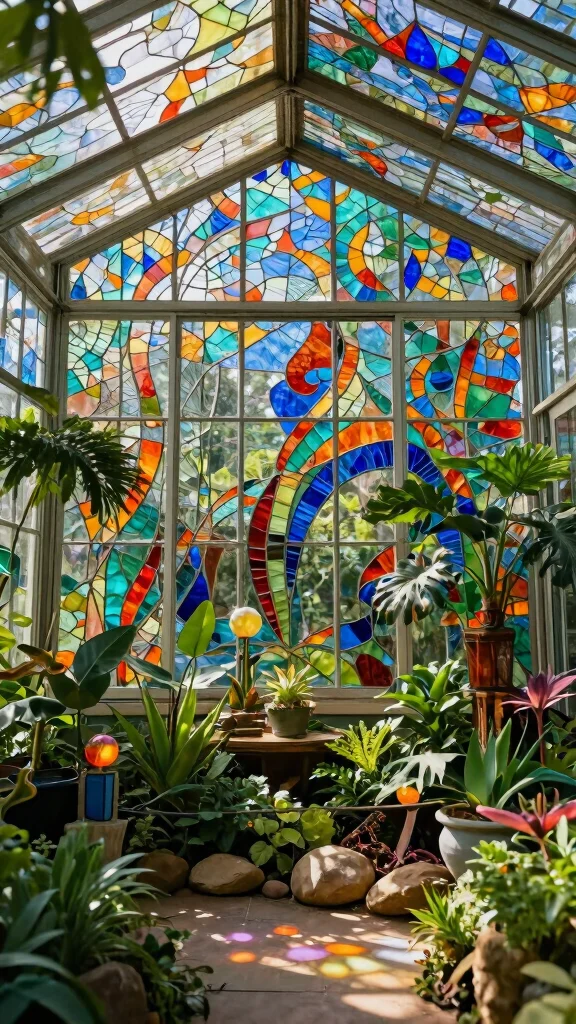
Artistic glass mosaic greenhouses transform your gardening space into a vibrant work of art. By integrating colorful glass pieces into the structure, these greenhouses create a stunning visual experience while maintaining functionality. Picture a kaleidoscope of colors reflecting sunlight, enhancing both the greenhouse and its surroundings. To achieve this design, select durable glass materials that withstand the elements while choosing a variety of colors and textures to create depth. This artistic approach not only beautifies your space but also improves energy efficiency. – Choose durable glass: Use materials that endure weather conditions.
– Integrate varied colors: Mix textures for visual depth and interest.
– Highlight features with lighting: Use strategic lighting to showcase mosaic designs. This unique design not only captivates the eye but also enhances the overall functionality of your greenhouse.
15. Modern Urban Greenhouses
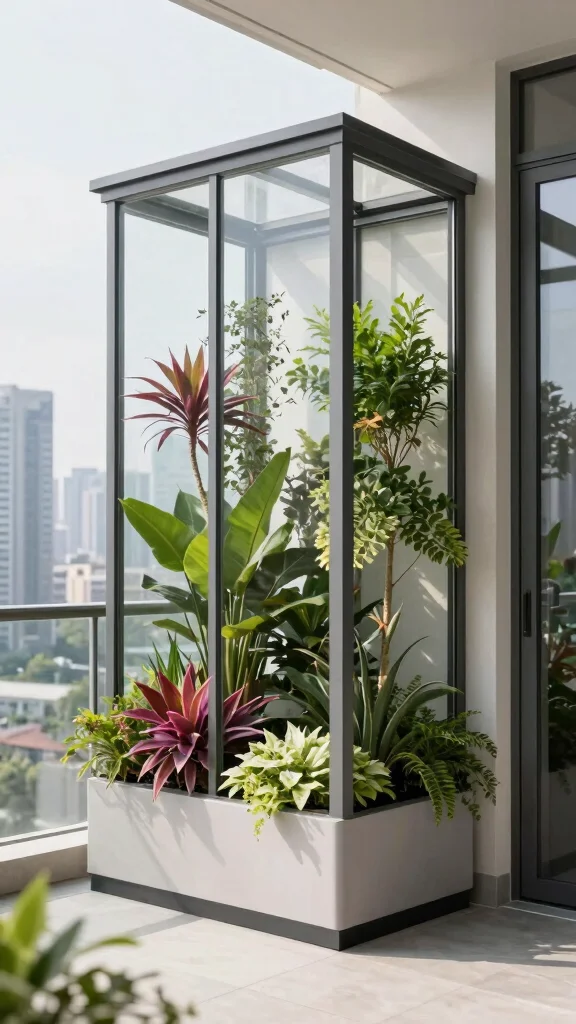
Modern urban greenhouses are tailored for city living, offering stylish solutions to maximize limited space. With sleek designs and compact structures, these greenhouses fit perfectly on balconies, small backyards, or rooftops. Imagine a contemporary green oasis that not only beautifies your urban home but also provides fresh produce right at your fingertips. Utilizing vertical gardening techniques and hydroponics, these greenhouses make the most of every square foot while maintaining a chic aesthetic. This trend embraces simplicity and innovation, turning urban spaces into productive gardens. – Maximize growing potential: Employ vertical systems for efficient use of space.
– Incorporate smart technology: Use automated systems for easy monitoring.
– Design modularly: Allow for easy expansion or reconfiguration as needs change. This approach not only enhances your urban lifestyle but also contributes to sustainable living, making every square foot count.
16. Permaculture Greenhouses
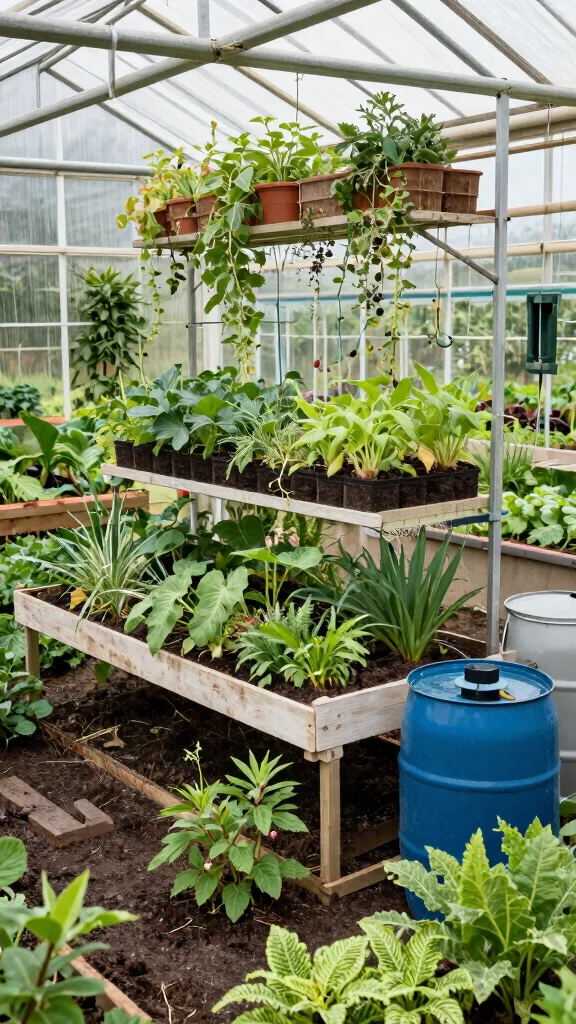
Permaculture greenhouses create self-sustaining ecosystems that promote biodiversity and environmental stewardship. By incorporating features like composting systems and rainwater collection, these greenhouses foster a harmonious relationship between plants, animals, and humans. Imagine a thriving space where every element works together to support sustainable living and ecological balance. To implement this design, research companion planting techniques to enhance plant health and include natural pest control measures for maintaining balance. This approach not only benefits your garden but also serves as a valuable educational platform for sustainable practices. – Research companion planting: Maximize plant health with strategic pairings.
– Utilize natural pest control: Employ beneficial insects to maintain balance.
– Create learning spaces: Include areas for sharing knowledge and experiences. This design fosters a nurturing environment that enhances both the ecosystem and community engagement.
17. Eco-Conscious Biophilic Design
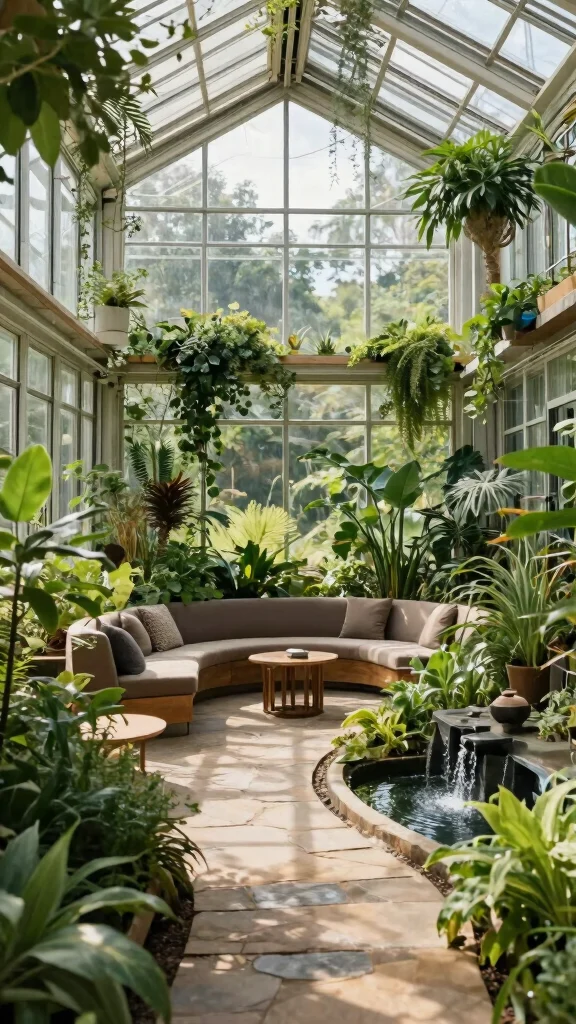
Biophilic design in greenhouses emphasizes the deep connection between humans and nature. These spaces are crafted to foster harmony with the environment, promoting well-being and mindfulness through natural elements. Imagine a greenhouse filled with plants, natural materials, and ample light, creating a peaceful retreat that nurtures both body and soul. To achieve this design, use natural materials like stone and wood, and incorporate water features to enhance tranquility. This philosophy not only benefits plant growth but also enriches your mental well-being, making your greenhouse a sanctuary. – Use natural materials: Incorporate stone and wood for a grounded feel.
– Ensure air circulation: Promote freshness and plant health with good airflow.
– Add water features: Create calming sounds and ambiance for relaxation. This approach transforms your greenhouse into a restorative space, enhancing your connection to nature and improving your quality of life.
18. Outdoor Kitchen Greenhouses
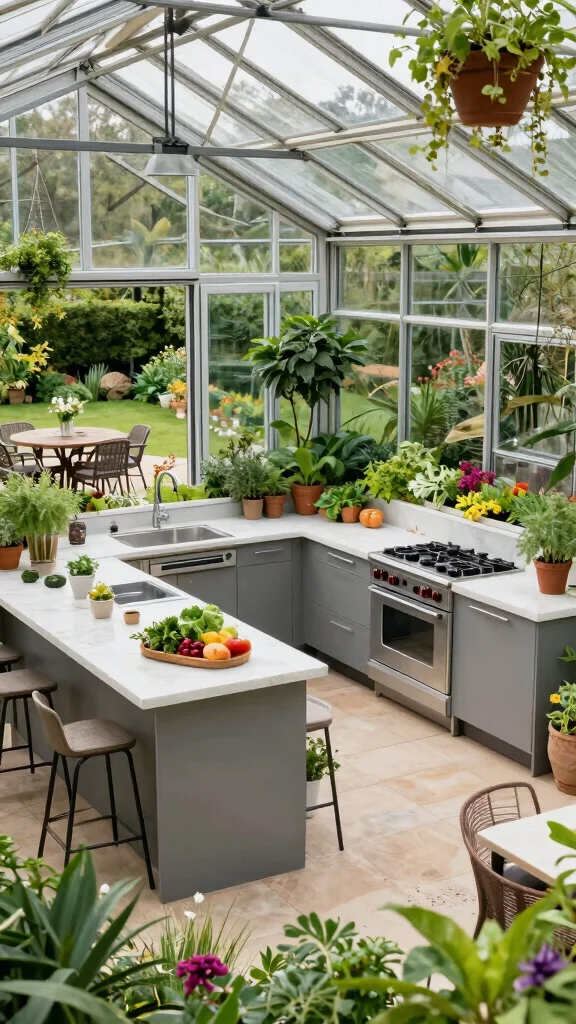
Outdoor kitchen greenhouses merge the joys of cooking and gardening, making them perfect for culinary enthusiasts. These spaces feature integrated cooking areas that allow you to prepare meals with fresh ingredients right from your garden. Imagine crafting delicious dishes surrounded by herbs and vegetables, elevating your culinary experience and fostering a healthy lifestyle. When designing your outdoor kitchen greenhouse, choose durable materials that withstand outdoor elements and plan your layout for easy access to ingredients. This unique design not only enhances your cooking experience but also encourages healthy eating habits. – Choose durable materials: Use weather-resistant options for longevity.
– Plan layouts wisely: Ensure easy access to cooking ingredients.
– Incorporate a large island: Create a focal point for food prep and gatherings. This innovative design not only enriches your home but also cultivates a deeper appreciation for fresh ingredients and healthy living.
Conclusion

Greenhouses have evolved into multifunctional spaces that enhance modern homes and urban living. Whether you’re interested in sustainable gardening, creating community spaces, or simply bringing more greenery into your life, the designs showcased here offer plenty of inspiration.
As you consider incorporating one of these beautiful structures into your home, remember that each greenhouse represents a commitment to sustainability, connection with nature, and an improved quality of life. Let’s embrace greenhouse architecture as a viable solution for both personal and environmental well-being.
Frequently Asked Questions
Question: What are essential elements of greenhouse architecture for urban homes?
Answer: In urban settings, greenhouse architecture should maximize natural light, ventilation, and energy efficiency while fitting a compact footprint. Core elements include orientation to the sun path, high-quality glazing, durable framing (aluminum or steel), effective shading and insulation, passive cooling with roof vents, and thermal mass materials. Plan for rainwater harvesting and modular foundations for flexibility and future expansion.
Tip: choose double- or triple-glazed panels, install operable vents, and design access for maintenance. These practices align with greenhouse architecture and eco-friendly home features, while delivering the advantages of modern greenhouse design in urban settings.
Question: How can I integrate modern greenhouse design into a small city lot without sacrificing living space?
Answer: For small urban lots, treat the greenhouse as an extension of your home: a lean-to against the wall, a glass box, or a compact modular unit that can fold away. Use vertical growing walls, slim footprint designs, and biophilic connections to the interior with glass doors. Plan shading and insulation to maintain year-round comfort. Steps: 1) map sun exposure; 2) choose a compact, modular system; 3) ensure climate control with efficient ventilation; 4) pick finishes that match interior décor; 5) incorporate smart irrigation and automation. These ideas reflect modern greenhouse design, sustainable home architecture, and indoor gardening solutions without cluttering your yard.
Question: What climate control options balance comfort and energy efficiency in a contemporary greenhouse?
Answer: Leverage passive solar design, natural ventilation, and shading to reduce energy use. Use automatic roof vents and louvered windows, thermal mass (water barrels or concrete), and, if needed, supplemental LED grow lighting or radiant heat. Consider a small evaporative cooler in dry climates. Install smart sensors to monitor temperature, humidity, and soil moisture and tie them to an adjustable thermostat. This approach supports indoor gardening solutions and eco-friendly home features.
Question: What are cost considerations and best materials for eco-friendly greenhouse features?
Answer: Expect upfront costs for glazing and framing, with long-term ROI from energy savings and fresh produce. Materials include polycarbonate panels or tempered glass, aluminum framing for lightness and durability, and optionally reclaimed wood accents for aesthetics. Use double glazing or UV-treated greenhouse film. Add rainwater harvesting, solar panels, and good weatherproofing to reduce utility bills. These choices align with eco-friendly home features, sustainable home architecture, and contemporary greenhouse styles.
Question: How can I design an indoor gardening solution that doubles as stylish home decor?
Answer: Blend greenery with architecture by choosing planters and shelving that match your interior style, installing built-in hydroponic or soil-based systems that hide tubing and cords, and using a cohesive color palette. Create a living wall or a glass-fronted cabinet greenhouse so plants become art. Add smart controls for humidity and lighting to keep plants thriving while you enjoy the look. This embodies indoor gardening solutions and contemporary greenhouse styles that are both beautiful and functional.
Related Topics
greenhouse architecture
modern greenhouse design
sustainable home architecture
indoor gardening solutions
eco-friendly features
urban gardening
contemporary styles
small space gardening
DIY greenhouse
modern living
sustainable design
beginner gardening
Leave a Reply