
Creating a garden greenhouse can be one of the most rewarding projects for anyone looking to enhance their outdoor space. This time of year always reminds me of the joy that comes from nurturing plants and watching them flourish. With the growing interest in sustainable living and urban gardening, I felt compelled to share some creative ideas that can help you transform your outdoor area into a vibrant greenhouse. Whether you’re a seasoned gardener or just starting out, these concepts will inspire you to cultivate a thriving garden.
If you’re someone who loves outdoor gardening or has a passion for sustainable gardening practices, this one’s for you. You might be limited by space or resources, but that shouldn’t stop you from creating an inviting and productive greenhouse. I pulled together 18 garden greenhouse ideas that are eco-friendly, stylish, and perfect for urban spaces. Each idea not only serves a functional purpose but also allows you to express your personality and creativity in your garden design.
From unique structures to practical features, these ideas will help you make the most of your gardening experience. You’ll discover how to incorporate rainwater harvesting, vertical gardening, and even hydroponics into your designs. With these tips and tricks, you’ll be equipped to grow your plants with ease and style.
Key Takeaways
– Explore 18 innovative garden greenhouse ideas tailored for small urban spaces and sustainable gardening practices.
– Learn how to design an eco-friendly greenhouse that incorporates natural materials and energy-efficient features.
– Discover practical techniques, like rainwater harvesting and hydroponics, to boost your garden’s productivity and sustainability.
– Get inspired by creative greenhouse styles, from rustic wooden designs to minimalist aesthetics, that fit your personal taste.
– Find actionable tips for organizing your greenhouse space, ensuring effective plant care, and maximizing your outdoor gardening efforts.
1. Eco-Friendly Glass House

A stunning eco-friendly glass greenhouse is ideal for urban gardening enthusiasts. Its transparent walls invite abundant sunlight, creating a thriving environment for your plants. This design not only showcases the beauty of your greenery but also minimizes energy use, making it environmentally conscious. Incorporating elements like recycled materials and solar panels can elevate sustainability while enhancing your greenhouse’s charm.
To make the most of this design, consider using budget-friendly alternatives like reclaimed windows or DIY solar panel kits. You can easily find affordable glass options at local salvage yards or home improvement stores. This approach aligns beautifully with the growing trend towards eco-friendly living while providing emotional satisfaction through sustainable practices.
Key Features:
– Maximize sunlight exposure for optimal plant growth.
– Choose recycled materials to lessen environmental impact.
– Install solar panels to enhance energy efficiency.
Plant Care Tips:
– Use energy-efficient grow lights on cloudy days.
– Regularly clean glass panels to ensure maximum sunlight.
Grow vibrant plants like tomatoes, peppers, or herbs to make this greenhouse both functional and visually appealing.
2. Vertical Gardening Greenhouse
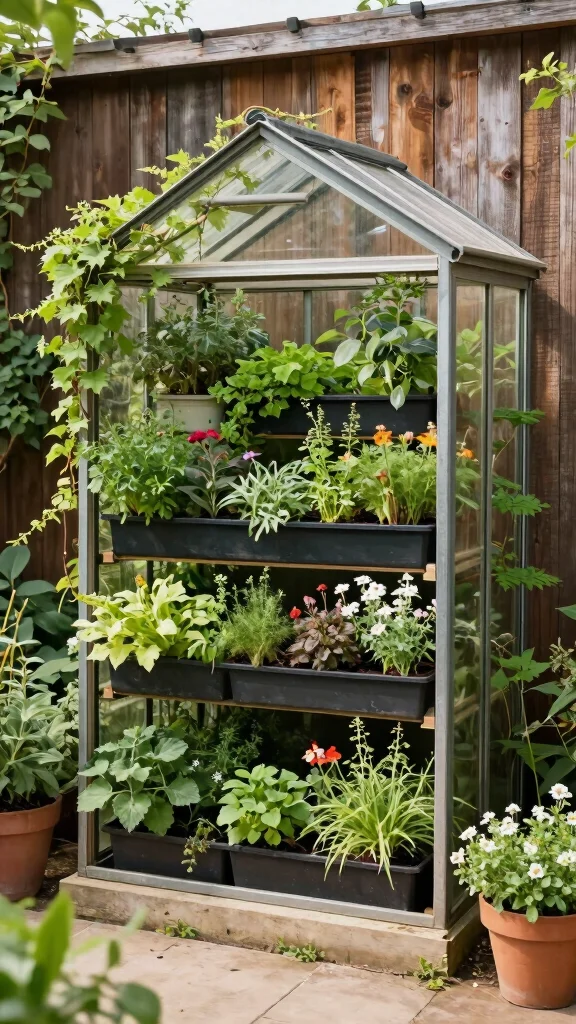
Transform your small outdoor space with a vertical gardening greenhouse. This innovative approach allows you to cultivate a variety of plants in tight areas, making it perfect for balconies or compact backyards. By using tiered planters or wall-mounted systems, you can easily grow herbs, strawberries, or cascading flowers that add visual interest without taking up much ground space.
To implement this design effectively, consider searching for budget-friendly vertical gardening kits online or at local gardening centers. This trend not only maximizes your gardening potential but also attracts beneficial pollinators, enriching your outdoor environment.
Benefits:
– Organize your garden with a space-saving design.
– Ensure easy access for plant care and harvesting.
– Enhance biodiversity and attract helpful insects.
Plant Care Tips:
– Monitor irrigation closely, as vertical gardens may dry out quickly.
– Select plants with similar light and water requirements for better growth.
Fun fact: a vertical garden greenhouse can multiply your growing space by up to 4x on a small balcony. Use tiered planters or wall-mounted systems for herbs, strawberries, and cascading blooms. Budget-friendly vertical kits online make it easy to start today.
3. Rustic Wooden Greenhouse
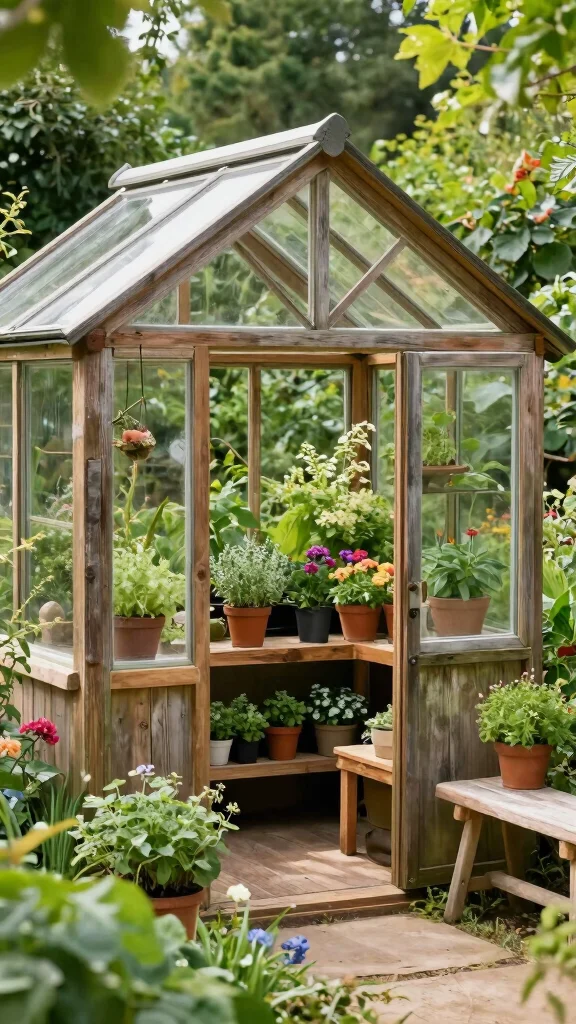
Introduce a warm, rustic charm to your garden with a wooden greenhouse. Constructed from reclaimed wood, this design celebrates sustainability while offering a cozy ambiance. The natural wood aesthetics harmonize beautifully with your plants, creating an inviting space for gardening. Inside, sturdy wooden shelves provide ample organization while enhancing the overall appeal of the area.
To maintain this look without overspending, consider sourcing reclaimed wood from local suppliers or DIY projects. This approach connects you with broader design trends focused on sustainability and warmth, enhancing emotional well-being.
Highlights:
– Enjoy natural insulation that stabilizes temperature.
– Add unique character to any outdoor setting.
– Customize your greenhouse design to fit any space.
Plant Care Tips:
– Protect wood from moisture using eco-friendly sealants.
– Rotate plants to prevent overcrowding and ensure even sunlight exposure.
4. Greenhouse with Rainwater Harvesting

Embrace sustainability with a greenhouse designed for rainwater harvesting. This feature allows you to collect and reuse water, significantly reducing your dependence on municipal supplies. By adding a rain barrel or an integrated collection system, you can maintain your plants’ health while being environmentally conscious.
To set up this system without breaking the bank, look for affordable rain barrels at home improvement stores or consider DIY options. This method aligns with sustainable gardening trends and promotes a deeper connection to nature through water conservation.
Advantages:
– Enjoy a cost-effective solution for watering your plants.
– Support eco-friendly gardening practices.
– Foster healthy growth with natural water sources.
Plant Care Tips:
– Regularly clean the rainwater system to prevent algae build-up.
– Use collected water for seedlings, as they thrive on untreated water.
5. Portable Greenhouse for Urban Living
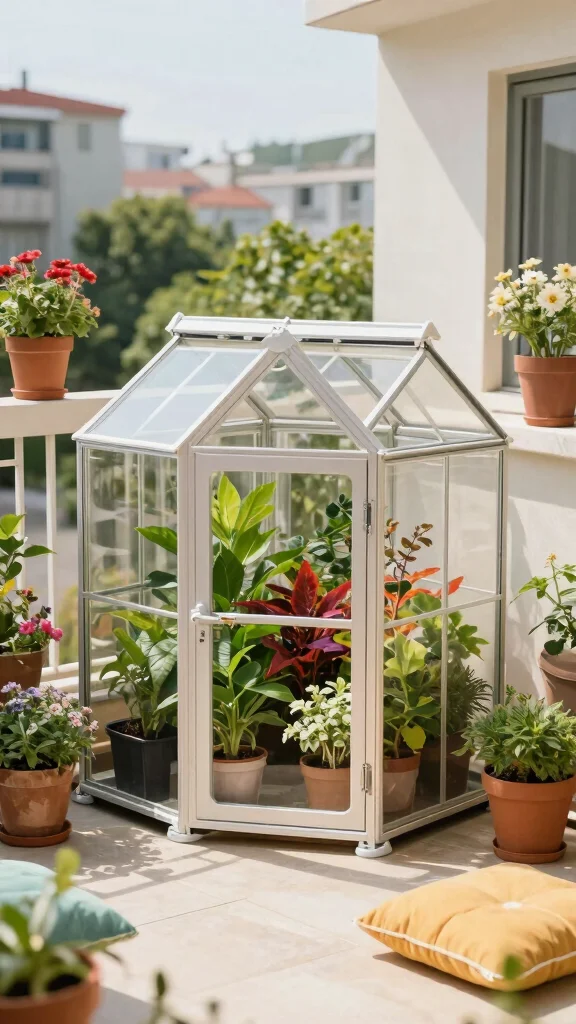
A portable greenhouse is a fantastic option for urban gardeners seeking flexibility and mobility. Whether on a balcony or in a compact backyard, you can easily relocate this structure based on the seasons or weather conditions. Constructed from lightweight materials, setting up and taking down your greenhouse becomes a breeze.
To keep costs low, look for affordable portable greenhouse kits or simple DIY designs. This approach not only enhances your gardening experience but also aligns with modern urban living trends that prioritize adaptability and convenience.
Features:
– Mobility ensures optimal sun exposure for your plants.
– Compact size fits seamlessly into any urban environment.
– Budget-friendly options cater to cost-conscious gardeners.
Plant Care Tips:
– Select container-friendly plants for maximum ease.
– Regularly monitor temperatures to protect plants during extreme weather.
6. Hydroponic Greenhouse
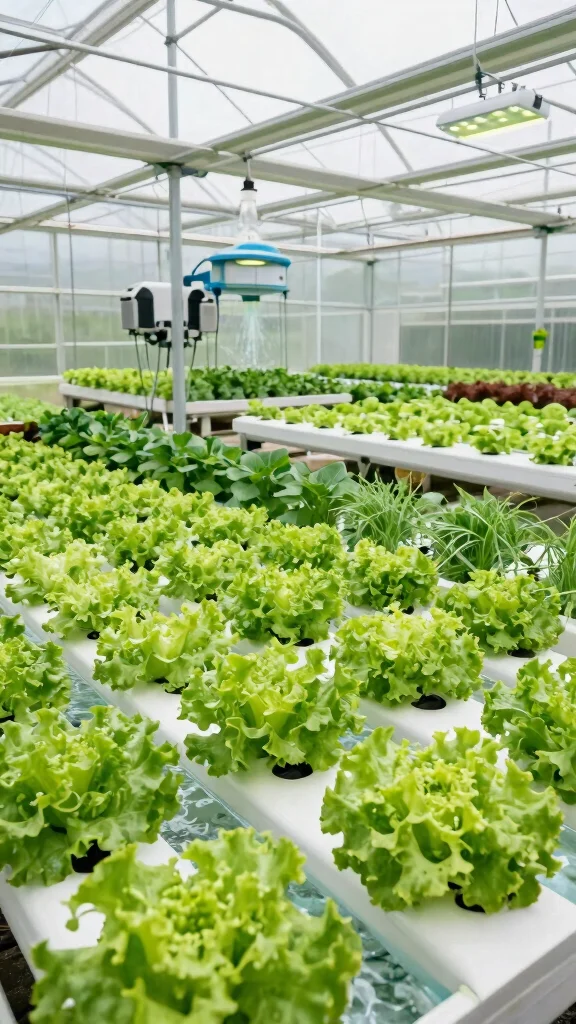
Exploring hydroponic gardening opens up exciting opportunities for urban growers. This method utilizes nutrient-rich water instead of soil, promoting faster plant growth and utilizing less space. You can successfully cultivate crops like lettuce, herbs, and strawberries while conserving water and resources.
To start hydroponics on a budget, look for affordable kits or online tutorials. This trend resonates with many sustainable gardening practices, allowing you to grow healthy plants year-round without the complications of traditional soil gardening.
Benefits:
– Maximize space efficiency in small urban settings.
– Control pests effectively within a managed environment.
– Enjoy year-round gardening, regardless of weather conditions.
Plant Care Tips:
– Regularly check pH levels and nutrient solutions for optimal growth.
– Closely monitor water levels to avoid nutrient imbalances.
Fun fact: A compact garden greenhouse with hydroponics can grow leafy greens in as little as 4 weeks, using 90% less water than soil gardening. It’s a budget-friendly upgrade—start with a kit and simple online tutorials to boost yields year-round.
7. Greenhouse with Integrated Composting

Implementing an integrated composting system in your greenhouse fosters a sustainable growth cycle. This setup allows you to compost kitchen scraps and use nutrient-rich soil for your plants. By creating a closed-loop system, you not only reduce waste but also enhance soil quality, resulting in healthier plants.
For budget-friendly composting, consider building a simple bin from recycled materials. This practice aligns with eco-conscious gardening trends and cultivates a deeper appreciation for sustainability.
Advantages:
– Minimize waste by composting kitchen scraps.
– Improve soil quality for thriving plant life.
– Promote eco-friendliness and sustainability in gardening.
Plant Care Tips:
– Balance greens (nitrogen-rich) and browns (carbon-rich) for effective composting.
– Regularly aerate the compost to speed up the decomposition process.
Key Trade-offs & Our Top Pick
Eco-Friendly Glass House
– Pros:
✔ Beautiful aesthetics that blend with nature.
✔ Good light exposure for plants, enhancing growth.
– Cons:
❌ Higher upfront cost due to glass materials.
❌ Requires regular cleaning to maintain clarity.
– Best for: Those wanting an elegant look while maximizing sunlight for plant growth.
Vertical Gardening Greenhouse
– Pros:
✔ Maximizes space, perfect for small urban gardens.
✔ Easy access to plants for care and harvesting.
– Cons:
❌ Limited plant variety; not all plants thrive vertically.
❌ May require extra supports and systems for watering.
– Best for: Urban gardeners with limited space who want to grow a variety of plants.
Portable Greenhouse for Urban Living
– Pros:
✔ Easy to set up and relocate as needed.
✔ Ideal for experimenting with different locations.
– Cons:
❌ Limited durability in extreme weather.
❌ Smaller space restricts the number of plants you can grow.
– Best for: Gardeners who want flexibility and are not ready for a permanent structure.
Hydroponic Greenhouse
– Pros:
✔ Maximum growth potential with less water usage.
✔ Ideal for growing food indoors year-round.
– Cons:
❌ Higher initial investment for systems and maintenance.
❌ Requires technical knowledge for best results.
– Best for: Serious gardeners looking to grow food all year with advanced techniques.
Community Greenhouse for Shared Gardening
– Pros:
✔ Promotes community interaction and resource sharing.
✔ Larger space allows for diverse plant varieties.
– Cons:
❌ Shared responsibilities may lead to conflicts.
❌ Less control over individual gardening practices.
– Best for: Neighborhoods looking to enhance community spirit through gardening.
Best Overall: Eco-Friendly Glass House
The Eco-Friendly Glass House stands out as the top choice for most people. It combines beauty and functionality, making it a perfect addition to any garden. With good light exposure, it helps plants thrive, while its aesthetic appeal enhances your outdoor space. Although it requires a higher initial investment, its durability and timeless style offer great value for money in the long run.
Why We Picked This:
While the Eco-Friendly Glass House is our top pick, others may prefer different options based on their specific needs. If you’re short on space, the Vertical Gardening Greenhouse is ideal. For flexibility, the Portable Greenhouse is great. Lastly, if you want to engage with your community, consider the Community Greenhouse. Each option has its own strengths and weaknesses, so choose based on what fits best for your gardening goals!
8. Stylish Minimalist Greenhouse

For those who cherish sleek aesthetics, a minimalist greenhouse is the perfect choice. This design prioritizes clean lines and simple structures, creating a clutter-free environment that showcases your plants beautifully. Utilizing materials like glass and steel adds an airy feel, allowing your plants to take center stage.
To maintain this style on a budget, opt for affordable glass panels or simple metal frames. This trend enhances your outdoor space while encouraging a sense of calm and simplicity in your gardening experience.
Key Features:
– Elegant design elevates any outdoor area.
– Focus on plants without distractions.
– Durable materials withstand various weather conditions.
Plant Care Tips:
– Keep your greenhouse organized to maintain its minimalist appeal.
– Select a limited range of plants for a refined display.
You might also like


9. Community Greenhouse for Shared Gardening
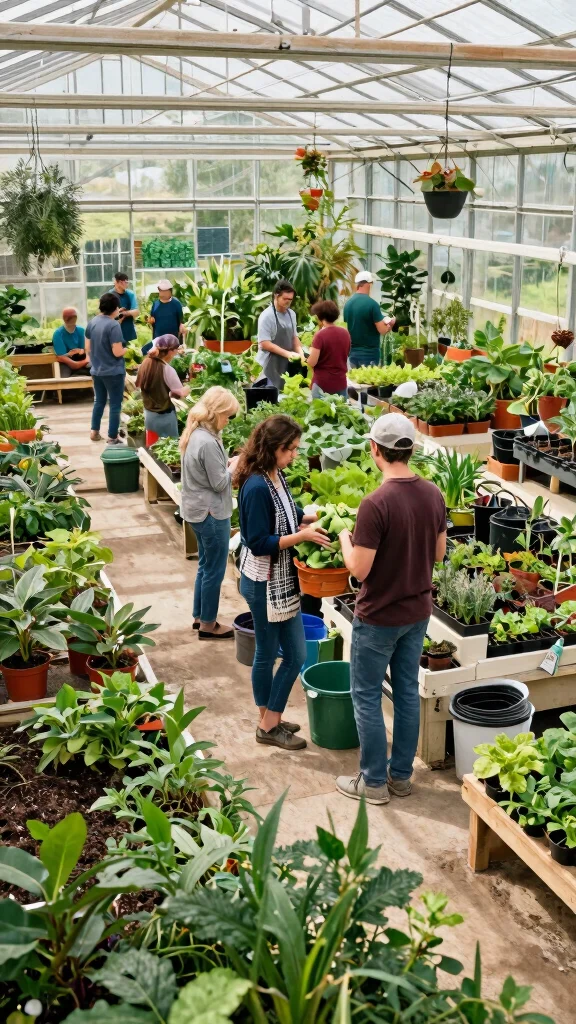
A community greenhouse brings neighbors together, fostering collaboration and shared gardening experiences. This design serves as a hub for urban gardeners to learn, trade plants, and grow fresh produce collectively. Providing space for workshops or events helps build stronger community connections.
To create a community greenhouse on a budget, consider forming a co-op with local gardeners to share resources and costs. This approach not only promotes gardening but also strengthens bonds through collective efforts.
Benefits:
– Encourage local engagement and social interaction.
– Share resources and gardening knowledge.
– Promote community health through collaborative gardening.
Plant Care Tips:
– Organize regular workshops to share plant care techniques.
– Establish a shared schedule for watering and maintenance to ensure healthy plants.
10. Hybrid Greenhouse: Indoor and Outdoor Spaces

A hybrid greenhouse blends indoor and outdoor gardening, allowing you to care for plants year-round while enjoying fresh outdoor air. This design incorporates open walls or doors, making it easy to transition plants indoors during colder months.
To create this setup on a budget, consider using salvaged materials for walls and doors. This versatile approach enhances your gardening experience while adding a unique aesthetic that merges indoor decor with outdoor charm.
Highlights:
– Flexibility for various climates and conditions.
– Improve indoor air quality with plants that purify the environment.
– Create a distinctive look with a blend of styles.
Plant Care Tips:
– Use heat mats or grow lights for seedlings during winter.
– Regularly monitor humidity levels to help indoor plants thrive.
11. Container Gardening Greenhouse
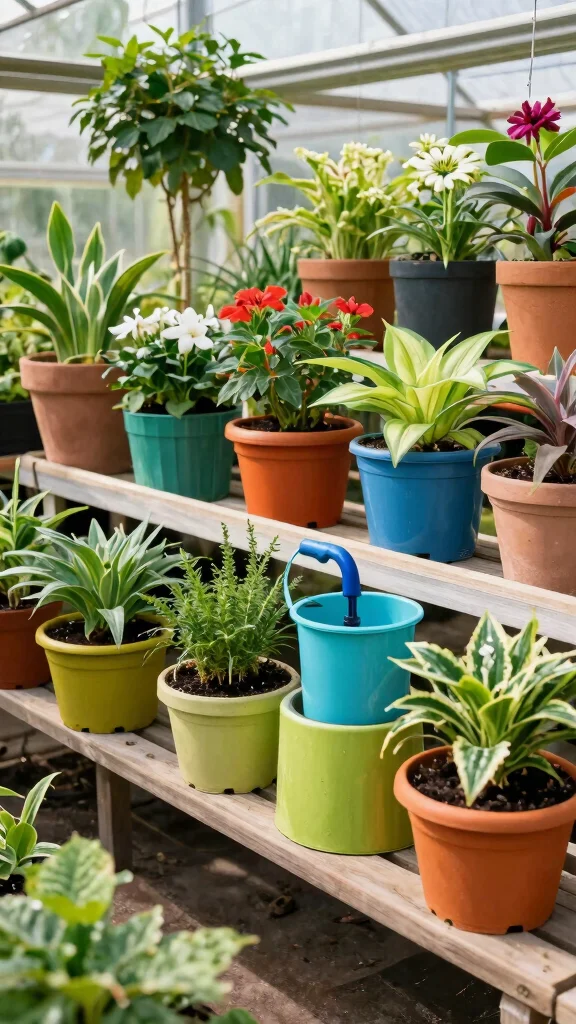
Container gardening is an effective method for urban environments, and a greenhouse designed for this purpose can enhance your gardening experience. Utilizing various containers lets you grow a diverse range of plants while maintaining organization and style.
To keep costs down, explore options for budget-friendly pots or self-watering systems that can save you time and effort. This approach promotes creativity in your gardening while making efficient use of limited space.
Benefits:
– Enjoy mobility for optimal sunlight exposure.
– Customize arrangements for aesthetic appeal.
– Efficiently use space in smaller areas.
Plant Care Tips:
– Opt for high-quality potting soil with good drainage.
– Regularly check moisture levels in each container to prevent over/under-watering.
12. Aromatherapy Greenhouse
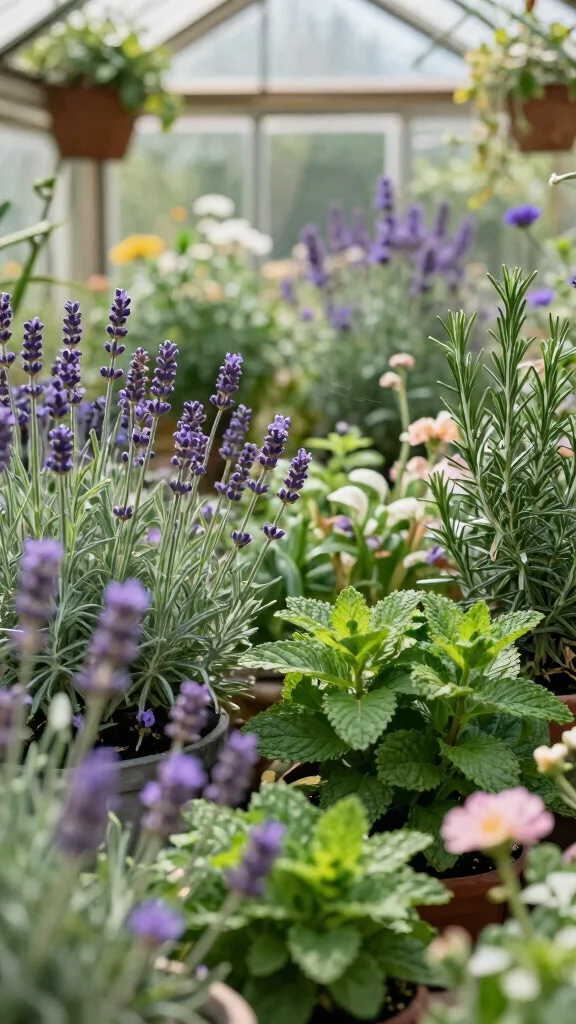
Transform your gardening oasis into a sensory haven with an aromatherapy greenhouse. Overflowing with aromatic herbs and flowering plants, this greenhouse nurtures not only your plants but also your soul. Incorporating herbs like lavender, rosemary, and mint enhances your sensory experience while promoting relaxation and well-being.
To keep costs low, grow these herbs from seeds or cuttings, which can be budget-friendly and rewarding. This design connects you to the broader trend of wellness gardening, where nature and self-care intertwine.
Features:
– Create a therapeutic ambiance for gardeners.
– Utilize specific aromatic plants as natural pest repellents.
– Enhance culinary experiences with fresh herbs.
Plant Care Tips:
– Regularly prune aromatic herbs for healthy growth and new shoots.
– Experiment with complementary scents by mixing various plants.
13. Greenhouse for Rare Plant Collection
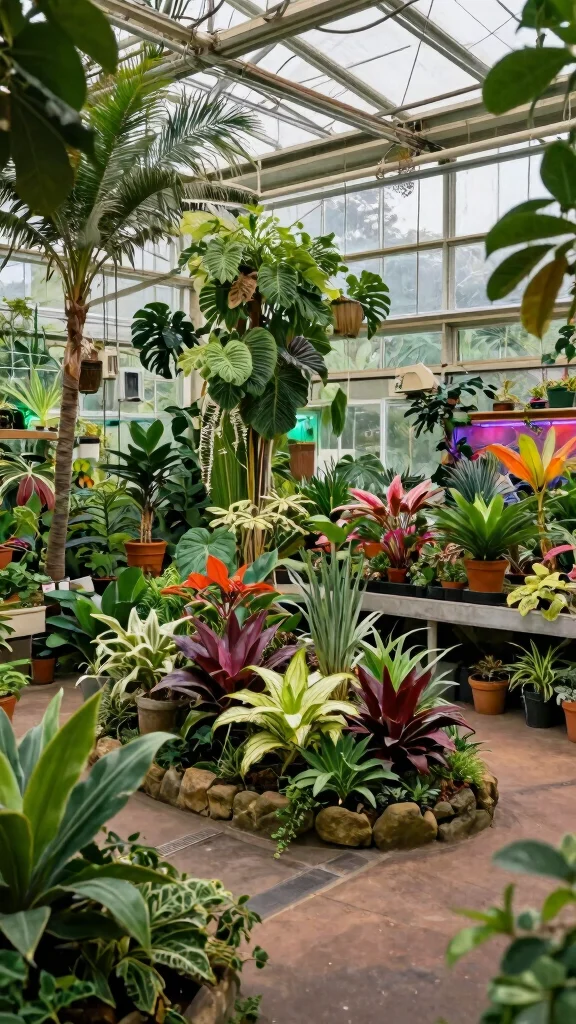
A specialized greenhouse dedicated to rare and exotic plants is a dream come true for collectors and plant lovers alike. This controlled environment allows you to cater to the unique needs of these plants while offering an aesthetically pleasing display. By incorporating humidity control and specialized lighting, you can create a perfect habitat for your rare finds.
To save money, consider building a simple greenhouse frame and adding specific equipment as your collection grows. This approach not only protects valuable plants but also fosters appreciation for biodiversity and unique plant species.
Benefits:
– Safeguard rare plants from harsh environmental conditions.
– Encourage biodiversity and appreciation for plant varieties.
– Create a stunning attraction for visitors and gardening enthusiasts.
Plant Care Tips:
– Research individual species’ requirements to provide tailored care.
– Regularly inspect plants for pests and diseases to maintain their health.
Fun fact: An 8×10 ft greenhouse can reliably support humidity control and specialty lighting for 50+ rare and exotic plants, reducing losses by up to 40%. Start with a simple frame and add gear as your collection grows—smart, scalable, and stylish.
14. Educational Greenhouse for Schools
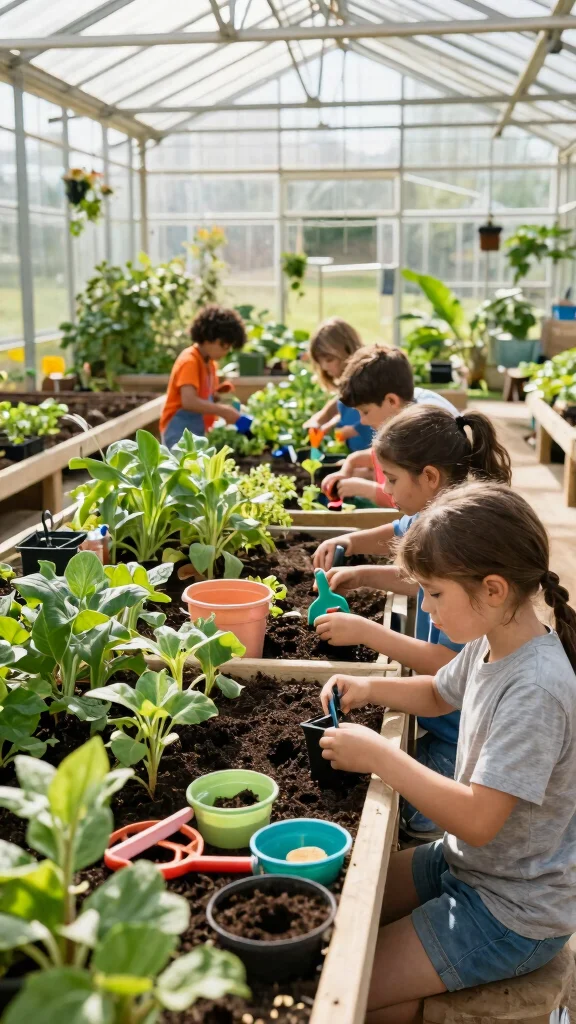
Integrating an educational greenhouse into school programs can inspire a love for gardening in children. This setup provides hands-on experiences in planting, maintaining, and understanding the significance of gardening and sustainability. By incorporating lessons on botany, environmental science, and nutrition, students connect their learning to real-world applications.
To implement this on a budget, seek grants or community donations to fund the greenhouse project. This educational approach nurtures future generations of environmentally conscious citizens while promoting teamwork and collaborative learning.
Benefits:
– Inspire young gardeners and eco-conscious individuals.
– Foster teamwork and collaborative learning experiences.
– Promote healthy eating and awareness of food sources.
Plant Care Tips:
– Use interactive lessons to engage students in plant care activities.
– Organize community workshops to share knowledge and resources.
15. Zen Garden Greenhouse
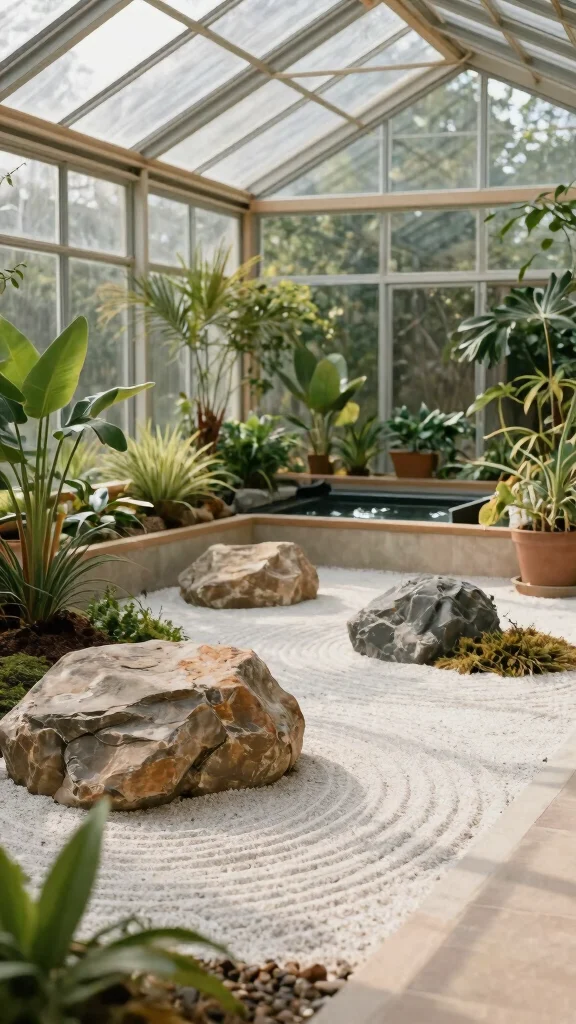
Create a serene retreat with a Zen garden greenhouse that merges the tranquility of a greenhouse with calming elements of a Zen garden. This design emphasizes minimalism and simplicity, fostering a harmonious environment where plants can thrive. Incorporating elemental features like rocks, sand, and water enhances the peaceful ambiance.
To keep costs manageable, consider DIY elements or repurposing materials you already have. This approach encourages mindfulness and reflection, connecting you to nature and promoting relaxation.
Benefits:
– Foster relaxation and mindfulness in a natural setting.
– Encourage meditation and contemplation among plants.
– Achieve beautiful aesthetics that nurture both plants and well-being.
Plant Care Tips:
– Select low-maintenance plants to preserve the Zen ambiance.
– Incorporate calming, earthy colors in your plant and decor choices.
16. All-Season Greenhouse
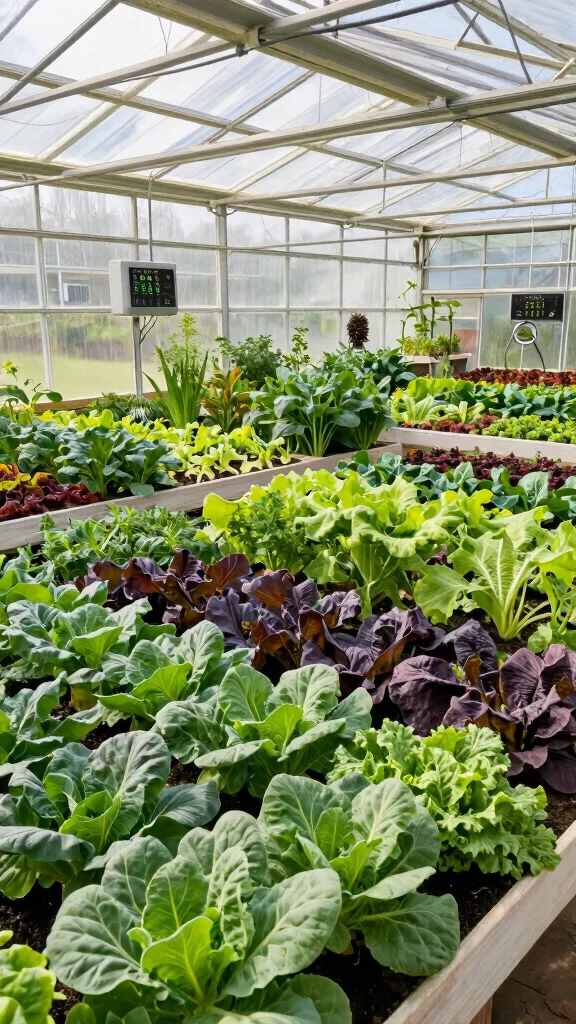
An all-season greenhouse ensures that you can grow plants throughout the year, independent of external weather conditions. Equipped with proper insulation and heating systems, you can maintain ideal conditions for your plants, even in winter months. This design allows for diverse plant growth, including winter vegetables and herbs.
To create this on a budget, explore DIY insulation techniques or affordable heating solutions. This versatile approach enhances your gardening capabilities and aligns with the desire for year-round produce.
Advantages:
– Enjoy year-round gardening for dedicated enthusiasts.
– Increase crop yield through extended growing seasons.
– Experience flexibility in growing a variety of plants at any time.
Plant Care Tips:
– Monitor temperature and humidity fluctuations to keep plants healthy.
– Use grow lights during darker months to support plant growth.
17. DIY Greenhouse Kits for Beginners
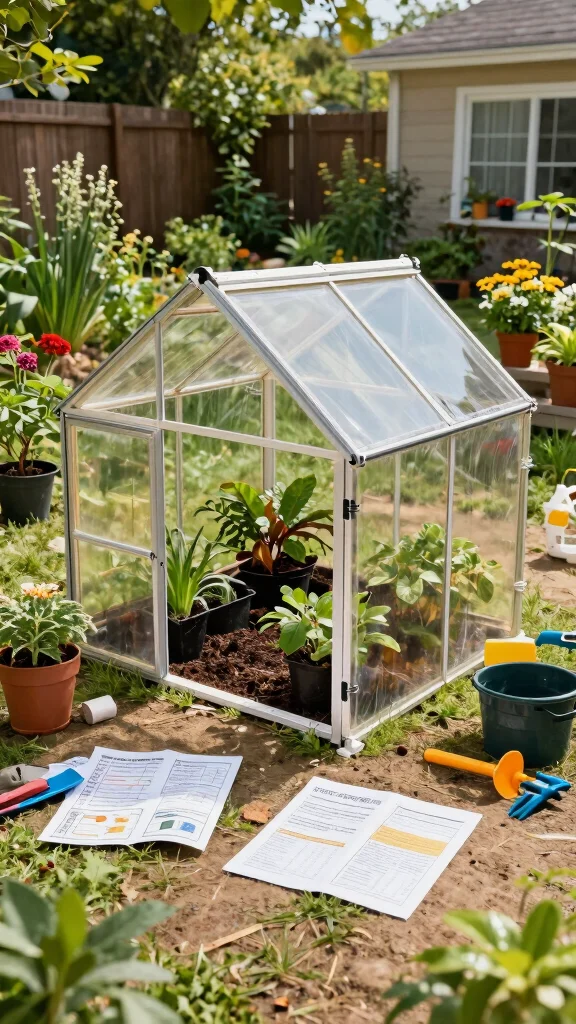
For those eager to delve into gardening without a hefty investment, DIY greenhouse kits provide an excellent solution. These kits come with everything needed to construct a greenhouse tailored to your space, often including clear instructions for simple assembly. This hands-on approach allows new gardeners to build confidence while enjoying the process of creating their green sanctuary.
To keep costs low, look for affordable kits online or local gardening stores. This option empowers beginners and encourages a love for gardening from the ground up.
Benefits:
– Affordable and accessible for novice gardeners.
– Customizable designs fit unique spaces.
– Hands-on experience fosters connection to gardening.
Plant Care Tips:
– Follow assembly instructions carefully to ensure structural integrity.
– Choose beginner-friendly plants to cultivate confidence.
18. Fun and Artistic Greenhouse Designs
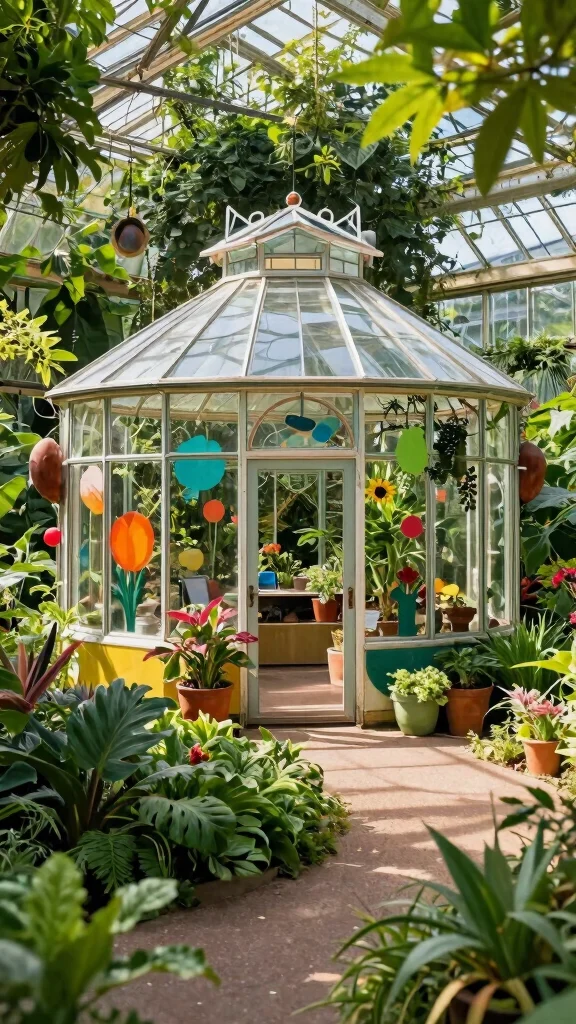
Unleash your creativity with a greenhouse that features fun and artistic designs! From whimsical shapes to vibrant decorations, this approach allows gardeners to express their personality while nurturing plants. Unique designs can serve as eye-catching focal points in your outdoor space, enhancing the overall gardening experience.
To implement this on a budget, consider using repurposed materials or DIY decorations. This playful approach encourages artistry and innovation in gardening, making it a joyful endeavor.
Highlights:
– Express creativity through unique greenhouse styles.
– Create a visual centerpiece for your outdoor area.
– Inspire artistic expression and innovative gardening techniques.
Plant Care Tips:
– Use colorful planters or decorations to enhance the artistic vibe.
– Experiment with unusual plant arrangements to align with your artistic vision.
Conclusion
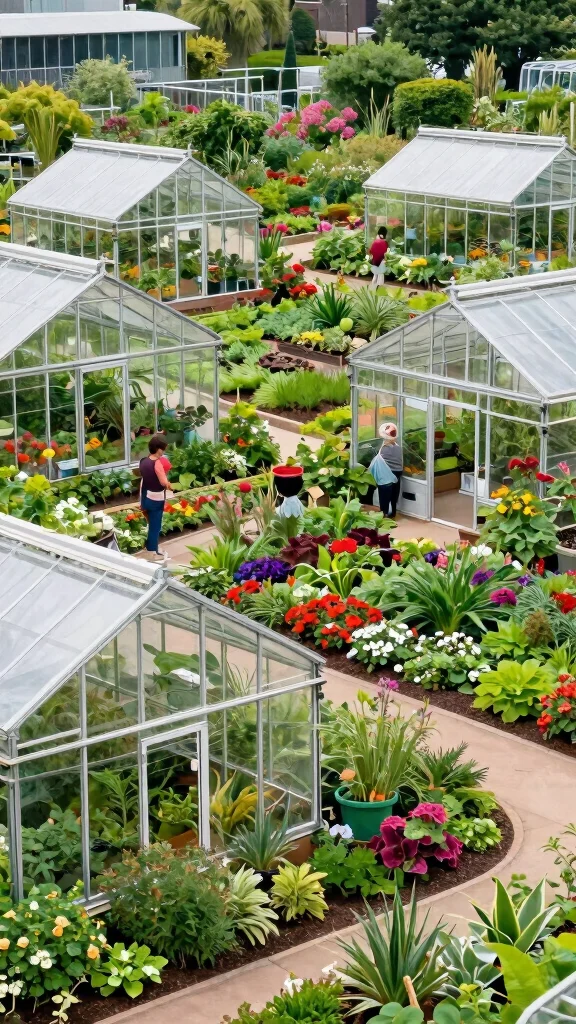
Embarking on the journey of creating a garden greenhouse opens up a world of possibilities for urban gardening enthusiasts.
From unique designs to sustainable practices, every idea explored here can transform your outdoor space into a vibrant oasis.
Whether you’re a beginner or a seasoned gardener, these 18 ideas inspire creativity and productivity in your gardening endeavors.
Frequently Asked Questions
What is the best starter greenhouse design for small urban spaces?
For a compact urban setup, a lean-to against a wall or a small freestanding model works best. Look for a durable frame, impact-resistant panels, and adjustable vents to keep air moving—the essentials of greenhouse design. Add vertical shelves and a potting bench to boost garden organization in a tight footprint, turning any garden greenhouse into a productive corner of your outdoor space. With careful layout and simple automation, you’ll improve light, warmth, and yields for outdoor gardening year-round.
How can I maximize year-round production in a garden greenhouse?
Start with temperature and light control: good insulation, proper ventilation, and a shade cloth for hot days. Use raised benches, portable shelves, and a simple drip system to manage moisture—these are core greenhouse design tips for steady outdoor gardening in your garden greenhouse. Consider crop rotation and optional heat to extend the season, all while practicing sustainable gardening. Daily plant care tips like monitoring humidity and checking for pests keep your harvests thriving.
What are practical tips for maintaining garden organization inside a greenhouse?
Start with a dedicated potting bench and labeled containers to track what’s where. Install sturdy shelving, peg boards for tools, and a small waste bin to keep debris out of your growing space—these are key garden organization moves in greenhouse design. Keep a defined walkway, lay a water-tight tray under pots, and use color-coded labels to prevent mix-ups in your garden greenhouse. Finish with a simple routine: quick wipe-downs after work and a weekly inventory of supplies for smoother outdoor gardening.
How can I make my garden greenhouse energy efficient and sustainable?
Start with good insulation, sealed doors, and vents that automatically open, plus reflective shade cloth to cut heat in summer. Consider passive solar strategies and thermal mass (like water barrels) to store warmth for chilly nights in your garden greenhouse. Harvest rainwater for irrigation and compost kitchen scraps to feed plants—these are all sustainable gardening practices that pair with smart outdoor gardening. Use energy-efficient lighting only when needed and keep a tight irrigation schedule for effective plant care tips.
What common mistakes should beginners avoid when setting up a garden greenhouse in an urban space?
Avoid overheating from poor ventilation, and don’t skimp on insulation for shoulder seasons. Don’t neglect garden organization or vertical space, which limits how many plants you can grow. Always plan a simple irrigation system to avoid over- or under-watering, and keep pests and diseases in check with good sanitation and routine monitoring—a small investment in smart greenhouse design now pays off for reliable outdoor gardening later. Finally, be realistic about space and light to prevent overstocking your garden greenhouse.
Related Topics
garden greenhouse
sustainable gardening
urban gardening
greenhouse design
outdoor gardening
plant care tips
eco-friendly gardening
DIY greenhouse
small space solutions
beginner friendly
seasonal gardening
garden organization
Leave a Reply