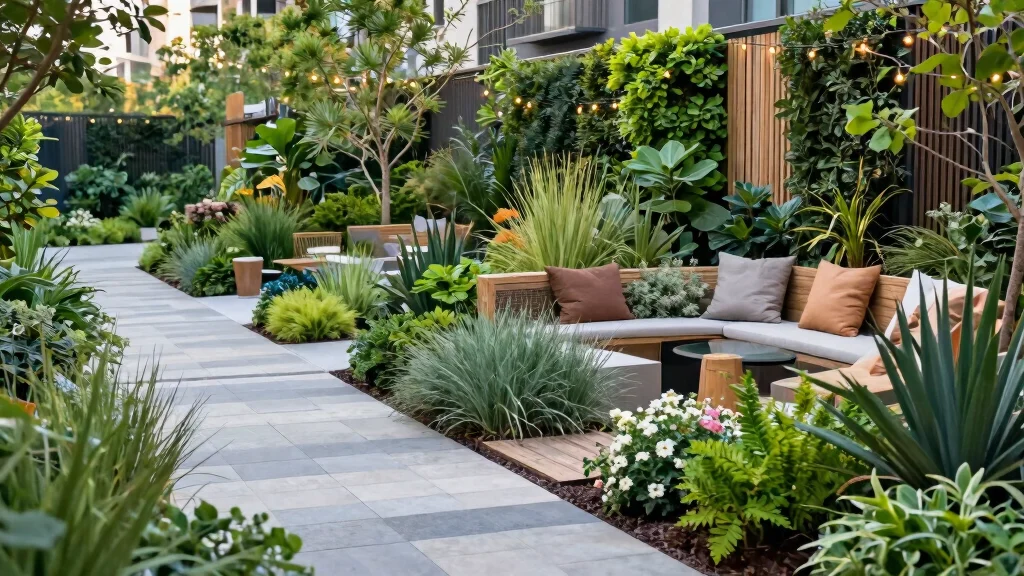
As the seasons change, you might find yourself craving a fresh look for your outdoor space. Whether it’s the call of spring blooms or the cozy ambiance of autumn leaves, our gardens have the power to transform the way we feel about our homes. This post is here to spark inspiration for your outdoor oasis. We dive into the world of modern garden design concepts that not only enhance beauty but also promote sustainability. If you’re dreaming of a vibrant garden that blends style with eco-friendliness, you’re in the right place.
If you’re a homeowner, an aspiring gardener, or simply someone who loves creating inviting outdoor living spaces, this guide is tailored just for you. You’ll discover practical tips and unique ideas that cater to modern tastes while embracing the principles of sustainable urban gardening. Whether you have a sprawling backyard or a cozy balcony, these concepts will help you craft a space that feels both contemporary and personal.
Get ready to explore 20 innovative garden design ideas that will breathe new life into your landscape. From vertical gardens that maximize small spaces to edible landscapes that let you grow your own food, each concept is designed to inspire your creativity. By the end of this post, you’ll have a treasure trove of ideas, tips, and strategies to create the perfect modern garden that reflects your style and values.
Key Takeaways
– Explore vertical gardens to maximize limited space in your outdoor area, making it both functional and beautiful.
– Native plant landscaping offers eco-friendly choices that support local wildlife while reducing maintenance needs.
– Adopt a minimalist design approach to create serene spaces that focus on simplicity and elegance.
– Incorporate edible landscapes to grow your own fruits and vegetables, enhancing both your garden’s aesthetic and your kitchen.
– Discover outdoor living rooms that extend your indoor space, providing comfortable areas for relaxation and social gatherings.
1. Vertical Gardens: Maximizing Space
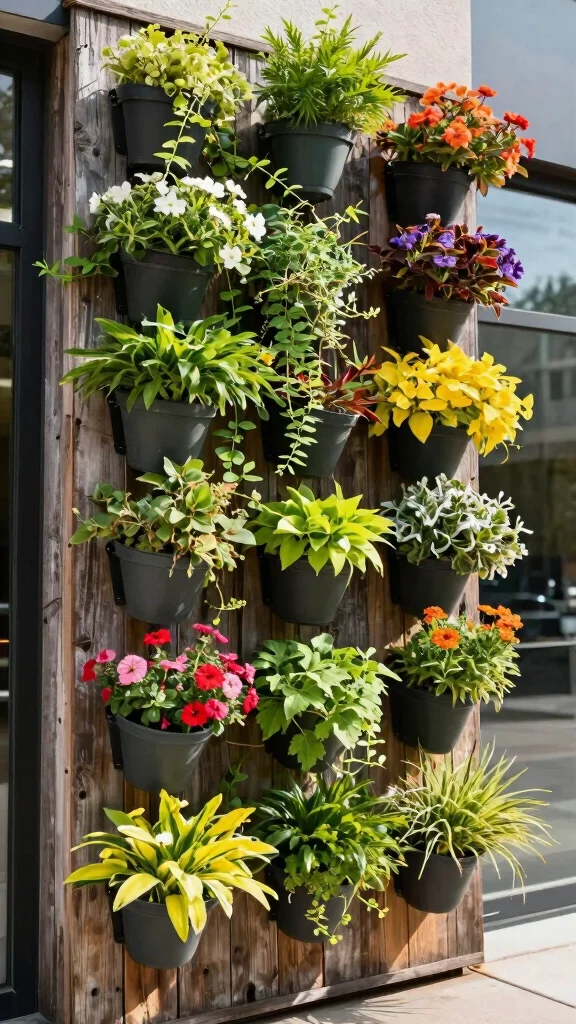
Vertical gardens are an inspiring way to make the most out of limited space while adding a touch of greenery to your landscape. This innovative approach allows you to create stunning vertical displays using a variety of plants, from vibrant flowering vines to hardy succulents. By incorporating elements like trellises and wall planters, you can achieve an eye-catching design that not only saves ground space but also serves as a striking focal point in any urban setting.
To bring your vertical garden to life, choose plants that fit your specific climate and light conditions. Implementing a drip irrigation system can help keep your plants healthy and hydrated. Additionally, these vertical installations can act as sound barriers, helping to reduce the noise common in busy city environments.
Consider these steps to create your vertical garden:
– Pair trellises with climbing plants for vertical interest
– Install wall-mounted planters filled with colorful flowers
– Use succulents in decorative pockets for a modern touch
This design transforms walls into living art, enhancing the aesthetic appeal of your space while promoting a connection to nature.
2. Native Plant Landscaping: Eco-Friendly Choices
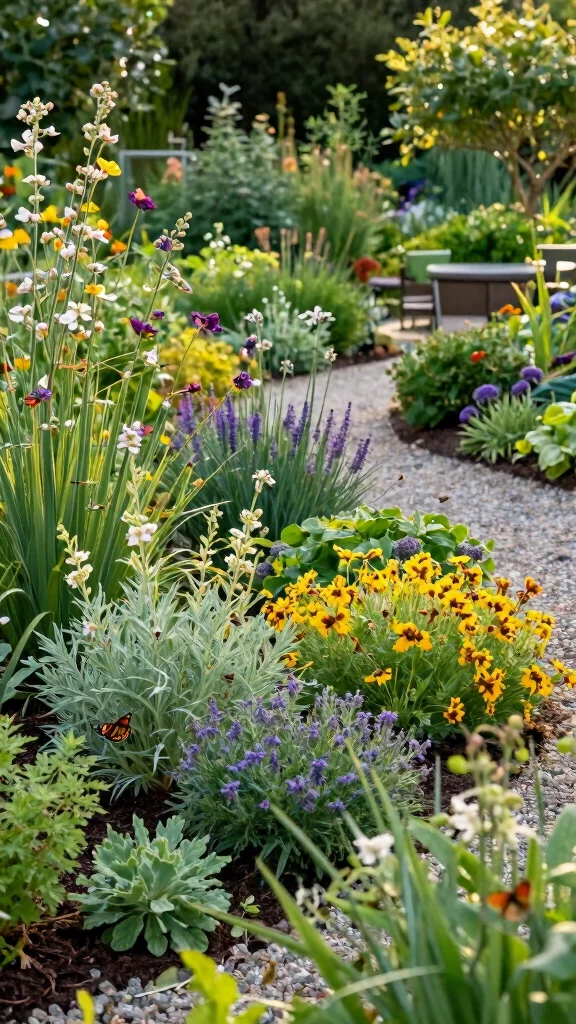
Incorporating native plants into your garden design is a fantastic way to create a sustainable landscape that thrives in harmony with local ecosystems. These plants are naturally adapted to your environment, requiring less maintenance and fewer resources. By selecting native species, you not only support local wildlife but also contribute to a healthier outdoor ecosystem.
These plants typically demand less water and fewer pesticides, making them an environmentally friendly choice. Think about layering different types of native flowers, shrubs, and grasses that flourish in your area to create a vibrant and engaging garden tapestry.
Follow these tips to embrace native landscaping:
– Research local plants to ensure compatibility with your garden
– Group plants by watering needs for easier maintenance
– Use a mix of colors and textures for visual appeal
This approach not only enhances your garden’s beauty but also nurtures the environment, making your outdoor space a haven for local wildlife.
3. Minimalist Design: Less is More

Minimalist garden design embraces simplicity, focusing on clean lines and a neutral color palette. This style allows nature to shine, creating a serene outdoor environment that feels both calming and visually appealing. By stripping away the clutter, you create spaces where each element can stand out and breathe.
To achieve a minimalist look, limit your choice of materials and plants. Incorporate sleek stone pathways, geometric planters, and thoughtfully arranged plants that make a statement without overwhelming the space. The goal is to create a tranquil atmosphere that invites relaxation.
To enhance your minimalist garden:
– Incorporate functional outdoor furniture for comfort
– Use decorative stones to add subtle interest
– Create focal points with striking sculptures
This design philosophy elevates your outdoor space, allowing you to enjoy a peaceful retreat filled with natural beauty.
4. Edible Landscapes: Grow Your Own

Imagine the joy of blending beauty and function with an edible landscape. By integrating fruits, vegetables, and herbs into your garden, you can enjoy fresh produce while enhancing your outdoor space. This approach not only promotes sustainability but also cultivates healthier eating habits.
Start by identifying sunny areas in your garden ideal for growing edibles. Options like raised beds, container gardens, and interspersed plantings work well, especially in urban settings. Companion planting can help maximize your space and yield.
Explore these ideas to create your edible garden:
– Mix colorful vegetables with ornamental plants for visual interest
– Layer plants of varying heights for depth and texture
– Use raised beds for easy access to produce
This concept brings a beautiful and practical element to your garden, allowing you to savor the fruits of your labor.
Key Trade-offs & Our Top Pick
Vertical Gardens
– Pros:
– Great for small spaces, as they use vertical surfaces.
– They improve air quality by filtering pollutants.
– Cons:
– Can be expensive to set up and maintain.
– Requires regular watering and care to stay lush.
– Best for: Urban dwellers who want to maximize limited space and add greenery to walls.
Native Plant Landscaping
– Pros:
– Low maintenance: native plants are adapted to survive in local climates.
– Attracts local wildlife, like birds and butterflies.
– Cons:
– Limited plant variety if you stick strictly to natives.
– May take time to establish a mature look.
– Best for: Homeowners looking to support local ecosystems while minimizing upkeep.
Edible Landscapes
– Pros:
– Provides fresh fruits and vegetables right in your yard.
– Encourages sustainable living by growing your own food.
– Cons:
– Requires knowledge of gardening and plant care.
– May attract pests that can harm plants.
– Best for: Gardeners eager to combine beauty and functionality in their outdoor spaces.
Water Features
– Pros:
– Adds a calming sound and aesthetic appeal to your garden.
– Can attract beneficial wildlife, like frogs and birds.
– Cons:
– Can be costly to install and maintain.
– Requires a reliable water source and regular upkeep.
– Best for: Those seeking tranquility and beauty in their outdoor environment.
Outdoor Living Rooms
– Pros:
– Extends your living space outdoors, perfect for entertaining.
– Can increase property value with a comfortable design.
– Cons:
– Initial setup can be pricey depending on size and materials.
– May require permits or zoning approval in some areas.
– Best for: Homeowners who love to entertain and spend time outdoors.
Expert Recommendation:
Best Overall: Native Plant Landscaping
Native plant landscaping stands out as the top choice for most people. It offers a blend of beauty and low maintenance, making it ideal for busy homeowners. You’ll find that it’s budget-friendly in the long run, as these plants thrive without needing constant care and resources. Plus, they help nurture the local ecosystem, which is a win for nature lovers!
Why We Picked This:
While native plant landscaping is excellent for most, others may prefer options like vertical gardens for their space-saving features or edible landscapes for the joy of growing food. Think about your specific needs, lifestyle, and the look you want to achieve in your garden.
5. Water Features: Adding Serenity
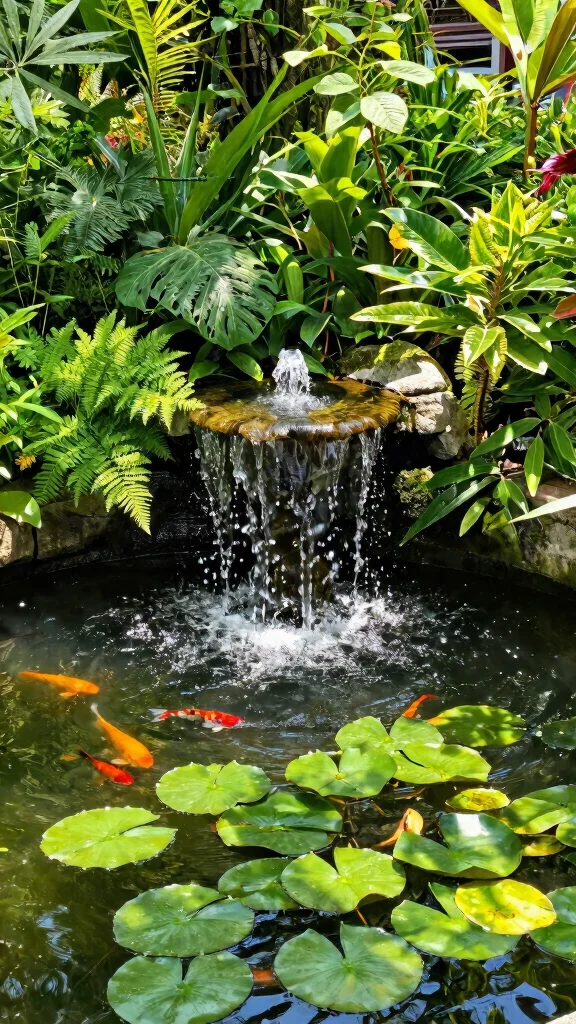
Water features can profoundly enhance the ambiance of your garden, introducing a sense of tranquility and calming sounds. Whether you choose a pond, fountain, or even a simple birdbath, the presence of water creates a serene atmosphere that invites relaxation.
Consider adding a small pond filled with aquatic plants and colorful fish or a wall-mounted fountain that saves space while providing a soothing backdrop. These features not only add beauty but also attract beneficial wildlife, enhancing the natural ecosystem in your garden.
To incorporate water features effectively:
– Surround ponds with lush plantings for a natural look
– Use local stones to create a cohesive design
– Ensure proper maintenance for clean, healthy water
This thoughtful addition transforms your outdoor space into a peaceful retreat, where the sounds of flowing water enhance your overall experience of nature.
6. Sustainable Materials: Eco-Conscious Choices
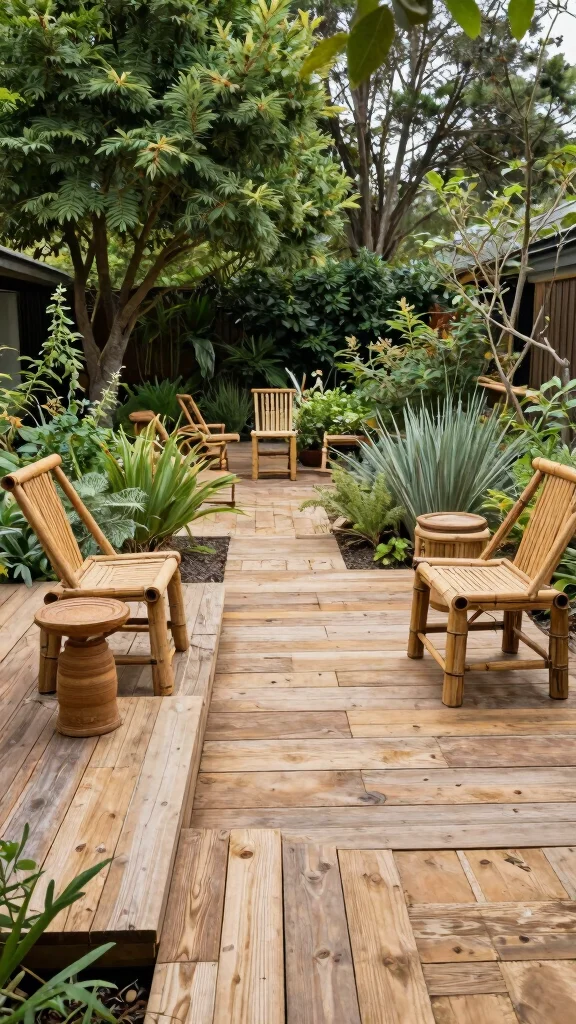
Opting for sustainable materials in your garden design significantly reduces your environmental footprint. From reclaimed wood to eco-friendly paving options, these materials bring character and purpose to your outdoor spaces while promoting sustainability.
Consider using recycled materials for pathways, planter boxes, and garden furniture. Bamboo is an excellent choice due to its rapid growth and strength. Incorporating permeable surfaces is also beneficial, as it helps with drainage and minimizes runoff in urban settings.
Explore these sustainable options:
– Use reclaimed wood for raised beds and furniture
– Choose eco-friendly pavers for walkways
– Incorporate natural tones that harmonize with your plants
Every choice counts toward a greener planet, enhancing the beauty and integrity of your garden.
7. Outdoor Living Rooms: Extend Your Indoor Space
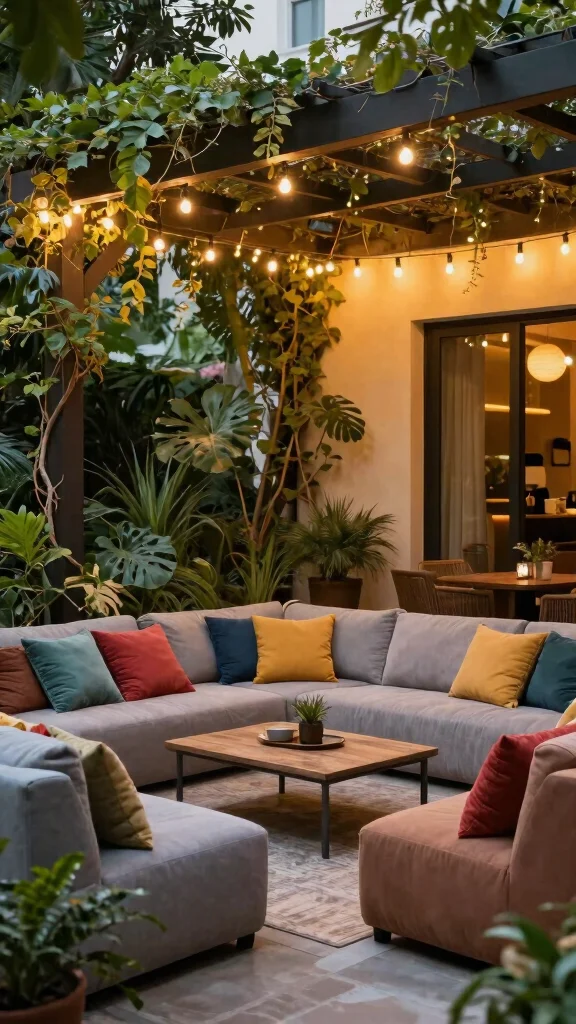
Designing an outdoor living room seamlessly extends your indoor space into the garden, allowing you to enjoy nature in comfort. This trend emphasizes a blend of comfort and functionality, making your outdoor area a favorite gathering spot for family and friends.
Begin with cozy seating options like weatherproof sofas and chairs, and don’t forget a coffee table or dining area for added utility. Consider adding pergolas or umbrellas for shade and outdoor rugs to create defined spaces that feel inviting.
Enhance your outdoor living room with these ideas:
– Add string lights or lanterns for cozy evening ambiance
– Use decorative cushions for added comfort
– Incorporate greenery for privacy and beauty
This thoughtful design transforms your garden into a welcoming oasis, perfect for relaxation and socializing.
8. Garden Rooms: Unique Structures
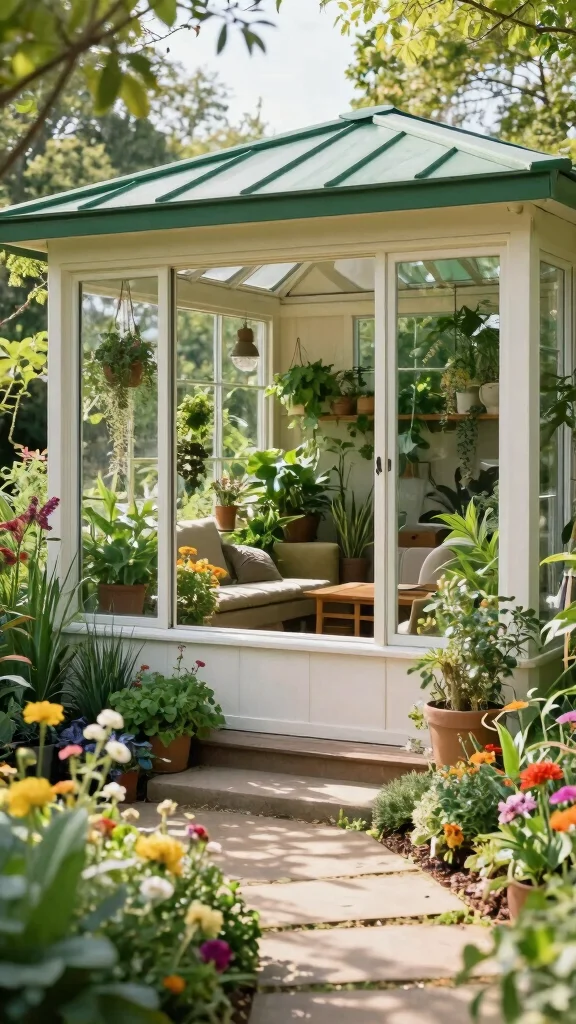
Garden rooms present an excellent opportunity to add functional structures to your outdoor space. These versatile spaces can serve as offices, art studios, or peaceful meditation areas, allowing you to enjoy the beauty of your garden while having a dedicated space for work or relaxation.
When designing your garden room, choose sustainable materials that blend seamlessly with the environment. Large windows can maximize natural light and provide lovely views, while green roofs or living walls offer extra insulation and a connection to nature.
Consider these aspects for your garden room:
– Align the design with your home’s style for a cohesive look
– Incorporate natural elements for a calming atmosphere
– Ensure ample insulation for year-round comfort
This unique addition enhances your garden’s charm, creating a special oasis you can enjoy at any time.
You might also like
9. Raised Garden Beds: Practical and Stylish
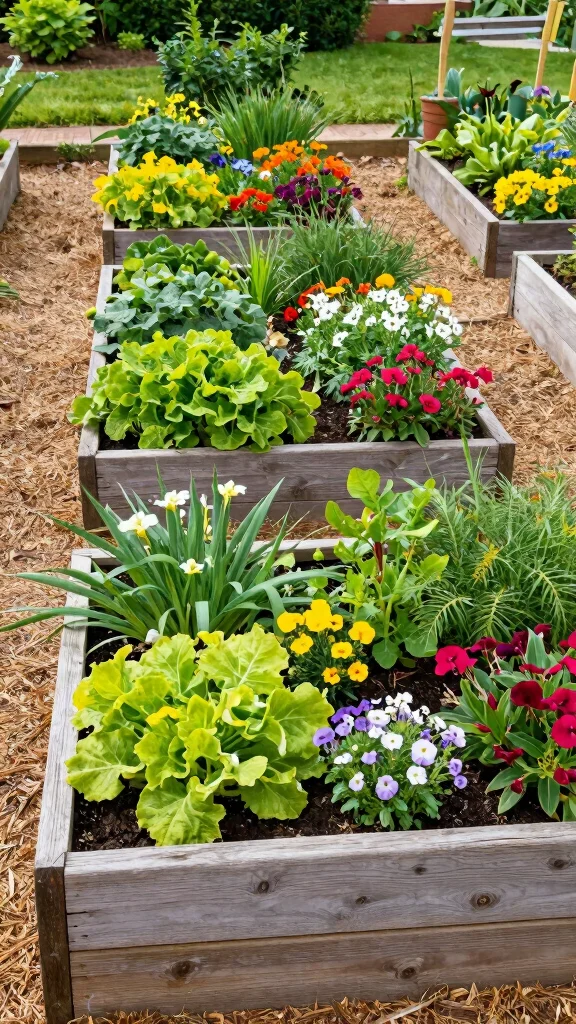
Raised garden beds combine practicality with visual appeal, making them ideal for urban gardeners. They offer excellent drainage, improved soil control, and accessibility for those with physical limitations. Furthermore, they add vertical interest to your landscape.
Construct your raised beds using durable, eco-friendly materials, such as cedar or reclaimed wood, and fill them with quality soil for optimal plant growth. When arranging your beds, consider height and spacing to ensure easy maintenance.
Implement these tips for your raised garden beds:
– Mix vegetables, herbs, and flowers for a productive garden
– Add trellises for climbing plants and added vertical space
– Use decorative borders to enhance visual appeal
These beds not only enhance your gardening experience but also bring beauty and structure to your outdoor space.
10. Fire Pits: Cozy Gatherings
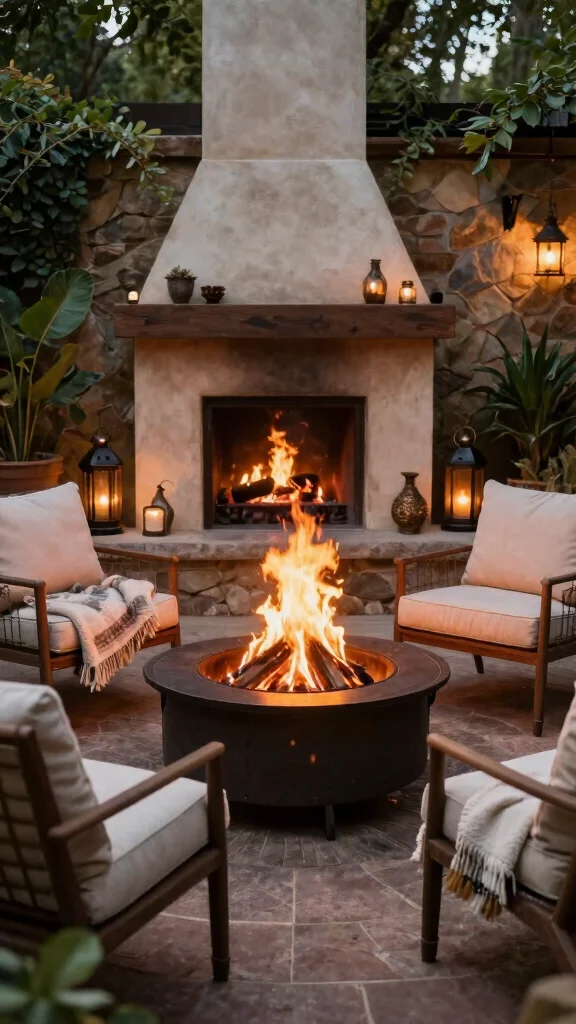
Integrating a fire pit into your garden design creates a warm, inviting gathering spot for friends and family. This feature serves as a focal point and encourages social interaction, making it perfect for entertaining or enjoying quiet evenings outdoors.
When selecting a fire pit, consider styles and materials that complement your garden aesthetic, from traditional stone designs to modern metal options. Surround your fire pit with comfortable seating and cozy blankets to enhance the ambiance.
Keep safety in mind with these considerations:
– Maintain a safe distance from flammable materials
– Have a fire extinguisher nearby for peace of mind
– Add decorative elements like outdoor pillows for comfort
This cozy addition transforms your garden into a welcoming retreat, perfect for creating lasting memories with loved ones.
11. Garden Pathways: Guiding the Eye
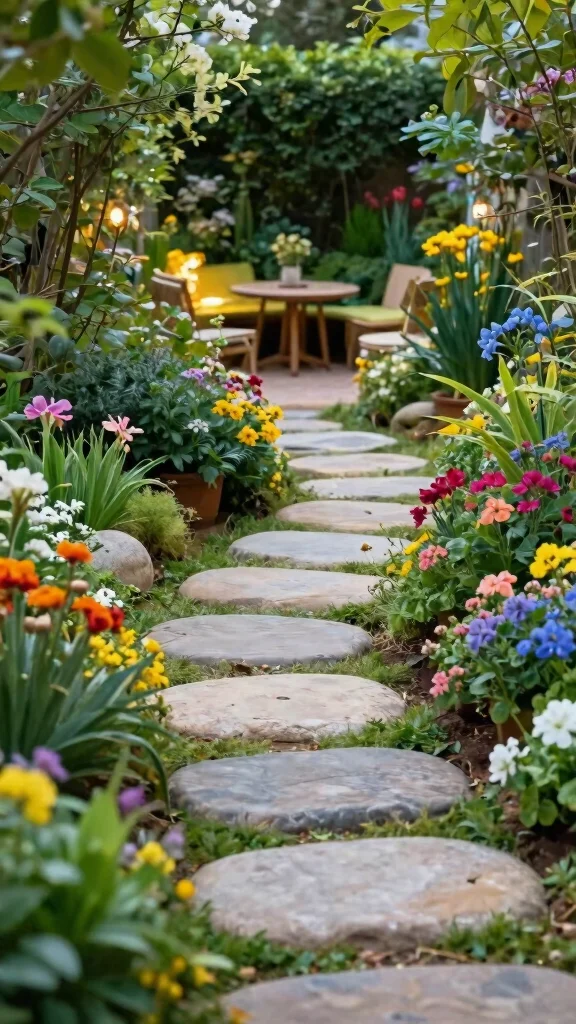
Pathways play a crucial role in garden design, guiding visitors through your landscape and providing structure. These paths can be constructed from various materials, such as stone, gravel, or grass, allowing you to customize the look and feel of your garden.
Consider how the pathway can lead to different areas of interest, like seating spots or water features. Curved pathways often create a more natural flow, while straight lines can lend a contemporary touch.
Enhance your pathways with these ideas:
– Add low lighting along the edges for safety and ambiance
– Plant along the sides to soften the lines
– Choose durable materials that require minimal maintenance
Well-designed pathways not only improve functionality but also enhance the overall beauty of your garden.
12. Container Gardens: Flexibility and Style
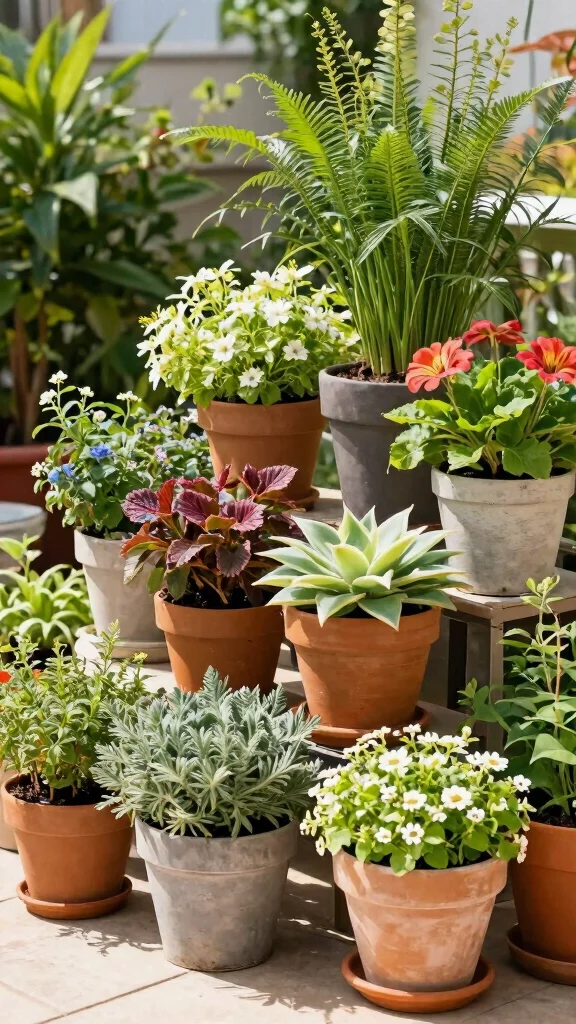
Container gardening offers a versatile and creative solution for urban spaces where traditional gardening may be limited. With a wide variety of pot sizes and styles available, you can create stunning arrangements that reflect your personal taste and suit your space.
Select containers that align with your garden theme, whether rustic, modern, or eclectic. Consider using self-watering pots or drip irrigation systems to simplify maintenance and ensure your plants thrive. Group containers at varying heights for visual interest and appeal.
Embrace these container gardening ideas:
– Mix plants with different textures for dynamic displays
– Use decorative pots to enhance your patio or balcony
– Change seasonal plantings for ongoing visual variety
This innovative approach adds life and color to your outdoor spaces, allowing for endless creativity.
Fun fact: Container gardens in small urban spaces can produce lush greenery with just 3–5 pots, a smart addition to your garden design ideas, arranged by height and texture. Pro tip: Mix self-watering pots with drip irrigation for effortless care and vibrant, thriving plants.
13. Aromatic Gardens: Scented Retreats
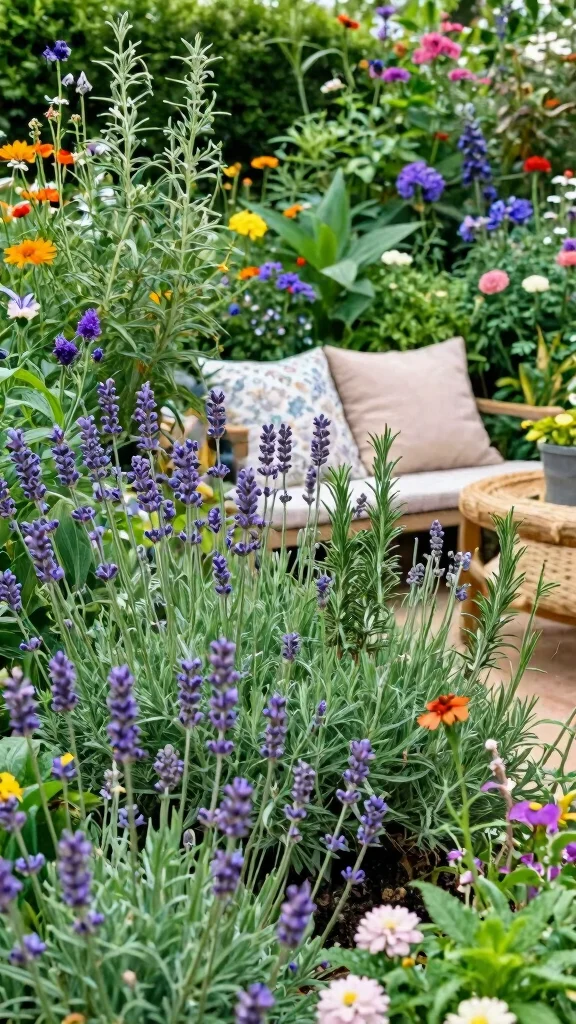
Aromatic gardens provide a sensory delight, inviting you to enjoy the wonderful scents of herbs and flowers. These spaces can serve as peaceful retreats, with fragrant plants enriching your outdoor living experience. Picture yourself sipping tea on your patio, surrounded by the soothing aromas of lavender and rosemary.
When designing an aromatic garden, choose plants that thrive in your climate and provide varying scents throughout the seasons. Position fragrant herbs near seating areas or pathways for maximum enjoyment, and consider adding features like herb spirals for both functionality and visual interest.
Incorporate these elements into your aromatic garden:
– Mix textured plants for a multi-layered experience
– Create pathways that encourage close encounters with aromas
– Select flowers that bloom at different times for year-round scent
This thoughtful design elevates your outdoor space, making it a tranquil haven for relaxation and enjoyment.
Fun fact: Aromatic gardens can boost mood and calm—studies suggest lavender and rosemary scents may lower stress hormones by up to 20%. Place fragrant herbs near seating to turn your garden design ideas into a scented retreat you actually enjoy.
14. Colorful Planting Schemes: Brighten Your Space
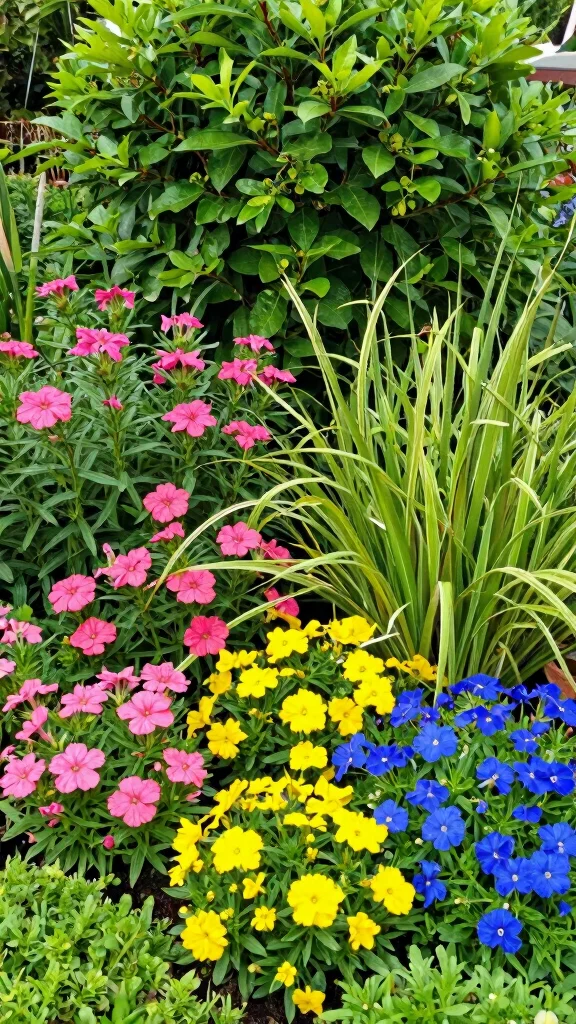
Bold colors in your planting schemes can dramatically enhance the mood of your garden. Vibrant hues add warmth and cheerfulness, making your outdoor space feel lively and inviting. Think about color combinations that complement each other, such as bright flowers paired with lush green foliage.
When designing your colorful garden, consider bloom times to ensure a continuous display throughout the seasons. Grouping plants by color themes can create striking focal points or stunning contrasts that catch the eye.
Explore these ideas for colorful planting:
– Rotate seasonal blooms for ongoing excitement
– Mix flowers with vegetables for beauty and utility
– Experiment with unique color pairings for a dynamic effect
This vibrant approach brings joy to your garden, creating a cheerful and welcoming atmosphere.
15. Year-Round Interest: Seasonal Planning
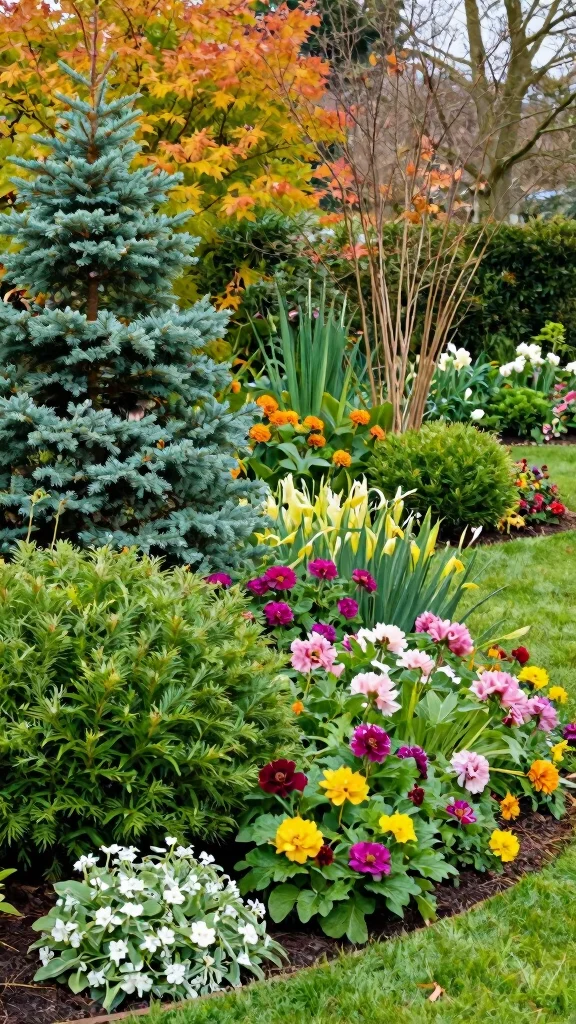
To create a garden that remains captivating throughout the year, thoughtful planning and diverse plant selections are essential. Including evergreen plants, flowering perennials, and seasonal bulbs ensures your garden stays visually appealing in every season. This diversity also supports local wildlife, providing habitats and food sources.
Select plants that offer varied bloom times and foliage colors, mixing textures, heights, and growth habits for added visual interest. Layering plants effectively can provide depth, especially during winter months when deciduous plants shed their leaves.
Consider these strategies for year-round interest:
– Incorporate ornamental grasses for seasonal beauty
– Embrace the unique appeal of each season
– Plan for foliage changes to keep the garden dynamic
This strategic plant selection creates a landscape that is both beautiful and supportive of the local ecosystem.
16. Wildlife-Friendly Gardens: Nurturing Nature
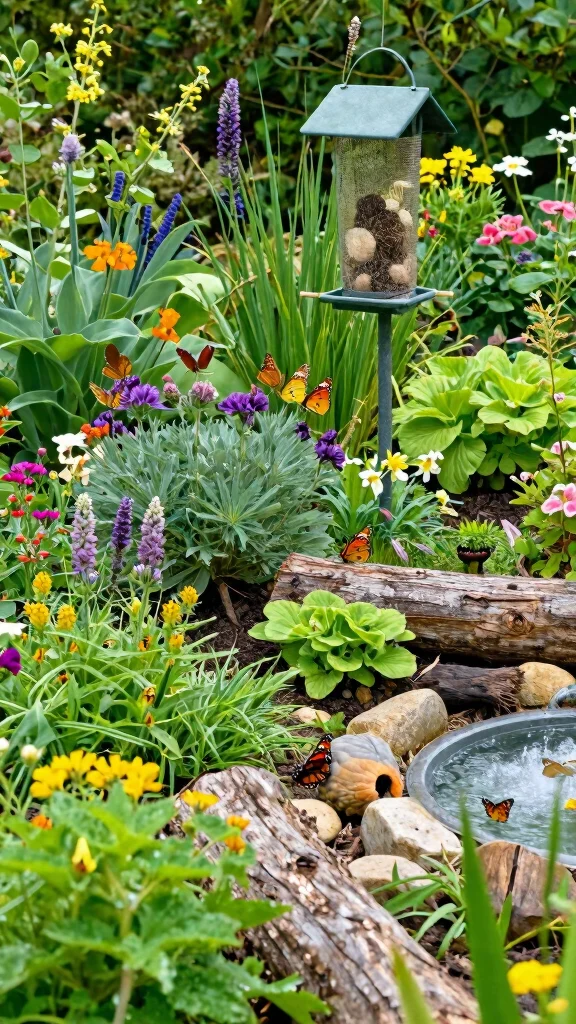
Creating a wildlife-friendly garden is a rewarding way to support local ecosystems and foster biodiversity. By including elements that attract beneficial insects, birds, and butterflies, you can create a lively habitat right in your backyard. This commitment not only enhances your garden but also contributes to a healthier environment.
Incorporate native plants, flowering beds, and shrubs that provide food and shelter for wildlife. Adding bird feeders, water features, and insect hotels can further enhance the habitat. Avoid using pesticides to maintain safety for all creatures.
Implement these ideas for a wildlife-friendly garden:
– Create natural shelters with logs and stones
– Plant a variety of species to attract different wildlife
– Provide water sources for drinking and bathing
This approach not only supports nature but also offers a delightful space for observing local wildlife.
17. Creative Edges: Framing Your Garden
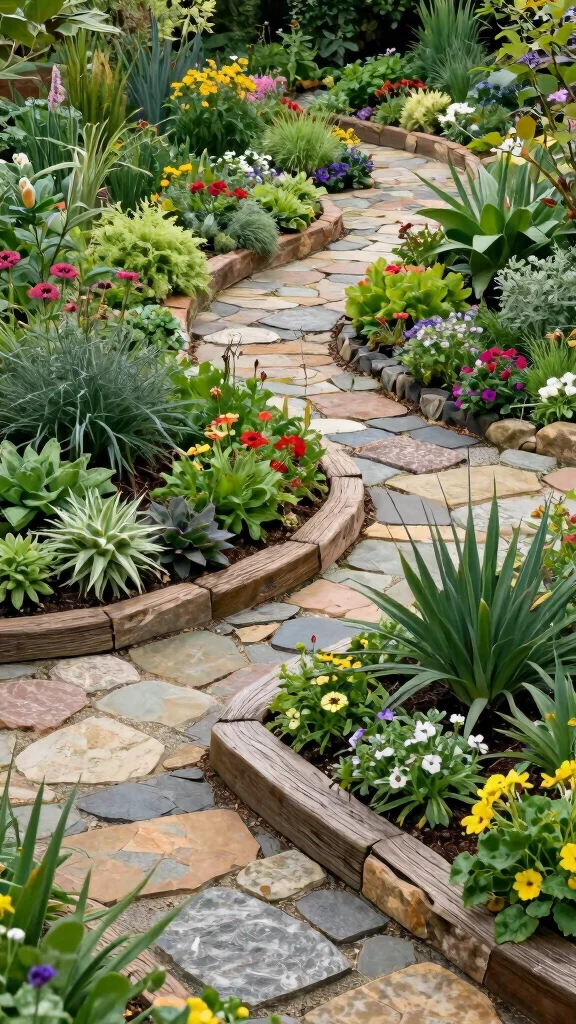
Creative garden edges act as a transition between different areas of your landscape, adding definition and style. This element allows you to express your creativity while providing practical benefits, such as controlling soil erosion and keeping plants in place.
Consider various edging materials like wood, stone, or metal that complement your garden theme. Curved edges can create a more organic feel, while straight lines lend a more formal look. Using plants or decorative fences can add character and charm to the borders.
Explore these ideas for your garden edges:
– Layer plants to create depth along the borders
– Use stones or bricks for a polished finish
– Design edges that enhance the overall aesthetics of your garden
Well-defined edges elevate your garden’s beauty while enhancing its functionality.
18. Garden Decor: Personal Touches

Adding personal decor to your garden allows you to showcase your personality and style. From unique sculptures and garden art to decorative planters and whimsical wind chimes, these elements bring character and charm to your outdoor space. Thoughtfully chosen decor can transform a simple garden into a magical retreat.
Look for decor that resonates with your taste, including pieces that tell a story or hold sentimental value. DIY projects can also provide a fun way to insert personal touches, such as painted stones or handmade signs.
Balance decor with nature by selecting items that complement rather than overpower your plants. Choose a few standout pieces that serve as focal points to enhance your garden’s overall appeal.
This personal touch creates a unique atmosphere, making your outdoor space feel truly special.
Garden decor is where your personality blooms—decorate with pieces that tell a story and spark joy. A DIY planter or unique sculpture isn’t just pretty; it’s a little memory you can water every season. When your space reflects you, garden design ideas feel effortless.
19. Outdoor Art: Nature Meets Creativity

Incorporating outdoor art into your garden design beautifully merges nature with creativity. Whether large sculptures or hanging art pieces, these installations can create stunning focal points that inspire awe. Art can spark conversations and enhance your relaxation experience in the great outdoors.
When choosing art for your garden, consider weather-resistant materials that harmonize with your landscape. Create a cohesive theme by selecting pieces that reflect your personal style or the natural environment. Don’t hesitate to feature local artists or artwork inspired by your surroundings.
Position art strategically to surprise and delight as visitors explore your garden. This unique touch can elevate the atmosphere, transforming your landscape into a living gallery that captivates the imagination.
By blending art with nature, you create a vibrant space that encourages creativity and connection.
20. Community Gardens: Sharing the Love

Community gardens offer a wonderful opportunity to engage with neighbors and share the joys of gardening. These collaborative spaces promote sustainability and local food production while fostering a strong sense of community. By participating in a community garden, you can learn from others, exchange resources, and grow fresh produce together.
Each member can cultivate their own plot or contribute to a communal area, providing a fantastic way to meet new people and share gardening tips. Consider organizing workshops or events to encourage collaboration and education within the group.
The diversity of plants and shared effort create a lively atmosphere, making community gardens essential parts of urban ecosystems. They represent the power of collective action and the joy of working toward a common goal, enriching both your community and your gardening experience.
Conclusion
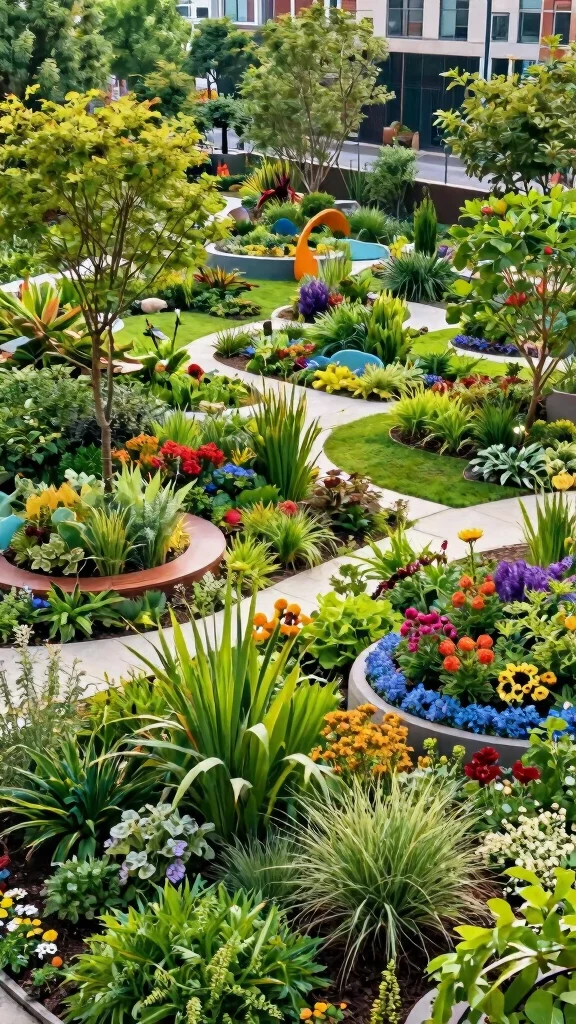
Embracing modern garden design concepts not only beautifies your landscape but also contributes to sustainable living. From vertical gardens to community initiatives, each idea offers unique benefits that can enhance your outdoor experience. Consider which trends resonate with you and start crafting your perfect garden oasis! Let’s redefine urban living together, one beautiful garden at a time.
Frequently Asked Questions
What are the essential garden design ideas for a modern landscape upgrade?
A great modern landscape starts with clear goals and a smart plan. Begin by assessing your site, climate, and sunlight to guide plant choices and layout. Focus on garden design ideas that blend form with function: drought-tolerant perennials, vertical gardens, permeable pathways, and sustainable irrigation.
Add outdoor living spaces with comfortable seating, lighting, and weatherproof furniture. Finally, choose a cohesive color palette and materials to keep the design feeling unified and low-maintenance.
How can I implement sustainable urban garden design ideas in a small outdoor space?
Small urban spaces can shine with clever planning. Start with container gardens, hanging planters, and a vertical wall to maximize growing area. Use sustainable urban garden design ideas like native, drought-tolerant plants, rainwater harvesting, and permeable pavers to reduce runoff.
Incorporate smart irrigation and composting, plus compact seating to create outdoor living spaces that feel big despite the size.
What are practical tips to maximize outdoor living spaces with modern landscaping?
Prioritize flow by zoning areas for cooking, dining, and lounging. Choose modern landscaping features like clean lines, a restrained color palette, and durable materials. Use vertical greenery or trellises for privacy without taking up ground space.
Select weatherproof furniture, ambient lighting, and efficient irrigation to keep maintenance low. Finally, plant selection should align with light and water needs to maintain a cohesive, sustainable design.
Which contemporary garden styles are best for urban, limited-space lots?
Urban lots thrive with contemporary styles that emphasize simplicity and scale. Try minimalist or Japandi-inspired layouts for clean lines and calm color schemes. Living walls, modular planting, and modular hardscaping help maximize space while staying flexible.
Native and drought-tolerant plants keep maintenance low and sustainability high. Match textures, materials, and garden decor tips to create a cohesive modern look.
How can I refresh my landscape design inspiration with garden decor tips?
Start with a mood board that combines textures, colors, and plants. Explore landscape design inspiration from real-life gardens and contemporary garden styles to see what resonates with your space. Use scalable elements like container gardens, modular seating, and statement features to adapt ideas to garden design ideas for your own yard.
Finish with practical steps: outline a budget, source sustainable materials, and plan a phased implementation so you can enjoy the upgrade as you go.
Related Topics
garden design ideas
modern landscaping
sustainable gardening
outdoor living spaces
contemporary garden styles
landscape design inspiration
beginner friendly
DIY garden decor
urban garden design
minimalist garden
seasonal planting
easy landscaping
Leave a Reply