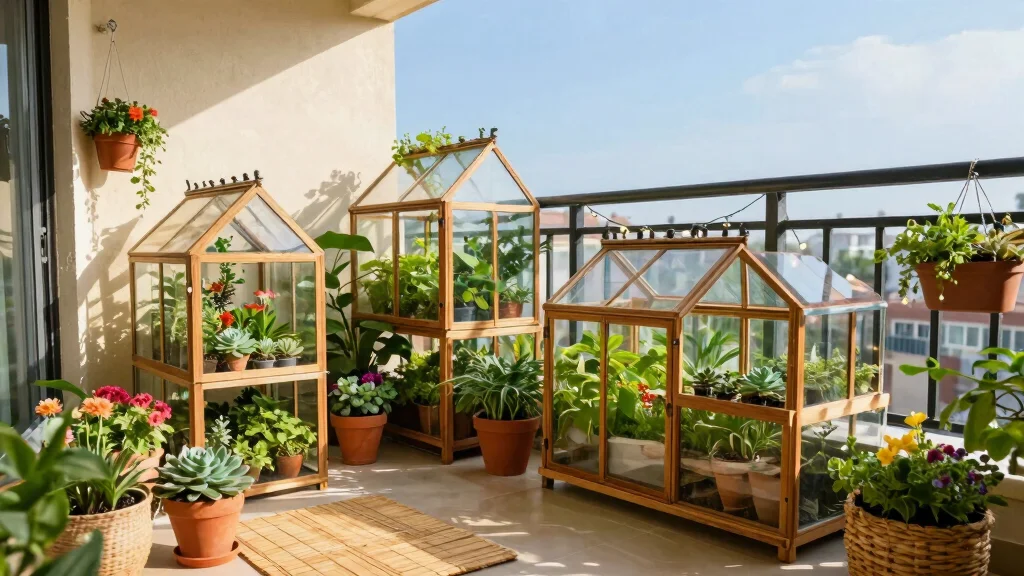
Creating a mini greenhouse has been on my mind lately as I’ve been itching to grow fresh herbs and vegetables, even in the smallest of spaces. If you’re like me and feel the pull of gardening but face limited room, you’re going to love this post. Small space gardening is not just a trend; it’s a way to connect with nature and produce your own food, no matter where you live. These DIY mini greenhouse ideas will inspire you to transform even the tiniest nooks of your home into green havens.
Whether you have a balcony, a small backyard, or just a sunny windowsill, these projects are designed for urban gardeners who want to make the most of what they have. If you care about sustainable home decor and love the idea of container gardening, you’re in the right place. I’ve gathered 18 creative and practical mini greenhouse ideas that are not only easy to implement but also add a touch of charm to your living space.
With these ideas, you’ll learn how to repurpose common materials, like old window frames and pallets, to create your own mini greenhouse. Each project is budget-friendly and perfect for anyone, whether you’re a gardening novice or a seasoned pro. Let’s dive in and explore these 18 DIY mini greenhouse ideas that can breathe life into your small space!
Key Takeaways
– Discover 18 unique DIY mini greenhouse ideas that fit into small spaces and suit various gardening styles.
– Learn how to repurpose items like old window frames and pallets to create eco-friendly greenhouses.
– Explore practical tips for urban gardening solutions and sustainable home decor that brighten up your home.
– Get inspired to grow your own herbs and vegetables, regardless of your garden size.
– Find step-by-step guides that ensure each mini greenhouse project is easy to follow and budget-conscious.
1. Window Frame Mini Greenhouse
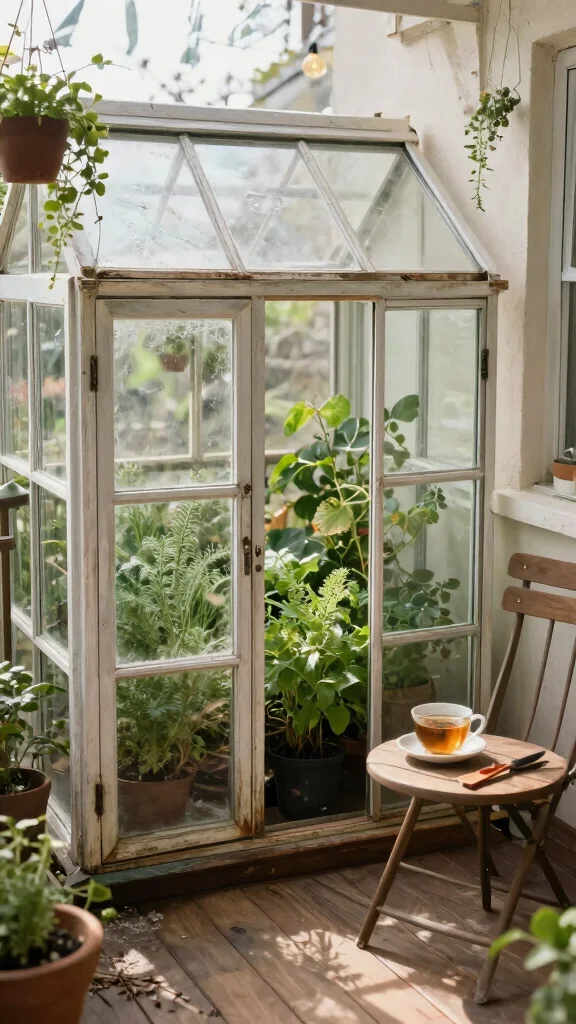
Repurposing old window frames into a mini greenhouse is a delightful way to merge vintage charm with eco-friendliness. This design allows sunlight to filter through the glass panes, creating a cozy habitat for your herbs or small plants while protecting them from harsh weather. Imagine placing this lovely structure on a sunlit balcony or right by your kitchen window, inviting nature indoors.
To implement this idea, gather a few window frames and hinge them together, ensuring they are secure. Look for low-cost frames at thrift stores or garage sales to stay budget-friendly. This project not only adds character to your space but also connects you to the broader trend of upcycling in home decor.
Consider these tips to create your window frame greenhouse:
– Pair vintage frames with vibrant green plants for a stunning contrast
– Install on a sunny balcony or indoor window ledge for optimal light
– Use weather seals to keep your plants safe from drafts
This charming greenhouse not only enhances your decor but also provides a nurturing environment for your plants, showcasing the beauty of natural materials in your home.
2. Pallet Greenhouse

Transforming wooden pallets into a mini greenhouse is a practical solution for small gardening spaces. With pallets readily available and often free, you can create a vertical garden that not only saves space but also adds an artistic touch to your outdoor or indoor area. Imagine a vibrant display of herbs flourishing in a stacked pallet structure, maximizing your growing potential.
To get started, stack the pallets vertically or lay them flat, then cover with clear plastic to create the greenhouse effect. Look for pallets that are clean and untreated for a safe growing environment. This project is aligned with the sustainable living trend, allowing you to grow fresh herbs in an eco-friendly way.
Try these ideas for your pallet greenhouse:
– Incorporate vertical planting to maximize space and variety
– Use sturdy pallets to hold multiple layers of plants
– Customize the size to fit your available space
This pallet greenhouse not only enhances your gardening potential but also adds rustic charm to your decor, creating a lovely focal point in your home.
3. Old Shower Curtain Greenhouse
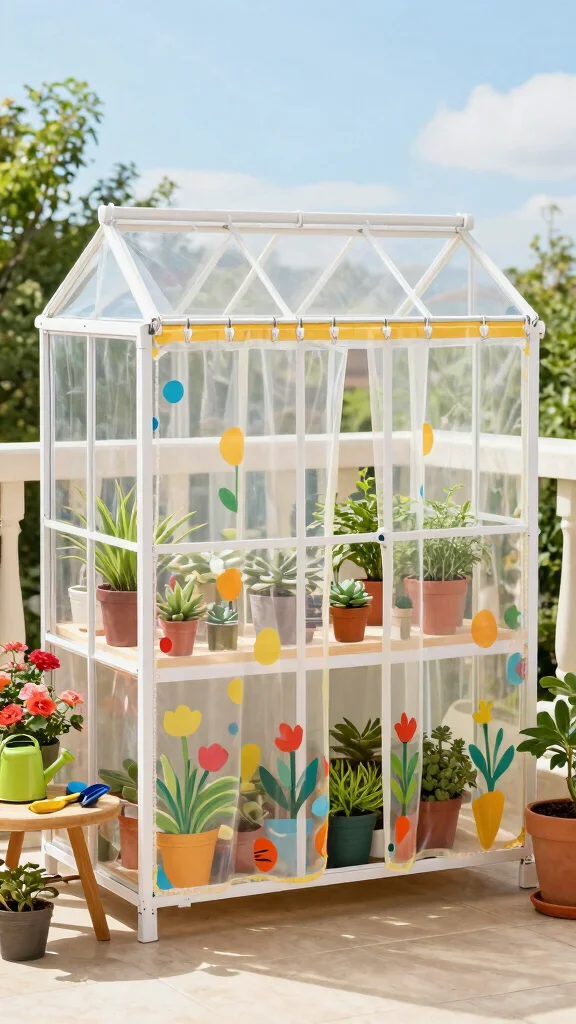
An old shower curtain can become a whimsical mini greenhouse, adding a fun twist to your gardening projects. By using a simple frame made of PVC pipes or wood, you can create a playful garden space that is both functional and stylish. The curtain provides a waterproof barrier, allowing you to regulate temperature and moisture while adding a splash of color to your urban garden.
For implementation, attach the upcycled shower curtain to your frame, ensuring it’s secure. Look for curtains that allow sunlight to penetrate for optimal growth. This project is a reflection of the creative reuse trend, making gardening accessible and exciting.
Consider these tips for your shower curtain greenhouse:
– Use lightweight frames for easy movement and repositioning
– Securely anchor the structure to withstand wind
– Choose colorful curtains to enhance visual appeal
This quirky greenhouse adds a playful element to your decor while providing a nurturing home for your plants, showcasing your creative spirit in gardening.
4. Glass Jar Terrarium
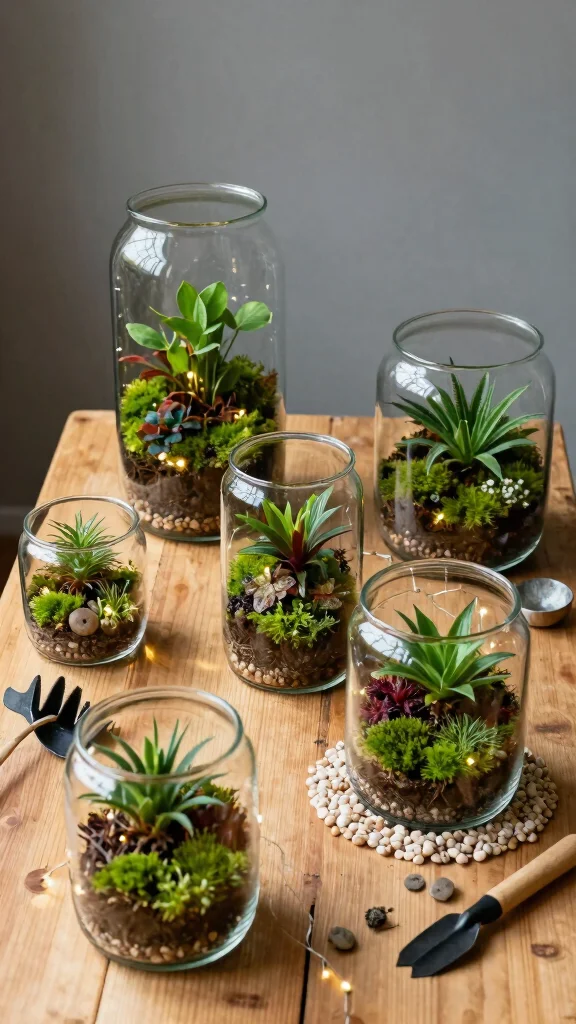
Glass jars make perfect mini greenhouses for tiny plants or seedlings, allowing you to create stunning terrariums right at home. This design not only looks beautiful but also establishes a self-sustaining ecosystem for your plants. Imagine layering gravel, activated charcoal, and potting soil to create a lush habitat for small plants or moss, all while showcasing your gardening creativity.
To implement this idea, simply fill your jars with the appropriate layers and plant your chosen greens. Look for jars of varying sizes at thrift stores or reuse your own. This project aligns with the growing trend of indoor gardening, where aesthetics meet functionality.
Here are some tips for creating your glass jar terrarium:
– Use a long spoon to easily plant in deeper jars
– Incorporate decorative stones or figurines for added interest
– Monitor moisture levels to prevent root rot
These terrariums not only bring a slice of nature indoors but also provide a unique way to express your personal style in home decor.
5. DIY Hoop House
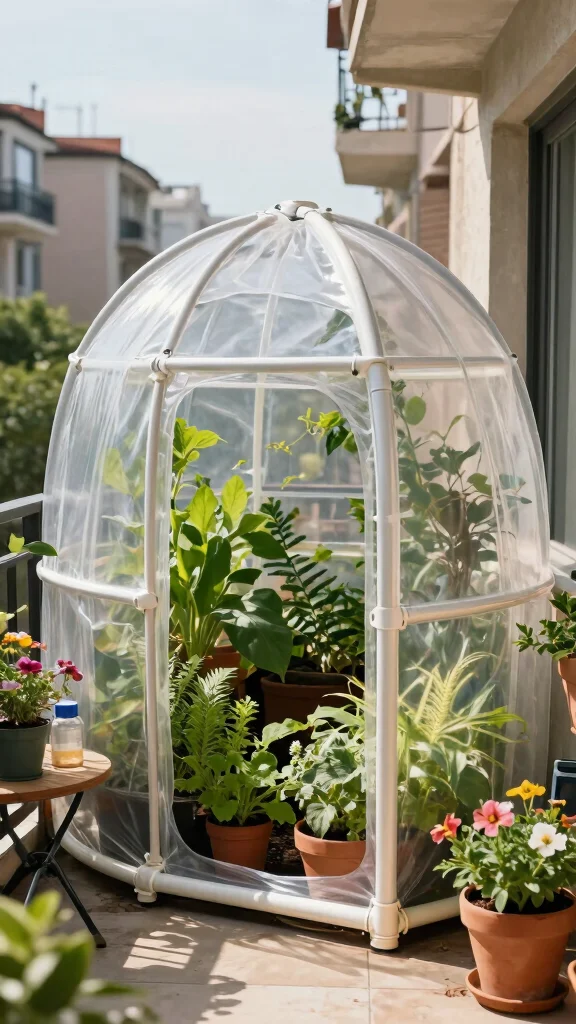
If you’re ready to expand your mini greenhouse ideas, a DIY hoop house is an excellent option. This structure, made from simple materials like PVC pipes, allows for ample sunlight while creating a warm environment for your plants. Picture a vibrant collection of vegetables or flowers flourishing in this spacious greenhouse, all year long, despite the weather outside.
To create your hoop house, construct a frame using flexible tubing and cover it with clear plastic sheeting. This setup is perfect for urban gardeners who appreciate versatility and the ability to grow a variety of plants. It’s a fantastic way to embrace the seasonal gardening trend, extending your growing season significantly.
Implement these ideas for your DIY hoop house:
– Secure the plastic tightly to prevent wind damage
– Use weights to hold down edges during storms
– Customize the size based on your available growing space
This hoop house not only maximizes your gardening potential but also adds a practical touch to your outdoor space, enhancing your overall gardening experience.
6. Recycled Glass Bottle Greenhouse
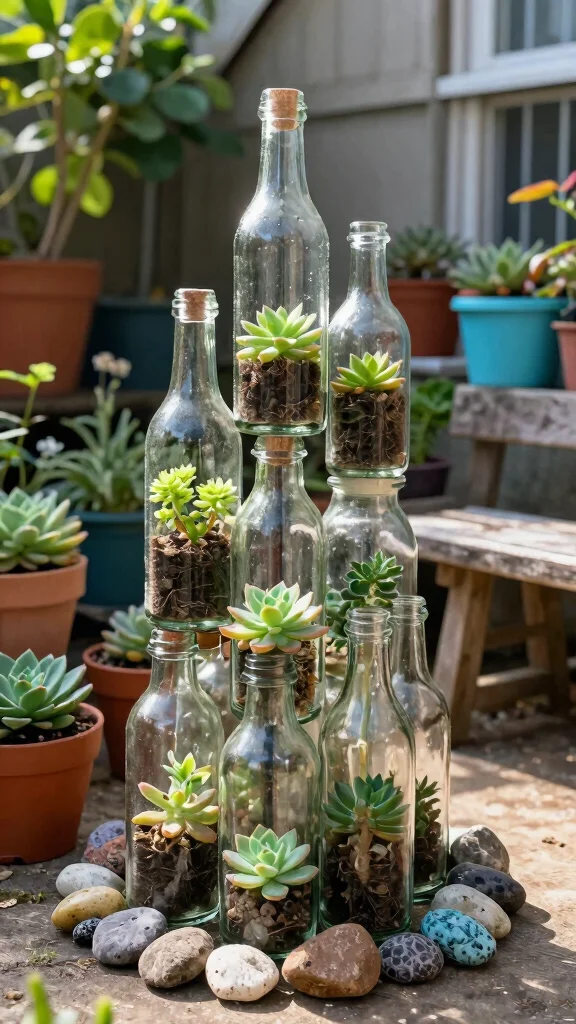
Using recycled glass bottles to create a mini greenhouse is a fantastic way to blend sustainability with creativity. Stacked or connected, these bottles form a unique structure that allows sunlight to pour in while providing a protective enclosure for your plants. Imagine the artistic flair this greenhouse adds to your garden space, showcasing your commitment to eco-friendly practices.
To get started, clean and prepare your glass bottles, ensuring they are free from residue. Arrange them securely to create a stable structure. This project fits perfectly within the trend of upcycling, allowing you to express your style while caring for the environment.
Consider these tips for your glass bottle greenhouse:
– Use a mix of bottle shapes and sizes for visual interest
– Ensure proper drainage for plants to thrive
– Securely attach bottles to prevent shifting
This greenhouse is not only a stunning conversation piece but also a creative solution to showcase your gardening efforts while being environmentally conscious.
7. Simple Shelving Unit Greenhouse
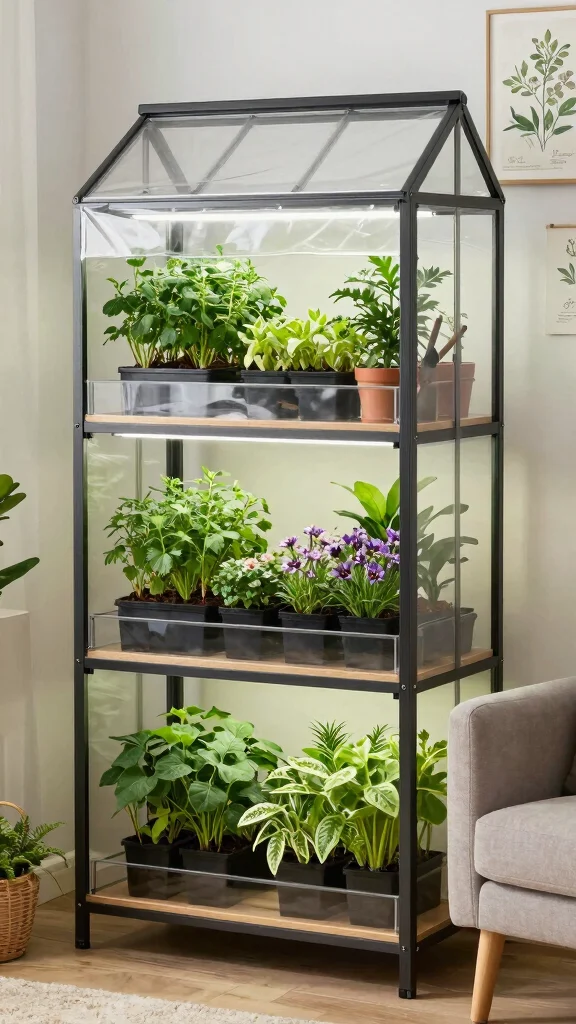
Transforming a simple shelving unit into a greenhouse is a practical and stylish solution for organizing your plants. This approach allows you to maximize your growing space while ensuring easy access to your herbs and flowers. Imagine a neatly arranged shelving unit filled with vibrant plants, seamlessly blending into your home decor.
To create your greenhouse, place plants on the shelves and cover them with plastic sheeting. Look for shelving units that fit well in your kitchen or balcony space. This project embodies the trend of multi-functional furniture, offering both storage and gardening solutions.
Try these tips for your shelving unit greenhouse:
– Use adjustable shelves to accommodate varying plant heights
– Incorporate grow lights for low-light areas
– Position near a window for natural light
This versatile greenhouse not only enhances your gardening experience but also adds a touch of greenery to your home, making it a stylish addition to your decor.
8. Vintage Suitcase Greenhouse

Repurposing a vintage suitcase into a mini greenhouse creates a unique and charming addition to your home. This creative project allows you to showcase small plants or succulents while adding character to your decor. Picture a beautifully lined suitcase filled with greenery, serving as a whimsical centerpiece for your living space.
To implement this idea, open the suitcase, line it with a plastic cover, and arrange your plants inside. Look for suitcases at thrift stores or garage sales for a budget-friendly option. This project embraces the trend of vintage decor, allowing you to express your personal style.
Consider these tips for your suitcase greenhouse:
– Create drainage holes if using soil directly
– Add decorative elements like pebbles for visual appeal
– Position in a bright area for optimal plant growth
This vintage suitcase greenhouse not only showcases your plants but also tells a story, making it a delightful conversation starter in your home.
You might also like
Difficulty Rating & Requirements
Overall Difficulty Rating: Medium
Creating a DIY mini greenhouse can be moderately challenging, depending on the design you choose. Most projects require basic woodworking or crafting skills, making them suitable for hobbyists or individuals with a bit of experience in home improvement. If you have a creative mindset and are willing to learn, you’ll find that it’s manageable and fun!
Time Estimate:
⏱ Estimated time: 2 to 8 hours
Time varies based on the complexity of your chosen greenhouse style. For simpler designs like a mason jar greenhouse, expect around 2 hours. In contrast, a pallet greenhouse may take up to 8 hours, depending on your preparation and assembly speed. Plan extra time for any unforeseen issues that may arise.
Skill Requirements:
– Required skills: Basic carpentry, crafting, and possibly some painting or sealing techniques
– Beginner-friendly: Yes
Most projects have clear instructions, making them suitable for beginners. You can learn skills like measuring, cutting, and assembling as you go. However, some designs may benefit from prior experience, especially with tools.
– Skills that can be learned: Measuring, cutting, and basic assembly
– Skills requiring experience: Advanced woodworking or electrical work if you plan to incorporate heating or lighting.
Tools & Materials Needed:
🧰 Essential items checklist:
– Wood or pallets (required)
– Hinges and screws (required)
– Plastic sheeting (required for moisture retention)
– Tools (saw, screwdriver, measuring tape – all required)
– Paint or sealant (optional for added weather protection)
– Old furniture or containers (optional for unique designs)
– Wire mesh (optional for added durability)
– Plants or seeds (required for your greenhouse to fulfill its purpose)
Step-by-Step Overview:
1. Planning (1-2 hours): Decide on the design and measure the space available. Make a list of materials and tools needed. Sketch your greenhouse layout if you’re feeling creative.
2. Gathering Materials (1-3 hours): Collect everything on your checklist, ensuring you have all necessary items before starting. This includes visiting local hardware stores or recycling materials from home.
3. Construction (2-4 hours): Follow the design instructions step-by-step. Begin by building the frame and then add any panels or coverings. This phase can vary significantly in time based on the complexity of the design chosen.
4. Finishing Touches (1-2 hours): Once the structure is built, add any final elements like paint, sealant, or shelves for plant placement. Ensure everything is secured and ready to withstand the elements.
5. Planting (1 hour): Now comes the fun part! Plant your seeds or transfer your plants into the greenhouse. Make sure to give them the right space and care.
Professional vs DIY: Rough cost comparison for a basic greenhouse ranges from $100 to $300 for DIY projects, depending on materials used. In contrast, purchasing a ready-made greenhouse can cost anywhere from $500 to $2,000, depending on size and quality. If you’re comfortable with tools and enjoy hands-on projects, DIY could save you money while providing a rewarding experience. However, if you’re short on time or prefer a polished finish, hiring a professional might be the better route.
9. Mason Jar Greenhouse

Mason jars offer a compact and charming solution for a mini greenhouse, perfect for small plants and herbs. These delightful containers create a humid microclimate that nurtures growth, while their aesthetic appeal adds charm to any space. Imagine rows of colorful herbs thriving in mason jars lined on your kitchen counter.
To create your mason jar greenhouse, fill jars with soil and plant your chosen seeds or small plants. Place them on a sunny windowsill for the best results. This project is a fun way to engage kids in gardening while embracing the trend of indoor plant care.
Here are some tips for your mason jar greenhouse:
– Use various jar sizes for visual diversity
– Remember to open lids occasionally for fresh air
– Monitor moisture levels to prevent rot
Mason jar greenhouses combine functionality with creativity, making them a delightful addition to your home decor while encouraging a love for gardening.
10. Plastic Container Greenhouse

Repurposing plastic containers into a mini greenhouse is a budget-friendly and practical gardening solution. Clear containers, such as takeout boxes, allow you to create a portable greenhouse while keeping your seedlings safe. Picture a row of vibrant seedlings growing strong in their plastic homes, ready to be transplanted into your garden.
To implement this idea, cut holes for ventilation while keeping the lid on. Look for any clear containers at home, ensuring they are clean and suitable for planting. This project aligns with the trend of eco-conscious gardening, encouraging resourcefulness in urban spaces.
Consider these tips for your plastic container greenhouse:
– Regularly check for excess moisture or mold
– Label containers to track your seedlings
– Ensure proper drainage for healthy growth
This plastic container greenhouse is a clever way to encourage your love for gardening in small spaces, proving that you can grow your plants sustainably and stylishly.
Fun fact: a basic plastic takeout container can kickstart 6-8 seedlings as a DIY mini greenhouse. By adding 3 ventilation holes and keeping the lid on, you create a portable, budget-friendly starter system. Clean containers boost germination and transplant success in days.
11. Wire Mesh Greenhouse

Creating a mini greenhouse using wire mesh is a brilliant way to ensure good airflow while protecting your plants from pests. This structure allows for a sturdy framework that can be easily built, providing a safe environment for your greens. Imagine a flourishing garden of climbing plants thriving in a wire mesh setup, maximizing your vertical space.
To build your wire mesh greenhouse, construct a frame from wooden posts and cover it with wire mesh and a clear plastic top. This design is perfect for urban gardeners looking to utilize every inch of space while embracing the trend of vertical gardening.
Consider these tips for your wire mesh greenhouse:
– Secure the frame to withstand wind and weather
– Incorporate shelves for additional planting space
– Regularly check for any wear and damage
This wire mesh greenhouse not only keeps your plants safe but also adds a modern touch to your gardening efforts, making it a smart choice for small urban spaces.
12. Clear Plastic Tub Greenhouse
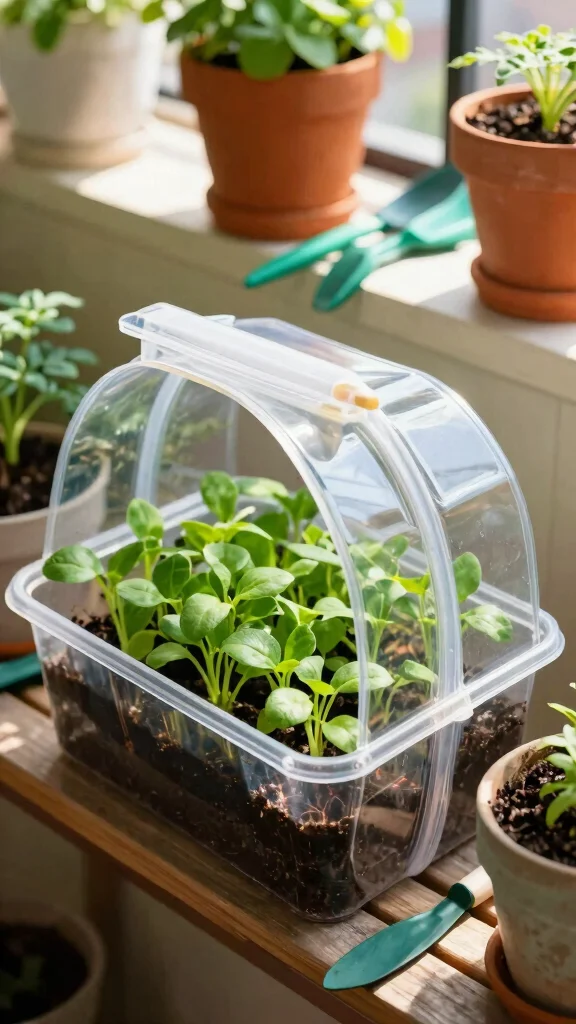
Using a clear plastic tub as a mini greenhouse is a simple yet effective gardening solution, particularly for starting seedlings or small herbs. This method creates a warm and humid environment perfect for nurturing your plants. Picture a sunny windowsill adorned with clear tubs, each housing thriving greens ready to flourish.
To create your greenhouse, fill the tub with soil and seeds, then cover with the clear lid for optimal warmth. Look for any plastic containers you already have at home to keep costs low. This project aligns with the trend of accessible gardening, making it easy for beginners to get started.
Here are some tips for your clear plastic tub greenhouse:
– Provide drainage holes to prevent water accumulation
– Label your plants for easy identification
– Monitor light exposure to prevent leggy growth
This clear plastic tub greenhouse simplifies urban gardening, allowing you to start your plants with ease while enjoying the benefits of fresh herbs at home.
Did you know a clear plastic tub can turn any small space into a diy mini greenhouse? It traps warm, humid air, nudging seedlings toward vigor. Fill with soil, seeds, and a lid—then vent small openings as needed for steady growth.
13. Old Furniture Mini Greenhouse
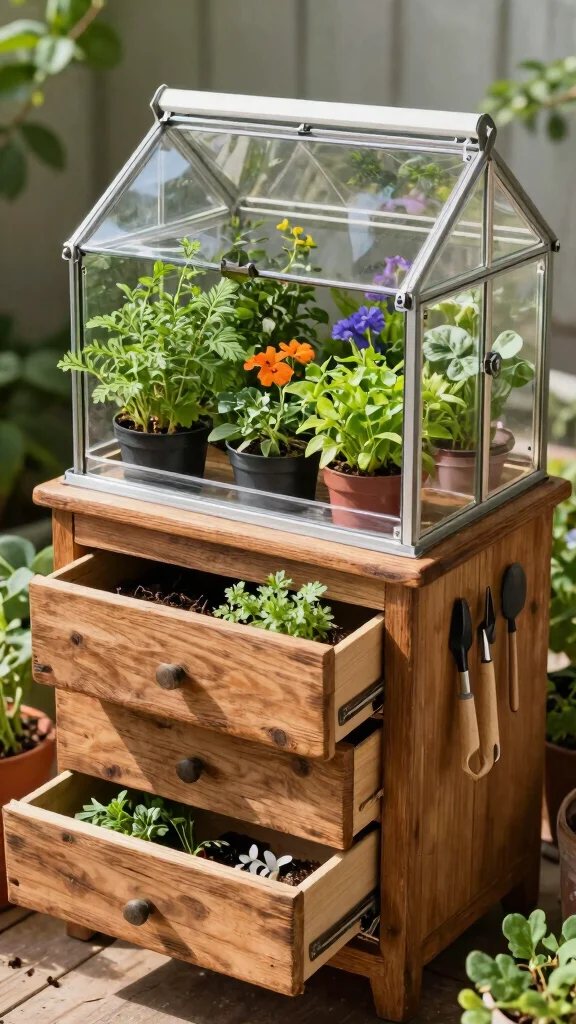
Repurposing old furniture, like dressers or cabinets, into mini greenhouses is a stylish and creative way to indulge your love for gardening. This project allows you to add a unique touch to your decor while utilizing unused furniture effectively. Imagine an old dresser filled with vibrant herbs or flowers, providing a striking focal point in your home.
To implement this idea, remove drawers or doors, line the interior with plastic, and fill it with plant containers. Look for furniture pieces that you can upcycle for a budget-friendly option. This project reflects the trend of sustainable decor, showcasing your innovative spirit while gardening.
Consider these tips for your furniture greenhouse:
– Ensure proper drainage for healthy plants
– Position near a light source for optimal growth
– Customize the finish to match your decor style
Repurposing old furniture not only enhances your decor but also creates a beautiful garden space, allowing you to showcase your creativity in gardening.
14. Hanging Bottle Greenhouse
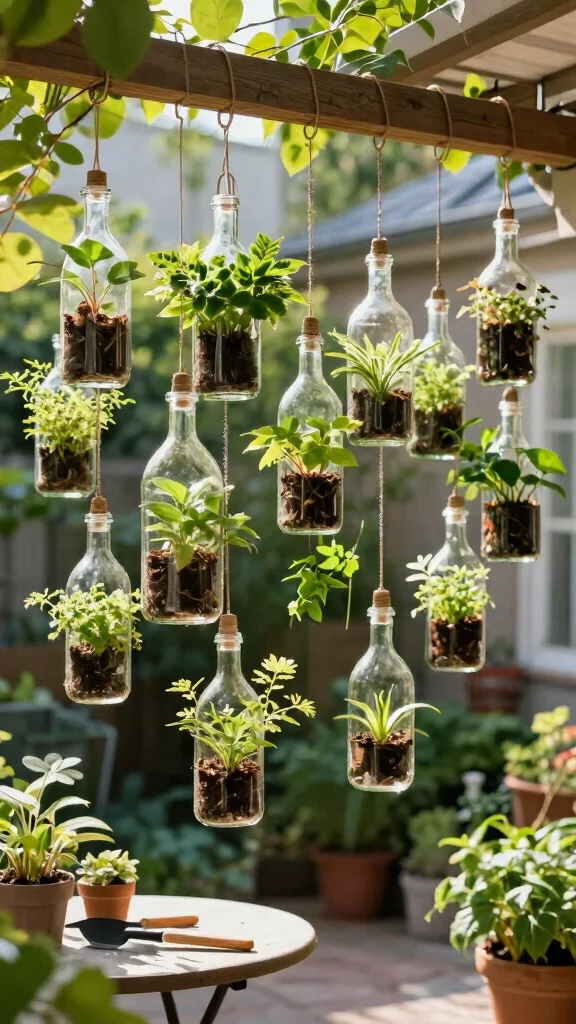
Creating a vertical garden with hanging bottles is an innovative way to maximize your small space. This unique method allows you to grow herbs or small plants without taking up valuable floor area. Imagine a stunning display of green cascading from your walls, transforming your urban environment into a vibrant garden.
To implement this idea, cut the bottoms off PET bottles, fill them with soil, and hang them securely in a sunny spot. Look for sturdy twine or hooks to ensure your bottles are safely suspended. This project embraces the trend of vertical gardening, where creativity meets functionality.
Consider these tips for your hanging bottle greenhouse:
– Use strong materials to ensure stability
– Group different plants for visual diversity
– Regularly check for drainage and moisture levels
This hanging bottle greenhouse not only showcases your plants creatively, but it also adds an artistic touch to your space, proving that gardening can be both practical and beautiful.
15. Bamboo Frame Greenhouse

Constructing a lightweight greenhouse with bamboo sticks offers an eco-friendly solution with a natural aesthetic. Bamboo is not only sturdy but also visually appealing, enhancing the beauty of your garden. Picture a lovely array of climbing plants thriving in a bamboo structure, seamlessly blending with your surroundings.
To create your bamboo frame greenhouse, build a framework using bamboo sticks and cover it with clear plastic or mesh. This design is perfect for urban gardeners who want to utilize vertical space while embracing sustainable materials. It reflects the growing trend of eco-conscious gardening.
Try these tips for your bamboo frame greenhouse:
– Stabilize the frame with stakes to withstand winds
– Regularly check for wear and tear on the bamboo
– Ensure proper ventilation to avoid overheating
This bamboo frame greenhouse beautifully combines functionality with style, making it a charming addition to any urban garden while promoting sustainability.
Fun fact: Bamboo can grow up to 35 inches in a single day, driving rapid growth for your DIY mini greenhouse frame. This fast-growing, renewable material keeps projects budget-friendly and eco-friendly. Build a lightweight bamboo frame, cover with clear plastic, and watch climbing plants thrive.
16. Folding Table Greenhouse
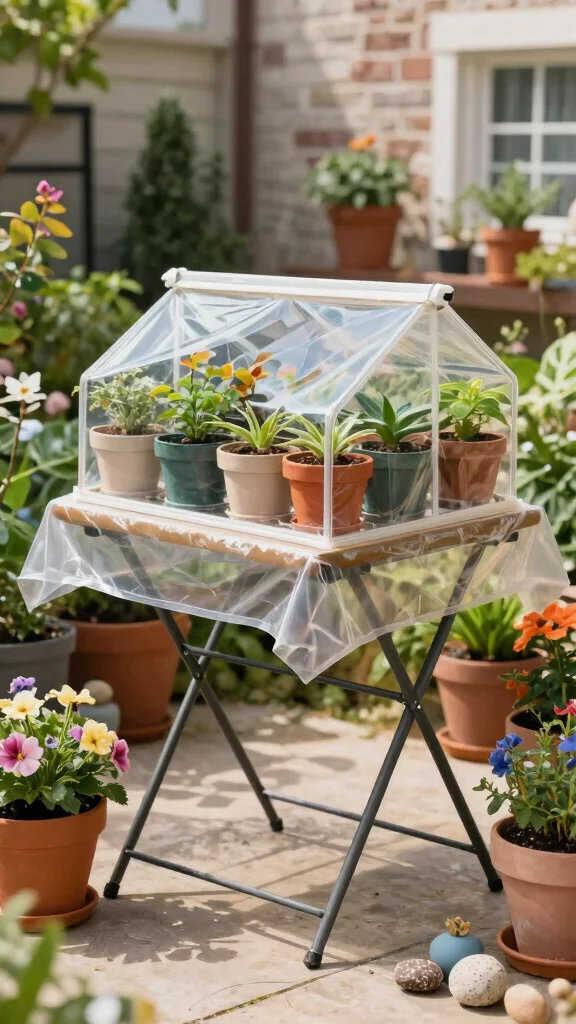
Transforming a folding table into a portable mini greenhouse is a practical and flexible solution for urban gardeners. This approach allows you to move your greenhouse to wherever your plants can get the best sunlight. Imagine a table filled with pots and covered with plastic, nurturing your plants while saving space.
To implement this idea, place pots on the table and cover them with a plastic sheet, creating an effective greenhouse environment. Look for sturdy tables that can accommodate multiple pots. This project is perfect for those who love seasonal gardening, as it can easily be stored away when not in use.
Consider these tips for your folding table greenhouse:
– Secure the plastic cover to avoid wind damage
– Use a strong table to support various pots
– Regularly clean the surface to prevent mold growth
This folding table greenhouse is an excellent choice for urban gardeners seeking convenience and flexibility without sacrificing style.
17. Old Chicken Wire Greenhouse
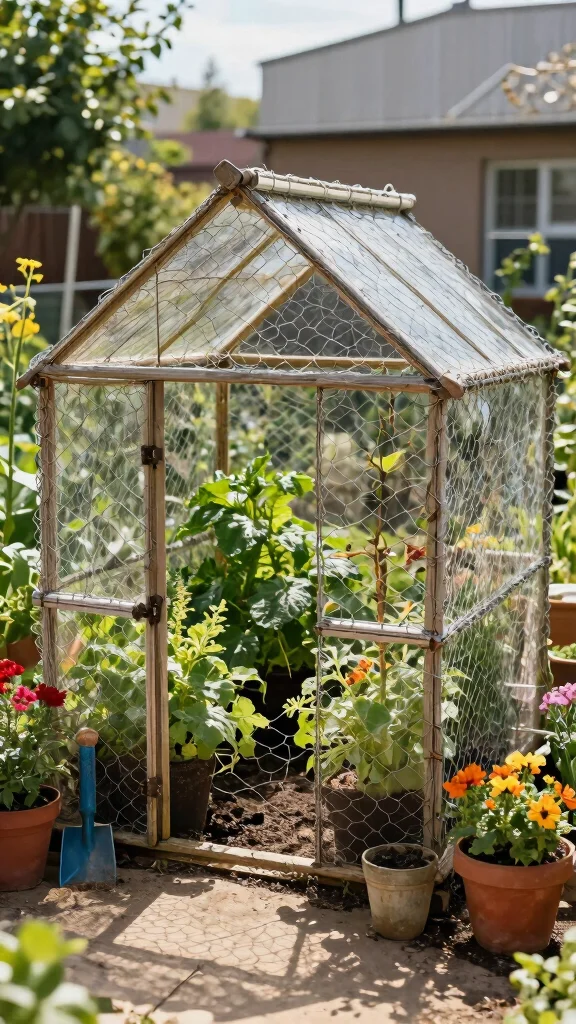
Transforming old chicken wire into a rustic mini greenhouse is a clever way to combine function with style. This lightweight structure allows for excellent air circulation while protecting your plants from pests. Picture a charming garden space filled with flourishing greens, all kept safe by a creative wire mesh design.
To create your wire mesh greenhouse, construct a simple frame and cover it with clear tarp or plastic sheeting. This design is ideal for urban gardeners looking to maximize their growing potential while maintaining a rustic aesthetic. It fits well within the trend of repurposing materials for gardening purposes.
Try these tips for your chicken wire greenhouse:
– Ensure the structure is anchored securely against wind
– Regularly inspect for damages or loose sections
– Consider adding shade cloth for hot days
This chicken wire greenhouse beautifully merges functionality and rustic charm, making it a smart addition to any urban garden setup.
18. DIY Tabletop Greenhouse

Creating a small, stylish tabletop greenhouse is a wonderful way to showcase your herbs or small plants. Using a wooden crate or old bookshelf, you can design a chic mini greenhouse by adding a glass or transparent acrylic cover. Picture your kitchen counter adorned with a vibrant display of fresh herbs, adding life and color to your space.
To implement this idea, line the crate or shelf with plastic, ensuring proper drainage, and fill it with plants. Look for containers that match your decor style for a cohesive look. This project aligns with the trend of indoor gardening, allowing you to grow fresh greens right at home.
Consider these tips for your tabletop greenhouse:
– Ensure adequate drainage if using soil directly in the crate
– Add decorative elements like pebbles for added visual interest
– Position it in a well-lit area for optimal growth
This DIY tabletop greenhouse is a perfect blend of style and functionality, allowing you to showcase your green thumb while enhancing your home decor.
Conclusion

These 18 DIY mini greenhouse ideas offer innovative solutions for those with limited space who want to nurture their green thumb.
No matter your style or preference, there’s a creative greenhouse option for everyone in an urban setting. Embrace the beauty of plants in your home decor while promoting sustainable gardening practices. Whether you choose to repurpose old materials or create something entirely new, each project brings you one step closer to cultivating your very own urban oasis. Let your creativity flourish and enjoy the process of bringing nature into your life!
Frequently Asked Questions
Question: What is a diy mini greenhouse and why is it great for small space gardening?
Answer: A diy mini greenhouse is a compact, homemade enclosure that traps heat and humidity to help seeds germinate and plants thrive in tight spaces.
For small space gardening, it unlocks vertical stacking, door-to-light access, and quick placement on balconies, windowsills, or patios. Start simple with a transparent tote or clear storage box, then upgrade with shelves, a small heater, or a fan to control climate. This fits well with urban gardening solutions and blends into sustainable home decor.
Question: Which diy mini greenhouse ideas work best for urban balcony gardening on a budget?
Answer: You don’t need to break the bank. Here are budget-friendly ideas you can try tonight:
• Clear storage tote greenhouse: cut vents, drill drainage, place near sun.
• Bookshelf greenhouse: convert a sturdy bookshelf with clear panels and a door; add a heat mat and a small fan.
• Upcycled cabinet greenhouse: glass doors, ventilation holes, humidity tray, and shelf dividers.
• Vertical or wall-mount setup: use clear acrylic panels to build a slim vertical frame against the balcony wall.
• PVC-tunnel mini greenhouse: fit a lightweight PVC frame with clear plastic sheeting. Each idea supports container gardening on a small space and provides real urban gardening solutions.
Question: How can I set up a diy mini greenhouse for container gardening in a tiny balcony or apartment?
Answer: Start by choosing a sunny spot with 4–6 hours of light. Pick containers with drainage and a shallow tray. Build a small stand or shelf to maximize vertical space. Use clear panels to trap heat but allow airflow; vent on warm days. Add a humidity tray or pebble tray to maintain moisture. Consider a simple drip or capillary irrigation for container gardening and indoor gardening ideas on a budget. This approach fits well with urban gardening solutions and sustainable home decor.
Question: What plants are best suited for a diy mini greenhouse in a small space?
Answer: Start with forgiving options like herbs (basil, parsley, chives), leafy greens (lettuce, spinach), microgreens, strawberries, and compact tomatoes or peppers. Choose container gardening setups with good drainage and adequate light. A small heat mat can help with germination and early growth, making this a solid fit for indoor gardening ideas and urban gardening solutions.
Question: How do I maintain temperature and humidity in a diy mini greenhouse to maximize growth in urban balcony gardening?
Answer: Start with a simple climate plan: place the greenhouse where it gets bright light but avoids harsh afternoon sun; monitor with a compact thermometer. Ventilate by opening vents or doors on warm days. Keep humidity steady with bottom-watering and a shallow tray; mist sparingly to prevent mold. Rotate crops every couple of weeks for even growth. This supports indoor gardening ideas and urban gardening solutions and helps maintain sustainable home decor goals.
Related Topics
diy mini greenhouse
small space gardening
urban gardening solutions
container gardening
indoor gardening ideas
sustainable home decor
easy DIY projects
balcony gardening
beginner friendly
seasonal gardening
creative gardening
budget friendly
Leave a Reply