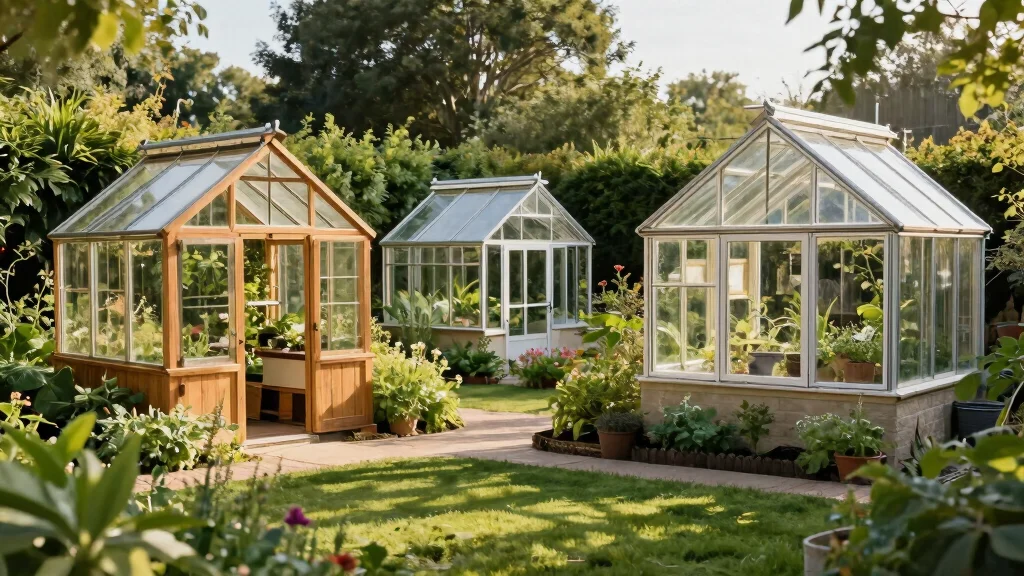
Creating a backyard greenhouse has become a popular trend for garden enthusiasts, and for good reason. The joy of nurturing plants throughout the year, regardless of the season, is something many of us crave. If you’ve ever felt the delight of seeing your seedlings sprout or the satisfaction of harvesting your own vegetables, this post is tailored just for you. With the rise of sustainable gardening practices, more people are looking for ways to grow their own food, reduce their carbon footprint, and connect with nature in their own backyards.
In this post, we’ve gathered 20 inspiring backyard greenhouse ideas that cater to every budget and space. Whether you’re a seasoned gardener or just starting out, you’ll find designs that spark your creativity and practical tips to help you implement them. From rustic pallet structures to elegant glass houses, each idea includes insights on how to get started, making them perfect for anyone eager to embark on a DIY project or enhance their outdoor gardening experience.
You’ll discover innovative greenhouse designs that not only look great but also promote sustainable gardening. Each idea is curated to help you maximize your plant propagation efforts while providing you with the perfect environment for your green babies to thrive. So, roll up your sleeves and prepare to transform your backyard into a blooming oasis that you can enjoy all year round.
Key Takeaways
– Diverse Designs: Explore 20 different backyard greenhouse ideas, ranging from rustic to modern, ensuring there’s something for everyone regardless of taste or budget.
– Sustainability Focus: Learn about eco-friendly greenhouse options that promote sustainable gardening practices, helping you grow your own food while being kind to the planet.
– DIY Potential: Discover practical tips on building your own greenhouse using materials like pallets and plastic bottles, making gardening accessible even for beginners.
– Space Solutions: Find ideas for maximizing limited space with vertical gardens and mini greenhouses, perfect for urban gardeners with small backyards or balconies.
– Enhanced Plant Care: Understand the benefits of various greenhouse designs for plant propagation, ensuring your plants have the ideal conditions for growth and productivity.
1. Rustic Pallet Greenhouse
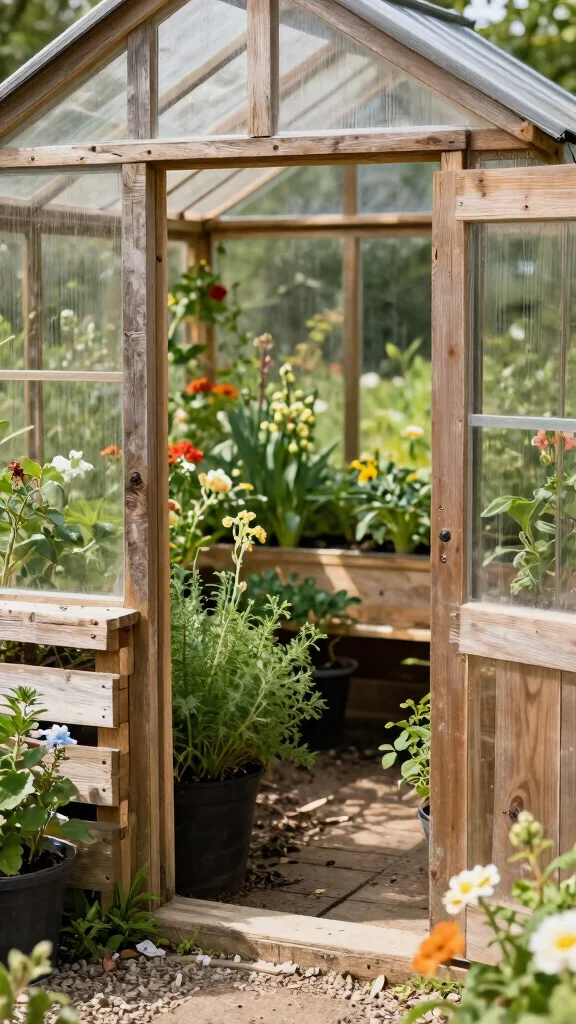
Creating a rustic pallet greenhouse combines sustainability with a charming aesthetic that never goes out of style. Using reclaimed wooden pallets, you can fashion a delightful space that not only saves money but also brings a touch of country charm to your garden. The natural wood tones pair beautifully with vibrant greens, making it the perfect habitat for herbs and tomatoes.
To make the most of this design, consider adding clear plastic sheeting for insulation. This addition protects your plants from harsh weather while allowing sunlight to filter through. You’ll find that the rustic appeal makes it an inviting spot for both plants and people.
Enhance Your Pallet Greenhouse:
– Pair pallets with gravel for effective drainage.
– Install shelves for vertical planting options.
– Use glass jars for seed propagation, adding eco-friendly flair.
This innovative greenhouse not only showcases your creativity but also enhances your garden’s charm with its natural textures and materials.
2. Elegant Glass Greenhouse
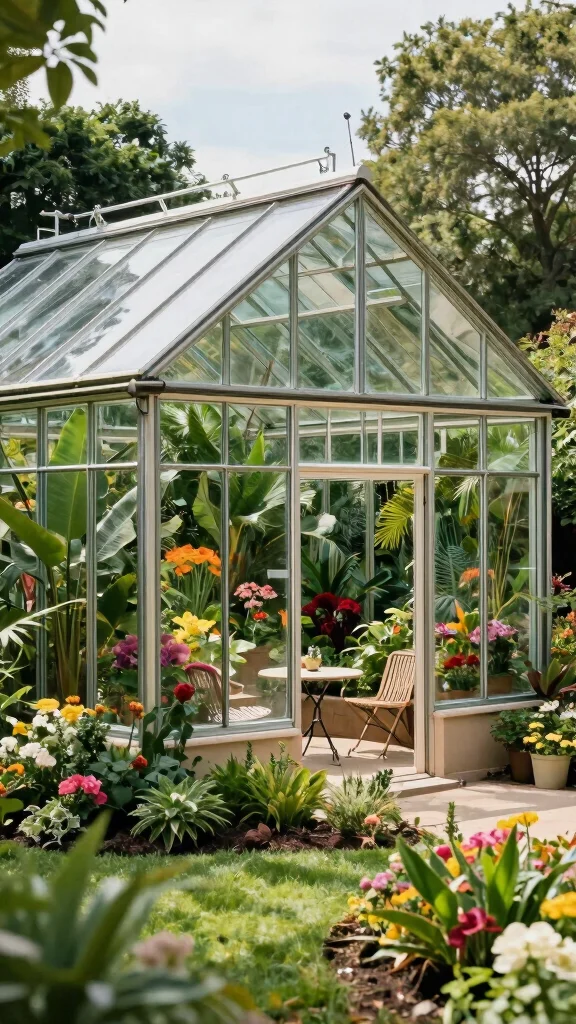
An elegant glass greenhouse offers a sophisticated touch to your garden, providing a modern space for your plants to thrive. With tempered glass, you’ll maximize light while creating a stunning visual centerpiece. This design is perfect for showcasing a variety of plants, from vibrant orchids to lush ferns.
To implement this idea, consider pre-fabricated models for easy assembly or opt for a custom version for a unique flair. Inside, you can create a serene seating area or utilize shelving for optimal plant display, making it a beautiful part of your outdoor sanctuary.
Design Tips:
– Create a cozy seating area for relaxation.
– Incorporate automatic ventilation for effortless climate control.
– Use hanging baskets to optimize vertical space.
This glass greenhouse beautifully melds with your garden landscape, elevating both style and function with its sleek design.
Fun fact: An elegant glass greenhouse with tempered glass can increase natural light by up to 20% and cut energy costs by 15%. With proper shading and ventilation, your orchids and ferns will thrive in your backyard greenhouse ideas.
3. Vertical Greenhouse Garden
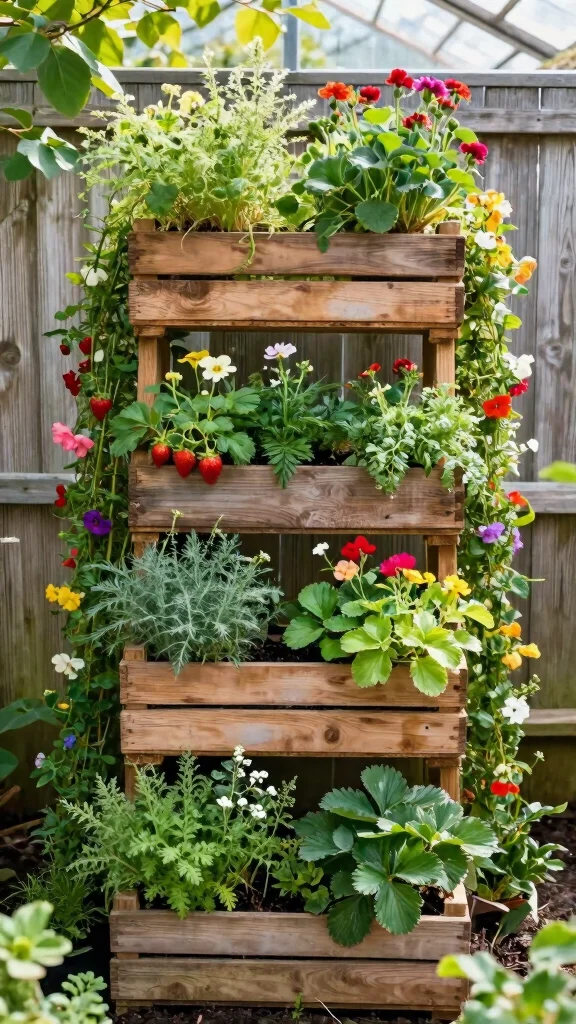
When you’re short on space, a vertical greenhouse garden is your perfect solution! This design allows you to grow plants upward, maximizing your gardening potential without needing a large footprint. It adds visual interest to your backyard while being practical and efficient.
You can create your vertical garden using stacked wooden crates or repurposed pallets. It’s an ideal setup for herbs, strawberries, and other small crops that flourish in vertical arrangements, turning your gardening dreams into reality.
Key Benefits:
– Perfect for small yards or urban settings.
– Easy access makes watering and harvesting a breeze.
– Adds a striking visual element to your outdoor space.
This DIY project not only showcases your gardening skills but also enhances the charm of your outdoor area!
4. Geodesic Dome Greenhouse
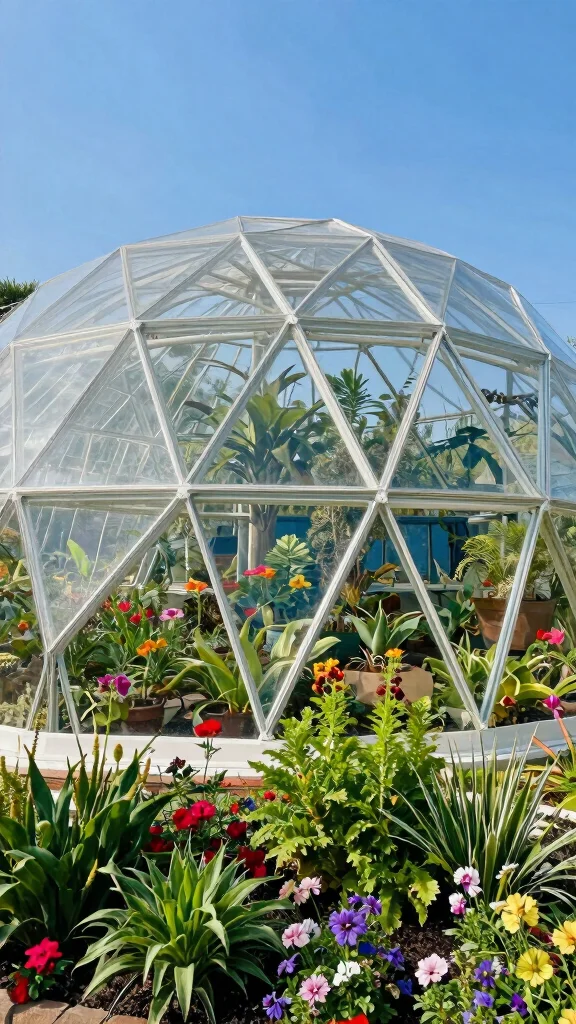
Geodesic dome greenhouses represent a unique blend of efficiency and style, utilizing space and light in an innovative manner. This design maximizes interior space while maintaining structural integrity, ensuring a strong and inviting environment for your plants.
Building a dome is a fun DIY project that involves assembling triangular panels to create a stunning spherical shape. Inside, you can cultivate a variety of plants or create an organized workspace, making it perfect for plant propagation.
Why Choose a Dome Greenhouse?
– Enjoy improved airflow and heat distribution.
– Its design withstands harsh weather better than traditional greenhouses.
– Adds a striking architectural element to your garden.
With creativity, this dome can transform your backyard into an enchanting retreat for both you and your plants.
❝ Geodesic domes prove that smart design beats traditional setups—space-saving, sturdy, and surprisingly simple to build. With a few triangular panels, you can create a thriving, organized workspace for your plants. Backyard greenhouse ideas just got more fun and functional.
5. Mini Greenhouse for Small Spaces
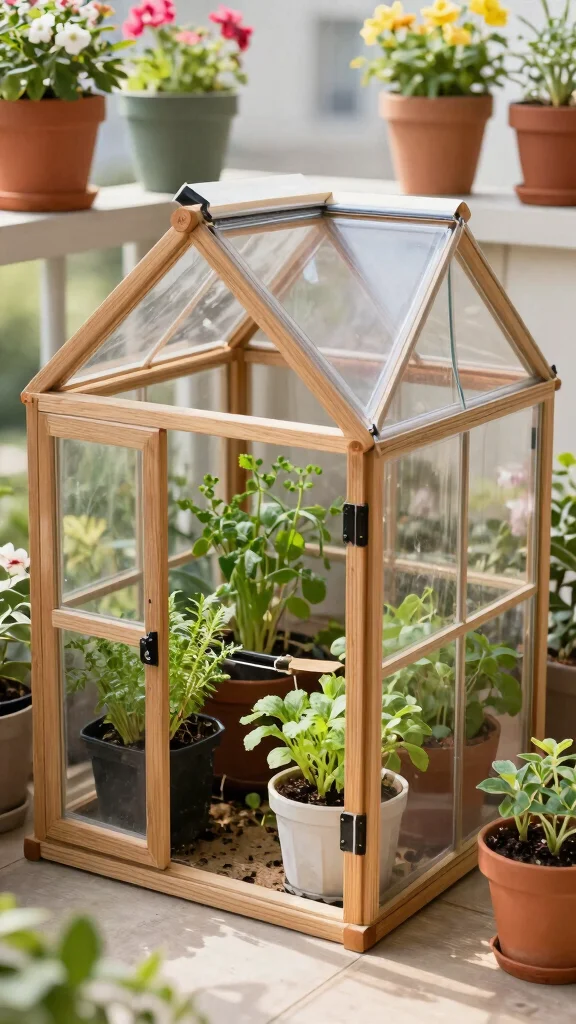
If you’re working with a smaller backyard, a mini greenhouse is an ideal solution! These compact structures are perfect for nurturing plants without taking up too much space, making them perfect for urban gardening or cozy yards.
Mini greenhouses can be simple, like a framed shelf covered with plastic, or even a glass cabinet that doubles as a greenhouse. They are fantastic for starting seedlings or growing small herbs and vegetables, allowing you to enjoy gardening in limited spaces.
Why Go Mini?
– Cost-effective and easy to construct or buy.
– Offers a controlled environment for delicate plants.
– Perfect for experimenting with various plant types.
This mini greenhouse can also serve as an attractive feature in your outdoor area, subtly enhancing its charm!
Key Trade-offs & Our Top Pick
1. Mini Greenhouse for Small Spaces
– Pros:
– Perfect for small backyards or patios.
– Affordable and easy to assemble.
– Great for starting seeds and small plant propagation.
– Cons:
– Limited space for larger plants.
– May not withstand severe weather conditions.
– Requires regular monitoring of humidity and temperature.
– Best for: Urban gardeners or those with limited outdoor space looking to grow herbs and small vegetables.
2. Geodesic Dome Greenhouse
– Pros:
– Excellent structural integrity and aerodynamics.
– Maximizes sunlight exposure for plants.
– Unique design adds aesthetic appeal to your yard.
– Cons:
– More complex and expensive to build.
– Requires careful planning for space and materials.
– May need specific skills or tools for construction.
– Best for: Garden enthusiasts seeking an eye-catching structure that offers durability and a unique growing environment.
3. DIY Plastic Bottle Greenhouse
– Pros:
– Inexpensive and eco-friendly, utilizing recycled materials.
– Lightweight and easy to construct.
– Can be customized to fit any space.
– Cons:
– Less durable than traditional greenhouses.
– Limited insulation may affect temperature control.
– Requires a good number of bottles for adequate coverage.
– Best for: Budget-conscious gardeners or those passionate about sustainability looking to recycle household items.
4. Hydroponic Greenhouse
– Pros:
– Efficient water usage and faster plant growth.
– No soil required, reducing pests and diseases.
– Ideal for growing a wide variety of plants year-round.
– Cons:
– Higher initial setup cost and maintenance requirements.
– Requires knowledge of hydroponic systems and plant needs.
– Risk of power outages affecting water systems.
– Best for: Serious gardeners interested in high-yield growing methods and experimenting with advanced gardening techniques.
5. Portable Greenhouse
– Pros:
– Easy to move based on sunlight and weather needs.
– Quick setup and takedown for seasonal use.
– Affordable option for temporary growing spaces.
– Cons:
– May not withstand extreme weather conditions.
– Smaller size limits the number of plants.
– Less durable than permanent structures.
– Best for: Gardeners who want flexibility and need a temporary solution for seasonal planting.
Expert Recommendation:
Best Overall: Mini Greenhouse for Small Spaces
The mini greenhouse is an excellent choice for most gardeners. It provides great value for money, easy assembly, and the ability to grow a variety of plants even in limited space. Its compact design makes it a versatile option for any outdoor area, guaranteeing that you can nurture your green thumb without needing a large yard.
Why We Picked This:
We chose the mini greenhouse as the top pick because it meets the needs of urban gardeners and beginners alike. However, if you are looking for a striking architectural piece, the geodesic dome greenhouse might be more appealing. For those enthusiastic about recycling and sustainability, the DIY plastic bottle greenhouse offers a fun and creative challenge. Each option serves different needs, so consider your space, budget, and gardening goals when making your choice!
6. DIY Plastic Bottle Greenhouse

For eco-conscious gardeners, a DIY plastic bottle greenhouse provides a unique and sustainable project. By repurposing plastic bottles, you create a greenhouse that minimizes waste while offering a protective space for your plants.
Start by collecting bottles and removing the bottoms, then assemble them into a frame or use them as walls for your greenhouse. This creative endeavor not only nurtures your plants but also helps the environment by recycling materials.
Benefits of a Bottle Greenhouse:
– Low-cost and utilizes materials that would otherwise go to waste.
– Raises internal temperatures, ideal for seedlings.
– A fun project that promotes recycling awareness.
This greenhouse will not only inspire conversations but also showcase your creativity and commitment to sustainability!
7. Shade Cloth Greenhouse
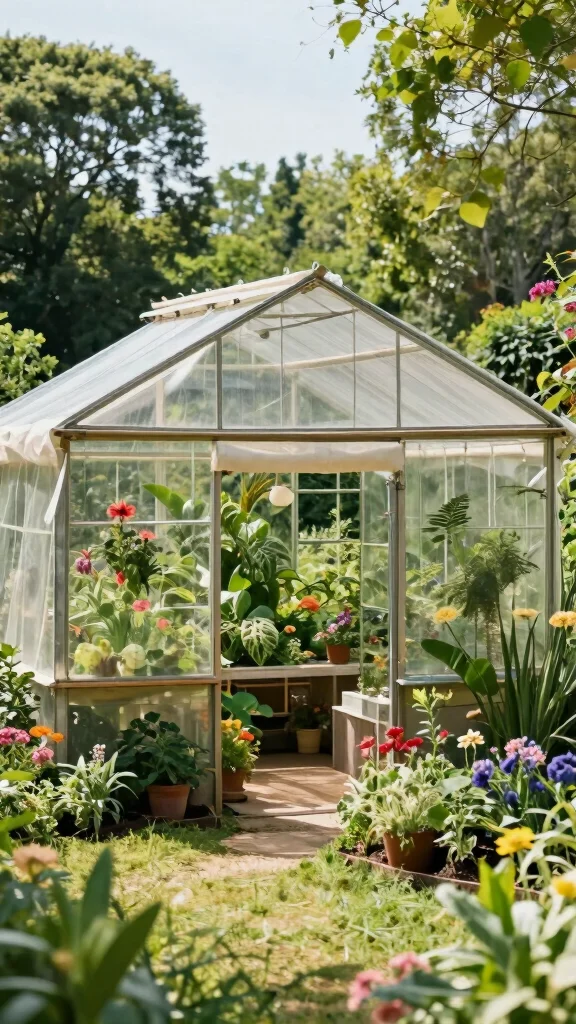
If your area faces intense sunlight, a shade cloth greenhouse offers an excellent solution to protect your plants while ensuring proper ventilation. This design employs a sturdy frame covered with shade cloth, filtering sunlight to create a comfortable environment for your plants.
This setup is particularly beneficial for tender plants and seedlings needing protection from direct sun. The breathable shade cloth allows moisture to escape while keeping the interior cool and inviting.
Advantages of Shade Cloth Greenhouses:
– Lightweight and budget-friendly to construct.
– Provides crucial UV protection for sensitive plants.
– Adjustable shade levels for seasonal needs.
Creating this greenhouse will enhance your gardening experience during hot months, allowing your plants to thrive comfortably!
8. Hydroponic Greenhouse
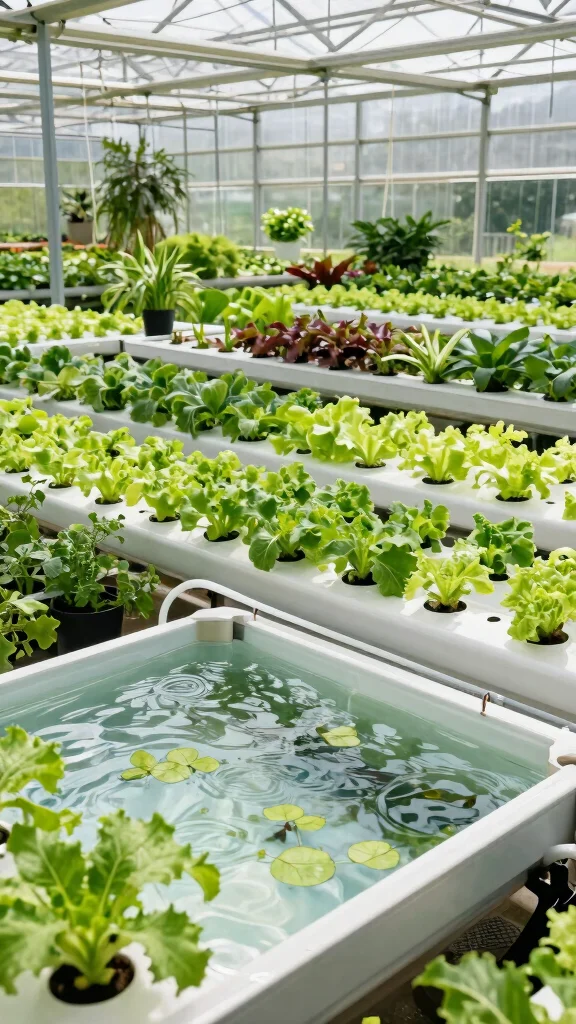
For passionate gardeners looking to advance their skills, a hydroponic greenhouse offers a modern twist on traditional gardening. This method allows you to grow plants in nutrient-rich water solutions, eliminating the need for soil and maximizing efficiency.
Setting up a hydroponic greenhouse involves creating a series of containers or tubes filled with nutrient solution, promoting faster plant growth and reducing pest issues. It’s an innovative way to cultivate everything from leafy greens to herbs sustainably.
Why Go Hydroponic?
– Enjoy quicker plant growth from optimized nutrient delivery.
– Minimizes pest problems with fewer soil-borne diseases.
– A fun educational project for families and schools.
A hydroponic greenhouse can turn your gardening hobby into an exciting high-tech adventure!
You might also like

9. Raised Bed Greenhouse
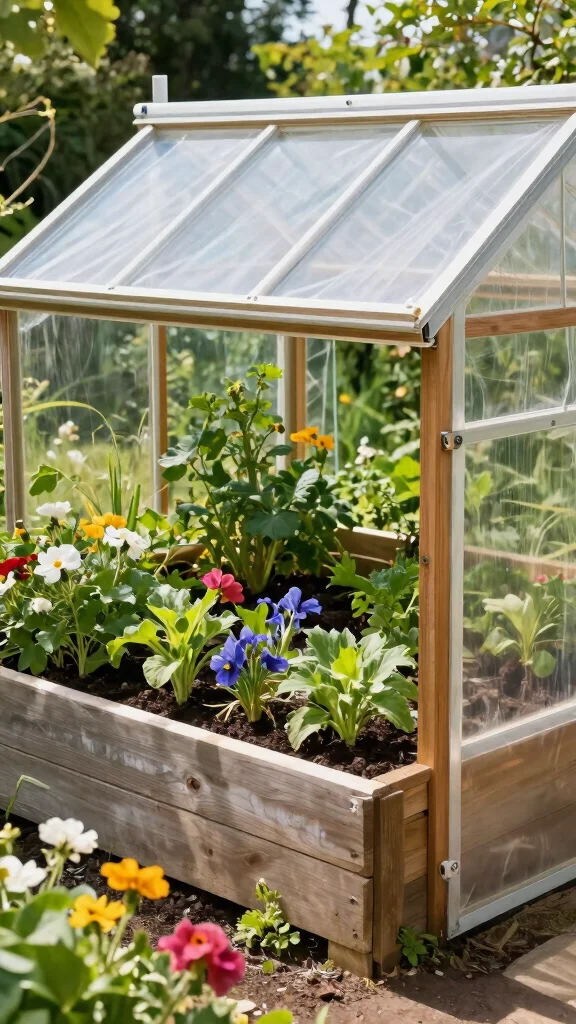
A raised bed greenhouse combines the benefits of raised garden beds with the protective features of a greenhouse, allowing you to extend your growing season. This structure consists of raised planters filled with soil and topped with a transparent cover to shield plants from frost and pests.
This setup is perfect for vegetables, herbs, and flowers, offering easy maintenance and effective water use. The elevation helps with drainage and soil quality management while enhancing your gardening experience.
Benefits of This Design:
– Elevated beds reduce strain on your back and make gardening easier.
– Offers better drainage for healthy plants.
– Creates a microclimate that boosts plant growth.
Creating a raised bed greenhouse not only fosters practical gardening but also adds visual appeal to your outdoor space!
10. Portable Greenhouse

For gardeners who value flexibility, a portable greenhouse is a fantastic choice. These lightweight structures can be easily moved to optimize sunlight exposure or create different growing environments.
Portable greenhouses come in various styles, like pop-up tents or wheeled frames, providing protection from harsh weather while being simple to set up and take down. They are ideal for seasonal gardening or experimenting with new plants.
Advantages of Using a Portable Greenhouse:
– Offers versatility to move it throughout the growing season.
– Easy storage during off-seasons, saving space.
– Affordable and accessible for gardeners of all levels.
Building a portable greenhouse enhances your gardening experience while keeping it fun and adaptable!
11. Kit Greenhouses for Easy Setup
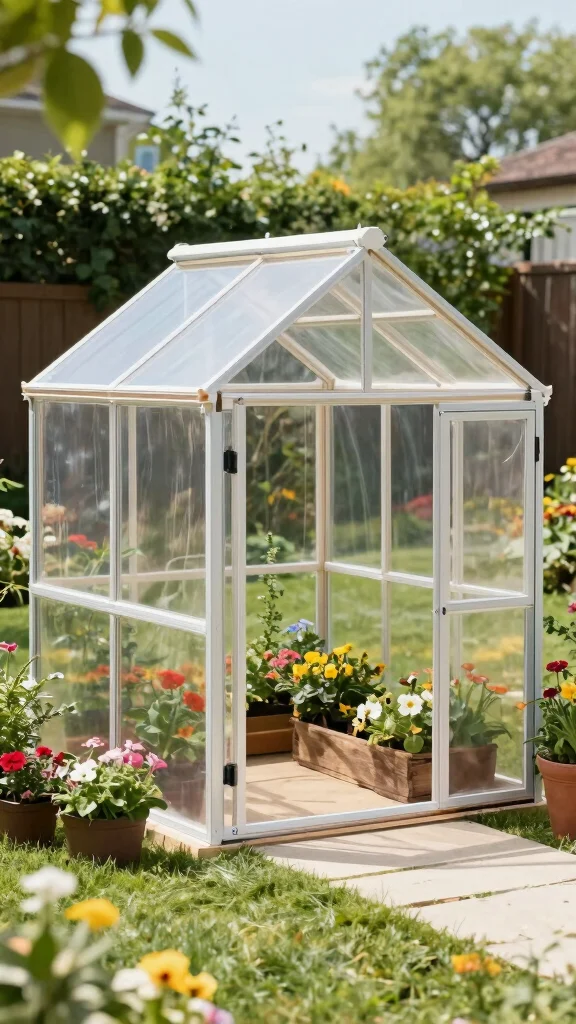
If you’re seeking a hassle-free option, kit greenhouses provide an excellent solution. These pre-fabricated structures come with everything you need for quick assembly, making gardening accessible for everyone.
Most kits include clear panels for maximum light and sturdy frames, along with detailed instructions for easy setup. This is perfect for those eager to start gardening without much hassle.
Why Choose a Kit Greenhouse?
– Quick and straightforward setup, no extensive tools needed.
– Often includes warranties and manufacturer support.
– A great way to learn about greenhouse gardening while growing your first plants.
A kit greenhouse is an efficient way to enjoy gardening with minimal fuss!
12. Corner Greenhouse
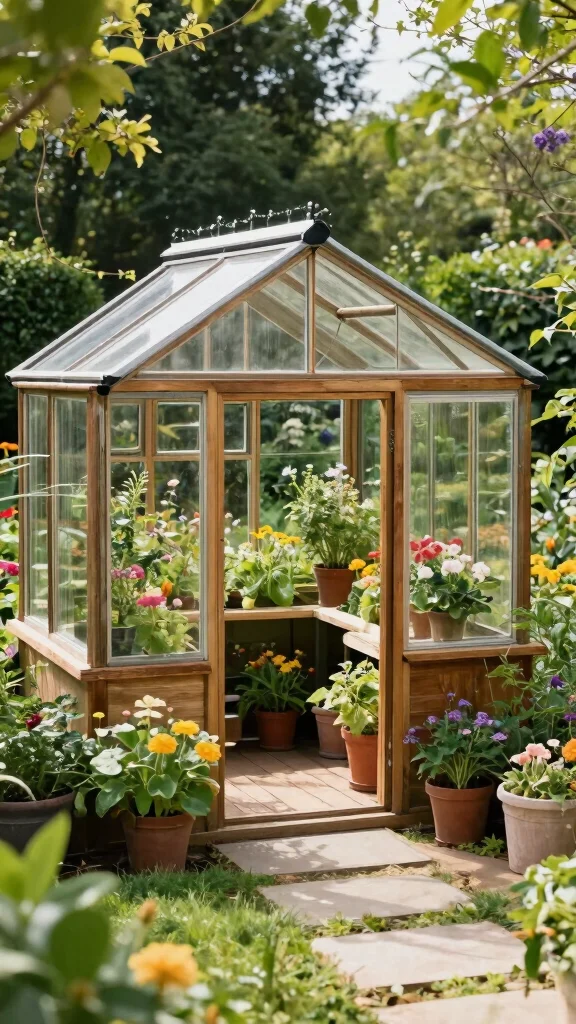
Maximize your garden’s potential with a corner greenhouse. These structures fit perfectly into the corners of your yard, utilizing otherwise wasted space while allowing ample sunlight for your plants.
Crafted from wood, glass, or plastic, a corner greenhouse creates an ideal microclimate that enhances growth conditions. Positioning it in a sunny corner not only benefits your plants but also adds a decorative element to your garden.
Benefits of a Corner Greenhouse:
– Efficiently uses often-overlooked space.
– Provides a sheltered environment against wind and pests.
– Serves as an attractive garden feature that draws attention.
A corner greenhouse can elevate both the beauty and productivity of your outdoor space!
13. Greenhouse with Rainwater Collection
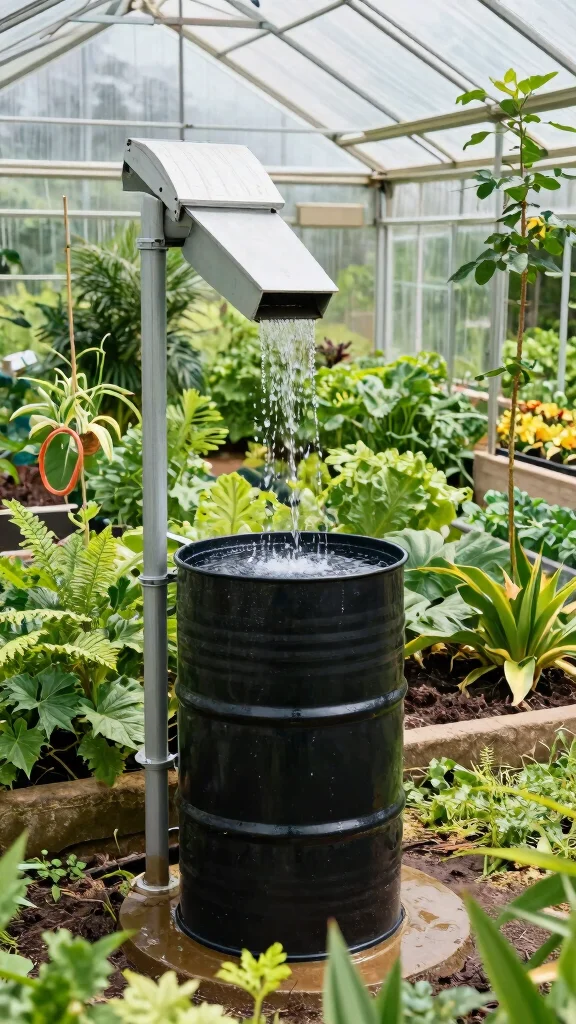
Incorporating a rainwater collection system into your greenhouse promotes sustainable gardening practices. This eco-friendly approach conserves water while providing your plants with a natural resource they thrive on.
A simple setup involves collecting rainwater from your greenhouse roof through gutters into barrels or tanks. This collected water can then be used to irrigate your plants, ensuring they receive essential nutrients found in rainwater.
Benefits of a Rainwater Collection Greenhouse:
– Reduces water bills and conserves precious resources.
– Offers superior water quality for plants over tap water.
– Fosters environmentally conscious gardening practices.
Creating a rainwater collection greenhouse is a rewarding endeavor that benefits both your garden and the planet!
14. Greenhouse with Integrated Composting

Combining a greenhouse with an integrated composting system creates a sustainable cycle in your gardening practice. By including composting bins within the greenhouse, you can recycle kitchen scraps and garden waste, turning them into nutrient-rich soil for your plants.
This setup allows for optimal composting conditions while keeping pests at bay, providing a continuous source of nourishment for your plants and promoting eco-friendly practices.
Benefits of an Integrated Composting Greenhouse:
– Reduces waste by repurposing organic materials.
– Supplies fresh compost to enhance soil health.
– Creates a more efficient gardening experience.
This innovative setup demonstrates how productive and sustainable gardening can be!
Fun fact: An integrated composting bin inside a greenhouse speeds up composting by keeping warmth in. This turns kitchen scraps into nutrient-rich soil in as little as 6-8 weeks. This sustainable loop fuels your backyard greenhouse ideas with living soil.
15. Glasshouse with Thermal Mass
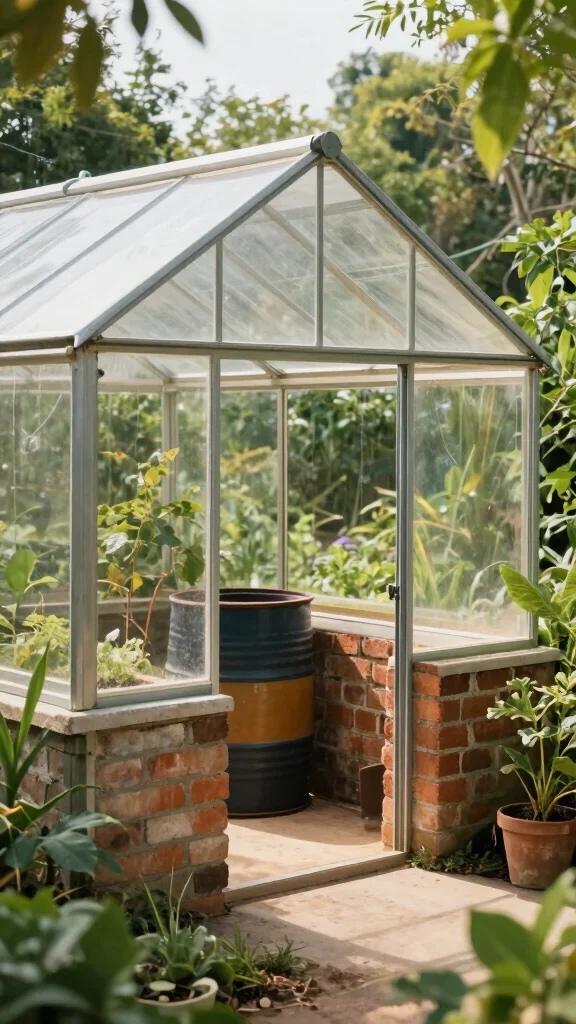
A thermal mass greenhouse employs materials that absorb and store heat from sunlight, helping to regulate temperatures and create a stable environment for your plants. Using bricks, concrete, or water barrels inside can provide warmth even during cooler nights.
This design is particularly effective in areas with fluctuating temperatures, allowing you to extend the growing season without relying on external heating sources.
Benefits of a Thermal Mass Greenhouse:
– Reduces energy costs by maintaining stable temperatures.
– Protects plants from frost, extending the growing season.
– Environmentally friendly, minimizing reliance on artificial heating.
Incorporating thermal mass into your greenhouse enhances sustainability while maximizing your plants’ growth potential!
16. Urban Greenhouse Rooftop

Transform your city rooftop into a thriving urban greenhouse! This innovative idea utilizes limited space to cultivate plants, creating a green oasis in the heart of the city. A rooftop greenhouse can be built with lightweight materials designed to withstand wind and weather.
This setup allows you to grow everything from herbs to small fruit trees, offering aesthetic appeal and fresh produce right at your fingertips.
Advantages of a Rooftop Greenhouse:
– Efficiently uses underutilized urban space.
– Reduces heat absorption in buildings, promoting energy savings.
– Provides fresh produce in areas with limited gardening options.
An urban rooftop greenhouse can serve as a personal retreat while positively impacting your community!
17. Straw Bale Greenhouse
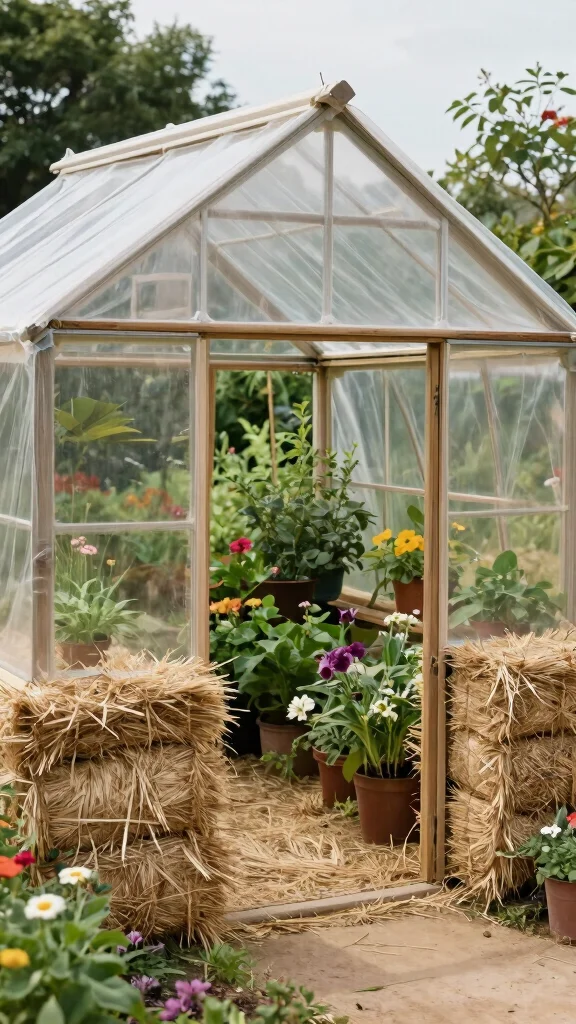
A straw bale greenhouse offers an eco-friendly building option that supports sustainable gardening. This design uses straw bales as insulation and structural material, creating a warm environment for your plants to flourish.
Building a straw bale greenhouse not only provides a unique appearance but also helps reduce energy costs due to its excellent insulation properties. The bales create walls while a plastic cover allows light to enter.
Advantages of a Straw Bale Greenhouse:
– Cost-effective and made from renewable resources.
– Provides great insulation, reducing heating needs.
– An interesting and natural look that complements any garden.
This greenhouse can be a rewarding DIY project that reflects your commitment to sustainable gardening!
18. Sliding Door Greenhouse
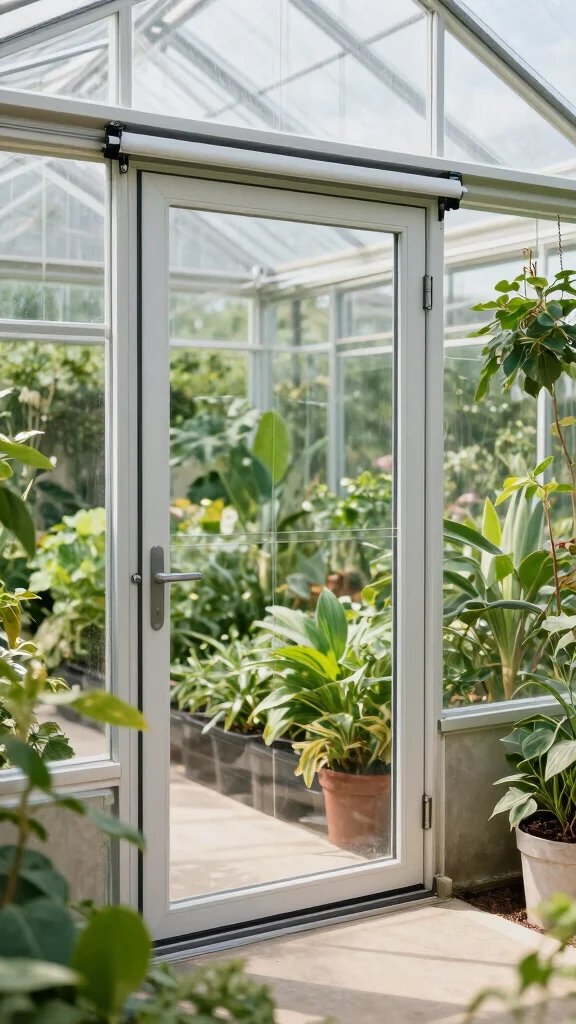
A sliding door greenhouse merges functionality with style, allowing easy access to your plants while optimizing space. This design features a sliding door mechanism that saves room and creates a seamless entry and exit.
Incorporating sliding doors can benefit larger structures, making it easier to navigate without feeling cramped. They also enhance ventilation, allowing for easy airflow adjustments when needed.
Benefits of a Sliding Door Greenhouse:
– Improved accessibility for larger greenhouses.
– Easy adjustments for better airflow and temperature control.
– Creates a modern, stylish aesthetic for your garden.
A sliding door greenhouse is a practical choice that doesn’t compromise on visual appeal!
19. Biodegradable Greenhouse
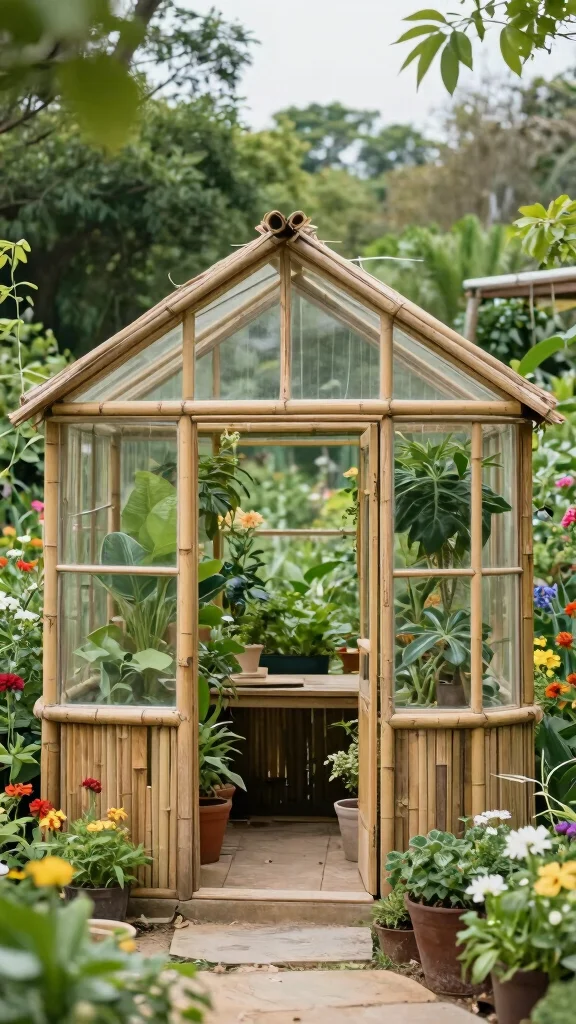
An exciting trend in sustainable gardening is the biodegradable greenhouse, constructed from materials that decompose naturally over time. These eco-friendly structures often feature plant-based materials like bamboo, providing a natural look while minimizing environmental impact.
This type of greenhouse not only supports your plants but also contributes positively to the ecosystem. Once its lifespan ends, a biodegradable greenhouse can enrich the soil with nutrients, avoiding landfill waste.
Benefits of a Biodegradable Greenhouse:
– Reduces plastic waste and lowers your environmental footprint.
– Supports sustainable gardening practices.
– Offers a unique aesthetic that harmonizes with nature.
If you’re committed to the environment, this greenhouse could be the perfect addition to your gardening space!
20. Community Greenhouse

A community greenhouse is a wonderful way to unite neighbors while fostering sustainable practices. This shared space can act as a hub for growing food, hosting workshops, and encouraging community engagement.
Building a community greenhouse requires collaboration, fundraising, and shared resources, making it a fulfilling project that promotes teamwork. It can include educational features, raised beds, and potting areas to support diverse gardening activities.
Benefits of a Community Greenhouse:
– Encourages local food production and sustainability.
– Fosters relationships and social interactions within the community.
– Provides a hands-on learning environment for gardening skills.
Creating a community greenhouse can transform your neighborhood into a thriving garden oasis!
Conclusion
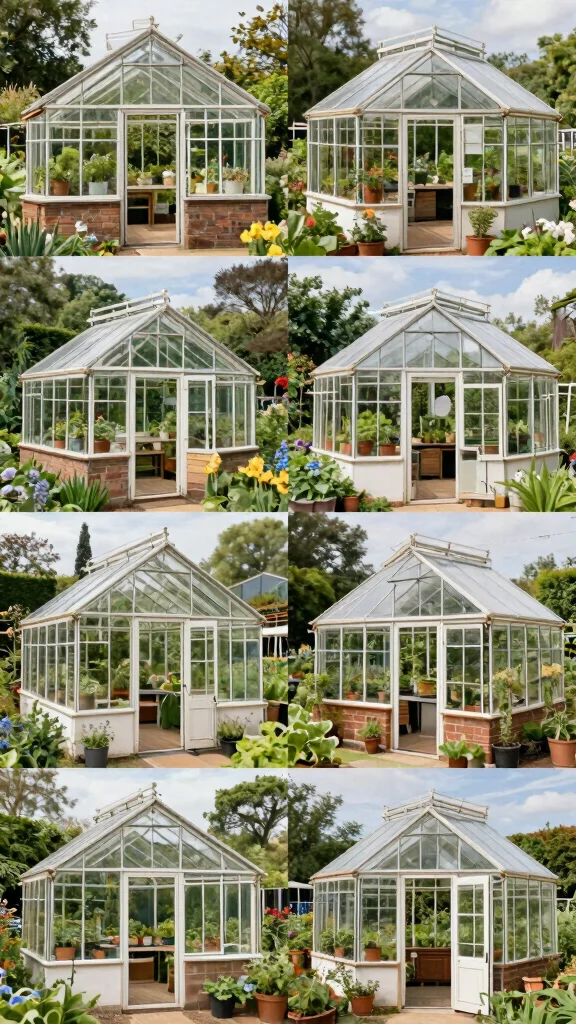
With these 20 backyard greenhouse ideas, it’s clear there’s a style for every garden enthusiast, whether you prefer a modern glass structure or a rustic pallet setup. Each design not only enhances your gardening experience but also contributes positively to sustainability.
Creating a greenhouse can be a fulfilling project that encourages creativity and a love for plants. It’s time to pick your favorite idea and get started on your backyard greenhouse journey today!
Frequently Asked Questions
What are budget-friendly backyard greenhouse ideas for beginners?
Here are practical, low-cost options you can start today. Try these backyard greenhouse ideas that are easy to DIY greenhouse projects: a PVC hoop house with clear plastic film; a cold frame built from old windows or pallets; repurposed storm windows to make a micro-greenhouse; a small wooden frame with polycarbonate panels.
Tips to maximize performance: orient the structure to the sun on a south-facing site, ensure good ventilation, insulate overnight with bubble wrap, and pair with your outdoor gardening by using raised beds inside. For sustainable gardening, harvest rainwater, reuse materials, and choose energy-efficient components. With these DIY greenhouse ideas you can start growing quickly without breaking the bank.
How can I design a small backyard greenhouse for efficient outdoor gardening?
Designing a small backyard greenhouse for efficient outdoor gardening is all about layout and airflow. Start with the sun: place the structure on a south-facing side to maximize light. Choose a compact size that fits your space; 6×8 ft is a common starter. Plan interior zones: a lean-to wall for seeds, sturdy benches for plants, and a small potting table.
For ventilation install a louver or roof vent and a door that can stay open on warm days. Use passive cooling with venting and shading in summer. Consider thermal mass like water barrels to stabilize temps. Use durable, low-maintenance materials that suit your climate.
By following greenhouse design principles and keeping outdoor gardening goals in mind, you get an efficient setup that saves energy over time. And a DIY greenhouse supports year-round growing for herbs, greens, and starters.
What materials work best for a sustainable DIY greenhouse?
Best materials for a sustainable DIY greenhouse balance durability and energy efficiency. Popular options include metal frames (aluminum or galvanized steel) for longevity; double-walled polycarbonate panels for insulation; glass and poly film for different budgets. Wood frames have a natural look but require more maintenance. When choosing covers, use recyclable or recycled materials when possible, and seal joints well. For sustainable gardening, favor durable materials over cheap single-season products, add ventilation and shading to reduce energy use, and consider a lean-to against an existing wall to cut costs. A careful material choice makes the greenhouse both affordable and resilient, supporting long-term sustainable gardening.
How can I use a backyard greenhouse for plant propagation and year-round growing?
Using a backyard greenhouse for plant propagation and year-round growing is a smart move. Start seeds or propagate cuttings in a warm, bright corner. Maintain day temperatures around 65-75 F (18-24 C) and keep humidity around 60-80 percent for many species. Use bottom heat with a seedling mat if needed. Install grow lights to supplement daylight in fall and winter, aiming for 12-16 hours of light. Use shelves to separate propagation zones from established plants. For propagation you can use soil blocks or peat pellets, and keep a humidity tray to reduce watering. Keep notes on species, roots, and transplant timing. A backyard greenhouse makes plant propagation easier and allows outdoor gardening year-round. This also aligns with sustainable gardening by reducing transplant shock and increasing success rates.
What maintenance tips keep a DIY backyard greenhouse performing well through the seasons?
To keep a DIY backyard greenhouse performing well through seasons: clean panels regularly for maximum light; check seals and doors for drafts; inspect vents and fans; keep gutters clear and drainage working; control pests with screens and regular checks; manage humidity with ventilation and drip irrigation; winterize with insulation or heating; summer shade to prevent overheating; collect rainwater for irrigation; keep a simple log of temps, moisture, and plant performance. If you can, add a simple thermometer and hygrometer to monitor. With consistent maintenance you extend the life of the greenhouse and enjoy reliable yields, aligning with outdoor gardening and sustainable gardening goals.
Related Topics
backyard greenhouse ideas
DIY greenhouse
sustainable gardening
greenhouse design
outdoor gardening
plant propagation
beginner friendly
easy projects
seasonal gardening
eco-friendly design
small space gardening
advanced techniques
Leave a Reply