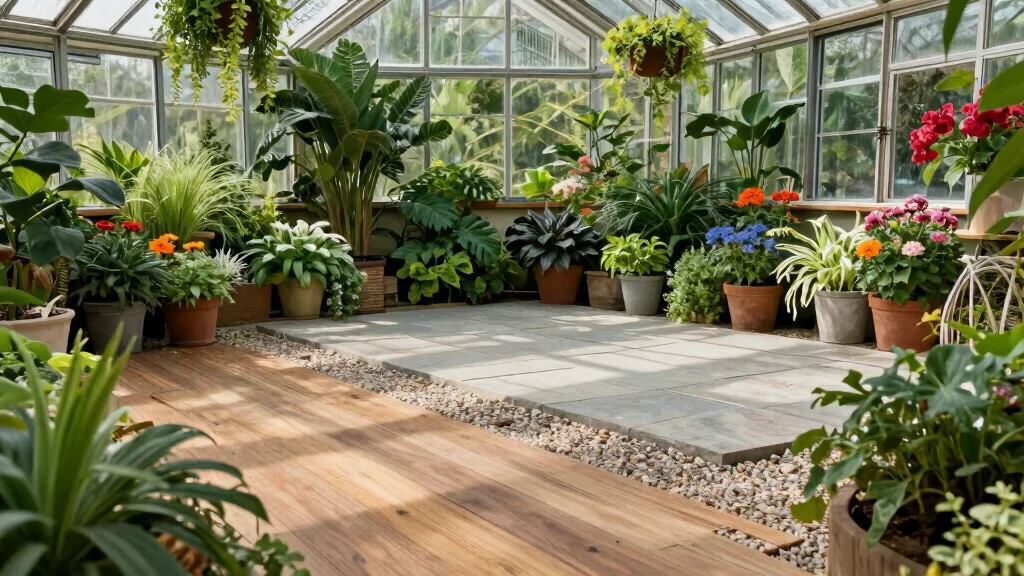
Creating a greenhouse can be a rewarding journey, but finding the right greenhouse floor ideas can turn that vision into a reality. With the right flooring, you make your space not only beautiful but also functional. Whether you’re a seasoned gardener or just starting your indoor gardening adventure, you might be craving a stylish yet practical base that supports your plant-growing goals. This post dives into 15 creative flooring options that blend aesthetics with utility, ensuring your greenhouse is a haven for both plants and people.
If you’re someone who loves to nurture plants, design spaces, or explore sustainable living, this guide is tailored for you. You’re not alone in wanting a greenhouse that feels like a part of your home. Many gardening enthusiasts seek ways to harmonize their love for nature with thoughtful design. In this article, you’ll discover unique greenhouse flooring options that cater to both practicality and style. From durable materials to eco-friendly alternatives, I’ve put together a list that’s sure to inspire your next project.
By the end of this post, you’ll have a wealth of ideas and insights on how to create a stunning greenhouse layout that aligns with your aesthetic and functional needs. Each flooring option is designed to enhance your indoor gardening design, helping you cultivate a space that’s not only effective for growing but also inviting and stylish. Let’s explore these options together!
Key Takeaways
– Discover a variety of greenhouse floor ideas that combine style and functionality, perfect for enhancing your indoor gardening space.
– Learn about durable materials like concrete and stone that withstand moisture while providing an attractive foundation for your plants.
– Explore eco-friendly options, such as reclaimed wood and cork, that add charm and sustainability to your greenhouse design.
– Consider practical flooring solutions like gravel and rubber that offer easy maintenance and resilience in a gardening environment.
– Get inspired by creative layouts and designs that can transform your greenhouse into a vibrant space for both plants and people.
Recommended Products

WOOD GRAIN FLOOR MAT (16 Tiles,16 Sq ft, Pine) — Provides comfort and cushion to hard floor surfaces with classic faux wood finish — Includes 16 floor mat wood grain tiles to enhance the comfort and appearance of your space

Genuine solid Teak wood (Tectona Grandis) in oil finish
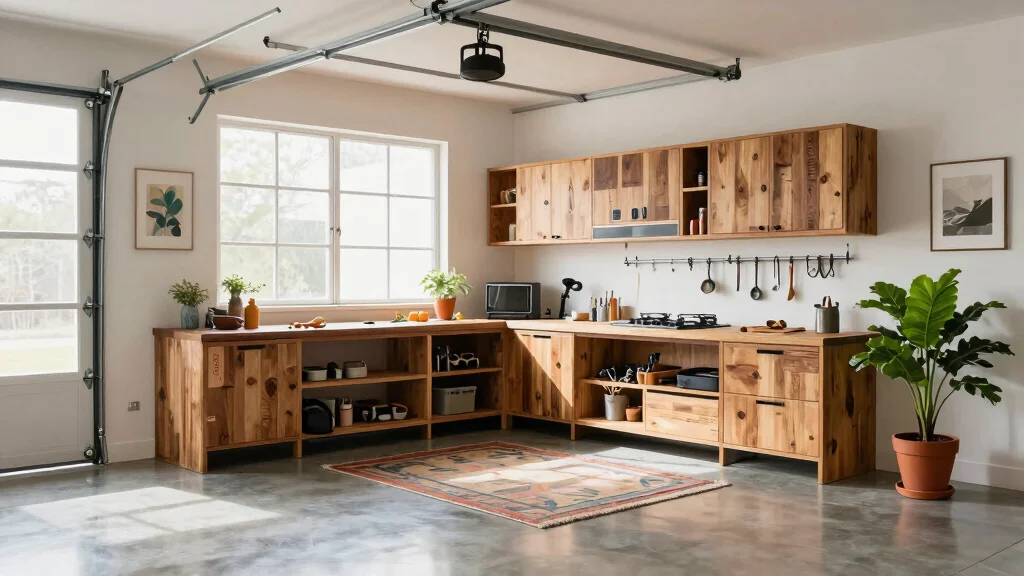
1. Reclaimed Wood Planks

Reclaimed wood planks bring a rustic elegance to your greenhouse, capturing a charm that feels both nostalgic and inviting. The natural variations in color and grain create a visually appealing backdrop that harmonizes beautifully with greenery. Each plank has its unique story, making your space truly one-of-a-kind while promoting sustainability by repurposing old materials. Imagine the warmth of this flooring under your feet as you tend to your plants, creating a serene atmosphere in your gardening haven.
To make the most of reclaimed wood, ensure each piece is treated to withstand moisture, and consider applying a water-resistant sealant for added protection. This option not only enhances durability but also aligns with eco-friendly design trends that celebrate natural materials.
Consider these ideas to enhance your reclaimed wood flooring experience:
– Pair with lush indoor plants that thrive in humidity.
– Install area rugs in high-traffic zones to protect the wood.
– Use natural fiber mats to complement the earthy aesthetic.
This design choice elevates your greenhouse’s atmosphere while showcasing the beauty of natural textures. The interplay of wood grain with your plants adds a layer of depth and warmth to the overall design.
Recommended Products

【Durable Material】Modular interlocking cushion is made of high-quality PVC, combination of soft and hard, no pungent smell. Non-slip drainage mats Can resist sun exposure ,wind and rain erosion. Excellent material can prolong the service life of interlocking floor tiles.

𝐏𝐑𝐄𝐌𝐈𝐔𝐌 & 𝐃𝐔𝐑𝐀𝐁𝐋𝐄 𝐀𝐂𝐀𝐂𝐈𝐀 𝐖𝐎𝐎𝐃: Made from 100% natural acacia wood with a deep-oil finish, these interlocking decktiles are sturdy, water-resistant, and built for outdoor conditions. Sanded smooth for a premium wood grain look, a smooth-finished surface, and a noticeably smoother barefoot feel – comfortable for families and pets.

Multi-scene Versatility: Our garage tiles for multiple uses truly cover various scenarios. Whether it's a professional garage needing protection, or adding a comfortable shield in a personal warehouse, repair shop, or car exhibition, garage floor covering tiles are up to the task. Note: Products purchased before 2024 are not compatible with the upgraded interlocking system of the 2024 model
2. Concrete Slab
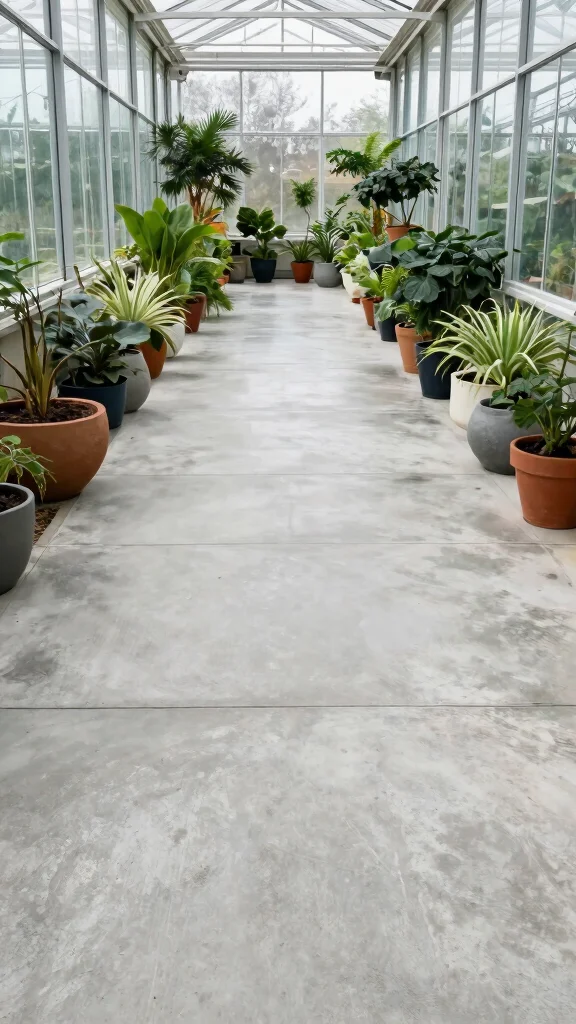
Concrete slabs serve as a practical and stylish foundation for your greenhouse, offering unmatched durability and ease of maintenance. This versatile option supports a modern aesthetic, blending seamlessly with various design styles while standing up to the rigors of gardening. You can easily customize the look by staining or painting the concrete, providing a personal touch that enhances your greenhouse environment.
To ensure a successful installation, pay attention to the layout and ensure the surface is level, keeping drainage in mind to prevent water buildup. Concrete’s resilience aligns beautifully with contemporary design trends that favor functionality without sacrificing style.
Here are some recommendations for optimizing your concrete flooring:
– Incorporate rugs in seating areas to soften the space.
– Use decorative planters to add warmth and color.
– Consider adding a radiant heating system for cooler climates.
This choice not only provides a robust base but also allows for creative expression through color and texture, making your greenhouse both functional and visually appealing.
Recommended Products

Vintage Charm: Natural gray finish features subtle color variation that replicates the look of weathered stone, adding visual texture to gardens, pathways, and outdoor spaces

Easy to install Bring new life to old patios, decks and floors
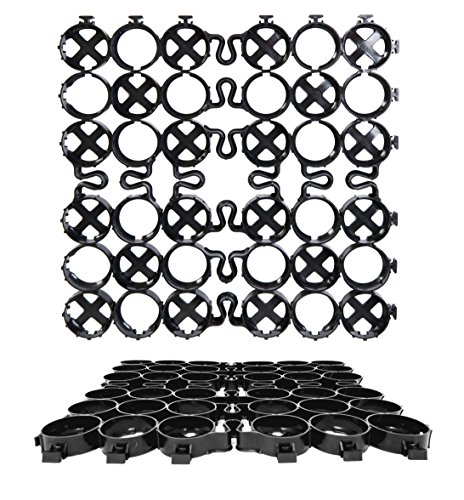
EASY TO USE: Our lightweight permeable pavers are easy for any level of DIYer to install; Feel proud of your own outdoor home improvements!
3. Flagstone
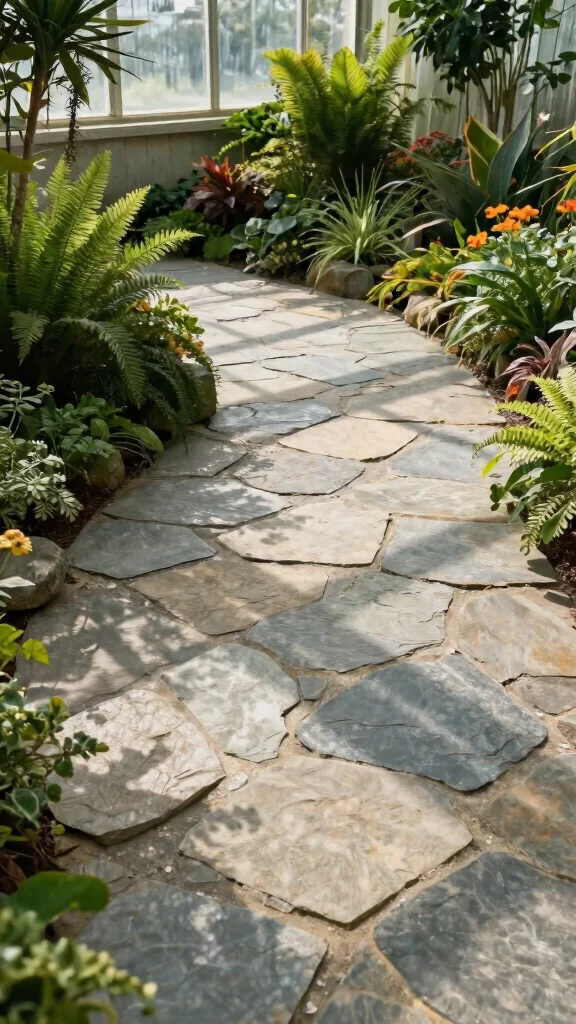
Flagstone flooring introduces a stunning natural aesthetic to your greenhouse, creating an enchanting atmosphere reminiscent of outdoor gardens. Each uniquely shaped stone contributes to a one-of-a-kind visual appeal while promoting excellent drainage, making it a practical choice for your plant care needs. Imagine walking barefoot on these natural stones, connecting you more deeply with the earth and your gardening passion.
For installation, lay the stones with gaps to allow for drainage and fill these spaces with gravel or sand for stability. This method not only ensures functionality but also aligns with the increasing trend of integrating nature into interior spaces.
Explore these tips for enhancing your flagstone flooring:
– Incorporate ground cover plants to fill gaps and soften the look.
– Ensure proper sealing of stones to resist moisture damage.
– Arrange stones in a pattern for added visual interest.
This flooring option beautifully merges style with practicality, allowing your greenhouse to flourish while maintaining a luxurious outdoor feel.
Recommended Products

Do you love barn wood? You want real weathered wood? This is it! The real deal!

Acacia Wood Tiles: Crafted from 100% natural acacia wood with a durable PPC base, each tile features dual-layer waterproof oil coating and smooth, safe surfaces for outdoor elegance. Wooden tiles are FSC-certified for lasting performance.

NATURAL ACACIA WOOD — Ourinterlocking wooden tiles are made from natural acacia wood with water-basedpaint and a high-quality PVC plastic base. These wooden tiles are resistant tocracking in high humidity conditions, ensuring a long-lasting performance
4. Pebble Flooring
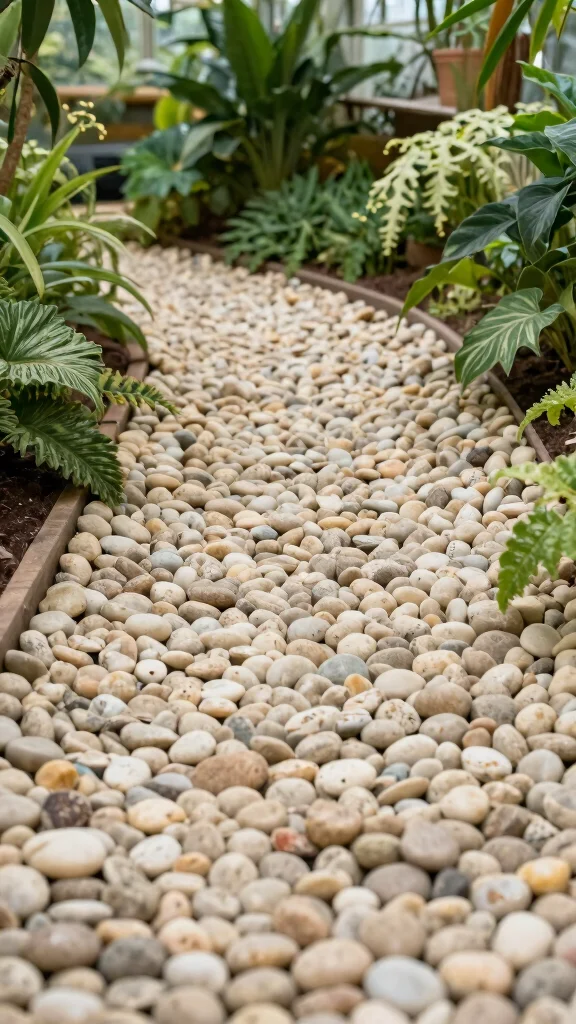
Pebble flooring delivers a unique tactile experience to your greenhouse, evoking a relaxed, beach-like ambiance. The natural softness of pebbles underfoot makes spending time in your greenhouse a delight, ensuring comfort while you nurture your plants. This flooring option also boasts excellent drainage, crucial for maintaining a healthy growing environment.
Installation involves setting pebbles in a strong adhesive on a solid concrete base, ensuring they remain secure while allowing water to flow freely. This practical choice aligns with the trend towards natural and organic materials that enhance the gardening experience.
Consider these ideas to maximize the benefits of pebble flooring:
– Use larger stones around the edges for a defined border.
– Mix pebbles of various colors for a vibrant look.
– Add stepping stones for easy access to planting areas.
This flooring option not only offers a comfortable walking surface but also elevates your greenhouse’s aesthetic with its natural charm.
Recommended Products

𝐏𝐑𝐄𝐌𝐈𝐔𝐌 & 𝐃𝐔𝐑𝐀𝐁𝐋𝐄 𝐀𝐂𝐀𝐂𝐈𝐀 𝐖𝐎𝐎𝐃: Made from 100% natural acacia wood with a deep-oil finish, these interlocking decktiles are sturdy, water-resistant, and built for outdoor conditions. Sanded smooth for a premium wood grain look, a smooth-finished surface, and a noticeably smoother barefoot feel – comfortable for families and pets.

Multi-scene Versatility: Our garage tiles for multiple uses truly cover various scenarios. Whether it's a professional garage needing protection, or adding a comfortable shield in a personal warehouse, repair shop, or car exhibition, garage floor covering tiles are up to the task. Note: Products purchased before 2024 are not compatible with the upgraded interlocking system of the 2024 model

𝐏𝐑𝐄𝐌𝐈𝐔𝐌 & 𝐃𝐔𝐑𝐀𝐁𝐋𝐄 𝐀𝐂𝐀𝐂𝐈𝐀 𝐖𝐎𝐎𝐃: Made from 100% natural acacia wood with a deep-oil finish, these interlocking decktiles are sturdy, water-resistant, and built for outdoor conditions. Sanded smooth for a premium wood grain look, a smooth-finished surface, and a noticeably smoother barefoot feel – comfortable for families and pets.
5. Terracotta Tiles

Terracotta tiles bring a warm, Mediterranean vibe to your greenhouse, creating an inviting atmosphere perfect for nurturing plants. Known for their earthy tones and durability, these tiles not only enhance the visual appeal but also absorb moisture, making them ideal for areas with frequent watering activities. Imagine the rustic charm they add to your gardening space, inviting you to spend more time tending to your plants.
For installation, ensure a solid base to avoid cracking, and consider sealing the grout lines for extra protection against stains. This flooring option is increasingly popular among gardeners seeking both style and functionality in their green spaces.
Here are some tips to enhance your terracotta tile flooring:
– Match tile colors with your plants for a harmonious look.
– Use colorful rugs to add texture and warmth.
– Incorporate natural elements like wood for contrast.
This flooring choice not only enriches your greenhouse with vibrant colors but also promotes a warm and inviting environment for gardening.
Recommended Products
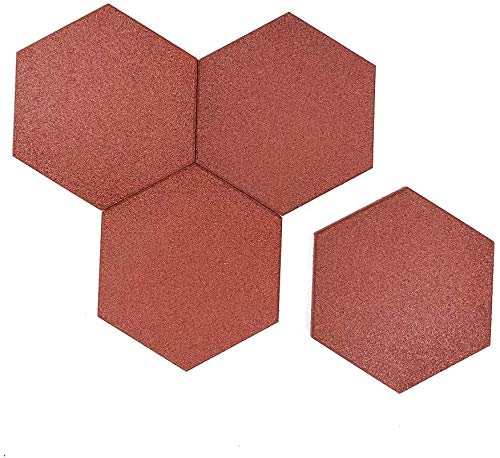
Made of soft rubber material, flex, anti-slip and comfortable. It is wear-resistant and durable, had very good elasticity, and is comfortable for your feet
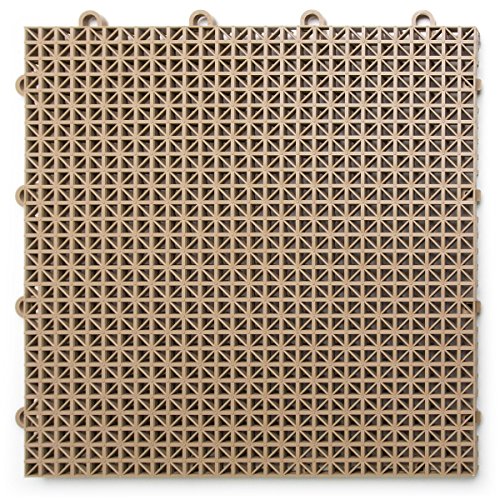
Perfect Resurfacing Solution – Cost-effective way to upgrade worn-out decks, patios, pools, gardens, basements, and mudrooms without repainting or staining.

This paver is made of heavy duty SBR rubber granules that make it flexible, anti-slip, and anti-static.
6. Rubber Flooring
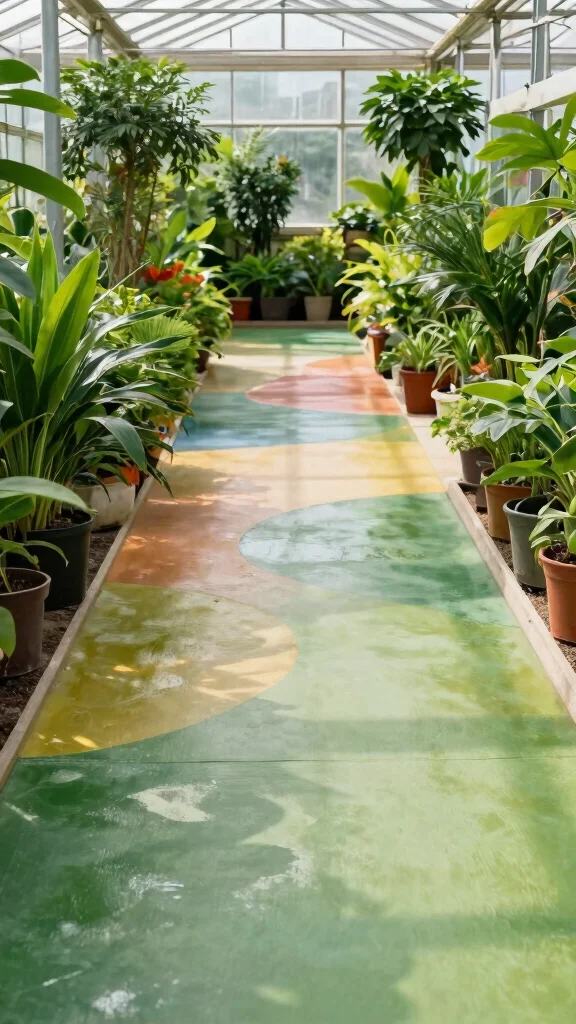
Rubber flooring is an often-overlooked gem that offers comfort and practicality for your greenhouse. Its soft surface is gentle on your feet, making it ideal for long hours spent caring for your plants. Additionally, rubber is water-resistant and easy to clean, ensuring your greenhouse remains tidy and functional.
Installation is straightforward, available in rolls or tiles, and you can select high-quality rubber designed to endure humid conditions. This flooring choice is gaining popularity among gardeners who prioritize comfort and ease of maintenance in their greenhouses.
Explore these ideas to make the most of rubber flooring:
– Choose bright colors to add a playful touch.
– Regularly sweep and mop to keep it looking fresh.
– Use mats in high-traffic areas for extra traction.
This flooring option not only enhances comfort but also contributes to a vibrant and inviting atmosphere in your gardening space.
Recommended Products

Waterproof Flooring Underlayment: Features a built-in 6 mil vapor barrier, ideal for underlayment for vinyl plank flooring, laminate giving you a long-lasting floor. Enhanced…
Key Trade-offs & Our Top Pick
When choosing a greenhouse floor, you want a balance between style and practicality. Here’s a breakdown of some of the most popular options to help you decide which greenhouse floor ideas suit your needs best.
Option Name: Reclaimed Wood Planks
– Pros:
– Eco-friendly and unique aesthetic ✔
– Provides good insulation for plants
– Cons:
– Can be prone to rot and pests if not treated
– Requires regular maintenance to prevent wear
– Best for: Gardeners looking for a rustic look with a sustainable twist.
Option Name: Concrete Slab
– Pros:
– Extremely durable and low-maintenance
– Provides a solid base for heavy equipment
– Cons:
– Can be cold, affecting soil temperature
– Limited in terms of aesthetic appeal
– Best for: Those seeking a long-lasting, practical solution without much fuss.
Option Name: Pebble Flooring
– Pros:
– Allows for good drainage, preventing water pooling
– Offers a natural look that blends well with plants ✔
– Cons:
– Can be uncomfortable to walk on for long periods
– Weeds can easily grow among the pebbles
– Best for: Homeowners wanting a naturalistic feel while ensuring good drainage.
Option Name: Eco-Friendly Cork Flooring
– Pros:
– Soft and comfortable underfoot, great for standing long hours
– Naturally resistant to mold and mildew ✔
– Cons:
– Can be more expensive relative to other options
– Needs a sealant to protect against moisture
– Best for: Greenhouse enthusiasts prioritizing comfort and sustainability.
Option Name: Gravel
– Pros:
– Highly cost-effective and easy to install
– Excellent drainage, preventing waterlogging
– Cons:
– Can be messy, with stones getting tracked inside
– Not suitable for heavy foot traffic or equipment
– Best for: Budget-conscious gardeners who need simple drainage.
Best Overall: Concrete Slab
Concrete slabs stand out as the best overall option. They offer durability and low maintenance, making them highly practical for various greenhouse layouts. They can hold up against heavy equipment and won’t crack under pressure. Plus, with a heated concrete slab, you can even control your greenhouse’s temperature, which is a bonus for indoor gardening design.
Why We Picked This:
While concrete is an excellent choice for most people, others might prefer reclaimed wood for its charm or pebble flooring for a more natural look. It’s all about what fits your style and gardening needs best. Consider factors like comfort, aesthetics, and maintenance to make the right choice for your greenhouse flooring.
Recommended Products

【Premium Material】 ToLanbbt interlocking floor anti-fatigue floor mats are constructed of blend of thickened PVC, with moderate softness and hardness, no special odor sustainable and durable.
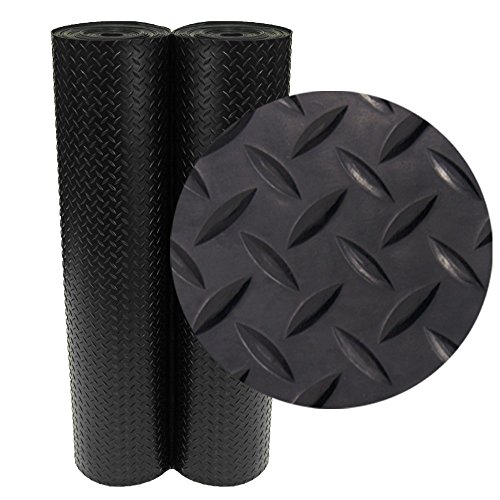
"Diamond-Plate" rubber protector mats will protect floors or industrial equipment

[Fast Drainage] Keep wet floors cleaner, drier and safer with an open-grid drainage design that quickly channels away water, soap and debris to help reduce standing water and improve traction. Perfect as an outdoor shower mat, pool mat, garage floor tiles, boat flooring or drainage mat for residential and commercial spaces.
7. Stone Pavers

Stone pavers create an impressive and robust flooring solution for your greenhouse, allowing for flexible design with various patterns and sizes. Their rustic appeal beautifully complements plant life while providing excellent drainage and durability, making them ideal for high-traffic areas.
For installation, use a sand base to level the pavers, ensuring stability and preventing water accumulation. This flooring choice aligns with the trend of using natural materials to create harmonious indoor-outdoor living spaces.
Consider these tips to enhance your stone paver flooring:
– Mix different stone types for a dynamic appearance.
– Use ground cover plants to soften edges and fill gaps.
– Arrange pavers in a pattern that enhances visual interest.
This flooring option not only provides a sturdy base but also adds character and charm to your greenhouse environment.
You might also like

8. Vinyl Flooring
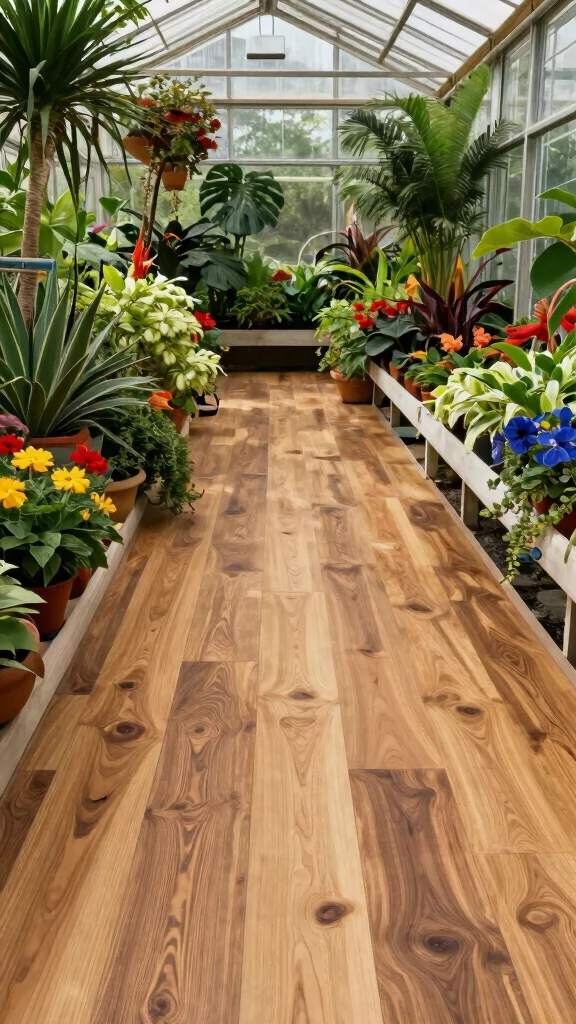
Vinyl flooring presents an affordable yet stylish solution for your greenhouse, offering a myriad of designs and colors to match your personal style. This practical option is water-resistant and easy to maintain, making it perfect for environments exposed to moisture.
Installation is user-friendly, often involving a peel-and-stick application, and selecting high-quality vinyl ensures durability in humid areas. This flooring choice is perfect for gardeners looking for a cost-effective yet attractive option.
Here are some tips for optimizing your vinyl flooring:
– Choose vinyl that mimics natural stone or wood for added style.
– Clean up spills promptly to maintain safety.
– Consider using vinyl with a textured surface to prevent slipping.
This flooring option combines functionality with aesthetic appeal, creating a bright and welcoming environment for your plants.
Fun fact: Vinyl flooring can cut greenhouse remodel costs by up to 40% while delivering rainproof durability. It comes in wood or stone looks, is easy to install, and stays resilient in humidity—perfect for practical greenhouse floor ideas.
9. Gravel

Gravel flooring adds a rustic, natural touch to your greenhouse while offering excellent drainage capabilities. This low-maintenance option allows excess water to flow freely, preventing pooling and ensuring a healthy environment for your plants. Imagine the crunch of gravel underfoot as you navigate your gardening oasis.
To install, lay landscaping fabric to prevent weeds, followed by a layer of smooth gravel for comfort. This practical flooring choice is increasingly favored by gardeners who appreciate the simplicity and effectiveness of natural materials.
Consider these ideas to enhance your gravel flooring:
– Use larger stones as a border to define the area.
– Incorporate stepping stones for easy access to plant beds.
– Mix gravel colors for visual interest.
This flooring option not only offers practicality but also contributes to the serene and organic feel of your gardening space.
10. Bamboo Flooring
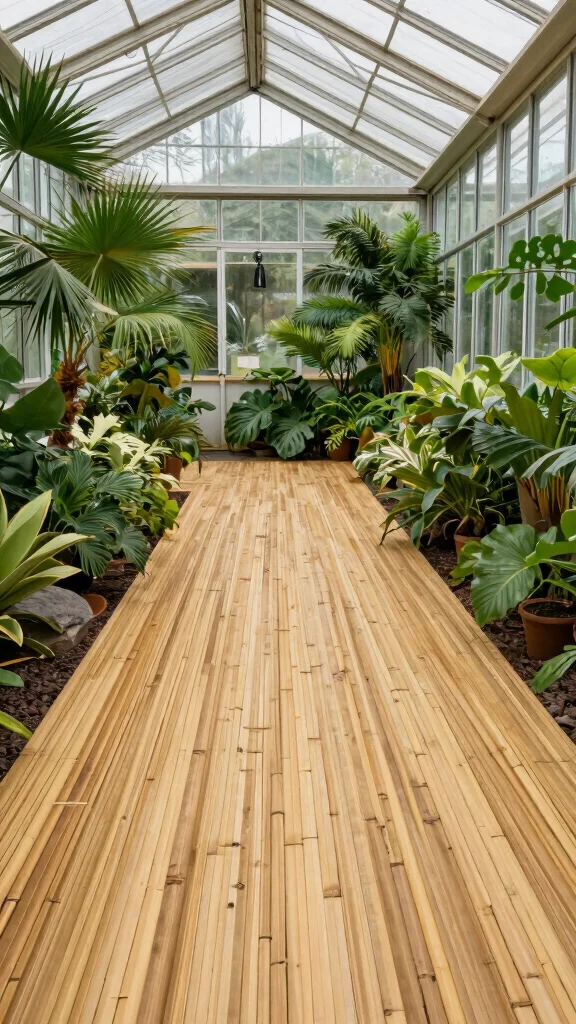
Bamboo flooring stands out as an eco-friendly choice that brings a modern aesthetic to your greenhouse. This sustainable material is naturally moisture-resistant, making it a smart option for humid environments. With its unique grain and color variations, bamboo adds a stylish touch while promoting a healthy atmosphere for your plants.
Ensure the bamboo is treated for moisture resistance during installation, and consider applying a sealant to protect against spills. This flooring choice resonates with the growing trend of incorporating sustainable materials into design.
Here are some tips to maximize your bamboo flooring experience:
– Pair with neutral decor for a cohesive and modern look.
– Regularly clean to maintain its beauty and longevity.
– Use area rugs for added comfort in seating areas.
This flooring option not only enhances your greenhouse’s style but also supports an eco-conscious lifestyle, creating a harmonious space for your gardening pursuits.
11. Modular Interlocking Tiles
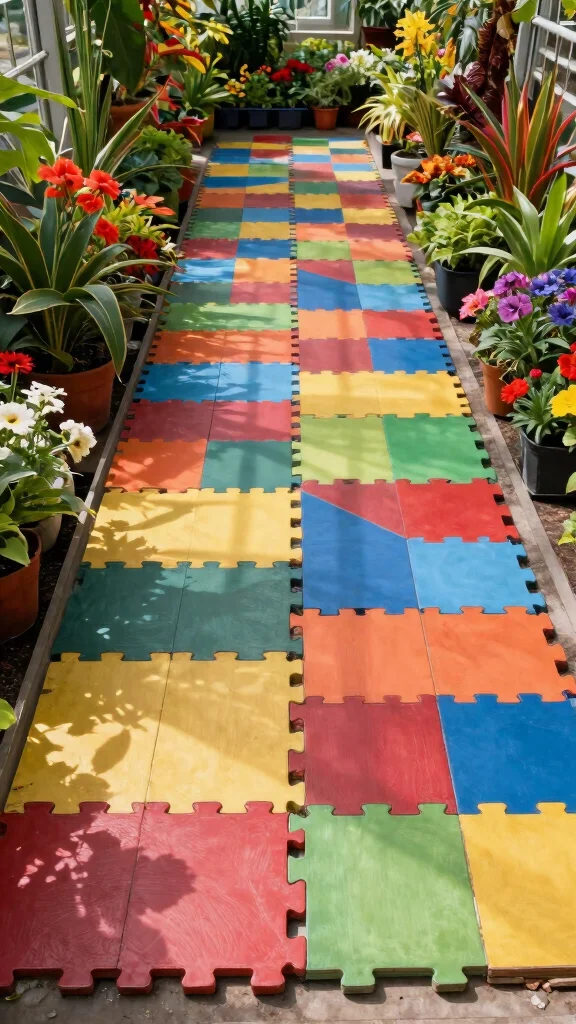
Modular interlocking tiles present a customizable and straightforward flooring solution for your greenhouse. Available in various colors and patterns, these tiles allow you to express your personal style while benefiting from an eco-friendly option made from recycled materials. Imagine the fun of creating unique designs that reflect your gardening passion.
Installation is easy; simply snap the tiles together, ensuring an even layout for best results. This flooring choice is popular among gardeners who appreciate flexibility and ease of maintenance.
Explore these ideas to enhance your modular tile flooring:
– Use contrasting colors to create striking patterns.
– Choose textured tiles for added grip and comfort.
– Mix and match designs to keep your space fresh.
This flooring option combines practicality with creative expression, resulting in a vibrant and inviting atmosphere in your greenhouse.
12. Eco-Friendly Cork Flooring

Cork flooring offers an innovative and sustainable option that feels comfortable underfoot, reducing fatigue during long hours in your greenhouse. Naturally resistant to mold and mildew, cork is well-suited for humid environments and provides excellent insulation to maintain consistent temperatures. Imagine a cozy and warm foundation as you tend to your plants.
Select a water-resistant sealant during installation to protect cork from moisture and prolong its lifespan. This flooring choice aligns with the rising interest in eco-friendly materials that enhance indoor gardening experiences.
Consider these tips for optimizing your cork flooring:
– Pair with bright accessories for a cheerful atmosphere.
– Regularly check and reseal to maintain waterproof qualities.
– Use cork mats in high-traffic areas for comfort.
This flooring option not only contributes to a healthy environment for your plants but also creates a warm and inviting space for you to enjoy.
Fun fact: cork flooring can last 25–30 years with proper sealing. Its natural structure resists mold and mildew, and a water-resistant sealant boosts longevity in humid greenhouses. A warm, eco-friendly base for greenhouse floor ideas keeps you comfy while tending your plants.
You Might Also Like
13. Indoor/Outdoor Carpeting
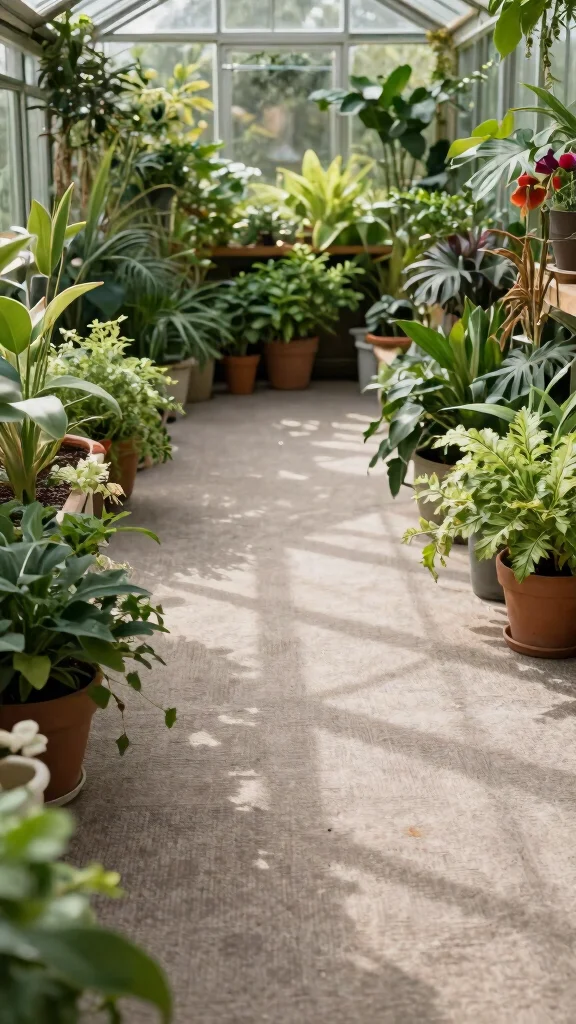
Indoor/outdoor carpeting provides a soft and inviting flooring option that enhances the comfort of your greenhouse. Designed to withstand moisture and heavy foot traffic, this practical choice enables you to create a cozy atmosphere ideal for gardening. With various styles and colors available, you can easily reflect your personal taste in your gardening space.
Ensure a solid base for installation to secure the carpet, and commit to regular cleaning to keep it vibrant and fresh. This flooring choice resonates with those who value both aesthetics and functionality in their greenhouse design.
Here are some tips for maximizing your indoor/outdoor carpeting:
– Opt for carpet tiles for easy replacement if damaged.
– Coordinate carpet colors with plant aesthetics for a cohesive look.
– Use rugs to delineate different areas within the greenhouse.
This flooring option not only adds comfort but also contributes to a warm and welcoming environment for your gardening activities.
14. Clear Polycarbonate Panels
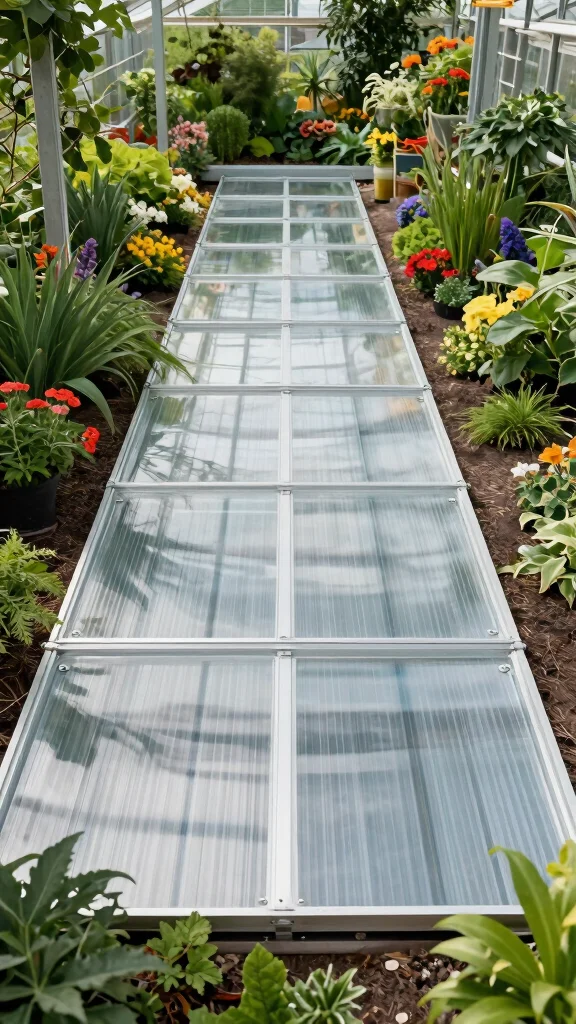
For a modern and innovative flooring choice, consider clear polycarbonate panels for your greenhouse. These lightweight and durable panels allow light to filter through while providing a contemporary aesthetic that enhances your space’s visual appeal. Imagine the unique contrast between the transparent flooring and the lush greenery surrounding you.
During installation, ensure a solid base to support the panels and think about drainage solutions to prevent water pooling. This flooring option is increasingly popular among those looking to create a bright and airy atmosphere in their greenhouses.
Explore these tips for enhancing your polycarbonate flooring:
– Use contrasting planters to highlight the unique flooring.
– Ensure the surface has texture to reduce slipping hazards.
– Incorporate lighting beneath for an enchanting glow.
This choice not only enhances the aesthetic of your greenhouse but also maximizes natural light, creating a vibrant environment for your plants.
15. Synthetic Turf

Synthetic turf presents a charming and low-maintenance flooring option for your greenhouse, offering a soft, natural look without the upkeep required for real grass. This flooring choice creates a cozy oasis, perfect for enjoying your gardening space with family and friends. Imagine the lush green feel underfoot as you cultivate your plants in this inviting environment.
Installation involves preparing the ground and laying a base layer before adding the turf; be sure to consider proper drainage for durability. This flooring option is becoming increasingly favored by those who seek a blend of aesthetics and practicality in their gardening spaces.
Consider these tips to enhance your synthetic turf experience:
– Pair with colorful garden decor for a playful touch.
– Regularly clean to keep it vibrant and fresh.
– Use turf for designated play areas for children or pets.
This flooring option not only provides a comfortable surface but also fosters a lively and enjoyable atmosphere in your greenhouse.
Fun fact: Synthetic turf can slash greenhouse maintenance time by up to 60%. It stays lush with minimal care, turning your greenhouse floor ideas into a soft, inviting space for family and friends to enjoy.
Conclusion
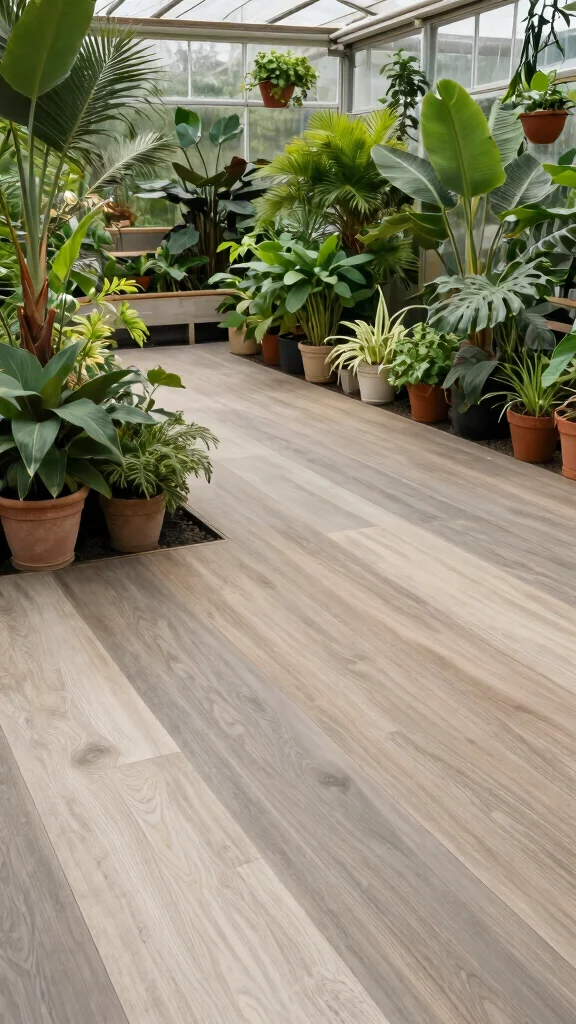
Choosing the right flooring for your greenhouse can significantly impact both the functionality and aesthetic of your space. From rustic reclaimed wood to modern synthetic turf, each option offers something unique and practical. By considering your gardening needs and personal style, you can create a beautiful and sustainable environment that nurtures your plants and enhances your gardening experience. Which of these greenhouse floor ideas resonates with you the most?
Frequently Asked Questions
What are the best greenhouse floor ideas for practicality and style?
Choosing greenhouse floor ideas that are both practical and stylish starts with drainage, durability, and ease of maintenance.
For a budget-friendly option, try a compacted gravel base with a heavy-duty weed barrier and edging; it provides excellent drainage and a natural look.
Perforated paving slabs or concrete pavers set with gaps offer a modern vibe while keeping the space airy.
If you want maximum durability and minimal maintenance, seal a concrete floor or apply an epoxy coating in high-traffic zones.
For a softer, more comfortable feel underfoot and a stylish look, consider interlocking rubber tiles or wooden decking with deliberate gaps.
When choosing from greenhouse flooring options, think about your climate, moisture level, and how you’ll move between zones in your greenhouse layout inspiration.
These ideas are all part of greenhouse floor ideas that bring function together with style.
Which greenhouse flooring options are most sustainable for indoor gardening design?
If sustainability is a priority, pick materials that last, recycle well, and have low embodied energy.
Recycled rubber tiles or tiles made from reclaimed plastic provide slip resistance and durability with a smaller footprint.
A crushed gravel base with a geotextile weave is ultra-low maintenance and emphasizes drainage.
Porous concrete or concrete infused with fly ash lowers cement content and reduces environmental impact.
For a warmer aesthetic, consider bamboo-composite or cork-look flooring that’s rated for humidity, or use reclaimed wood with proper sealing.
Align your choice with indoor gardening design goals and greenhouse layout inspiration to maximize space efficiency and sustainability.
How can I create stylish greenhouse bases that support plants and tools?
Stylish greenhouse bases start with a solid plan for height, storage, and access.
Build raised benches with a sturdy steel frame and a wooden or composite top to keep tools within reach while keeping soil away from walkways.
Integrate built-in planters into the base or use pedestal bases that raise beds to eye level for easier care.
Choose stylish greenhouse bases that contrast with wall color or flooring for a designer look, and make sure there’s enough clearance for hoses, carts, and cleaning.
By coordinating the base design with your floors, you create a cohesive greenhouse floor ideas that are as practical as they are pretty.
What practical floor materials work well for different climate zones and layouts?
Different climates demand different flooring: in humid zones, prioritize porous but stable surfaces (like gravel or perforated pavers) to prevent puddles; in drier zones, sealed concrete or epoxy is easy to clean and resists dust.
For greenhouse flooring options that fit various greenhouse layout inspiration setups, consider modular tiles that can be rearranged as your beds shift.
Always plan drainage, slope (aim for a gentle 1-2% toward drains), and access between paths.
These practical floor materials help your space stay comfortable and efficient across seasons.
How do I install and maintain an easy-to-clean greenhouse floor that lasts?
Start with a solid sub-base and proper drainage before selecting a surface.
If you’re using gravel, lay a weed barrier, then compact and frame with edging.
For hard surfaces, ensure a clean seal or coating option, and include expansion joints where needed.
A simple cleaning routine—sweep daily, wash with mild soap and water weekly, and reseal every few years for concrete or epoxy—keeps the floor looking fresh.
Inspect for cracks or weed growth in joints, and address promptly to extend life.
Following these steps keeps your greenhouse floor ideas practical and long-lasting, while staying true to indoor gardening design and greenhouse layout inspiration.
Recommended Products

"Diamond-Plate" rubber protector mats will protect floors or industrial equipment
"Diamond-Plate" rubber protector mats will protect floors or industrial equipment

– The drainage holes in these rubber floor kitchen mats can reduce the amount of slippery liquids and oils left on the floor, Anti Fatigue Design for backside to keep the Drainage Mat Stay in place.
Related Topics
greenhouse floor ideas
sustainable flooring
indoor gardening
practical materials
stylish bases
greenhouse layout
eco-friendly design
easy maintenance
DIY greenhouse
modern greenhouse
beginner gardening
seasonal gardening
Leave a Reply