
Creating a rooftop garden has become a popular way to transform urban living spaces into lush oases. If you’re dreaming of fresh herbs, colorful flowers, or even a little vegetable patch above the hustle and bustle, you’re not alone. Many city dwellers crave a touch of nature without having to leave their apartments. In this post, I’ve gathered 20 rooftop garden ideas that will help you design an inviting and functional green space, no matter the size of your balcony or rooftop.
If you’re someone who is passionate about home decor and loves the idea of urban gardening, this guide is made for you. Whether you’re a seasoned green thumb or just starting your gardening journey, these ideas can inspire you to create a stunning rooftop garden. From cozy seating areas to edible plant selections, you’ll find options that cater to every taste and lifestyle.
By browsing through these ideas, you’ll discover practical tips and tricks for maximizing your space, enhancing your outdoor experience, and embracing sustainable practices. With a little creativity and effort, you can turn your rooftop into a vibrant retreat that brings tranquility into your busy life.
Key Takeaways
– Explore vertical gardening techniques to make the most of limited space; climb higher instead of spreading out.
– Consider edible gardening to grow your own herbs and vegetables; this adds both beauty and function to your rooftop.
– Design cozy seating areas for relaxation and social gatherings; think about comfortable seating that invites you to linger.
– Implement sustainable gardening practices like composting or using rain barrels; these eco-friendly choices help maintain your garden.
– Enhance your space with seasonal planting to enjoy year-round color and interest; switch up your plants to keep your garden fresh.
Recommended Products

SAVE FLOOR SPACE – Stackable vertical planter tower

MADE IN THE USA – SUPPORTS 3 SMALL BUSINESSES Proudly manufactured in the United States. Every Smart Spring planter purchased directly supports three small U.S. businesses, helping keep jobs and production local.

The GreenStalk system is proud to be designed and manufactured completely in East TN. Made with high quality, BPA-free, UV-resistant plastic with a 5 year warranty
1. Vertical Gardening: Maximize Your Space

Are you looking to make the most of your rooftop space? Vertical gardening offers a creative solution by allowing you to grow plants upwards rather than spreading out. This method not only saves valuable space but also creates a striking visual display with climbing plants like peas, beans, and vibrant flowering vines that add flair to your garden.
Using vertical planters and wall-mounted pots can transform your urban oasis into a lush retreat.
Here are some key benefits you’ll enjoy:
Maximizes limited space.
Creates a stunning visual effect.
Easy access to plants for maintenance and harvesting.
For the best results, choose lightweight planters and plants suited to your local climate. Mixing colors and textures will make your vertical garden truly pop while attracting pollinators to encourage biodiversity.
Suggested plants include:
– Climbing roses
– Sweet peas
– Various herbs like thyme and oregano.
Recommended Products

Perfect Support for Climbing Plants:Designed for climbing and vining plants, this tall plant trellis provides reliable support for indoor and outdoor potted plants, helping them grow upright and healthy.

Unique Design: Our potted plant trellis for climbing plants designed specifically to be superimposed, and easy to adjust as the plants grow; The mini garden trellis give your climbing plants the support they need to grow their best

Weather-Resistant Garden Trellis: This 6ft garden obelisk trellis is made with PE-coated steel and plastic connector rings to help resist outdoor rust and weather exposure. Insert the trellis at least 10in into soil for better stability in gardens, yards, raised beds, or large pots.
2. Edible Garden: Grow Your Own Food
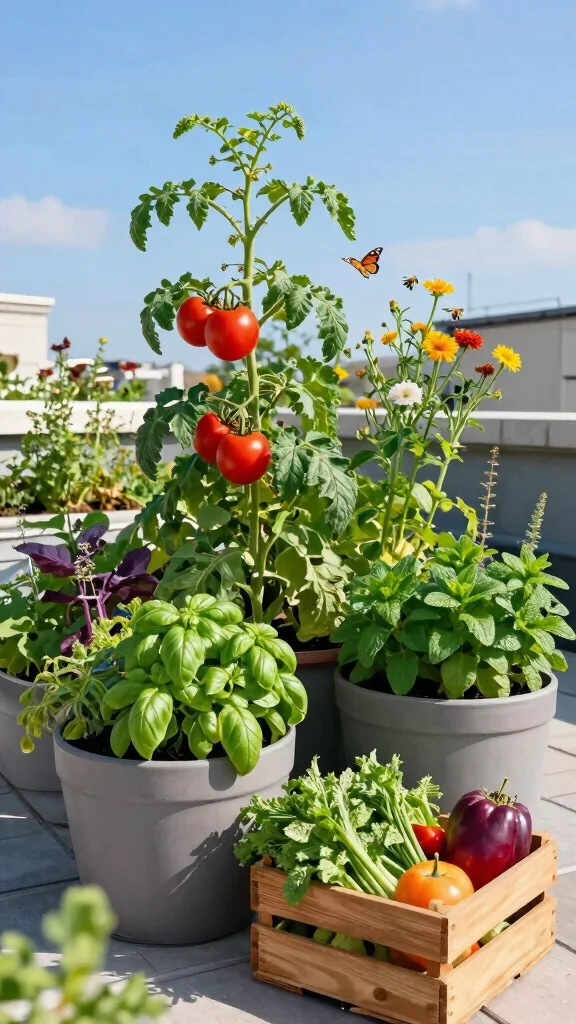
Ever thought about turning your rooftop into a mini farm? An edible garden allows you to grow fresh vegetables, fruits, and herbs right at home. Imagine plucking ripe tomatoes or fragrant basil for your next meal! This not only brings fresh flavors to your kitchen but also promotes sustainability by reducing your carbon footprint.
Growing your own food encourages healthier eating habits and gives you a sense of accomplishment.
Key benefits include:
Access to fresh produce.
Encourages a healthier diet.
Provides a sense of accomplishment.
To get started, choose deep containers for root crops and consider companion planting to enhance growth. Suggested plants for your rooftop garden include:
– Tomatoes
– Peppers
– Lettuce
– Strawberries
– Basil and mint.
Using raised beds can help manage drainage and make your garden easier to care for.
Recommended Products

Indoor Herb Garden Planter with Tray – Add greenery to your home with this vintage metal windowsill planter. Herb planters for indoor plants with a farmhouse touch. Place the indoor herb planter on your kitchen counter or display the small herb planter as an apartment window planter.


3. Cozy Seating Areas: Create Your Oasis

What’s a rooftop garden without a cozy place to unwind? Create inviting seating areas with lounge chairs, hammocks, or a small outdoor sofa. Add cushions and blankets for extra comfort. Choosing weather-resistant materials ensures your space remains stylish and functional, allowing you to enjoy your garden while sipping coffee or reading a book.
Having a relaxing spot enhances the overall aesthetic and functionality of your garden.
Benefits include:
Provides a relaxing space.
Enhances the aesthetic of your garden.
For the best experience, select durable outdoor furniture and include soft lighting like fairy lights or lanterns for a charming evening ambiance. Position seating to face an attractive view or focal point to create a perfect escape in your rooftop oasis.
Recommended Products

【 Vertical Raised Garden Bed with Trellis】Perfect for home gardening lovers, this herb planter outdoor with 4 garden boxes let you plant vegetables, herbs, and flowers in separate plant bed while the 11-inch trellis supports climbing plants like tomatoes, strawberries, vines, and peppers. The balcony raised garden beds outdoor with legs creates an optimal environment for your plants to thrive.

【Vertical Garden Planter】 Elevate your gardening game with Taleco Gear's 5-tier vertical garden planter made of robust powder-coated metal.

4. Container Gardening: Versatile and Stylish

Are you short on space but still want a vibrant garden? Container gardening is the perfect solution! It allows you to mix and match various plants while easily rearranging them to fit your style. Choose pots that complement your rooftop’s aesthetic, whether sleek and modern or rustic and charming.
This method offers flexibility and ease of maintenance, making it ideal for urban settings.
Here are some benefits of container gardening:
Flexibility in design and arrangement.
Easy to manage and maintain.
Ensure proper drainage in your containers to prevent overwatering, and group plants with similar needs for best results. Suggested container options include:
– Terracotta pots
– Metal buckets
– Woven baskets.
Think about using colorful or decorated containers that reflect your personality, creating a stunning visual impact.
Recommended Products

Strong Support for Your Plants: With the help of this Qaobo garden trellis for climbing plants, the cirrus or leaves of your plants will gain strong and sturdy support from these trellis for climbing plants outdoor, with which they can have more contacting areas to get sunlight, thus they will grow vigorously and climb higher.

Complete Set – This set includes 2 high-quality rustproof metal plant trellises, along with an additional pack of plant ties. With the help of these ties, plants can be fixed easily, effectively preventing vines from growing in a disorganized manner and supporting the healthy and vigorous growth of plants

Mini Plant Support: The small plant trellis for pots indoor and mini climbing plants trellis for outdoor and potted blueberry trellis are great for propping up wayward stems and droopy branches on smallish plants, getting trailing plants off the ground or table. The indoor trellis for climbing plants and plant lattice stakes for indoor plants also perfect for helping to stabilize potted plants. The size: 5.91"W x 10.24"H
5. Herb Spirals: Space-Saving and Functional
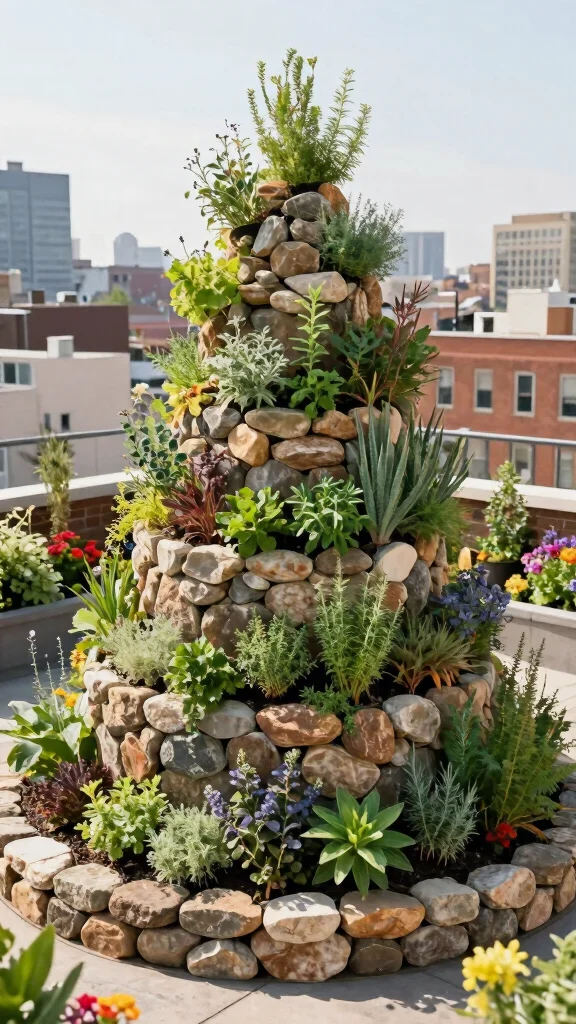
Looking for a unique way to grow herbs? An herb spiral is an innovative design that maximizes space while creating different microclimates for various herbs. This structure is not only practical but also serves as a beautiful focal point in your garden.
With an herb spiral, you can cultivate a variety of herbs in a compact area, enhancing both beauty and utility.
Benefits include:
Efficient use of space.
Creates varied growing conditions.
To build your spiral, use stable stones or bricks and plant herbs from the top down according to their light needs. Suggested herbs for your spiral include:
– Basil
– Parsley
– Rosemary
– Chives.
This design also attracts beneficial insects, enriching your rooftop ecosystem.
Recommended Products
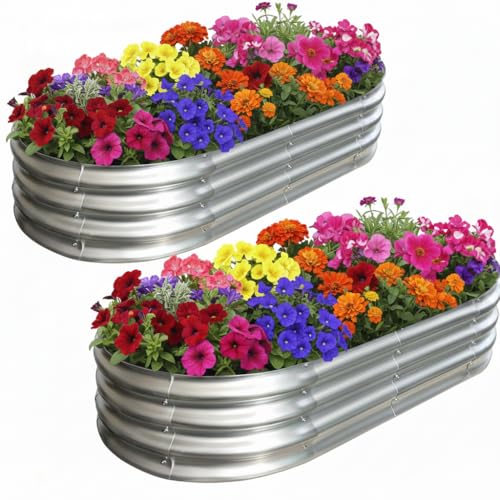
Discover the ergonomic elegance of our oval design—engineered for stress-free gardening and visual appeal. Raised flower bed features a heavy-duty construction using secure clamps and bolts, making it the best choice raised garden bed for hassle-free assembling and long-term garden fun, even for beginners or seniors.

🍅【PREMIUM MATERIAL】Fabric raised garden bed is made of premium quality thickened non-woven fabric, designed with reinforced stitching, which is reusable and durable for long time use. With the plant grow bags, your plants will grow well in your balconies, backyards, terrance or patios.

6. Sustainable Gardening Practices: Eco-Friendly Choices
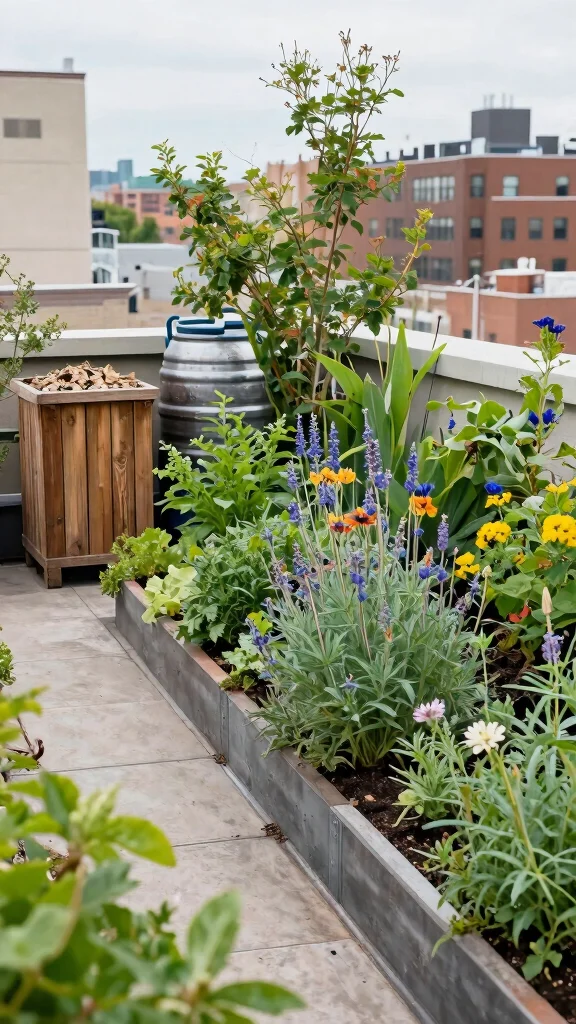
Are you passionate about protecting the environment? Incorporating sustainable practices into your rooftop garden is a great way to contribute. Use organic soil, collect rainwater in barrels, and choose native plants that require less care. This approach not only minimizes your carbon footprint but also supports local wildlife.
By being eco-friendly, you create a beautiful, sustainable environment right in the heart of the city.
Benefits include:
Reduces environmental impact.
Supports local ecosystems.
Research native plants that thrive in your area, as they usually need less maintenance. Utilizing compost bins for kitchen waste creates nutrient-rich soil, promoting a healthier garden.
Planting native species fosters local pollinators like bees and butterflies, enhancing the biodiversity of your rooftop.
Recommended Products
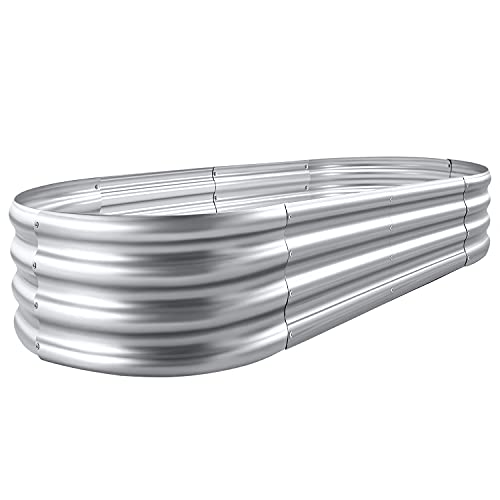
Each raised metal garden bed size: 4×2×1ft ,7.14Cu

Raised Garden Bed – Add a new level of convenience to your gardening experience with the Galvanized Raised Garden Bed. Enjoy expanded yield and a more assembled garden layout with this garden accessory, each sized at 120 cm X 60 cm x 30 cm.

7. Decorative Pathways: Guide the Way

Want to enhance the beauty of your rooftop garden? Decorative pathways are a functional and stylish addition. Use materials like gravel, stepping stones, or recycled wood to create inviting paths that guide visitors through your garden and define areas.
These pathways not only add structure but also make your garden feel organized and accessible.
Benefits include:
Adds structure to your garden.
Provides clear walking areas.
For a striking look, use contrasting materials to highlight the pathways against the greenery. Consider adding low-level lighting for safe navigation at night. Pathways can also be a canvas for creative designs—think colorful stones or artistic arrangements to make them a standout feature.
Recommended Products

【Universal Fit & Flexible Installation for Downspouts】This downspout diverter is designed to accommodate both standard 2"x3" downspouts and oversize 3"x4" downspouts. It features a reversible spout, allowing for left or right placement to suit your needs. With a generous 4-foot long, 1-1/4" reinforced hose, it easily reaches your rain barrel, no matter where it is located

50-Gallon Capacity: Provides ample storage for harvested rainwater, ideal for watering gardens, lawns, and plants.

Large Rain Catcher Barrel: The Raincatcher 4000 holds up to 50 gallons (189L), helping you conserve water and reduce your water bills while supporting resource-efficient gardening practices.
8. Water Features: Create Tranquility

Looking to add a sense of calm to your rooftop garden? Water features, such as fountains, ponds, or birdbaths, introduce soothing sounds that create a peaceful atmosphere. A recirculating pump can keep the water fresh and minimize maintenance.
Water elements not only enhance relaxation but also attract birds and wildlife, enriching your garden experience.
Benefits include:
Enhances relaxation and tranquility.
Attracts birds and other wildlife.
Select a water feature that fits your rooftop’s scale and incorporate surrounding plants for a natural look. The presence of water can also help cool your space during hot days, making your garden more enjoyable.
You might also like


How To Choose the Right Plants for Your Rooftop Garden
To create a vibrant rooftop garden, selecting the right plants is essential. The plants you choose should thrive in your urban environment. Here are some tips to help you make the best decision for your rooftop oasis:
1. Consider Light Conditions
Evaluate how much sunlight your rooftop receives throughout the day. Most rooftop gardens get full sun, but some areas may have partial shade. Choose plants that match the light conditions. Sun-loving plants include tomatoes and marigolds, while shade-tolerant options are ferns and hostas.
2. Assess Wind Exposure
Rooftops can be windy, which impacts plant health. Check how strong the winds are in your space. Plants that can withstand wind include ornamental grasses and succulents. Consider adding windbreaks like trellises or screens to protect more delicate plants.
3. Evaluate Space and Size
The amount of space you have will dictate your plant selection. Consider using vertical gardening techniques to maximize small areas. Use climbing plants like peas or beans that grow upward rather than outward. For larger spaces, mix shrubs with perennials to add variety and depth.
4. Think About Your Garden’s Purpose
Decide if you want an edible garden, a decorative space, or both. If you want to grow food, focus on herbs, vegetables, and fruits that can thrive in containers. If aesthetics are your goal, look for flowering plants and ornamental grasses to provide color and texture.
5. Choose the Right Containers
The containers you select will affect your plant’s growth. Ensure they have adequate drainage to prevent root rot. Lightweight options are best for rooftops to reduce load. Look for containers made of materials like fiberglass or resin for durability and ease of movement.
6. Consider Seasonal Changes
Think about plant selection based on seasons. Choose a mix of perennials for year-round interest and annuals for seasonal color. By planning for seasonal changes, you can enjoy blooms, foliage, and harvests throughout the year.
Pro Tip: Always start with a few plants and expand as you learn what works best for your rooftop garden. This will help you avoid overwhelming yourself and allow you to adjust your strategy based on what thrives in your unique environment.
9. Lighting: Set the Mood
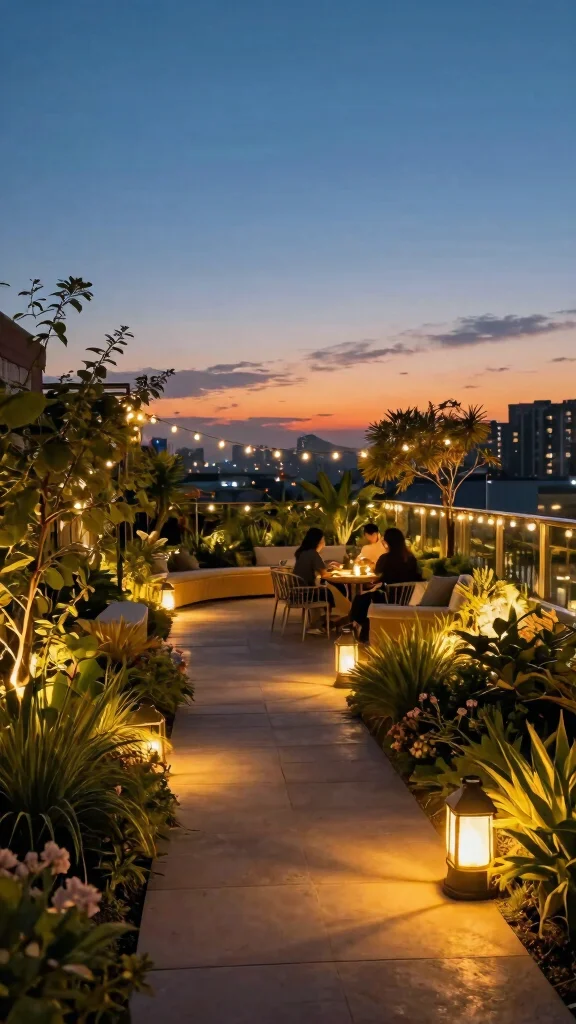
Want to enjoy your rooftop garden after dark? Proper lighting is essential for creating a cozy atmosphere. Use string lights, lanterns, or solar-powered garden lights to illuminate pathways, seating areas, and focal points, enhancing your outdoor experience.
Good lighting extends the usability of your space while creating a magical ambiance at night.
Benefits include:
Extends the usability of your outdoor space.
Creates a magical ambiance at night.
Mix different types of lighting to create depth and interest, and opt for warm-colored bulbs to enhance comfort. Be mindful of light pollution by using soft, subtle lighting that won’t disturb your neighbors or local wildlife.
10. Seasonal Planting: Year-Round Enjoyment
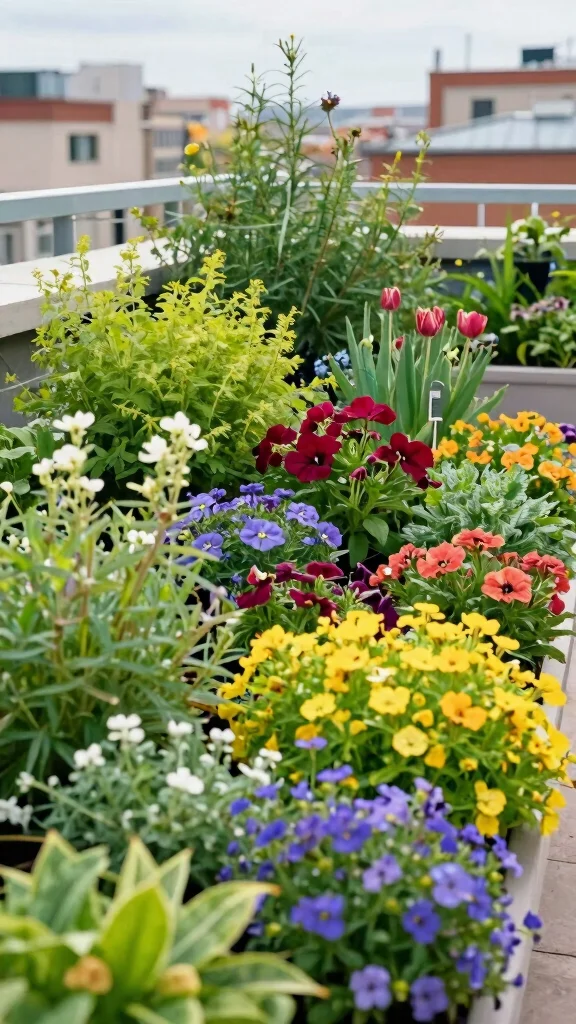
Do you want your rooftop garden to flourish all year? Embrace seasonal planting to keep your space vibrant with plants that thrive in your local climate, changing with the seasons. This not only keeps the garden looking fresh but also offers harvesting opportunities throughout the year.
With careful planning, your garden can remain dynamic and full of life.
Benefits include:
Keeps your garden dynamic.
Provides fresh produce year-round.
Plan your planting schedule and consider using a calendar to track your planting dates. Mixing annuals and perennials adds variety in color and texture, creating a lively rooftop canvas that surprises and delights you and your guests.
11. Floating Planters: A Unique Touch
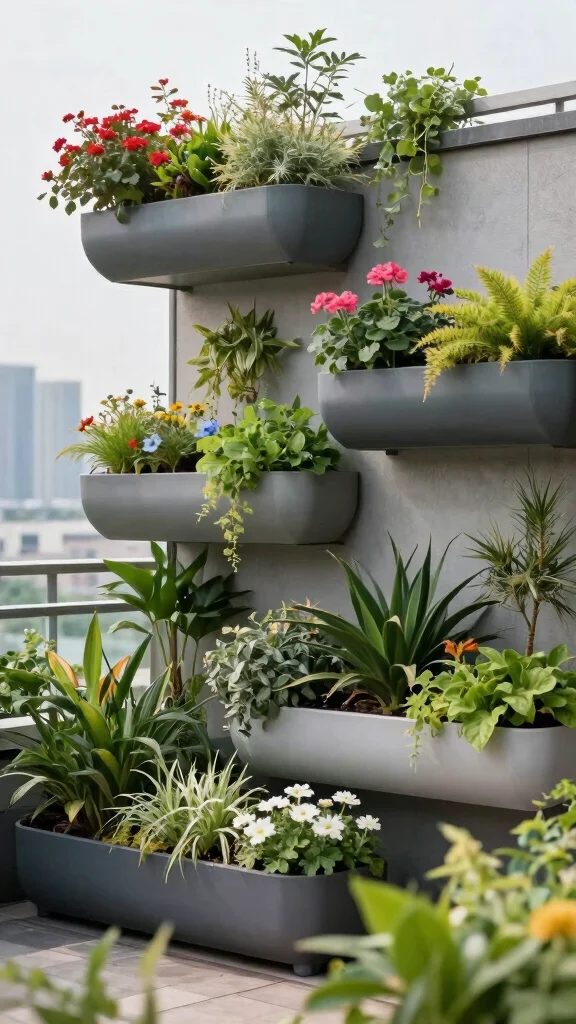
Looking to add a contemporary flair to your rooftop? Floating planters offer a creative way to introduce greenery without taking up valuable ground space. Mounted on walls or suspended from ceilings, these planters create visual layers and can house herbs, succulents, or cascading flowers.
They not only save floor space but also add an element of style to your garden.
Benefits include:
Saves floor space and adds height.
Creates a contemporary and trendy look.
Ensure the planters are securely mounted to support the weight of your plants, and choose varieties suited to their specific location. Floating planters can serve as living wall art, allowing you to express your creativity in your rooftop design.
Fun fact: Floating planters can free up to 40% of rooftop ground space while adding up to 50% more vertical presence. This sleek setup makes herbs and cascading flowers easy to reach—perfect for modern rooftop garden ideas.
Recommended Products


SIZE: The plant bed measure is 23.6"L x 23.6"W x 11.8"H. This round planter box provide ample growing space to raise vegetables, flowers and plants.

Pack of 2 Raised Garden Bed- Add a new level of convenience to your gardening experience with the Galvanized Raised Garden Bed. Enjoy expanded yield and a more assembled garden layout with this garden accessory, each sized at 120 cm X 60 cm x 30 cm.
12. Shade Solutions: Beating the Heat
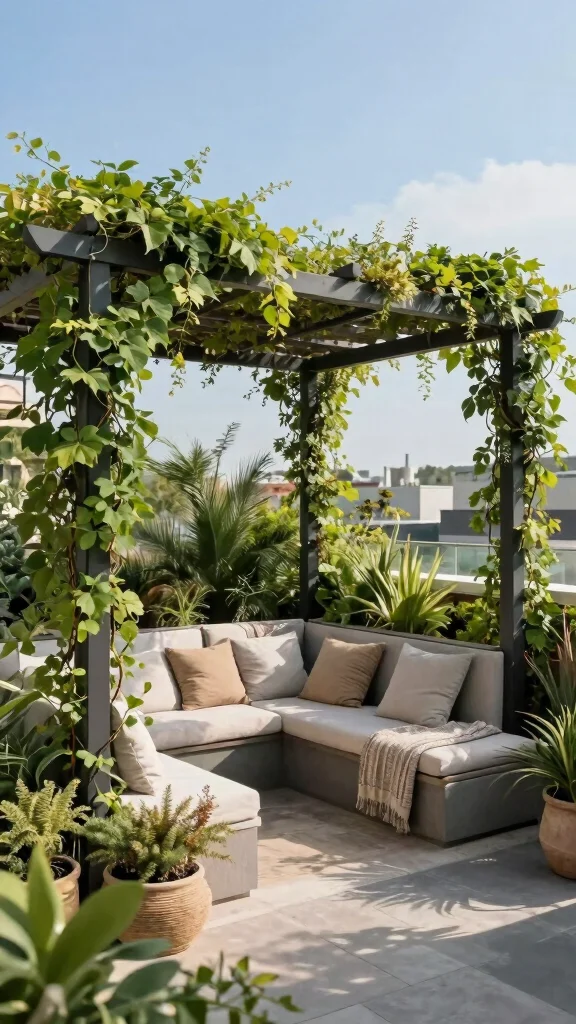
Are you looking for relief from the sun on your rooftop? Creating shaded areas is essential for comfort during hot months. Options like shade sails, umbrellas, or pergolas can transform your garden into a cool retreat, allowing you to enjoy your outdoor space during the day.
Shaded spots increase the usability of your garden and create a cozy environment for relaxation.
Benefits include:
Increases usability during hot weather.
Creates a cozy environment for relaxation.
Position shade structures where you spend the most time and consider combining them with climbing plants for a natural canopy. Using natural materials like wood can help your structures blend seamlessly with the garden.
13. Wildlife Sanctuary: Attracting Local Fauna
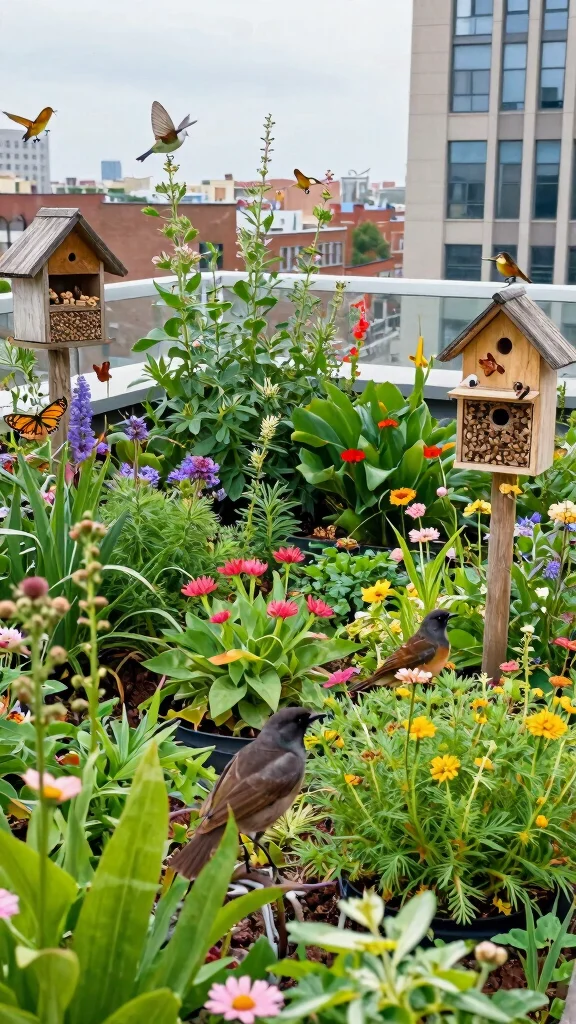
Want to enhance the biodiversity of your rooftop garden? Creating habitats for local wildlife is a wonderful way to engage with nature. Integrate birdhouses, bee hotels, and native plants to attract a variety of species. This not only supports local fauna but also enriches your urban oasis.
By fostering wildlife, you create a dynamic and engaging environment that benefits both you and the local ecosystem.
Benefits include:
Promotes a healthy ecosystem.
Engages you with nature.
Choose plants that provide food and shelter for wildlife and include water sources to attract birds and beneficial insects. Nurturing a wildlife sanctuary fosters a deeper connection with the natural world, making your rooftop garden more than just a visual retreat.
14. Colorful Floral Displays: A Feast for the Eyes

Looking to brighten up your rooftop? Stunning floral displays can add a vibrant splash of color to your garden. Select flowers that bloom at different times to ensure there’s always something in blossom. Arrange them in garden beds or containers, mixing heights and textures for an even more engaging visual effect.
These colorful arrangements not only enhance beauty but also attract pollinators, adding biodiversity to your space.
Benefits include:
Brightens up the space.
Attracts pollinators and adds biodiversity.
Select a color palette that complements your urban environment and choose flowers that thrive in your climate. Incorporating plants with varying bloom times keeps your rooftop lively all year round, bringing joy to you and your neighbors.
15. Aromatic Gardens: Engage Your Senses
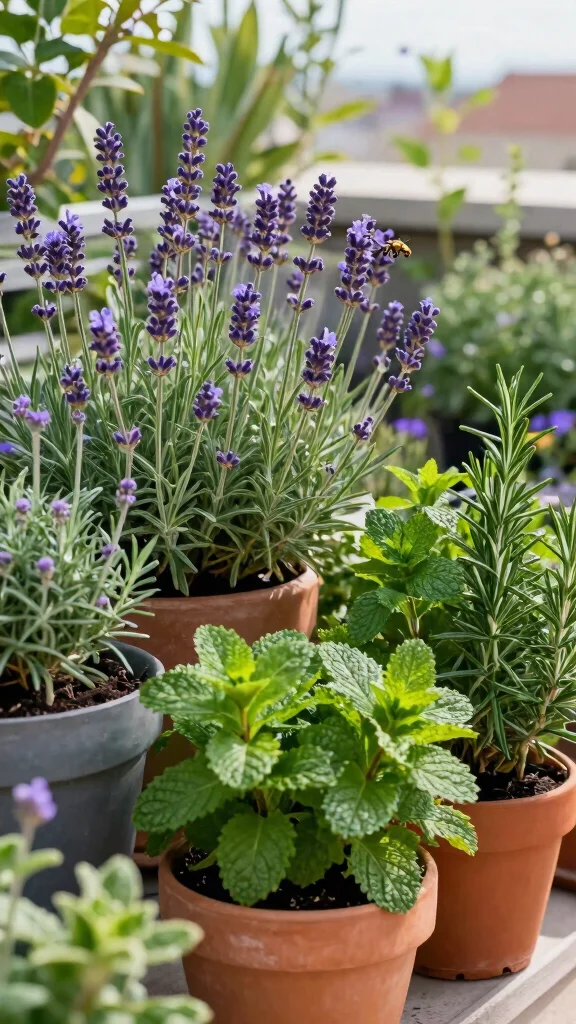
Do you want to create a sensory experience in your garden? An aromatic garden filled with fragrant herbs and plants can engage your senses and enhance your outdoor enjoyment. Imagine stepping outside to the delightful scents of mint, lavender, or rosemary wafting through the air. These plants not only smell wonderful but can also be used in cooking or herbal teas.
Creating a space that delights the senses can make your rooftop a cherished escape.
Benefits include:
Enhances sensory experience.
Can be used in cooking or remedies.
Plant aroma-rich herbs near seating areas for the best experience, and select varieties that thrive in your local climate. Aromatic plants can also help repel pests, adding a functional element to your garden.
You Might Also Like

16. Butterfly Gardens: Attracting Beauty
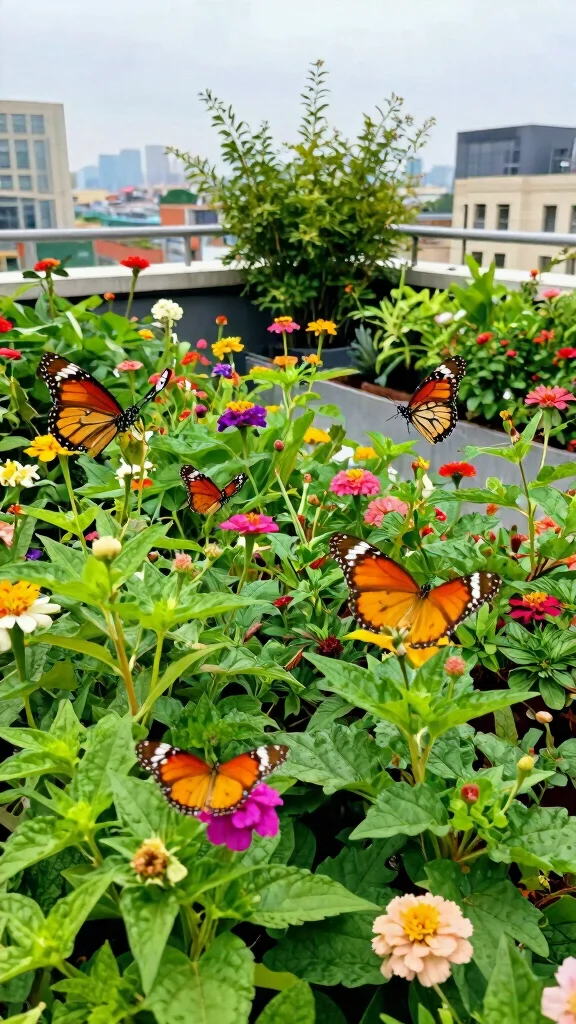
Want to add beauty and life to your rooftop? A butterfly garden invites these graceful creatures into your space, benefiting both the environment and your enjoyment. Incorporate nectar-rich flowers and host plants for butterfly larvae to create a thriving ecosystem that attracts butterflies and enhances your urban retreat.
Not only do butterfly gardens support local biodiversity, but they also provide stunning visual displays.
Benefits include:
Supports local biodiversity.
Provides a beautiful, colorful display.
Choose a variety of plants that bloom at different times and refrain from using chemical pesticides to keep butterflies safe. Your butterfly garden can become a mesmerizing focal point, allowing you to appreciate nature’s beauty right from your rooftop.
Did you know rooftop garden ideas can attract 10–20 butterflies on sunny days when you plant nectar-rich blossoms? Plant host plants to support larvae and watch your urban oasis become a thriving butterfly garden.
17. Edible Landscaping: Beauty Meets Function

Looking to combine beauty and practicality in your garden? Edible landscaping integrates ornamental plants that are also edible, creating a space that is both stunning and useful. With plants like ornamental kale, flowering herbs, or colorful peppers, your garden can flourish aesthetically while providing fresh ingredients for your meals.
This approach encourages diverse plantings that enhance the overall design of your rooftop garden.
Benefits include:
Merges aesthetics with practicality.
Encourages diverse plantings.
Plan your layout to optimize both beauty and function, mixing edible plants with flowers for a vibrant display. Enjoy the satisfaction of harvesting fresh ingredients right from your beautiful garden!
18. Urban Jungle: Embrace Lushness

Do you want to create a tropical escape on your rooftop? Embrace a variety of lush tropical plants to transform your space into an urban jungle. Large-leafed plants like monstera, philodendrons, and ferns will create a vibrant, green environment that feels like a true sanctuary.
Layering these plants for depth brings a natural feel to your rooftop garden, promoting relaxation amidst the city’s hustle.
Benefits include:
Creates a vibrant, lush environment.
Improves air quality.
Choose plants with similar light and water needs, and use varying heights and textures for added visual interest. Creating a tropical oasis on your rooftop not only beautifies the space but also offers a peaceful retreat from urban life.
19. Maintenance-Free Gardens: Low Effort, High Reward
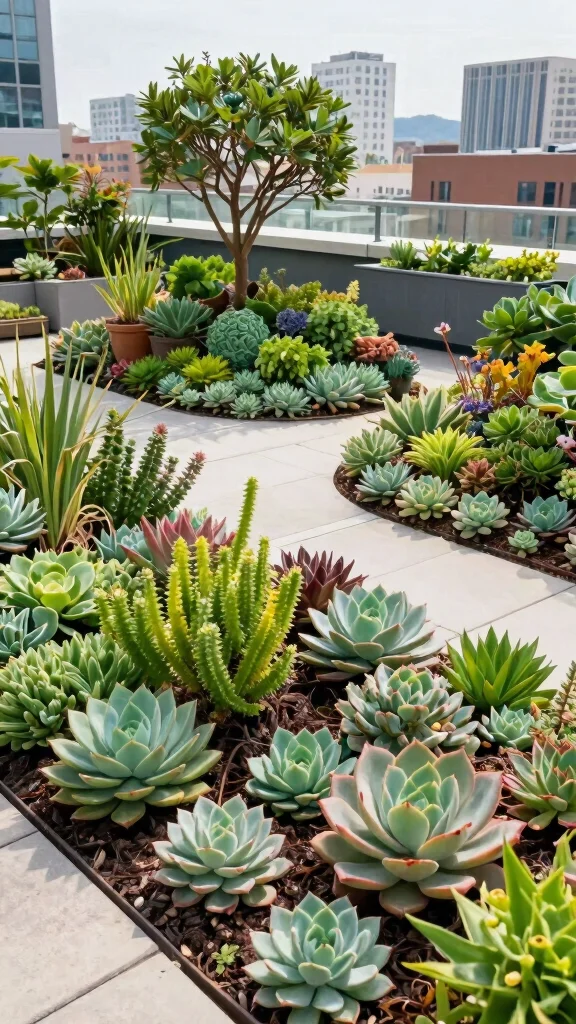
Love the idea of a garden but dread the upkeep? A maintenance-free garden is perfect for you! Featuring drought-resistant plants like succulents and native species that require minimal care, this style allows you to enjoy a beautiful garden without constant attention.
With the right plant selections, you can achieve a stunning garden that suits a busy lifestyle.
Benefits include:
Saves time and effort.
Ideal for busy lifestyles.
Select plants that thrive in your local climate and use mulch to retain moisture and reduce weeds. A maintenance-free garden can still be visually appealing; focus on design and color to create beauty with low upkeep.
20. Open-Air Dining: Enjoy Meals in Nature
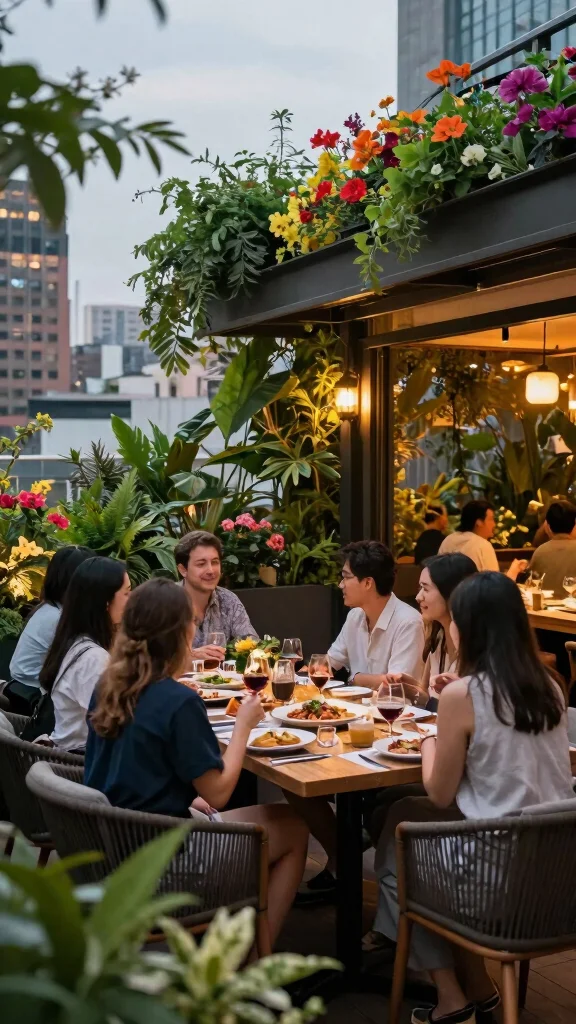
Want to elevate your dining experience? Transform your rooftop into an open-air dining area. Set up a table surrounded by plants and flowers, creating an inviting atmosphere for meals outdoors. Enjoy the fresh air while savoring home-cooked dishes or entertaining guests in your green haven.
Surrounding your dining area with plants enhances the natural ambiance and makes meals even more enjoyable.
Benefits include:
Enhances your outdoor living experience.
A perfect setup for entertaining.
Ensure good lighting for evening meals and choose durable, weather-resistant furniture for longevity. An open-air dining setup allows you to connect with nature while enjoying delightful meals, making every dining experience special.
Fun fact: Among rooftop garden ideas, open-air dining can boost mood by up to 30% and make meals feel brighter. Set a table among plants, add soft lighting, and savor home-cooked dishes with guests in nature.
Conclusion
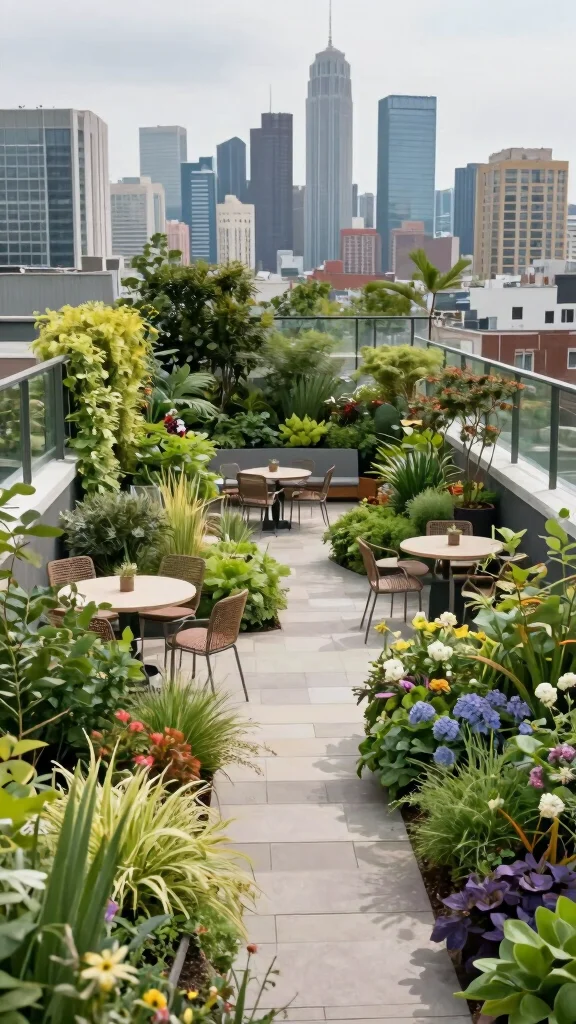
Creating a rooftop garden can be an exciting journey into urban gardening, offering a wealth of opportunities for creativity, sustainability, and a deeper connection with nature. From edible landscapes to tranquil seating areas, the possibilities are endless. By incorporating these vibrant ideas, you can transform your rooftop into a lush oasis that reflects your personality and provides a refreshing escape from city life. Let these tips inspire you to get started on your own rooftop garden adventure!
Frequently Asked Questions
What are some must-try rooftop garden ideas for a lush urban oasis?
Kick off your rooftop garden ideas with versatile container setups, edible herb boxes, and vertical planters that save space. Create distinct zones for lounging, growing, and seating to turn a rooftop into a true oasis.
Choose compact or dwarf varieties for rooftop plant selection and use lightweight potting mixes with slow-release fertilizer to keep maintenance easy. Add weather-ready furniture and a shade solution to enjoy the space year-round. For ongoing guidance, apply urban gardening tips to optimize sun, wind, and drainage across your area.
How can I maximize a small rooftop space with edible plants?
Maximize a small rooftop with edible plants by smart planning and choosing compact varieties. Start with a simple layout: growing zone, seating area, and clear circulation for safety and drainage.
Pick compact edibles like basil, lettuce, radishes, cherry tomatoes, and strawberries. Use railing planters, wall-mounted pockets, and a vertical garden to multiply growing space. Favor rooftop plant selection that works in containers and winds. Install a drip irrigation system to save water, a key part of urban gardening tips for tight spaces. Finish with a small compost setup to support sustainable outdoor design.
What are affordable and sustainable materials for rooftop garden design?
Go lightweight and durable with affordable, sustainable materials. Recycled plastic or wood-plastic composite planters, weatherproof deck tiles, and reclaimed wood benches keep weight down and style up. Use a compact rain barrel or a simple drip system to conserve water, a cornerstone of sustainable outdoor design.
For flooring and edges, choose interlocking tiles and low-profile metal edging to simplify install and maintenance. Align choices with small space landscaping goals by keeping clutter to a minimum and maximizing airflow.
Which plants thrive on rooftops and how to select them?
Rooftop-friendly plants love sun, wind, and heat. For rooftop plant selection, pick sun-loving herbs (rosemary, thyme, oregano), leafy greens (arugula, spinach), compact vegetables (cherry tomatoes, peppers), and drought-tolerant perennials (lavender, yarrow). Group plants by light and water needs, and add light windbreaks to protect delicate specimens.
Assess your space’s sun hours, choose containers with good drainage, and use lightweight soil mixes that hold moisture without weighing you down. Apply urban gardening tips to tailor choices to your climate.
Any easy maintenance tips to keep a rooftop garden vibrant year-round?
Absolutely. Start with a simple routine: inspect and water as needed (drip irrigation makes this easy), mulch to reduce evaporation, and refresh soil with occasional compost or balanced fertilizer. Keep pests at bay with natural methods and rotate plants to prevent disease. Use balcony garden inspiration to keep things visually appealing and small space landscaping tactics to maintain tidy, accessible aisles for movement.
Seasonal care matters too—shield sensitive plants in frost, provide shade or sun protection as seasons change, and keep your urban gardening tips up to date for a thriving rooftop oasis.
Recommended Products

HOLDS 60 GALLONS: Captures ample rainwater to conserve resources and supports a sustainable lifestyle

50-Gallon Capacity: Provides ample storage for harvested rainwater, ideal for watering gardens, lawns, and plants.

ELEVATED DESIGN: Our rain barrel stand is compatible with the Step2 Fernway Rain Barrel to add an extra 10.9 in (28 cm) height and help improve its functionality. Adding this optional height allows you to choose which setup works best for your space
Related Topics
rooftop garden ideas
urban gardening tips
balcony garden inspiration
small space landscaping
sustainable outdoor design
edible plants
easy gardening
container gardening
city gardening
green roofs
DIY rooftop oasis
beginner friendly
Leave a Reply