
Transforming your front garden can be a rewarding experience that not only enhances your home’s curb appeal but also contributes to a sustainable lifestyle. With the growing interest in eco-friendly living, many homeowners are searching for ways to beautify their outdoor spaces while being kind to the planet. This post is dedicated to those who wish to elevate their front gardens without compromising their commitment to sustainability. If you care about creating a welcoming environment that supports local wildlife and reduces your ecological footprint, you’re in the right place.
In this guide, we’ve compiled 18 remarkable front garden ideas that cater to eco-conscious homeowners. You’ll discover various landscaping tips, planting schemes, and outdoor decor ideas that are not only visually appealing but also sustainable. Each idea is designed to help you create a garden that reflects your values while boosting your home’s curb appeal. So whether you’re looking to attract pollinators with native plants or want to set up a cozy outdoor seating area, you’ll find inspiration that’s practical and achievable.
Get ready to explore sustainable front garden ideas that will not only enhance your home but also contribute positively to the environment. With a little creativity and effort, you can turn your front garden into a thriving, eco-friendly oasis that both you and your neighbors will admire.
Key Takeaways
– Explore native plant gardens that require less maintenance and provide habitat for local wildlife, reducing the need for chemical fertilizers.
– Consider rain gardens to manage stormwater runoff while creating a beautiful landscape that features drought-tolerant plants.
– Dive into edible landscaping by incorporating fruits and vegetables into your garden design, combining aesthetics with functionality.
– Create sustainable pathways using permeable materials that allow water drainage, adding charm and practicality to your front garden.
– Enhance your space with artistic garden elements such as recycled sculptures or natural decor that reflect your style and commitment to sustainability.
Recommended Products

PREMIUM CALIFORNIA WILDFLOWER MIXTURE. Elevate your garden with Sweet Yards California Wildflower Mixture, a bulk 1-ounce packet bursting with over 7,000 native seeds. This open-pollinated and non-GMO mix is thoughtfully curated for maximum beauty and biodiversity.

NATIVE BEAUTY – New England Aster, Smooth Blue Aster, Purple Coneflower, Narrow-Leaved Coneflower, Black-Eyed Susan, Dense Blazing Star (Gayfeather), Bee Balm (Wild Bergamot), Lanceleaf and Plains Coreopsis (Tickseed), Showy, Common, and Swamp Milkweed, Purple Prairie Clover, Joe Pye Weed, Spiderwort, Common, Prairie, and Maximilian Sunflowers, Little Bluestem, Switchgrass, Indian Grass, Blue Vervain, Canada Wild Rye, and White Yarrow.
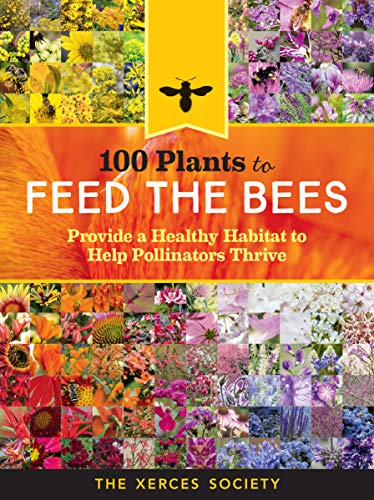
1. Native Plant Gardens
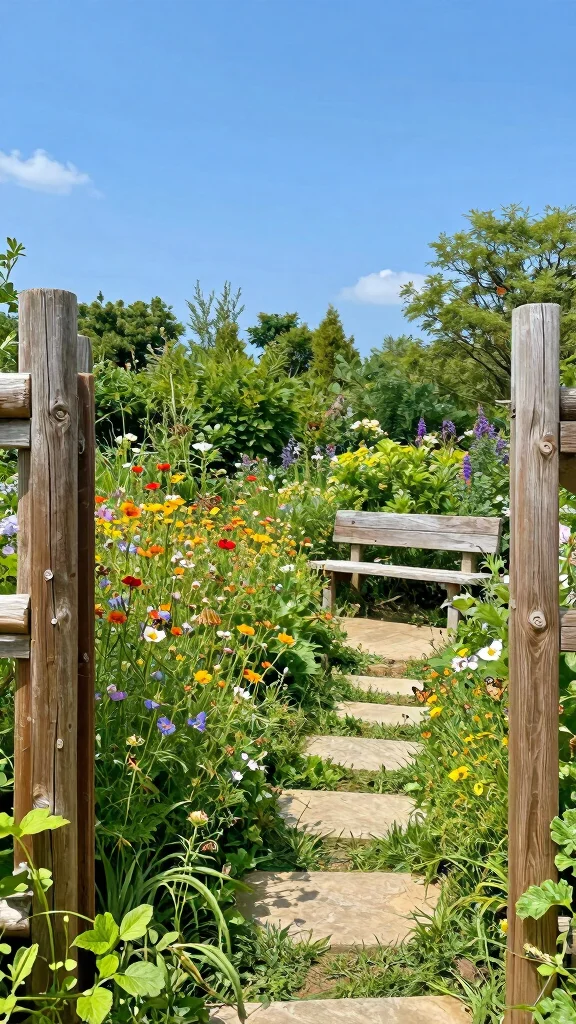
Embracing a native plant garden not only enhances your curb appeal but also creates a welcoming habitat for local wildlife. These plants are perfectly suited for your area’s climate, reducing the need for excessive watering and maintenance. For instance, combining vibrant coneflowers with soft grasses can offer a stunning visual display while attracting butterflies and bees.
To create your native paradise, select a variety of species that bloom at different times throughout the year. This method keeps your garden lively and colorful in all seasons. Arrange plants in clusters for a more impactful look, and layer them by height to create depth in your garden design.
Consider these practical tips for your native garden:
– Research native species that flourish in your area.
– Mix perennials with annuals for continuous flowers.
– Add mulch around plants to conserve moisture.
– Use compost to enrich your soil naturally.
By choosing native plants, you’ll enjoy a beautiful garden that’s easy to maintain, all while supporting local ecosystems.
Recommended Products

EXTRA LARGE PACKET contains over 1 full ounce of pure live seeds (7,500+ seeds) – Enough to cover 100 square feet.

HEAT & DROUGHT READY CROPS – Selected vegetables that perform in hot weather and low-water conditions, ideal for southern gardens, dry climates, and challenging growing seasons

Key Trade-offs & Our Top Pick
Option Comparison
1. Native Plant Gardens
– Pros:
– Low maintenance as native plants are adapted to local conditions.
– Supports local wildlife, such as birds and pollinators.
– Cons:
– May lack the variety of colors and styles found in exotic plants.
– Limited appeal if your neighborhood prefers traditional gardens.
– Best for: Homeowners looking for an eco-friendly option that requires less water and maintenance.
2. Edible Landscaping
– Pros:
– Provides fresh fruits and vegetables right from your front yard.
– Reduces grocery bills and promotes a healthy lifestyle.
– Cons:
– Requires more planning and effort to maintain a productive garden.
– May attract pests and wildlife looking for a snack.
– Best for: Gardeners who enjoy cooking and want to integrate food production into their landscaping.
3. Xeriscaping
– Pros:
– Conserves water, making it ideal for arid climates.
– Usually requires less upkeep once established.
– Cons:
– Some may find it less visually appealing compared to traditional gardens.
– Initial setup can be costly due to the need for specific plants and materials.
– Best for: Homeowners in dry regions looking to reduce their water usage while maintaining a garden.
4. Vertical Gardens
– Pros:
– Maximizes space, making it perfect for small front yards.
– Adds a unique visual element to your home’s exterior.
– Cons:
– Can be more expensive to establish with the right supports and watering systems.
– Requires regular maintenance to keep plants healthy and looking good.
– Best for: Urban dwellers or those with limited land who still want a garden.
5. Rain Gardens
– Pros:
– Helps manage stormwater, reducing runoff and pollution.
– Attracts beneficial insects and enhances local biodiversity.
– Cons:
– Requires careful planning to ensure proper drainage and plant selection.
– May not fit all yards, particularly those without adequate slope.
– Best for: Environmentally conscious homeowners wanting to improve local water quality.
Expert Recommendation:
Best Overall: Native Plant Gardens
Native plant gardens are the top choice for most people because they require minimal care and use natural resources wisely. They offer a sustainable way to enhance curb appeal while supporting local wildlife. You can enjoy a beautiful garden without heavy reliance on water or fertilizers, making it a smart choice for the long term.
Why We Picked This:
While native plant gardens are the best overall, different options may suit individual needs. If you’re passionate about cooking, edible landscaping could be your go-to. For those with limited space, vertical gardens are a fantastic solution. Always consider your local environment and personal preferences to find the right fit for your front garden.
Recommended Products

Package Contents: relish the simplicity of our value pack with 6 pieces of green permeable pavers; Our pavers are complete with snaps to seamlessly fit in with each other, ideal for usage in lawn patios, driveways, sidewalks and shed foundations; It's a value-for-money offering tailored for your exterior spaces

DURABLE AND ECO-FRIENDLY: Crafted from 100% recycled plastic, our gravel paver system delivers exceptional strength and longevity; This Permeable Paver System includes 14 units with a 2" depth, covering an area of 35 square feet

Durable & Easy: These 15.5" stepping stones are made of weatherproof resin, so they can withstand rain, hail, UV rays, and cold temperatures. They also feature four ground stakes for secure installation, making them perfect for patios, walkways, and gardens.
2. Rain Gardens
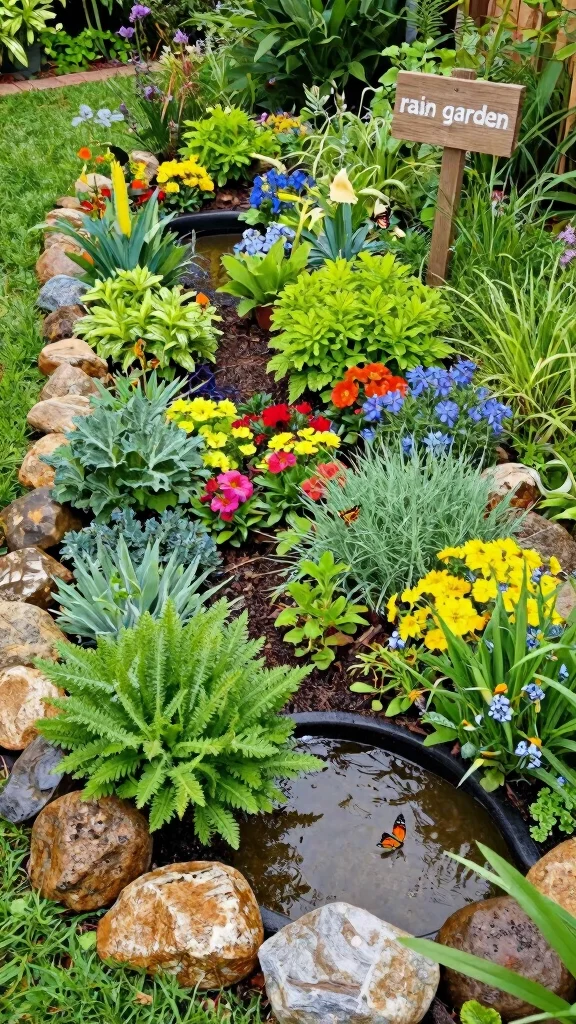
A rain garden is a beautiful and practical way to manage stormwater while enhancing your front yard’s appearance. By using native plants that thrive in wet conditions, these gardens absorb excess rainwater, reducing runoff and pollution. Imagine a lush area filled with vibrant wildflowers and ferns, creating a stunning focal point right outside your door.
To set up your rain garden, choose a low-lying area where water collects naturally. Dig a shallow basin and fill it with a mix of moisture-loving plants. This not only improves local biodiversity but also creates an oasis that adds beauty and functionality to your landscape.
Here are some design tips for your rain garden:
– Position it at least ten feet away from your home.
– Use pebbles or gravel to outline the edges for visual interest.
– Regularly remove debris to keep it tidy.
A rain garden not only looks beautiful but also plays a crucial role in conserving water and nurturing local wildlife.
Recommended Products

Monarch Host Plant: Grow common milkweed plants that feed monarch caterpillars; blooms draw butterflies and honeybees. Perennial native wildflowers for USDA zones 2-8, 36 in tall. Great pollinator seeds.

Milkweed seeds for monarch butterflies: Grow four U.S. native milkweed species for outdoor planting and pollinator habitat: narrow-leaved (Asclepias fascicularis), common (A. syriaca), showy (A. speciosa), and rose or swamp milkweed (A. incarnata).

3. Edible Landscaping

Why not turn your front garden into both a visual delight and a source of fresh produce? Edible landscaping blends flowering plants with fruits, vegetables, and herbs, creating a sustainable and beautiful environment. Picture bright tomatoes nestled among colorful flowers, adding both beauty and nourishment to your space.
To implement this idea, consider raised beds filled with heirloom tomatoes, fragrant basil, or juicy strawberries. You can even plant dwarf fruit trees for a unique touch. This approach not only supports healthy eating but also encourages sustainable living.
Here are some creative ideas for your edible garden:
– Incorporate trellises for climbing plants like beans.
– Use decorative pots for herbs on your porch.
– Create a small orchard with a mix of fruit trees.
Designing your garden with edibles allows you to embrace culinary creativity while enhancing your home’s curb appeal.
❝ Fun fact: edible landscaping in a 4×8 ft front garden plot can yield 25-40 servings of tomatoes, herbs, and strawberries per season. Plant raised beds with heirloom varieties and a dwarf fruit tree to grow beauty and food in one space.
Recommended Products


✅ You will receive a plant that closely resembles the pictured one, standing between 3-6 inches tall. It will be sent bare-root and without leaves. During their dormancy, the plants will be sent soil-less, with their roots carefully wrapped in wet media. After breaking dormancy in April-May, they will be potted in soil and sent to you in a small plastic container. Hardiness zones 5-9.<br /><br />
4. Xeriscaping

Xeriscaping is an effective and beautiful landscaping method ideal for dry regions. By utilizing drought-resistant plants, this approach minimizes water use while creating a stunning garden. Picture a vibrant landscape of succulents and ornamental grasses that thrives with little maintenance, perfect for eco-conscious homeowners.
Start by selecting native plants that require minimal water, such as lavender and agave. Arrange them thoughtfully to group those with similar watering needs, and consider using permeable materials for walkways that allow rainwater to nourish your plants.
Here are some xeriscape tips to consider:
– Apply mulch to help retain soil moisture.
– Plan for seasonal color variations with different plants.
– Incorporate hardscapes like stone paths for added texture.
Xeriscaping offers a beautiful, eco-friendly solution that conserves water while creating an inviting landscape.
Recommended Products

DURABLE AND ECO-FRIENDLY: Crafted from 100% recycled PPE plastic, our gravel paver system delivers exceptional strength and longevity; This set includes 11 units with a 2" depth, covering an area of 37 square feet

DURABLE AND ECO-FRIENDLY: Crafted from 100% recycled plastic, our gravel paver system delivers exceptional strength and longevity; This Permeable Paver System includes 14 units with a 2" depth, covering an area of 35 square feet

【Practical 8FT Wooden Pathway】Our garden pathway measures:8ft(L)×17inch(W), and comes with a cute DIY Board, to be a nice rustic paver decoration of your garden, and flexible enough to fit any ground,such as sandy beaches, gravel roads, grassy lawn etc. It can help keep your feet clean and dry away from dirt, grass, and sands.
5. Vertical Gardens
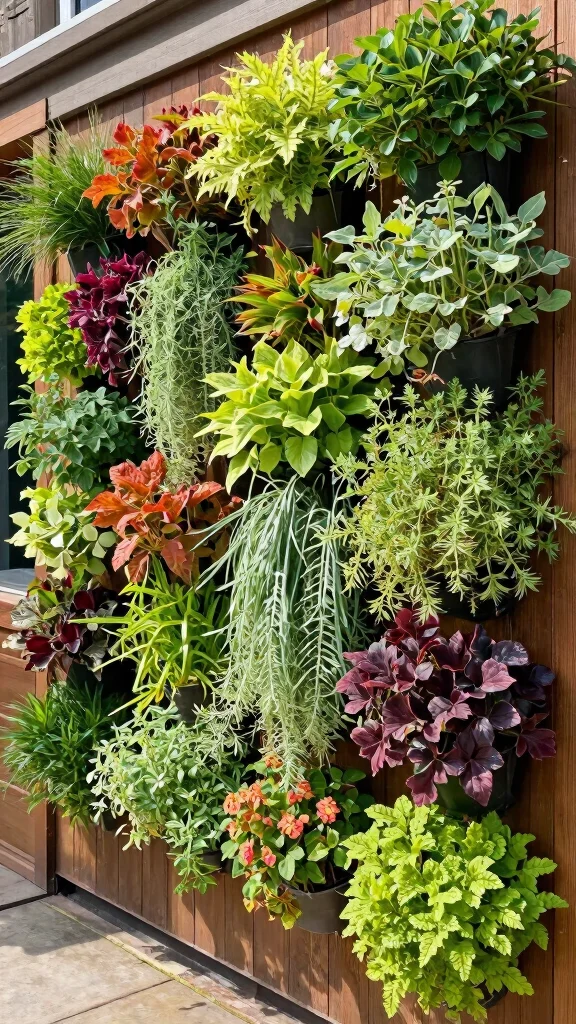
If your space is limited, a vertical garden can transform walls or fences into a vibrant display of greenery. This innovative gardening style not only maximizes space but also serves as a striking focal point. Imagine a wall adorned with cascading vines and colorful blooms that purify the air around your home.
Choose a mix of plants, from trailing herbs to vibrant flowers, to create depth and interest. Using recycled materials like pallets or wall planters can make this an eco-friendly project that showcases your creativity.
Consider these ideas for your vertical garden:
– Use colorful flowers that attract pollinators.
– Incorporate herbs like thyme for an aromatic touch.
– Set up a drip irrigation system for easy care.
Embracing vertical gardening allows you to elevate your outdoor space while boosting your home’s curb appeal.
Recommended Products

Made of Durable Plastic – Lightweight yet strong for long-term outdoor use.
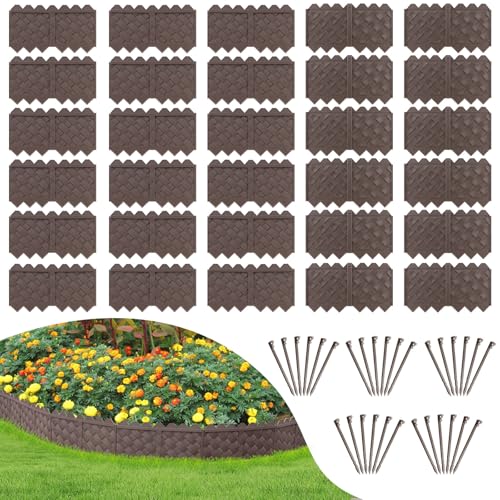
Interlocking Structure Design: The interlocking structure adopts thin tongue and groove style design which will tightly hold the each edgings, preventing the garden edgings peel off. Made of premium material, these interlocking garden border edgings stand the wear and tear, no fading, no crackling, no deformation. It can be used for a long time.

Durable Galvanized Steel Construction: These metal Landscape edging made from 1.5 mm thick galvanized steel, this edging is both flexible and long-lasting, resisting bending, warping, and rust for years of use.
6. Sustainable Pathways
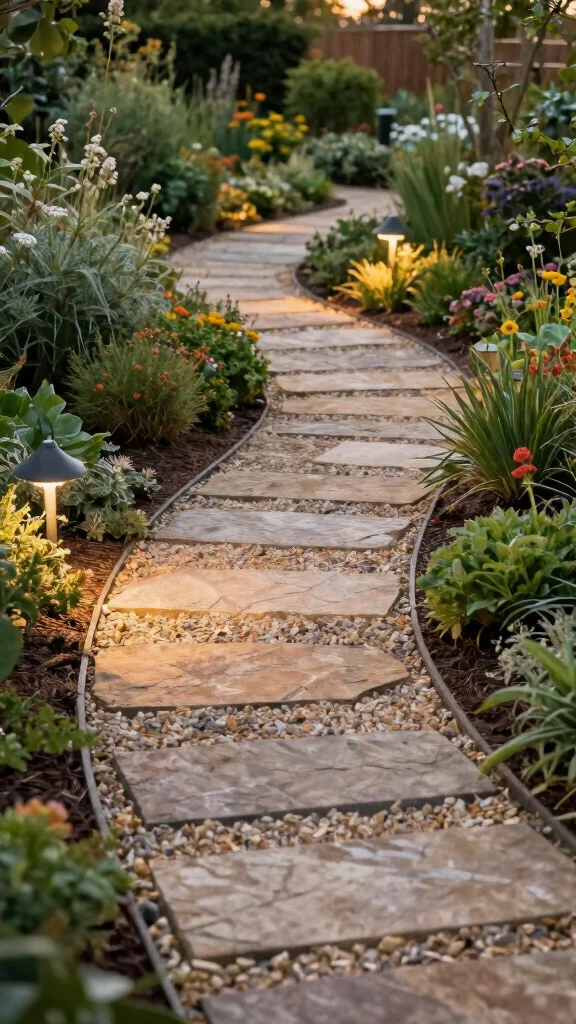
Pathways are essential in guiding visitors through your garden while enhancing its overall beauty. Choosing sustainable materials for your paths can significantly elevate your home’s curb appeal while being kind to the environment. Opt for permeable options like gravel or reclaimed wood that allow water to nourish the soil beneath.
Add native groundcover plants alongside your pathways for added charm and a more organic look. Curved paths can create a softer, more inviting feel compared to straight lines, encouraging exploration of your eco-friendly garden.
Here are some suggestions for creating sustainable pathways:
– Use stepping stones surrounded by colorful gravel.
– Install solar-powered lights to enhance safety and ambiance.
– Incorporate reclaimed bricks for a rustic touch.
Designing sustainable pathways can elevate your garden’s aesthetic while promoting eco-friendly practices.
Recommended Products

Stack of 8 river rocks, balanced one atop the other for a unique look

【Brighten Your House and Garden】Metal Snail garden yard décor crafted by punched metal and handy painting, featuring vibrant colors and delicate details, this eye-catching garden statue is sure to stand out among your outdoor decoration to Indoor table display

RECYCLED MATERIAL & IDEAL SIZE: This Garden décor Figurine is made from 100% recycled parts and scrap metal, this decorative Recycled Iron Dog sculpture measures 6X2.5X7.5 (LWH) INCHES
7. Compost Bins

Adding a compost bin to your front garden is an excellent way to reduce waste while enhancing your outdoor decor. A stylish compost bin can complement your garden’s design and provide nutrient-rich soil for your plants. Choose a wooden or metal option that blends seamlessly with your decor.
When setting up your compost bin, select a convenient spot that doesn’t disrupt your garden’s flow. Regularly turning the compost helps speed up decomposition, resulting in rich soil that boosts your plants’ health.
Here are some composting tips to get started:
– Mix green waste like fruit scraps with brown waste like leaves.
– Ensure aeration for faster breakdown.
– Keep the compost moist, but not too wet.
A compost bin not only supports waste reduction but enriches your soil, promoting a vibrant and healthy garden.
8. Outdoor Seating Areas
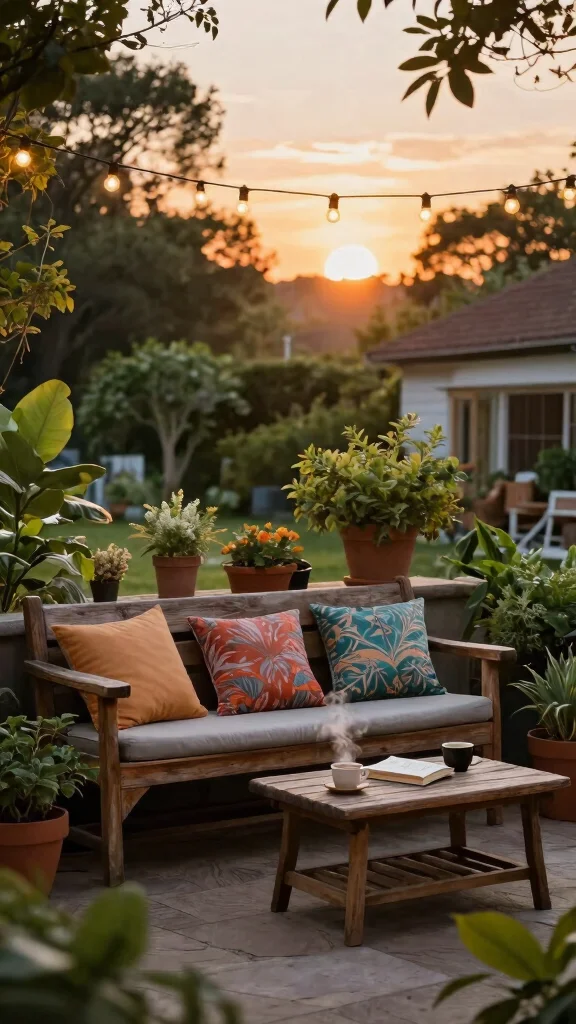
Creating an outdoor seating area in your front garden enhances curb appeal while providing a cozy spot for relaxation and socialization. Use sustainable materials for furniture or repurpose items like pallets to craft your seating. Add cushions made from eco-friendly fabrics for comfort and style.
Position your seating near colorful flower beds or in areas with good views of your garden. Incorporate shade elements like umbrellas to ensure comfort in various weather conditions, and consider adding a small fire pit for gatherings.
Here are some outdoor decor ideas to enhance your seating area:
– String lights for a magical evening ambiance.
– Use potted plants for privacy around the seating.
– Add outdoor rugs to bring comfort and style.
An inviting outdoor seating area transforms your front garden into a welcoming oasis for friends and family while boosting your home’s curb appeal.
You might also like

9. Artistic Garden Elements

Incorporating artistic elements into your front garden can significantly enhance its visual appeal. Unique sculptures, garden art, and creative planters create focal points that draw the eye and spark conversation. You can source one-of-a-kind pieces or craft your own using recycled materials.
Consider hanging metal art on walls or integrating colorful mosaics into walkways. Upcycled materials can become charming plant holders or whimsical birdhouses, adding personality to your garden while promoting sustainability.
Here are some artistic garden design inspirations:
– Paint old wooden pallets for a colorful backdrop.
– Use found objects to create quirky sculptures.
– Incorporate wind chimes for sound and movement.
Adding artistic elements personalizes your space while boosting its curb appeal and highlighting an eco-friendly mindset.
10. Mulching

Mulching is a simple yet effective way to enhance your front garden while promoting sustainability. A layer of mulch helps retain soil moisture, suppress weeds, and elevate your garden’s visual appeal. Opt for organic mulches, like shredded bark or wood chips, to ensure eco-friendliness.
Apply a uniform layer of mulch about three inches thick to keep your soil healthy and looking polished. This method also adds color and texture to your garden as the mulch breaks down, providing nutrients to your plants.
Here are some landscaping tips for mulching:
– Avoid piling mulch against plant stems to prevent rot.
– Refresh your mulch annually for a neat appearance.
– Use various colors for contrasting visual interest.
Implementing mulching techniques helps maintain a beautiful and thriving garden that is both visually appealing and environmentally responsible.
Recommended Products

Premium Materials – This garden edging is made of high-quality PE material. This plastic lawn edging can cut or bent to fit your specific needs, and is reusable.

【Flexible and Durable Material】This product is made from strong plastic that can be bent into any shape. You can use it to create flowerbed borders, stone garden edging, tree edging, lawn borders and other irregular shapes. You can use it all year round.

UNDERSTATED ARCHITECTURAL PLANTER FOR ELEVATED GREEN DISPLAYS: Designed with a clean, refined silhouette, the Riviera planter allows flowers and greenery to take center stage while maintaining open, unobstructed sightlines. Perfect for balconies, entryways, patios, and front-of-home landscaping, it brings a subtle yet sophisticated presence to any space.
11. Bee Gardens
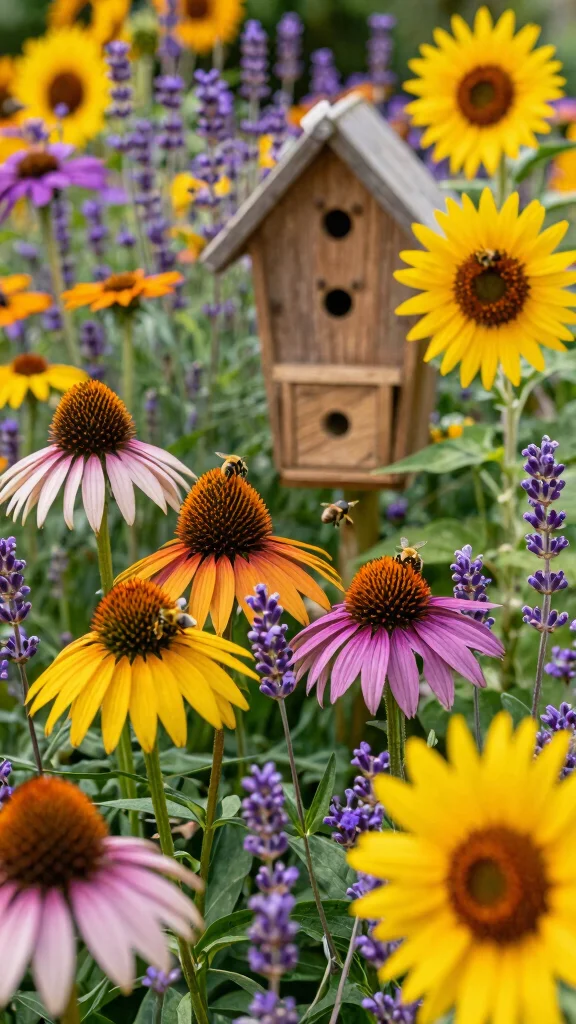
Creating a bee-friendly garden is not only a rewarding experience but also crucial for supporting local ecosystems. Bees play a vital role in the health of our gardens and food systems. By planting a diverse range of flowering plants that bloom throughout the year, you’ll provide a continuous food source for these essential pollinators.
Opt for brightly colored flowers like coneflowers, lavender, and sunflowers to attract bees. Avoid pesticides to create a safe haven for pollinators, and consider adding bee hotels to encourage nesting. A bee garden enhances curb appeal while contributing positively to the environment.
Here are some gardening inspirations for creating a bee haven:
– Cluster flowers together for more effective foraging.
– Include a small water source for bee hydration.
– Vary heights and colors for visual intrigue.
Designing a bee garden promotes biodiversity while beautifying your front landscape.
Fun fact: Front garden ideas that include 6–8 flowering species can sustain pollinators for most of the year. Plant coneflowers, lavender, and sunflowers, and skip pesticides to boost bee visits by up to 30%.
12. Green Roofs
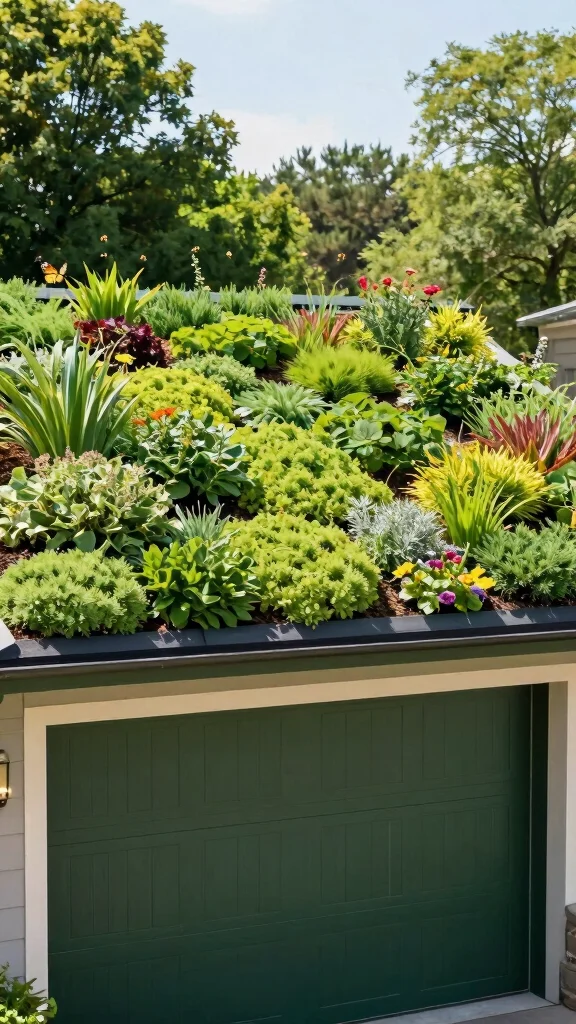
Consider elevating your garden design by adding a green roof to your porch or garage. Green roofs not only enhance your home’s aesthetics but also provide insulation, absorb rainwater, and support biodiversity. A well-planned green roof creates a mini-ecosystem, adding depth to your landscape and supporting various plant species.
Select lightweight plants like sedums and herbs that thrive in rooftop conditions. Ensure proper drainage and soil depth to accommodate your plants. This unique gardening idea not only stands out but also showcases your commitment to sustainable practices.
Here are some essential gardening tips for green roofs:
– Consult professionals for design and installation.
– Monitor moisture levels for plant health.
– Mix flowering and foliage plants for visual appeal.
A green roof boosts curb appeal while reinforcing environmental benefits, transforming your home into a sustainable haven.
13. Sustainable Lighting

Lighting can dramatically transform your front garden, enhancing both its beauty and safety. By opting for sustainable lighting solutions like solar-powered fixtures, you can illuminate your garden while reducing energy use. These lights come in various styles, allowing you to create a cozy ambiance for night-time enjoyment.
Position lights along pathways, around seating areas, or to accentuate key garden features. Solar lights are easy to set up and require little maintenance, making them ideal for eco-conscious homeowners.
Here are some outdoor decor ideas for sustainable lighting:
– Use lanterns or fairy lights for a whimsical touch.
– Integrate motion-sensor lights for security.
– Highlight unique plants or trees with up-lighting.
Incorporating sustainable lighting beautifies your garden while showcasing your dedication to eco-friendly practices.
14. Wildlife-Friendly Gardens
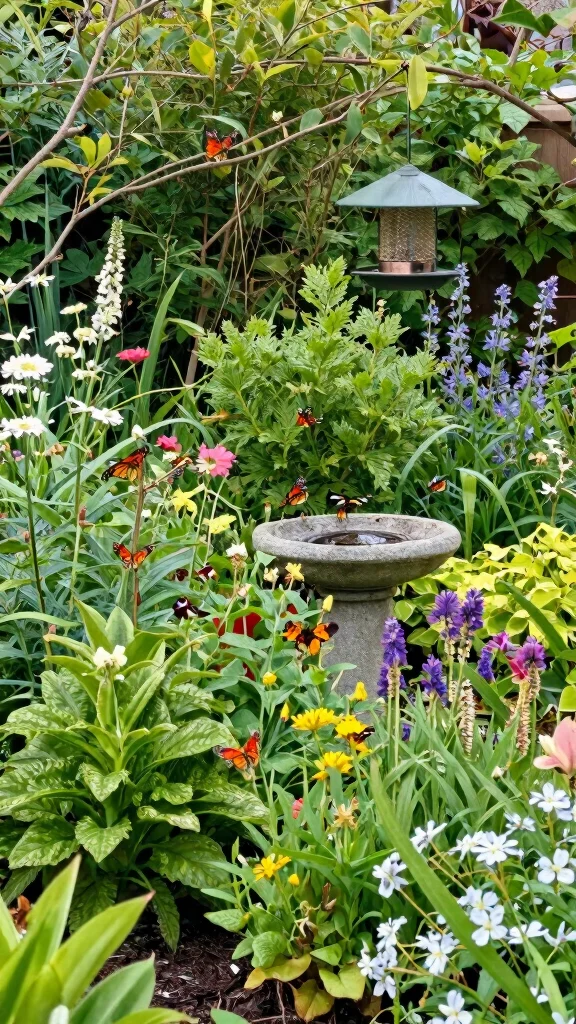
Enhancing your front garden to attract local wildlife is a wonderful way to support the environment while creating a stunning landscape. Design your garden with a variety of native plants that provide food and shelter for birds, butterflies, and beneficial insects. Adding bird feeders, baths, and bug hotels increases your garden’s appeal to wildlife.
Use a diverse range of flowers, shrubs, and trees that bloom at different times to ensure continuous food sources. Additionally, consider leaving some areas wild to promote natural habitats.
Here are some gardening inspirations for creating a wildlife-friendly space:
– Utilize different heights and colors for shelter and food.
– Include plants that produce berries or seeds for birds.
– Adopt organic gardening practices for a safe environment.
By designing a wildlife-friendly garden, you create a vibrant ecosystem while enhancing your home’s curb appeal.
15. Seasonal Planting Scheme
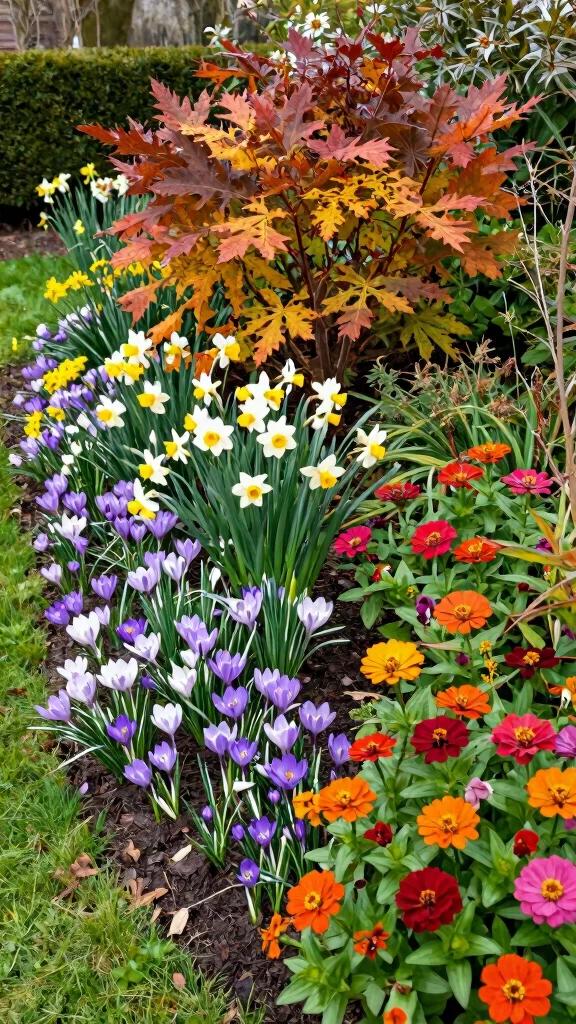
Implementing a seasonal planting scheme adds dynamic beauty to your front garden, ensuring there’s always something blooming. By selecting plants that flower in various seasons, you create a visually appealing landscape that evolves throughout the year. Imagine early crocuses and daffodils in spring, colorful zinnias in summer, and fall foliage from asters and mums.
Combine perennials with annuals for continuous color, and group plants by blooming seasons for a cohesive look. Incorporate foliage plants for year-round interest, even when flowers fade.
Here are some planting tips to consider:
– Choose a mix of heights for visual depth.
– Plan for a variety of colors throughout the seasons.
– Rotate plants seasonally to keep the garden fresh.
A seasonal planting scheme transforms your front garden into a captivating display, ensuring your home remains inviting and beautiful all year round.
16. Water Features
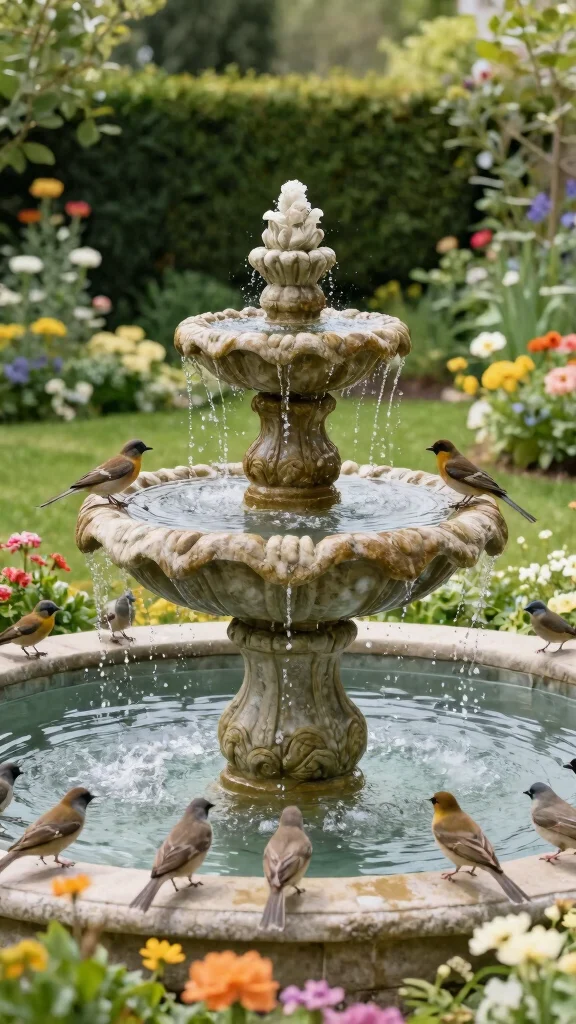
Adding a water feature to your front garden enhances its beauty while creating a serene atmosphere. Options like fountains, ponds, or small streams can be designed to complement your garden’s overall aesthetic. Water features attract wildlife, inviting birds and beneficial insects into your space.
Choose materials that harmonize with your garden style, whether it’s a rustic stone fountain or a modern pond filled with aquatic plants. The soothing sound of trickling water adds to the tranquil ambiance of your outdoor space.
Here are some landscaping tips for incorporating water features:
– Maintain water cleanliness for a healthy environment.
– Surround the feature with plants for added beauty.
– Use solar-powered pumps for energy-efficient operation.
A water feature adds tranquility and significantly boosts your curb appeal, creating a peaceful retreat in your garden.
17. Recycled Materials

Using recycled materials in your front garden design is a fantastic way to enhance curb appeal while promoting sustainability. Everyday items can be repurposed into unique decor or functional features, like turning old tires into planters or using reclaimed wood for raised beds. This approach adds character while demonstrating a commitment to eco-friendly practices.
Think creatively about your materials. Old bricks can create charming paths, while bottles can serve as decorative edgers or garden art. The possibilities for recycling are limited only by your imagination.
Here are some garden design inspirations using recycled materials:
– Create a mosaic stepping stone path with broken tiles.
– Use an old wheelbarrow for a whimsical planter.
– Build trellises from discarded wood or metal.
By incorporating recycled materials, you save money and contribute to a sustainable future while enhancing your garden’s visual appeal.
18. Colorful Containers

Container gardening is a delightful way to add bursts of color and variety without extensive landscaping changes. Colorful containers allow you to easily switch plants with the seasons, keeping your front garden fresh and vibrant all year. Choose containers of different shapes, sizes, and colors to create visual interest and mix textures for added appeal.
Consider seasonal blooms like pansies in spring, bright petunias in summer, and ornamental kale in fall. Don’t forget to include herbs or small vegetables for added functionality. Container gardens can be easily rearranged to match your mood or design preferences.
Here are some outdoor decor ideas for your container garden:
– Use tall containers to draw the eye upwards.
– Arrange pots at varying heights for visual depth.
– Mix foliage plants with flowers for year-round interest.
Container gardening offers a fun and flexible way to brighten your front yard while maintaining an eco-conscious approach.
Colorful containers make front garden ideas feel effortless. You can swap blooms with the seasons and keep the curb vibrant all year. Switch shapes, sizes, and textures to add personality without a full redesign.
Conclusion

Elevating your front garden’s curb appeal while embracing sustainability is a rewarding endeavor that benefits both your home and the environment. Each idea presented here offers unique methods to enhance your outdoor space creatively and responsibly. As you embark on your gardening journey, remember that every small change can contribute to a larger positive impact.
Engage with the community by sharing your progress and inspiring others to take eco-friendly actions in their gardens.
Frequently Asked Questions
What are the top front garden ideas to boost curb appeal sustainably?
Great question—these top front garden ideas help boost curb appeal sustainably and practically. Start by assessing sun, shade, and soil to guide planting schemes and moisture needs. Choose native, drought-tolerant plants to reduce watering and maintenance. Use permeable paving and a thin mulch layer to manage runoff and keep soils healthy. Add a focal point like a timber trellis, a sculptural pot, or a bird-friendly feature to anchor the design and provide garden design inspiration. Finish with energy-efficient lighting and compact outdoor decor ideas that highlight your entrance without clutter. By blending native choices, eco-friendly materials, and thoughtful lighting, these front garden ideas deliver lasting curb appeal enhancements while staying sustainable.
For ongoing success, incorporate landscaping tips that minimize upkeep and maximize impact across seasons—your entrance will welcome guests with confidence.
How can I craft planting schemes that are eco-friendly and visually appealing for the front yard?
To craft planting schemes that are eco-friendly and visually appealing, start with natives and climate-appropriate plants that bloom across seasons. Group plants in repeats of 2–3 colors for cohesive planting schemes and curb appeal enhancements. Layer plants by height and texture, then mulch to conserve moisture and reduce weeds. Choose a palette that complements your home’s exterior for strong garden design inspiration. Incorporate rain barrels or compost to feed the beds and lower waste. A well-planned mix of perennials, native grasses, and drought-tolerant shrubs ensures your front garden ideas stay vibrant with minimal maintenance year-round.
What simple landscaping tips can I apply now to improve curb appeal without breaking the bank?
Start today with a quick audit: clear debris, edge beds to define lines, and refresh mulch to unify the look. Swap worn edging for affordable, sustainable options and set a single focal point—like a standout planter or sculpture—to anchor your garden design inspiration. Add solar-powered path lights for safety and outdoor decor ideas that glow after dark. A fresh coat of paint on the front door and a bit of pruning to boost bloom display can dramatically lift curb appeal enhancements without a big budget. This is classic landscaping tips put into action for noticeable results.
Which outdoor decor ideas and curb appeal enhancements work best for small front gardens?
For small spaces, think vertical and multipurpose: slim, tall planters, trellises with climbing natives, and compact seating nooks that invite you in without crowding the path. Use light tones and reflective surfaces to create an airy feel, plus permeable paving and native groundcovers to minimize maintenance. Choose durable, upcycled containers and low-profile furniture to keep the entrance feeling curated rather than cluttered. All of these front garden ideas deliver curb appeal enhancements while staying eco-friendly and stylish—perfect for creating big impact in a small footprint with outdoor decor ideas that last season after season.
How do I design a front garden that stays low maintenance and water-wise across seasons?
Start with climate-appropriate planting schemes using natives and drought-tolerant species, then map microclimates along your path to place sun-loving and shade-tolerant plants where they fit best. Choose a simple color palette and repeat textures to keep maintenance simple while still delivering year‑round garden design inspiration. Mulch deeply to suppress weeds and conserve moisture, and install smart irrigation or drip lines to minimize waste. Use durable borders and containers to reduce replacements. With this approach, your front garden ideas stay practical, sustainable, and easy to care for through every season.
Recommended Products

Quite Durable – Made of quality cermaic with unique color pattern. These adorable mushrooms are built to withstand rain, freeze or shine. So freel free to put them outdoors

Special Garden Decor: The squirrel decorations are both creative and charming. Adorable squirrels resting on resin stones with playful and lifelike expressions bring a unique and delightful touch to your garden. The squirrel figurine measures 7.1" L x 4.4" W x 15.4" H.

【Product Presentation】Turtle Size: 10 "L x 6.9 "W x 10 "H This turtle figurines made of resin material, hand-painted and finished with a UV resistant coating can withstand rain, snow or scorching sun without fading or rusting.
Related Topics
front garden ideas
curb appeal
sustainable landscaping
garden design
eco-friendly decor
planting schemes
beginner friendly
outdoor aesthetics
landscaping tips
seasonal plants
easy maintenance
colorful blooms
Leave a Reply