
Creating a small Japanese garden has become a popular way to bring tranquility and calm to your living space. With the hustle and bustle of modern life, who wouldn’t want a serene escape right in their backyard? This post is for you if you’ve been daydreaming about creating a peaceful retreat. Whether you have a sprawling yard or a tiny balcony, you can achieve a slice of Japan’s natural beauty and still maintain an organized and minimalist aesthetic.
In this guide, you’ll discover 16 small Japanese garden ideas that will inspire you to cultivate your own zen oasis. Each idea blends simplicity and elegance, drawing from traditional Japanese garden design principles. You’ll learn how to incorporate elements like rocks, water, and plants in a way that not only enhances small outdoor spaces but also promotes relaxation. These concepts are perfect for anyone looking to add a touch of tranquility to their home, whether you’re an avid gardener or a novice just starting.
From minimalist rock gardens to delightful bonsai displays, you’ll find tips that are easy to apply and customize according to your tastes and space. By the end of this post, you’ll feel equipped to transform your environment into a calming sanctuary. Let’s dive in and explore how to create your perfect zen garden.
Key Takeaways
– Discover various small Japanese garden ideas that fit into any outdoor space, big or small.
– Learn about key elements of Japanese garden design, including rocks, water features, and plant choices.
– Find inspiration through zen garden concepts that promote a peaceful atmosphere and mindfulness.
– Get practical tips on incorporating minimalist garden decor for a clean and serene look.
– Explore ways to add personal touches to make your garden uniquely yours.
Recommended Products

LARGE ZEN RAKE SIZE – This big full size 6-tines saw tooth rake is 48" long, 15.7" wide and 2.4" deep, and the largest space between two teeth is 2.5".This solid beech wood zen rake is about 1.6LB(730g) weight. It is made of hard wood.It’s sturdy and natural .

SIZE:Dimensions (approx.): 3 stacked(1.41" L x 0.86”W x 1.41”H), 5 stacked(1.96" L x 1.37”W x 3.38”H), 7 stacked(1.96" L x 1.77”W x 5.03”H).

Dimensions (approx.): 3.7" H x 2.3" W and 2.5" H x 2.3" W
1. Minimalist Rock Gardens
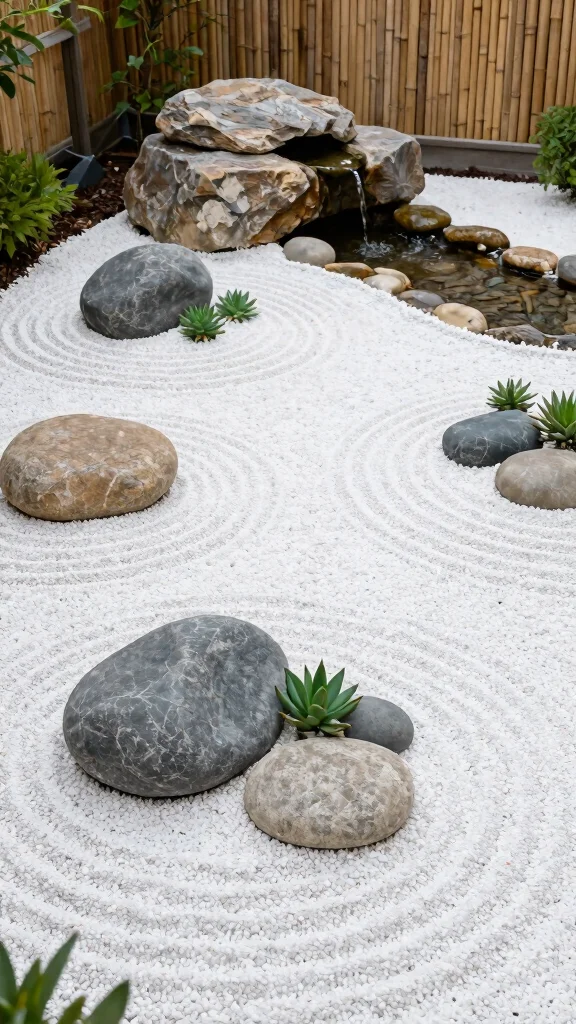
Embracing the essence of simplicity, minimalist rock gardens highlight nature’s beauty with a touch of elegance. This design approach uses carefully arranged rocks to mimic mountains or islands, creating a serene landscape that invites calmness. By selecting various stones and arranging them with intention, you can craft a visually pleasing space that resonates with tranquility and balance. Consider incorporating elements like smooth pebbles and contrasting gravel to enhance the garden’s aesthetic appeal.
For a successful rock garden, choose a base of fine gravel or white sand and mix in larger, flat stones for added interest. Small succulents or low-growing plants can be interspersed to bring life without clutter. Keep the design minimalist, allowing the natural beauty of the rocks to shine through while maintaining an uncluttered look.
Consider these ideas to elevate your rock garden:
– Pair large boulders with fine white gravel for contrast.
– Install a mix of textures using smooth and rough stones.
– Use a rake to create gentle patterns in the gravel.
– Incorporate small plants to soften the rocky landscape.
This design not only offers visual harmony but also fosters a sense of peace. The combination of textures and materials enhances the overall calming effect, making your garden a perfect retreat.
Recommended Products
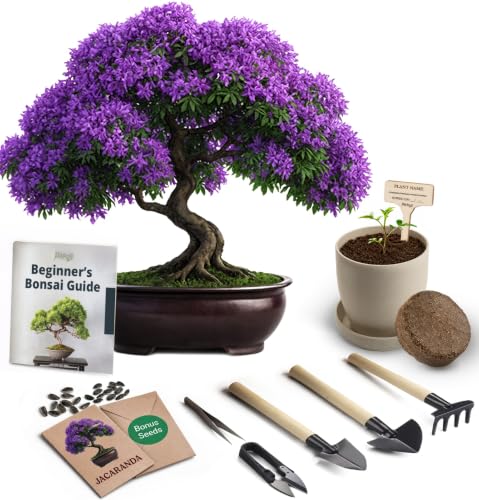
FREE EXTRA SEEDS!! Avergo’s bonsai starter kit comes with 2 additional seed packets just in case you’ll need more

FREE EXTRA SEEDS!! Avergo’s bonzie starter kit comes with additional seed packets just in case you’ll need more

Various Bonsai Tools: This bonsai helper set including 3 bonsai pruning scissors, 1 folding scissors, 1 rake, 2 spades and 1 pair of tweezers. The combination of various tools allows you to take better care of plants.
How To Choose Miniature Zen Garden Accessories
Choosing the right accessories for your small Japanese garden can enhance its peaceful vibe and aesthetic appeal. Follow these guidelines to select the best items that fit your space and taste.
1. Size
When selecting accessories, consider the size of your garden. Miniature Zen gardens should have elements that match the scale of your space. For instance, tiny bonsai trees or small lanterns work best in limited areas. Measure your available space and choose accessories that won’t overwhelm your garden.
2. Material
The material of your accessories matters for both durability and appearance. Natural materials like stone, wood, and bamboo create a more authentic feel. Look for items made from weather-resistant materials if your garden is outdoors. Avoid plastic, as it can disrupt the calming aesthetic you’re aiming for.
3. Features
Consider the unique features of each accessory. Some items may have practical uses, like a water feature that adds soothing sounds. Others may focus on appearance, like decorative stones or gravel patterns. Balance aesthetic appeal with functionality to create a harmonious space.
4. Theme
Think about the overall theme of your garden. Do you want a minimalist look or a more colorful space? Accessories should complement your garden’s design. For a traditional look, opt for tea garden elements or miniature pagodas. For a modern twist, choose sleek stones or contemporary sculptures.
5. Budget
Set a budget for your accessories. Prices can vary widely based on size and material. Shop around to find pieces that fit your style without breaking the bank. Remember to balance quality with cost, as inexpensive items may not last as long.
Pro Tip: Start with a few key accessories and gradually add more over time. This allows you to see how each piece fits into your space and adjust your theme accordingly. Enjoy the process of creating your tranquil garden oasis!
Recommended Products
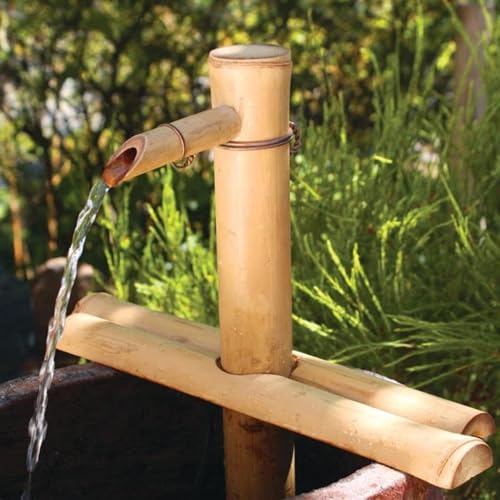
DRAMATIC WATERFALL SOUND & MOVEMENT – Designed to create a pronounced waterfall effect with water falling a greater distance, producing stronger water sounds and more visible movement than stream-style bamboo fountain designs.

SMOOTH STREAM-LIKE WATER SOUND – The larger three-arm design produces a full, continuous flow of water with a relaxing sound similar to a gently flowing stream.

Modern Zen-Inspired Design: Featuring a graceful circular frame with three bowls and a pagoda-style top, this modern outdoor fountain blends contemporary art with Japanese garden aesthetics. Perfect for creating a tranquil, meditative outdoor atmosphere.
2. Bonsai Display

Bonsai trees bring a unique charm to any Japanese garden, representing the delicate balance of nature and artistry. These miniature trees serve as captivating focal points, inviting you to appreciate both their intricate details and the skill involved in their cultivation. Whether placed indoors or outdoors, a well-chosen bonsai can transform your space into a serene haven, encouraging mindfulness and reflection.
To create a stunning bonsai display, select a shallow pot that complements your garden’s aesthetic. Surround the base with pebbles or moss for a natural touch. Grouping different varieties of bonsai can create a mini landscape, enhancing the visual interest with varying heights and textures.
Explore these ideas to showcase your bonsai:
– Position bonsai on a pedestal for visibility.
– Use decorative pebbles to enhance the base.
– Incorporate moss for a lush contrast.
– Group different sizes for dynamic appeal.
This thoughtful arrangement not only highlights the beauty of the bonsai but also enriches your garden’s tranquility. The gentle presence of these trees adds layers of texture, enhancing the overall aesthetic and atmosphere.
Recommended Products

【Gravel Pebbles Size】These stones are packaged in a 2 pounds bag. The size is about 1/5 inch, it is perfect for succulent and cactus plants, as well as any vase or terrarium
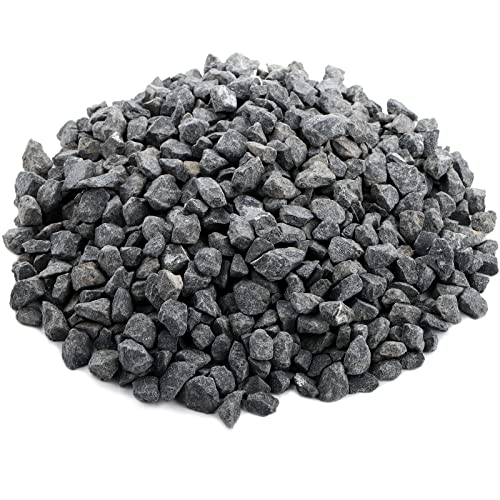
100% Natural Material: ZOOFOX small rocks stones are all natural. Their natural attribute will make them last longer because they will not deteriorate like mulch does.They have been only washed with water several times.

🙏 【Relax and play】 Stepping away from your work and getting your hands dirty for a minute is a proven way to reduce stress and give yourself the creative boost you need to solve your work problems. This little sandbox will give you a moment to relax and let your mind wander without leaving your desk, enjoy Zen time.
3. Zen Sand Garden
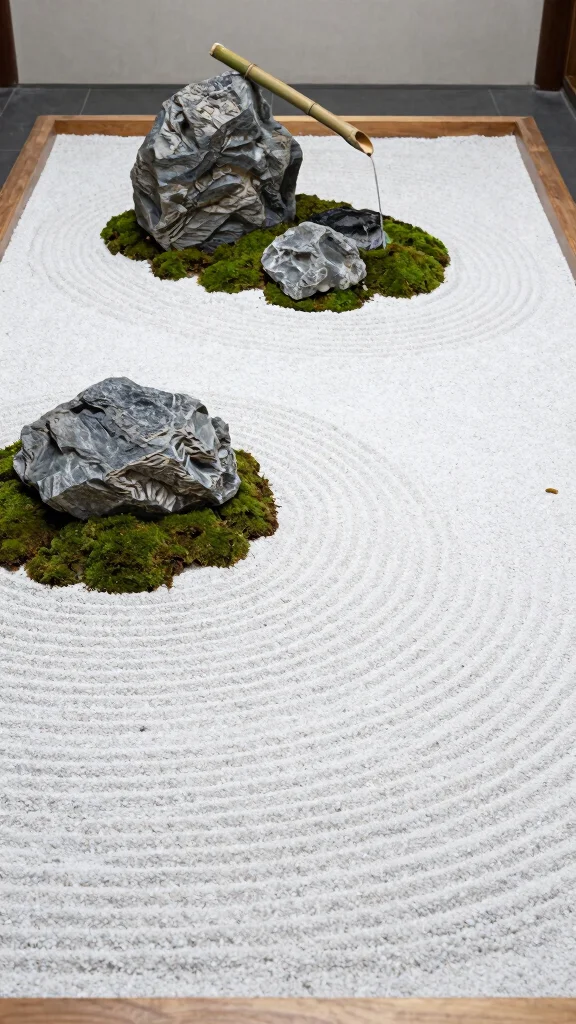
A zen sand garden embodies the tranquility of Japanese aesthetics, offering a peaceful retreat for contemplation. Through the act of raking fine sand into patterns, you create a meditative space that encourages mindfulness and relaxation. Perfect for small areas, this garden type allows you to cultivate a serene environment in just a few square feet.
To design your sand garden, begin with a sturdy frame to contain the sand and choose light-colored sand for a clean, calming look. Experiment with different rakes to create unique patterns, transforming simple sand into a work of art. Add larger stones or driftwood for focal points, enhancing the garden’s visual appeal.
Consider these ideas for your zen sand garden:
– Create raked patterns that mimic water waves.
– Incorporate larger stones as focal points.
– Arrange driftwood for added texture.
– Add moss for a touch of greenery.
This calming garden not only serves as a visual delight but also offers a space for meditation and reflection. The interplay of textures and materials deepens the overall aesthetic, making it a cherished sanctuary.
Recommended Products

FREE EXTRA SEEDS!! Avergo’s bonzie starter kit comes with additional seed packets just in case you’ll need more
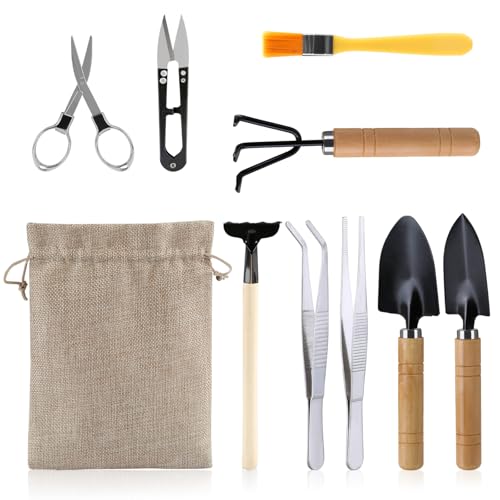
Basic Bonsai Kit – Provide the basic bonsai tools needed for each level of expertise at a savings over buying individual pieces

FREE EXTRA SEEDS!! Avergo’s bonzie starter kit comes with additional seed packets just in case you’ll need more
4. Water Features
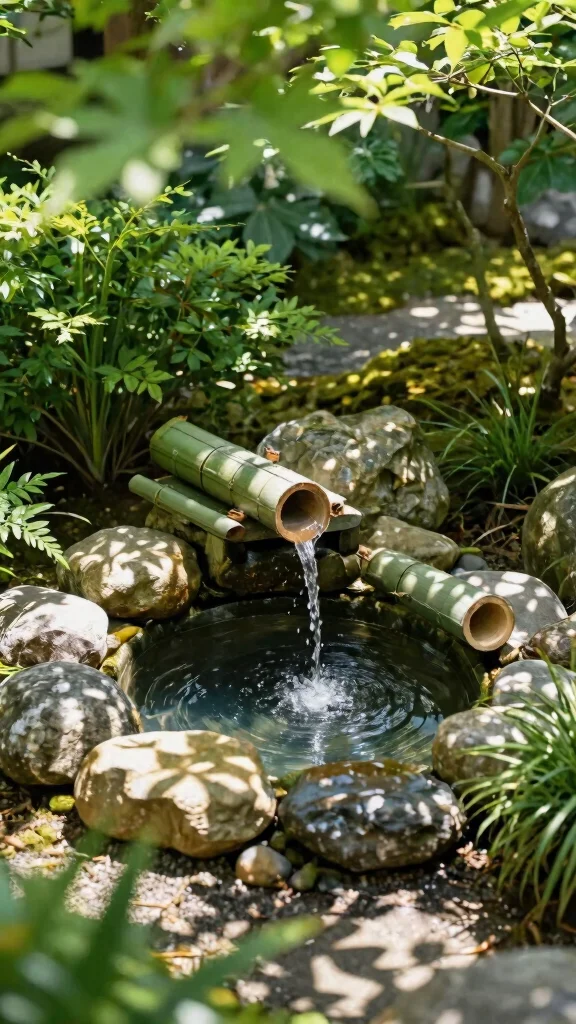
Water features play a vital role in Japanese gardens, symbolizing tranquility and purity. Even small installations, like fountains or basins, can significantly enhance your garden’s calming atmosphere. The gentle sound of flowing water creates a soothing backdrop, inviting you to relax and reflect in your serene space.
When adding a water feature, consider its integration with surrounding plants to create a harmonious landscape. Use natural stones or pebbles to form banks that blend seamlessly with the garden design. For koi ponds, ensure proper filtration and drainage to keep the water clear and inviting.
Explore these ideas for incorporating water:
– Install a small bamboo fountain for gentle sounds.
– Create a miniature koi pond for visual interest.
– Use stone basins as functional decor.
– Surround water features with lush greenery for contrast.
The presence of water not only enhances the garden’s beauty but also promotes a sense of peace. The combination of natural elements creates a tranquil environment, perfect for relaxation and contemplation.
Recommended Products

Designed for In-Ground “Disappearing” Fountains — This tall 36” spout is made for outdoor landscaping and works best with a buried reservoir, pond liner, or deep gravel basin.
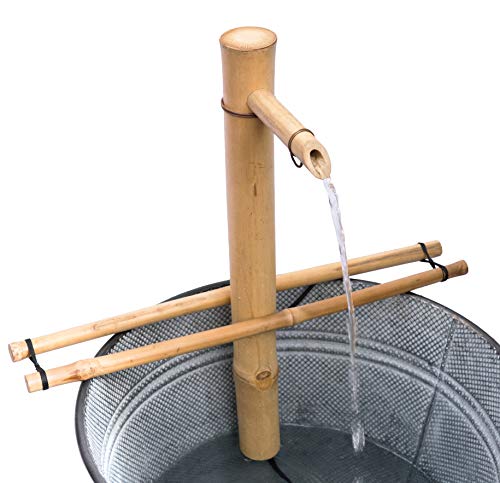
DRAMATIC WATERFALL SOUND & MOVEMENT – The larger 18" design creates a pronounced waterfall effect with visible water movement and stronger water sounds than stream-style bamboo fountain designs.

OUTDOOR ZEN FOUNTAIN – That combines the tranquility of a Zen tower with the elegance of tiered water flow. Water cascades gently from the tower. This fountain combines modern design with the soothing sound of water, creating a peaceful ambiance in your garden or patio.
5. Lanterns and Lighting
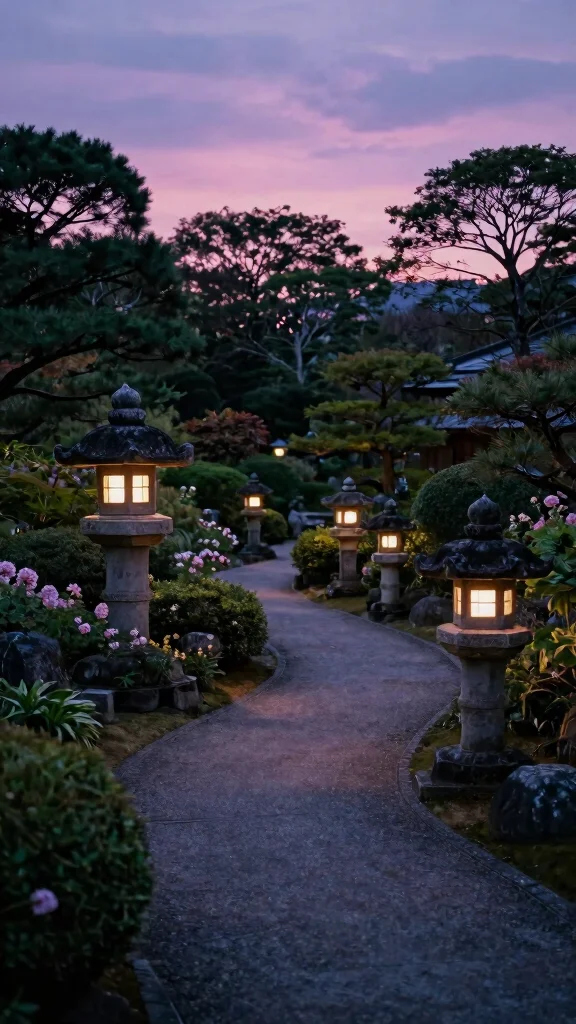
Japanese lanterns infuse your garden with a magical ambiance, especially as the sun sets. These decorative pieces, crafted from stone, metal, or wood, provide soft lighting that enhances the tranquil mood of your outdoor space. Strategically placing lanterns along pathways or near water features can create inviting focal points that draw the eye and guide visitors.
When selecting lanterns, consider their style and how they fit within your garden’s overall theme. Mixing different heights and designs can add visual interest while maintaining a cohesive look. For a charming touch, choose lanterns with intricate designs that cast beautiful shadows.
Consider these ideas for incorporating lanterns:
– Position stone lanterns along garden paths.
– Use solar lights for an eco-friendly glow.
– Arrange floating lanterns on ponds for a stunning effect.
– Mix lantern styles for a dynamic layout.
These lighting elements not only enhance the aesthetic but also create a warm, inviting atmosphere. The interplay of light and shadow adds depth, making your garden a delightful space to enjoy at any time.
Recommended Products
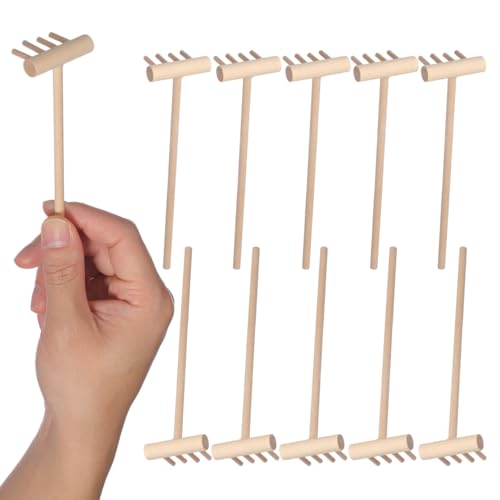
Zen Garden Rake — Japanese zen garden tool, mini garden plant tool, mini rake tool, zen garden sand rake for desktop decoration

THERAPIST-APPROVED FOR CALM & FOCUS – Our Zen garden kit supports mood management, stress relief, and grounding. Perfect for home, office, or classroom, it creates a peaceful, mindful environment.
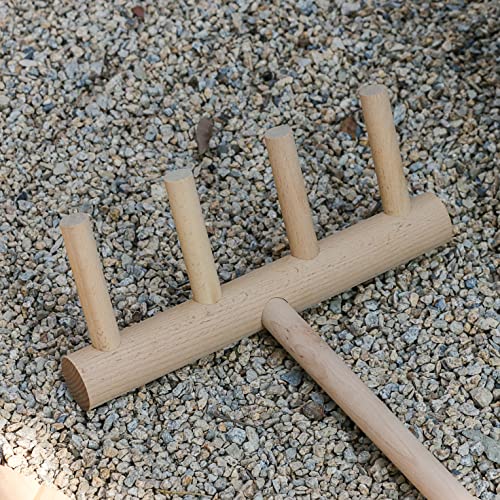
Outdoor Zen Garden rake -This is a total length of 4.88in four-tooth rake, tooth depth 3.6in, 2.3in spacing between the two teeth, the overall weight of about 800 grams, sturdy natural solid Oak made. The handle part has a non-slip design, so you can grasp the rake as you wish to create patterns in the loose sand.
6. Moss Gardens
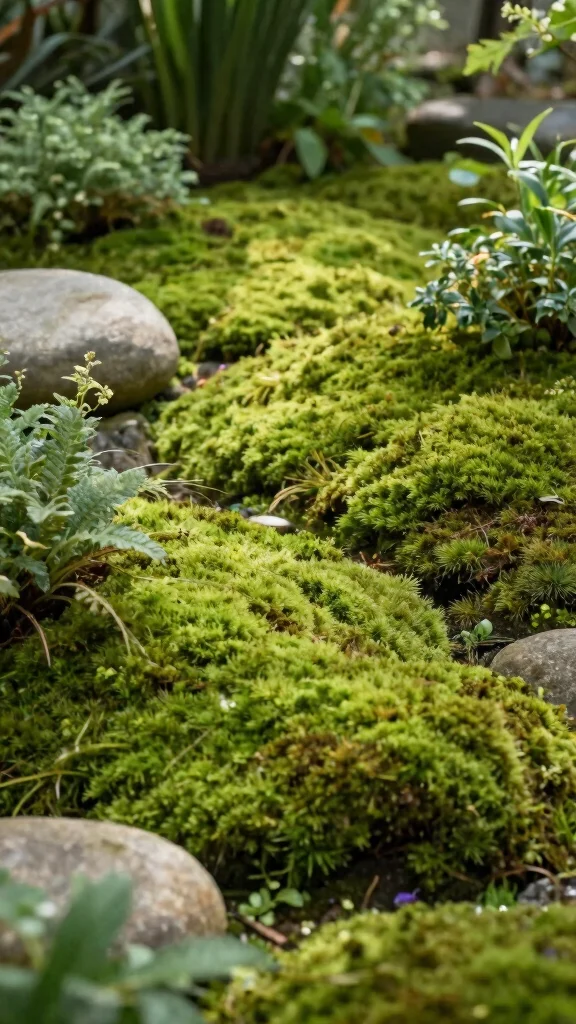
Moss gardens are a beautiful and often overlooked aspect of Japanese landscaping, offering a lush green carpet that enhances tranquility. This low-maintenance plant thrives in shaded areas, making it an ideal choice for small gardens. Its vibrant hues and soft texture create a calming atmosphere year-round, inviting you to enjoy the serenity of your outdoor space.
To create a moss garden, start with well-draining soil and introduce various moss types for depth and interest. Surround your moss with stones or wooden paths to provide contrast and structure. This garden becomes particularly enchanting after rainfall when the moss appears fresh and vibrant.
Consider these tips to establish your moss garden:
– Keep the area shaded to retain moisture.
– Water regularly, especially during dry spells.
– Use stones to create paths and borders.
– Avoid foot traffic to maintain lushness.
This type of garden not only adds beauty but also fosters a sense of peace and reflection. The rich textures and colors of the moss enhance the overall design, creating a serene retreat.
Fun fact: moss thrives in indirect light and needs almost no mowing. In small japanese garden ideas, a moss carpet can cut lawn upkeep by up to 70%, turning shaded corners into serene, year-round Zen.
Recommended Products

Size: Includes 4 mini stone lantern pagodas, Large: 2 * 1.6 inches; Small: 1.1 * 0.9 inches

Size: Height range 1.77" to 2.6"/45-66mm, width range 0.98" to 1.5"/25-38mm(Specific detailed size showed in the picture)

Package Included: 3PCS miniature pagoda lantern. Size: 5.5*5.5*12 cm/2.16*2.16*4.72 in; 4*4*4.8 cm/1.57*1.57*1.89 in; 2 cm*2 cm*5 cm/0.79*0.79*1.97 in
7. Pathways and Edging

Designing pathways within your small Japanese garden adds structure and invites exploration. Pathways made from natural stones, gravel, or stepping stones enhance both the beauty and functionality of your space. They guide visitors through your serene garden, encouraging moments of contemplation and connection with nature.
When creating pathways, consider the surrounding plants and features to ensure a cohesive flow. Use edging materials like wooden borders or low stone walls to define the path and prevent plant encroachment. Adding small plants or lanterns along the way can create visual breaks and enhance interest.
Explore these pathway ideas:
– Use stone paths for a classic look.
– Create gravel trails for a rustic feel.
– Incorporate stepping stones for playful designs.
– Add plants along the edges for color and texture.
Narrow, winding pathways offer a whimsical effect, inviting you to discover the beauty of your garden. The combination of materials and textures adds depth, enhancing your overall design.
You might also like


8. Simple Seating Areas
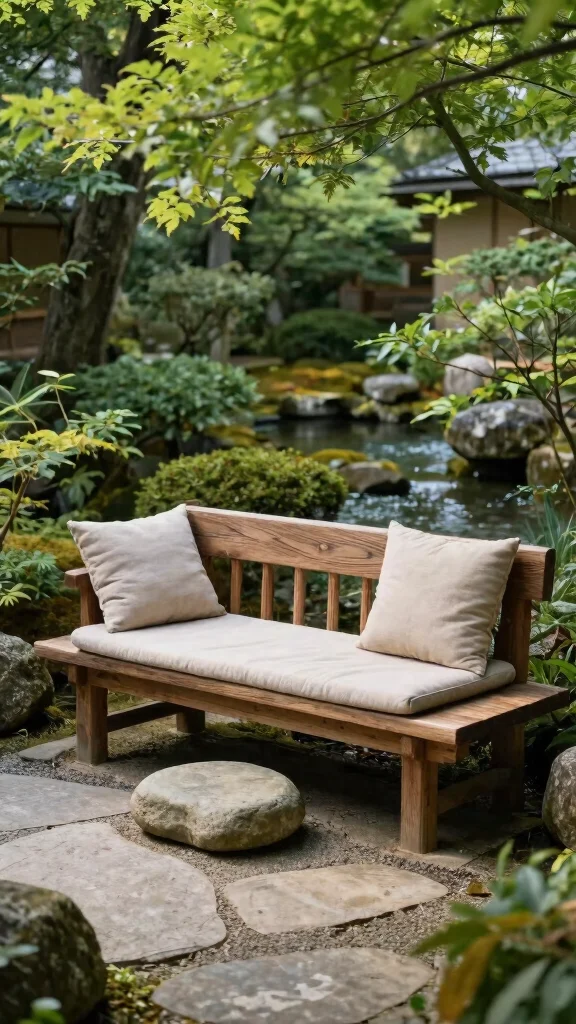
Incorporating a simple seating area in your small Japanese garden allows you to pause and appreciate the beauty surrounding you. Whether it’s a rustic bench, a few stone seats, or a small wooden platform, these designated spots encourage relaxation and reflection. They provide the perfect vantage point to enjoy your garden and its tranquil atmosphere.
Position your seating in an area that offers a pleasing view, perhaps near a water feature or under the shade of a tree. Soft cushions or throws can enhance comfort, while minimalist side tables provide a place for tea or a good book.
Consider these seating ideas:
– Use wooden benches that blend with nature.
– Choose stone seating for durability.
– Add floor cushions for casual gatherings.
– Create a small table for refreshments.
These inviting areas not only encourage relaxation but also foster connection with your garden. Thoughtful arrangements enhance the calming atmosphere, making your space a tranquil retreat.
9. Seasonal Flower Displays

Adding seasonal flowers to your small Japanese garden introduces vibrant bursts of color throughout the year. These flowering plants complement the garden’s more permanent elements, like rocks and moss, enhancing its overall appeal. By selecting blooms that reflect the changing seasons, you can keep your garden fresh and engaging year-round.
To create harmonious flower displays, group plants by color or height for visual impact. Using containers or raised beds can maximize space and allow for easy rearrangement. Pairing flowers with greenery provides balance, ensuring a natural look that resonates with the garden’s aesthetic.
Explore these seasonal flower ideas:
– Plant cherry blossoms for spring beauty.
– Use Japanese irises in moist areas for stunning blooms.
– Incorporate chrysanthemums for fall color.
– Arrange flowers in clusters for visual drama.
This thoughtful selection of flowers not only brightens your garden but also fosters a sense of seasonal change and growth. The interplay of colors and textures enhances the overall design, creating a captivating environment.
Recommended Products

THERAPIST-RECOMMENDED FOR CALMING & FOCUS – Loved by therapists, this natural bamboo zen garden supports emotional regulation, stress relief, and mindfulness in homes, offices, or classrooms—creating a peaceful space for grounding

CREATE AND RECREATE YOUR LANDSCAPE — Shape the white sand, arrange pebbles, moss, lotus flower, and textured spheres, then start again whenever you want a fresh tabletop scene.

Full Size ZEN Garden Rake – This 6-tine saw tooth rake is 48" long, 16 wide, and 2.5" deep, with a maximum space of 2" between teeth. Made of sturdy beech wood, it weighs about 1.6LB(730g).
10. Decorative Stones and Gravel
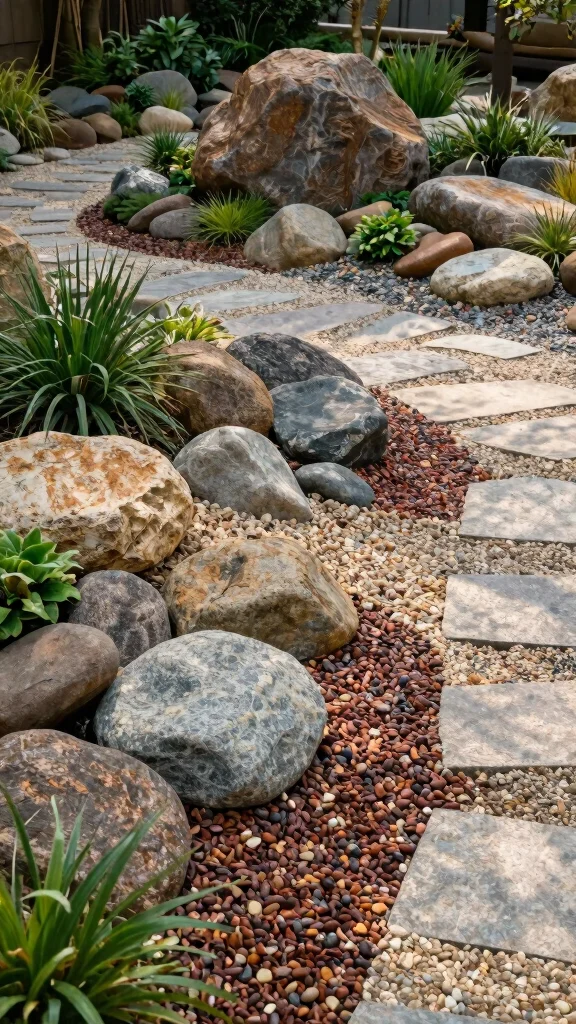
Decorative stones and gravel are essential elements that can elevate the aesthetic of your small Japanese garden. These materials add texture and contrast, allowing you to create visual layers and interest in your landscape. They also provide practical benefits, such as improved drainage and erosion control, making them a smart choice for your garden design.
To enhance your garden’s appeal, consider using different types of stones and gravel to frame plant beds or create borders. Incorporating contrasting colors helps delineate areas and adds depth. Smaller stones can serve as ground cover, filling gaps and enhancing the overall composition.
Consider these ideas for decorative stones:
– Use river rocks for a natural look around water features.
– Incorporate colored gravel to add vibrancy.
– Position larger boulders as focal points.
– Mix materials for a textured landscape.
These elements not only beautify your garden but also promote a balanced design. The combination of hardscapes and soft plants creates a harmonious environment, enhancing your garden’s overall appeal.
11. Vertical Gardens
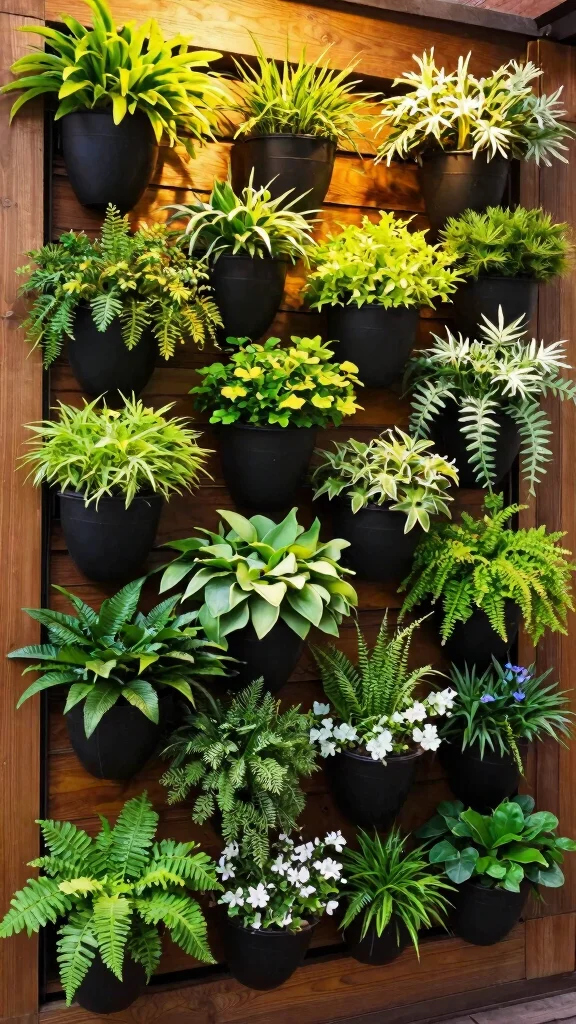
For those with limited space, vertical gardens offer a brilliant solution by utilizing walls or trellises to display plants. This innovative approach saves ground space while adding visual intrigue to your small Japanese garden. Vertical gardens allow you to grow a variety of flowers and greenery, creating a lush backdrop that enhances your outdoor space.
To set up a vertical garden, consider wall-mounted pots or trellises adorned with climbing plants. Repurposing wooden pallets can create a rustic, eco-friendly display. Choose a mix of plants with diverse textures and colors for added depth and interest.
Explore these ideas for your vertical garden:
– Use wall-mounted pots for a stunning plant backdrop.
– Incorporate trellises with flowering vines.
– Create pallet gardens for a unique display.
– Mix herbs and ornamental plants for fragrance.
This creative approach not only maximizes space but also adds beauty and character to your garden. The layering of plants creates a vibrant tapestry, enhancing the overall design.
12. Miniature Pagodas

Incorporating a miniature pagoda into your garden brings a touch of traditional Japanese architecture and an enchanting element to your design. These structures symbolize peace and harmony, enhancing the spiritual ambiance of your space. A small pagoda can serve as a delightful focal point, inviting exploration and appreciation of your garden’s beauty.
When selecting a pagoda, consider materials like wood, stone, or ceramic that align with your garden’s theme. Position it where it can be easily viewed, perhaps near a water feature or seating area. Ensuring it fits proportionally within your garden’s scale is essential for maintaining harmony.
Consider these ideas for your pagoda placement:
– Surround it with pebbles for an inviting feel.
– Frame it with low-growing plants for added interest.
– Use seasonal flowers to enhance its presence.
– Incorporate lighting to make it a focal point at night.
The addition of a pagoda not only enriches your garden’s design but also creates a serene atmosphere for reflection. Its presence enhances the overall aesthetic, making your space a peaceful retreat.
Fun fact: A tiny pagoda as part of small japanese garden ideas can act as a powerful focal point, making the space feel 30% calmer. Place it where morning light hits and let the lines guide your eye toward serenity. Your garden becomes a peaceful, explorative retreat.
13. Japanese Tea Garden Elements

Integrating elements of a Japanese tea garden can significantly enhance your small garden, transforming it into a space for gathering and tranquility. These gardens are designed for enjoyment and reflection, featuring paths, water elements, and plantings that create an immersive experience. Adapting these features to your space promotes calm and connection with nature.
Key features of a tea garden include stone paths that guide visitors and encourage mindfulness, tea plantings like camellia shrubs for brewing, and designated seating areas for quiet contemplation or tea ceremonies. Simple additions like a small table and natural seating can create an inviting atmosphere.
Consider these features for your tea garden:
– Incorporate stone paths for mindful wandering.
– Add tea shrubs for brewing and beauty.
– Create seating for quiet reflection.
– Use natural materials to enhance the theme.
This thoughtful design fosters a sense of community and connection to nature. The elements of a tea garden create a serene retreat, perfect for relaxation and reflection.
14. Colorful Foliage and Evergreens

Incorporating colorful foliage and evergreens adds vibrant depth and interest to your small Japanese garden throughout the seasons. These plants bring unique textures and hues that contrast beautifully with the more subdued elements like stones and sand. A well-chosen selection ensures your garden remains visually appealing all year long.
To create visual interest, group plants by height and color. Use evergreens as a backdrop, allowing seasonal foliage to shine and create layers that invite exploration. This thoughtful arrangement can enhance the garden’s aesthetic and foster a sense of connection with nature.
Consider these plant ideas for your garden:
– Use Japanese maple for stunning fall colors.
– Incorporate variegated plants for unique patterns.
– Include evergreen shrubs for year-round structure.
– Arrange plants for balanced heights and colors.
This selection not only enhances the garden’s beauty but also fosters a sense of seasonal change. The interplay of colorful foliage and evergreens creates a captivating environment, enriching your garden experience.
15. Community and Family Engagement
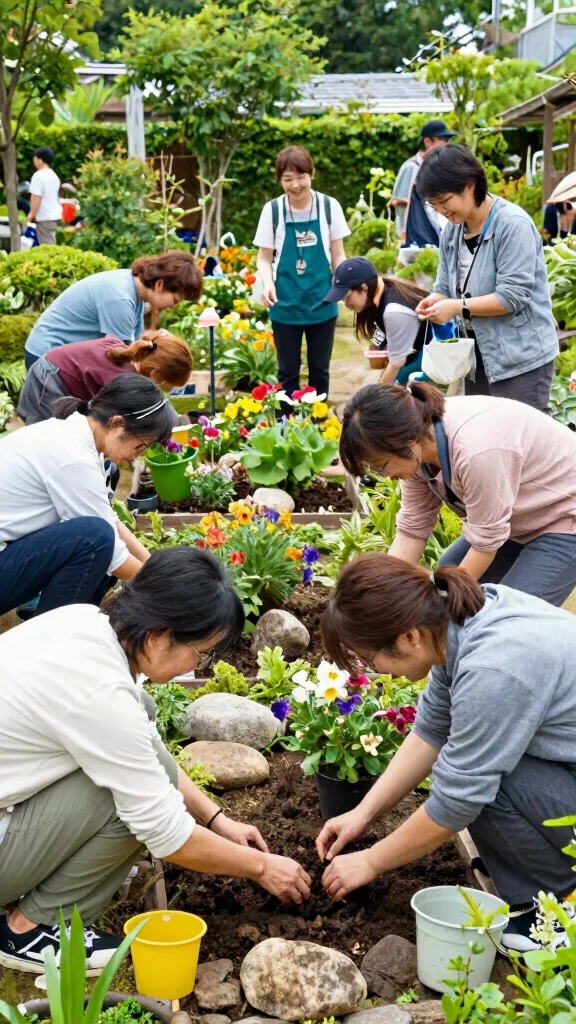
Creating a small Japanese garden can be a wonderful project to engage your family or community. Involving others not only strengthens bonds but also promotes appreciation for nature and gardening. Consider hosting workshops or garden days where everyone can contribute to the design and upkeep of the space.
Engagement ideas include family planting days to involve everyone in selecting and planting flowers or shrubs, community design sessions to encourage input on layout, and educational workshops to teach others about Japanese gardening techniques and philosophy. This collective effort enhances ownership and pride in your garden, fostering deeper connections to the natural world.
Explore these ideas for community involvement:
– Organize family planting days for hands-on fun.
– Hold design sessions for collaborative input.
– Offer workshops to share gardening knowledge.
– Celebrate milestones together for community bonding.
This approach not only enriches the gardening experience but also promotes mindfulness and appreciation for beauty. Engaging with others in this way creates lasting memories and a shared love for nature.
16. Personal Touches
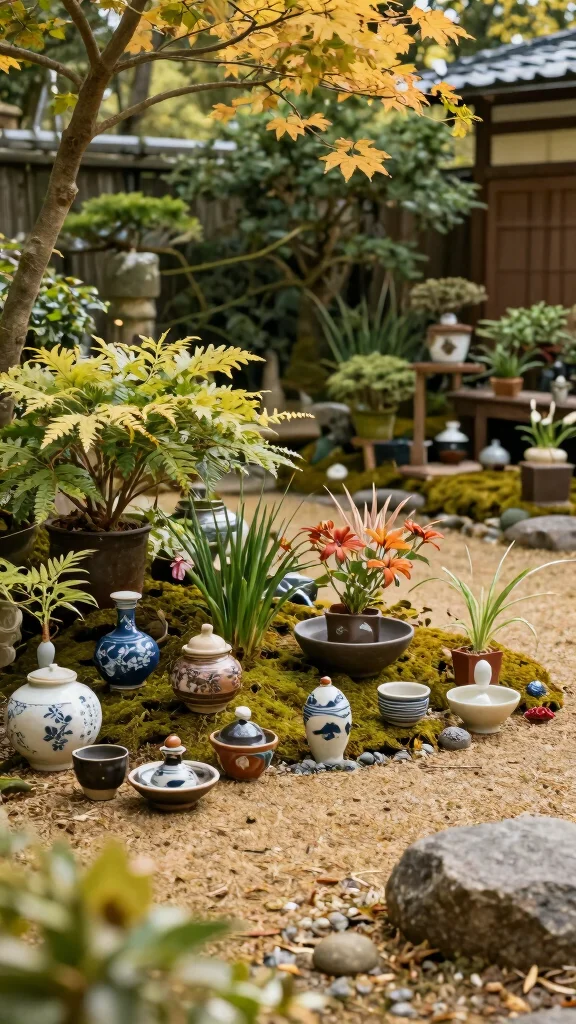
Adding personal touches to your small Japanese garden makes it uniquely yours. Incorporate elements that reflect your interests, memories, or cultural heritage to create a space that resonates with your personal story. These could range from decorative art pieces to meaningful plants that hold significance in your life.
Ideas for personalization include using handmade decorations like ceramic frogs or wind chimes, selecting plants that hold special meanings, and incorporating local art that aligns with Japanese aesthetics. These personal elements transform your garden into a reflective space for peace and contemplation.
Consider these tips for personalizing your garden:
– Ensure a cohesive overall design while adding personal elements.
– Be mindful of scale to maintain a serene atmosphere.
– Allow your touches to evolve as your tastes change.
These thoughtful additions not only enhance your garden’s charm but also create a deeper connection with nature and your personal experiences.
Your small japanese garden ideas bloom when you add pieces that tell your story. Personal touches—handmade ornaments, special plants, or local art—turn a space into a reflection of you. Start with one meaningful item and watch your calm spaces grow with memory.
Conclusion
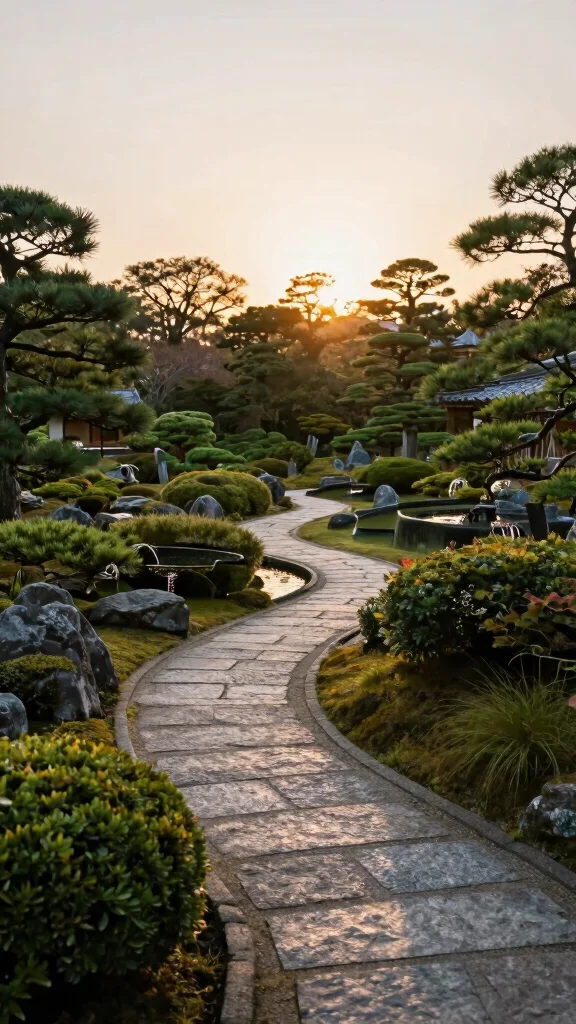
Bringing a touch of Japan into your outdoor space is all about celebrating simplicity, beauty, and tranquility. These small Japanese garden ideas can help you design a calming retreat that reflects your unique style while promoting mindfulness and relaxation. Whether you choose to incorporate a water feature, decorative stones, or a seating area, each element can contribute to the overall harmony of your garden.
Experiment with these ideas, let your creativity shine, and soon you’ll have a serene haven right in your backyard.
Frequently Asked Questions
What are some small Japanese garden ideas to create a calm Zen space?
Creating a tranquil, compact Japanese garden starts with a simple plan. Consider minimalist garden decor and a focused design so your space doesn’t feel crowded.
Start with a dry landscape element like raked gravel or sand to mirror karesansui, add a few smooth stones for a focal point, and soften edges with moss or low-growing ferns.
Use containers or a narrow bed to fit small outdoor spaces without sacrificing atmosphere.
Finish with lighting and a small water feature or a bamboo screen to enhance privacy and create a calming backdrop. This approach aligns with Japanese garden design and gives you a serene, low-maintenance Zen vibe.
How can I incorporate zen garden inspiration into small outdoor spaces?
Choose a single, meaningful motif (stone, water, or moss) and build around it. Use a compact tray or shallow garden bed that fits your space; use miniature Zen garden accessories such as a tiny rake, smooth pebbles, and a bamboo divider.
Pick a restrained color palette of natural tones and keep plantings minimal with moss, hosta, or dwarf conifers. Add a soft light source for evenings. This keeps things practical for small outdoor spaces while delivering zen garden inspiration.
What are easy tips for maintaining a minimalist garden decor in a small Japanese garden?
Prioritize simplicity and durability. Use gravel or sand that you can tidy quickly, and let moss or compact ferns cover bare spots. Choose weather-ready containers and native plants that require little upkeep. Keep a restrained color palette and clean lines to achieve minimalist garden decor without constant pruning. Schedule a short monthly refresh to vacuum debris and reset patterns in the gravel for ongoing tranquil garden ideas.
What common mistakes should I avoid with small Japanese garden ideas?
Common pitfalls include crowding the space, using too many colors, and ignoring scale or proportion. Avoid neglecting small outdoor spaces privacy and shade, and don’t overlook durable, weather-resistant materials. Also steer clear of high-maintenance plants that demand constant care. Plan for seasonal interest with a few evergreen or moss elements to keep the space feeling calm year-round.
What tools and accessories do I need for a tiny Zen garden makeover?
For a compact setup, start with miniature Zen garden accessories like a shallow tray, fine sand or gravel, a tiny rake, and a few smooth stones. Add a patch of moss, a small planter for dwarf plants, and a slim bamboo screen or fence for structure. A tiny lantern or pagoda can serve as a focal point, and consider a vertical accent (hanging plant or trellis) to maximize small outdoor spaces without crowding.
Recommended Products

Japanese Pagoda LED Lamp Statue: This pagoda lantern statue + LED Lamp creates a unique and creative combination, give off a yellow light, brings a warm, interesting and zen touch to your home, desk, mini garden or zen spaces, adding a unique and whimsical charm to your decor.

⛪WHAT YOU GET : 10 Stepping Stone & 3 different styles Japanese pagoda statues. Measures : (4.7" × 2.1" )( 2.0" × 1.8" )( 2.3" × 0.9" ). A truly special present for any occasion, to be used indoor on your coffee table at home in the playing room or at the office desk.

Mini Pagoda Detail: This pagoda statue features realistic workmanship and fine details, giving your miniature scene pagoda, mini garden decor, or DIY micro landscape a clear focal point without taking up much space
Related Topics
small japanese garden ideas
zen garden inspiration
japanese garden design
minimalist garden decor
tranquil garden ideas
small outdoor spaces
easy garden projects
outdoor serenity
DIY zen garden
calm outdoor retreats
beginner friendly gardening
minimalist outdoor design
Leave a Reply